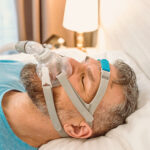
At a Glance
CPAP therapy is one of the most effective treatments for sleep apnea, but it can take time to adjust to sleeping with a mask and pressurized airflow. Common issues like mask leaks, dry mouth, claustrophobia, and discomfort can often be improved by finding the right mask, adjusting humidity and pressure settings, and building a consistent bedtime routine.
Falling asleep with a CPAP machine can feel like a big adjustment at first, but for many people, it quickly becomes the key to deeper, healthier sleep. Unfortunately, nearly half of people prescribed CPAP therapy don’t use it consistently enough to experience the full benefits. And when they stop therapy, sleep apnea symptoms — along with related health risks — often return quickly.
That’s why it’s important to work closely with your doctor, especially when you’re first starting CPAP therapy. With the right mask, settings, and support, CPAP can become a comfortable part of your nightly routine. Below, we’ll explain how to sleep more comfortably with CPAP and share tips for adjusting to therapy successfully.
Overwhelmed by Your Options? We Make CPAP Simple
Sleep Doctor helps you find the right machine, masks, and supplies, so you can start therapy with confidence from day one.
What Is It Like Sleeping With CPAP?
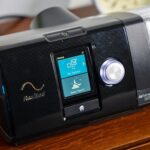
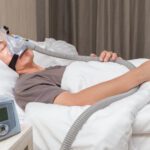
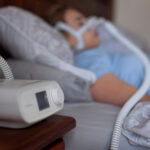
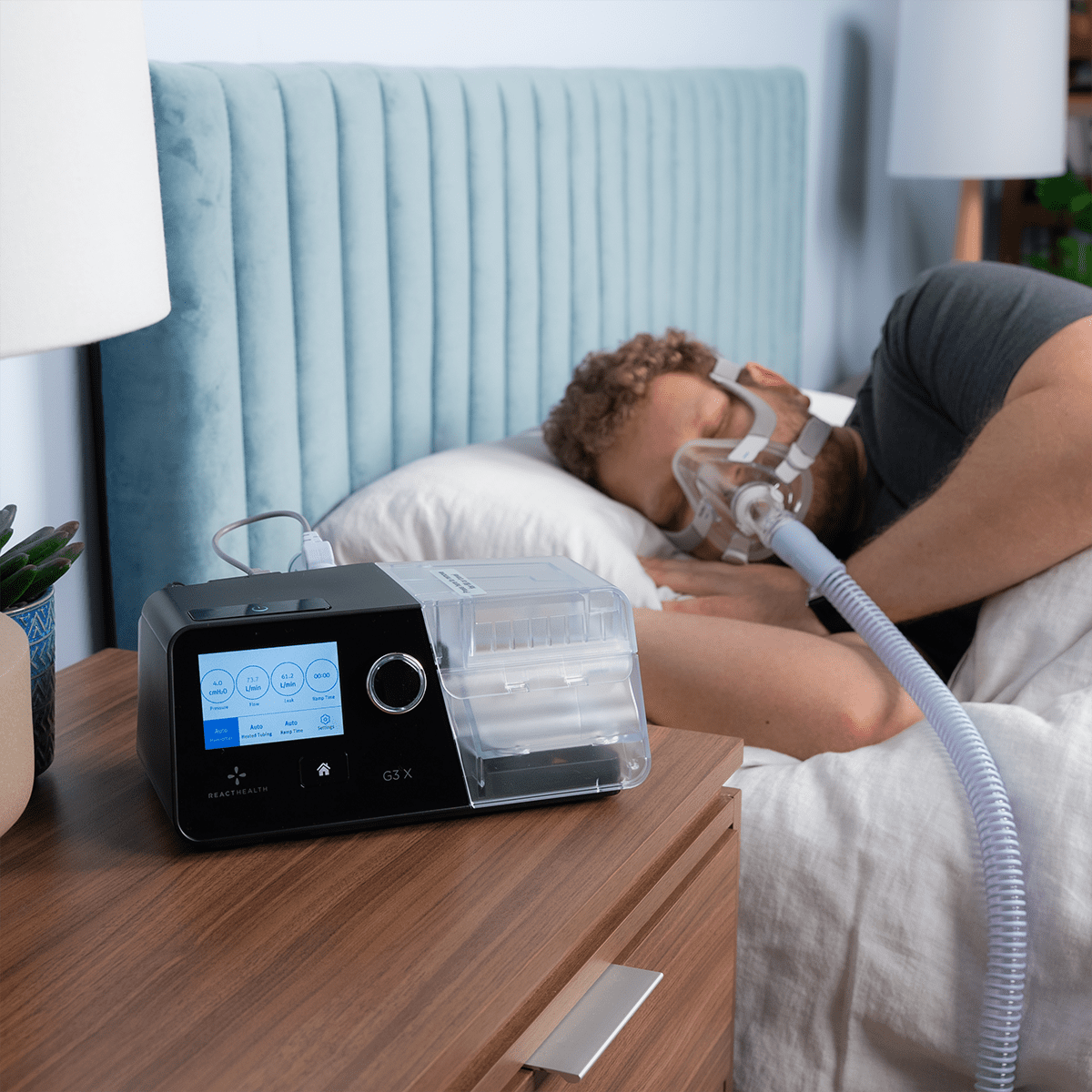
Your CPAP setup includes a small machine that you can put on your bedside table or nearby shelf. The machine connects via tubing to a mask. The CPAP machine emits a steady hum around 30 decibels, similar to a whisper.
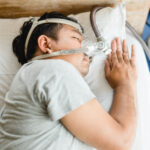
Before falling asleep, you’ll put on the mask and adjust the straps so it fits snugly over your nose or mouth without feeling too tight. Once the machine is turned on, you’ll feel a steady stream of air flowing through the mask.
As you lie down and begin breathing, it may take a little time to get used to the sensation of airflow and wearing the mask. Some people notice the sound of the machine or become more aware of their breathing during the first few nights. However, modern CPAP machines and masks are designed to be quieter, lighter, and more comfortable than older models.
Reasons You Can’t Sleep With CPAP
There are many reasons you might be tempted to stop CPAP therapy, but most of them can be addressed to make it more comfortable and effective. Some reasons you might have trouble adjusting to CPAP therapy include:
- Trouble falling asleep with CPAP: CPAP therapy can feel awkward at first, but by adjusting your setup and practicing every night, you’ll likely find you get used to it.
- Waking up during the night: In theory, CPAP therapy should help you sleep more soundly, because you’re no longer waking up to catch your breath. However, in the beginning, you may find it feels unnatural.
- Dry mouth or sore throat: The pressurized air from your CPAP machine may cause a dry mouth or sore throat if your humidity settings aren’t correctly calibrated.
- CPAP mask leaks: CPAP mask leaks from an ill-fitting mask may cause discomfort and make a bothersome noise, affecting your therapy.
- Feeling claustrophobic: Claustrophobia is one of the main reasons why people stop using CPAP therapy, but newer masks are designed to feel much less suffocating.
- Removing the CPAP mask during sleep: If you wake up and find you’ve removed your CPAP mask during sleep, it might be because the mask was uncomfortable or the air pressure was too high or too low.
- Nasal congestion: A stuffy nose can prevent CPAP air from being delivered into your airway, and it can cause air leaks through the mouth. Try using antihistamines, nasal sprays, or other techniques to clear your nose.
Tips for Sleeping With CPAP
You can set yourself up for success with CPAP therapy by focusing on a few simple steps.
Find the Right CPAP Mask
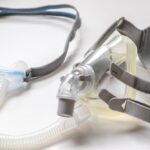
Your CPAP mask is one of the most important parts of your CPAP setup. It should fit snugly over your nose and/or mouth to deliver air without leaking or causing pressure marks.
Your provider will work with you to find a mask style that suits your needs. There are three commonly used types of CPAP masks:
- Nasal mask: Nasal masks fit over your nose and are generally considered the most effective. If you tend to breathe through your mouth, you can use a chin strap to keep your mouth shut.
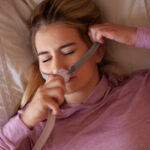
- Nasal pillows: Nasal pillows feature two prongs that slide inside your nostrils. Their low-profile design makes them popular with people with claustrophobia or those who have facial hair. However, nasal pillows may be uncomfortable at higher air pressure settings.
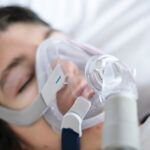
- Full-face mask: A full-face mask delivers air into both your mouth and nose. You may prefer a full-face mask if you have seasonal allergies or other reasons that prevent you from breathing well through your nose.
Some nasal masks have a minimal-contact design that cup the bottom of the nostrils instead of covering the bridge of the nose, so you can wear glasses and enjoy a relatively unobstructed field of vision. These masks are also less likely to get knocked out of place if you toss and turn during sleep.
You may need to try a few mask models before you find one you like. Most masks have cushions and headgear with adjustable straps and soft, flexible materials like silicone or memory foam. Adjust the mask snugly without overtightening the straps. If you lose or gain a significant amount of weight, you may need to refit your mask.
Use the manufacturer’s sizing guidelines to choose the right size, or purchase a sizing kit so you can try out different sizes the first time you use it.
Adjust Your Humidity Settings
It’s standard for manufacturers to include a heated humidifier with your CPAP device. This helps prevent a dry, stuffy nose from the pressurized air. Many humidifiers have adjustable settings, so you can turn the heat up or down or turn it off altogether.
Using a humidifier in a dry climate can cause rainout, or a buildup of condensation in the tubing. You can reduce rainout using heated tubing or cloth liners.
Practice Wearing Your CPAP Before Bed
When you first start CPAP therapy, it can take a while to get used to the feel of wearing a mask. If you find it difficult to fall asleep, try wearing the mask during the day, while doing relaxing activities like reading or watching TV. Don’t turn on the machine; just give yourself time to get used to the feel of the mask. Wear it for a little longer each time.
When you’re ready, connect the mask to the CPAP machine, then turn it on for a few minutes. You may wish to repeat this process several days in a row, gradually increasing the time the machine is on. Once it feels natural to breathe through the mask with the machine on, you’re ready to progress to using CPAP while you sleep.
Use CPAP Every Night
The benefits of CPAP therapy kick in almost right away, but they also drop off if you stop using CPAP therapy. The bare minimum for CPAP therapy to be effective is four hours per night on at least five nights a week.
If you follow these guidelines, you should notice that you feel less sleepy during the day and find it easier to do mental tasks. That said, the more you use your CPAP machine, the more benefits you’ll get.
Keep Your CPAP Equipment Clean
Regular cleaning prolongs the life of your CPAP equipment. More importantly, air flows through these components and into your lungs, so you don’t want bacteria or mold building up inside.
Most CPAP parts can be washed with mild soap and warm water, but check the manufacturer’s guidelines for your equipment. Generally, you’ll need to wipe down the mask every day and do a more thorough cleaning of the tubing, headgear, and humidifier water chamber once a week.
Use a CPAP Pillow
CPAP pillows come in unique shapes designed to accommodate the CPAP mask and tubing in different sleep positions. They’re intended to reduce the risk of mask leaks from knocking the mask out of place, or pressure sores from the mask against your face. While not essential, CPAP pillows may make it more comfortable to use CPAP therapy, especially if you’re a side or stomach sleeper.
Find a Comfortable Pressure Level
CPAP therapy delivers a constant level of air pressure to keep the airway open. If you’re using CPAP, your sleep health team will determine your pressure settings during your initial sleep study or a separate titration study. Ideally, air pressure should be high enough to keep your airway open but not so high that it causes discomfort.
To avoid having to use the maximum pressure level all through the night, doctors may sometimes recommend using different types of therapy with dynamic pressure levels.
- Pressure ramping: A pressure ramp starts out air pressure low at the beginning of the night and gradually increases to your therapeutic level over a period of 5 to 45 minutes as you fall asleep.
- Expiratory pressure relief: Expiratory pressure relief (EPR) delivers slightly lower pressure when exhaling.
- APAP: Auto-titrating positive airway pressure (APAP) machines use an algorithm to track your breathing and adjust the air pressure automatically throughout the night. Many modern CPAP machines also have an APAP mode, which you can ask your doctor about.
- BiPAP: Bi-level positive airway pressure (BiPAP) delivers higher air pressure when you breathe in and lowers the pressure when you breathe out.
How to Sleep With CPAP for the First Time
It’s normal to be apprehensive about starting CPAP therapy, but your healthcare team is there to help the process go smoothly and answer any questions you may have. They may also recommend cognitive behavioral therapy, which can arm you with techniques to reduce anxiety and boost motivation for CPAP therapy.
What to Expect During Your First Week
The first week of CPAP therapy is all about getting to know your equipment. You’ll practice using the CPAP machine according to your doctor’s instructions, and you’ll work together to adjust the mask until it fits snugly and comfortably.
If you sleep with a partner, it’s a good idea to sit down together and discuss how to make your CPAP therapy a positive experience for both of you. You may consider moving the machine down onto a low-lying shelf so it makes less noise.
Building a CPAP Bedtime Routine
CPAP therapy works best if you integrate it into your bedtime routine, just like brushing your teeth. When you’re ready for bed, pop your mask on, fill the humidifier, and switch on the machine.
Turning on your CPAP machine as soon as you get in bed means you don’t have to worry about accidentally falling asleep without it. Most masks have a quick-release elbow, so you can easily pop it on and off if you need to leave the bed.
When to Talk to Your Doctor
While it’s common to take some time to get used to CPAP therapy, you should talk to your doctor if you’re experiencing discomfort or if the therapy isn’t helping you with your sleep apnea symptoms.
Regular follow-up visits, especially in the first two weeks, can help make sure everything is going smoothly. Your doctor will ask if the therapy is helping you and if you’re experiencing any problems. They’ll also check your device for data on your usage, and work with you to troubleshoot side effects like mask leak or claustrophobia.
CPAP machines track breathing pauses and mask leaks. Based on the data from the machine, your doctor may want to adjust the pressure or ask you to try a different mask. Ongoing snoring and daytime tiredness are additional signs that your CPAP settings need adjusting.
Frequently Asked Questions
Everyone is different when it comes to using CPAP therapy. How long it takes to get used to it will depend on factors like whether you’re able to find a comfortable mask and whether you find it helps with your sleep apnea symptoms. Some people find relief almost immediately, while others never get the hang of using CPAP.
Research suggests that for many people, CPAP therapy causes immediate benefits in alertness and daytime function, with peak improvements kicking in around the two-month mark.
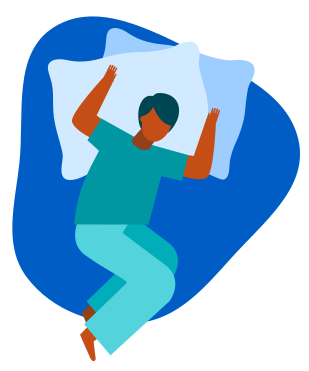
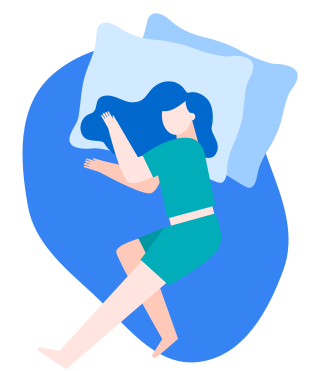
Many CPAP masks allow for side sleeping. Side sleepers often prefer nasal pillows, which tend to be more minimalist and are less likely to get knocked out of place. When choosing a mask for side sleeping, look for one with soft headgear and no buckles or clips on the side of the face.
Stomach sleeping may be the least convenient sleeping position for CPAP therapy, but it’s still possible. The best option is probably a nasal pillows mask with a top-of-head tubing design. You might also be able to use a regular nasal mask with a CPAP pillow that has cut-outs.
Sleeping without CPAP for one night won’t cause any permanent damage, but you won’t enjoy the benefits of CPAP therapy on the days when you skip it. This means you might not sleep as well, you might snore, and you may wake up feeling unrefreshed. Try to avoid skipping CPAP therapy if you have to do something important the next day, like drive or operate machinery.
If you’re worried about the logistics of using CPAP while you travel, know that there are specially made travel CPAP machines that are smaller and more portable.
Medical Disclaimer: This content is for informational purposes only and isn't a substitute for professional medical advice. Consult your healthcare provider with questions about any symptoms you're experiencing or before changing or stopping an existing treatment.

Written by
Danielle Pacheco, Contributing WriterDanielle is originally from Vancouver, BC, where she has spent many hours staring at her ceiling trying to fall asleep. She channels her frustration into researching sleep solutions and sharing insights with fellow insomniacs. Danielle spends her downtime trying out new recipes and working off the calories on the soccer field. Danielle studied the science of sleep with a degree in psychology at the University of British Columbia.

Reviewed by
Dustin Cotliar, MD, MPH, Medical ReviewerDr. Dustin Cotliar is a board-certified emergency medicine physician with more than eight years of clinical experience across emergency departments and urgent care settings. He earned his medical degree from the State University of New York (SUNY) Downstate College of Medicine and a Master of Public Health from Columbia University.