At a Glance
In order to get a CPAP machine, you typically need to start with a sleep apnea diagnosis and a prescription from a doctor, as CPAP devices are regulated medical equipment in the United States. After receiving a prescription, you can obtain a machine through a durable medical equipment (DME) supplier, online retailer, or insurance provider.
Getting a CPAP machine involves more than just choosing a device; it starts with a sleep apnea diagnosis and a prescription. Once sleep apnea has been confirmed through a sleep study, your doctor can recommend the right type of machine and pressure settings based on your breathing patterns and the severity of your symptoms.
Below, we’ll explain how to get a CPAP machine, including prescription requirements, where to shop, and which features to consider before making a decision.
Need a CPAP Prescription? Start With a Home Sleep Study
A CPAP machine requires a prescription. Sleep Doctor’s home sleep study makes it easy to get evaluated and take the first step toward treatment.
1. Talk to Your Doctor
First you'll need to talk to your doctor about your possible sleep apnea symptoms and medical history. These common signs and symptoms may indicate you have obstructive sleep apnea (OSA), the most common type of sleep apnea caused by abnormal relaxation of the airway:
- Loud snoring (typically noticed by a bed partner)
- Pauses in breathing during sleep
- Snorting, gasping, or choking while sleeping
- Excessive daytime sleepiness
- Memory problems or difficulty concentrating
- Morning headaches
- Changes to mood or libido
- Dry mouth or sore throat upon waking
Children with sleep apnea may experience bedwetting or night sweating, poor school performance or learning challenges, behavioral issues like hyperactivity (similar to ADHD), or unusual sleeping positions.
2. Get a Sleep Study
After reviewing your symptoms and health history, your doctor may recommend a sleep study — either at home or in a sleep lab — if they believe further evaluation is needed.
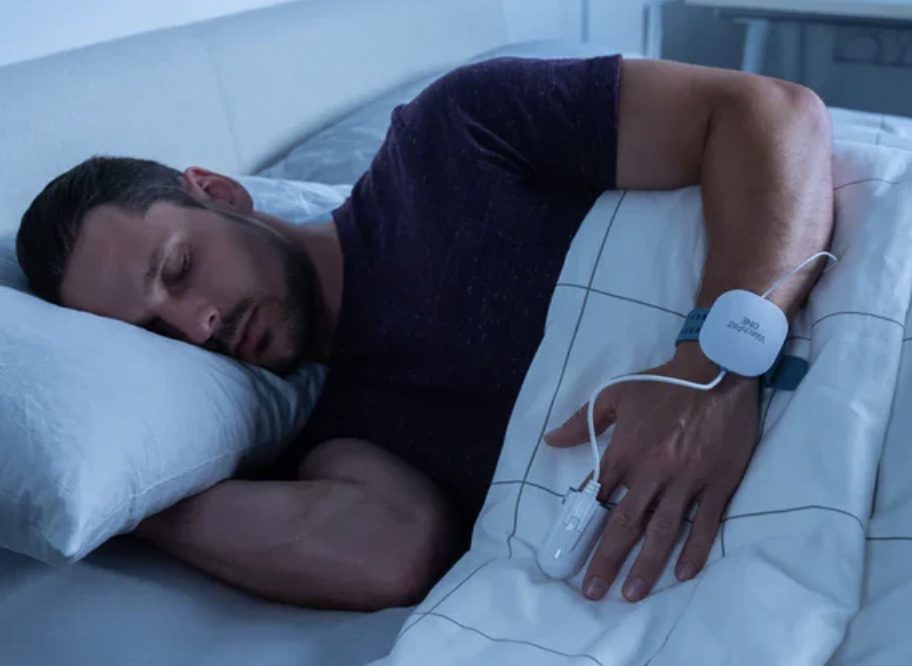
- At-home sleep study: You'll receive a portable monitoring device and follow directions to attach the sensors that collect data while you sleep (usually chest, wrist, and finger sensors to measure heart rate, blood oxygen, body position, and snoring). You'll sleep in your own bed, then return it for your doctor to analyze.
- In-lab sleep study (polysomnography): You'll go to a sleep center or hospital and get connected to the sensors. You'll sleep in a private room while the sensors collect data, which will then go to the doctor to be analyzed.
Based on your results, your doctor will determine whether you have sleep apnea and how severe it is. One of the most important measurements is the apnea-hypopnea index (AHI), which reflects how many times per hour your breathing either stops completely (apnea) or becomes partially blocked (hypopnea) during sleep. In general, sleep apnea is classified by the following criteria:
- Mild sleep apnea: an AHI of 5 to 14
- Moderate sleep apnea: an AHI of 15 to 29
- Severe sleep apnea: an AHI of 30 or higher
3. Receive a CPAP Prescription
Before you can buy a CPAP machine, you’ll need a prescription from a licensed healthcare provider. A CPAP prescription includes the information needed to ensure you receive the right equipment and therapy settings for your sleep apnea treatment. While the exact details can vary, most prescriptions include:
- Your sleep apnea diagnosis: Typically based on the results of a sleep study
- Type of PAP therapy: Such as CPAP, APAP, or BiPAP (see below for more details on the differences)
- Pressure settings: Either a fixed pressure or a pressure range for auto-adjusting machines
- Humidification instructions: Whether a heated humidifier is recommended
- Mask type: May specify a nasal, nasal pillow, or full face mask
- Length of need: Often listed as a set period or “lifetime” use
- Provider information: Including the prescribing doctor’s name and identifier (like their license number), signature, and date
4. Check With Your Insurance
Most insurance plans typically cover CPAP machines and equipment, with a diagnosis of OSA confirmed through a sleep study. Many plans initially cover CPAP machines as a rental, along with supplies like masks, hoses, and filters. And many insurers will want to see proof you are using your machine regularly to keep covering it.
If you're going through insurance, you'll need to source your machine from a durable medical equipment (DME) supplier approved by your plan. Depending on the specifics of your plan's deductible and copay, you may have upfront and out-of-pocket costs before insurance kicks in. Always verify coverage in advance to avoid any expensive surprises. We've put together a list of our recommended CPAP suppliers that take insurance.
HSAs, FSAs, and similar funds can also typically be used for CPAP costs, accessories, and repair costs as long as the machine is medically necessary and prescribed. You can also buy a CPAP machine without insurance.
Does Medicare Cover CPAP Machines?
Note that Medicare covers CPAP machines and related supplies under some conditions. You must have a diagnosis of OSA through a Medicare-approved sleep study, as well as a doctor's prescription for the device. Medicare then covers CPAP therapy for a 12-week trial period, during which you must use the machine regularly to keep your coverage. (That is, at least four hours per night on 70% of nights over 30 days in a row).
You'll also need a follow-up appointment with your doctor to confirm it's working and keep coverage going. And you have to get the machine and all supplies from a Medicare-enrolled supplier. Medicare Part B typically covers 80% of the cost after you meet your deductible; you're responsible for the remaining 20%.
Can You Buy a CPAP Machine Without Insurance?
As long as you have a prescription for your CPAP device, you can purchase a CPAP machine without using insurance. As with many insurance-related tasks, the process of approvals can feel onerous. Instead, you might choose to purchase your CPAP machine out of pocket to avoid the restrictions and delays that may come with purchasing through insurance. And if you're willing to pay out of pocket, you might find better deals online and more options.
Here’s a quick comparison of the pros and cons of buying CPAP devices with and without insurance:
| Pros | Cons | |
|---|---|---|
| With Insurance | • Significantly reduced out-of-pocket costs • Coverage for related supplies and sleep studies | • Compliance requirements • Limited selection • Requires prior authorization • Possible delays |
| Without Insurance | • More selection (from any supplier) • Deals and discounts available • No compliance requirements • Immediate ownership of the machine | • Responsible for all costs • Out-of-pocket cost for accessories, repairs, and replacements |
5. Find a Reputable Retailer
You can typically buy a CPAP online or in person at a local medical supply store. Some CPAP retailers partner with medical professionals to streamline the process from diagnosis to treatment.
Where to Buy a CPAP Machine
Here's a quick breakdown of the benefits of shopping for a CPAP machine online vs. in-store:
| Shopping Online | Shopping In-Store |
|---|---|
| • Convenience of shopping from and shipping to home • Wide selection of machines and accessories compared with brick-and-mortar stores • Competitive pricing (due to reduced overhead costs) • Access to customer reviews and ratings • Digital prescription uploadEducational resources | • Personalized assistance and demonstration • Custom fitting on siteGet your machine right away • Try options hands-on |

6. Choose the Right CPAP Machine
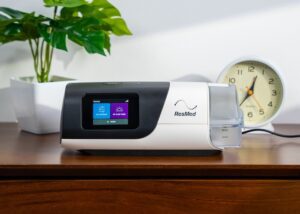
Your doctor will recommend a device that aligns with your diagnosis and prescription. First and foremost, follow your doctor or specialist's recommendations to make sure you buy a model that has the right settings to work for your prescribed treatment.
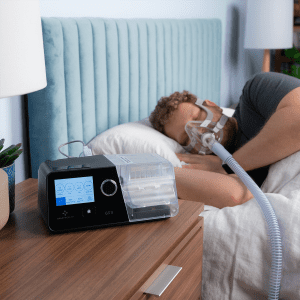
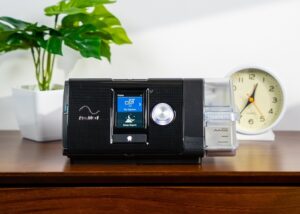
There are many choices available among CPAP machines, with three primary device types:
- CPAP (continuous positive airway pressure): Delivers fixed, constant pressure
- APAP (automatic positive airway pressure): Automatically adjusts the pressure based on your breathing
- BiPAP (bilevel positive airway pressure): Provides two pressure levels: one for inhaling and a lower one for exhaling (typically used for more complex cases)
Your doctor will recommend the type of device you need based on the results of your sleep study. Once you know what type of machine you need, you'll look for one that fits your specific needs and preferences. Here are some things to look for in a CPAP machine:
- Noise level: Quieter machines can help minimize sleep disruptions for you and your bed partner.
- Size and portability: Compact or travel-friendly machines may be easier to transport and store.
- Connectivity and app support: Some machines sync with mobile apps to track therapy data and provide coaching or reminders.
- Ease of cleaning: User-friendly water chambers and tubing connections can simplify maintenance.
- Mask compatibility: Make sure the machine works with your preferred mask type and tubing setup.
Many machines also come with smart features that track your sleep data so you and your doctor can monitor your progress.
- Ramp feature: Starts therapy at a lower pressure and gradually increases it as you fall asleep
- Expiratory pressure relief (EPR): Slightly lowers pressure when you exhale to make breathing feel more natural


7. Don't Forget Essential CPAP Supplies
The CPAP device itself is only part of the necessary equipment, and you'll need a few extra items for their CPAP therapy to work: the mask, hose, and filters.
Most insurance plans will cover CPAP masks and hoses, but they may have specific guidelines regarding how frequently you can replace them. Typically, new masks and hoses are covered every three to six months, but this can vary by plan and provider. Filters are typically covered, too, usually every one to three months.
These additional parts must all be compatible with one another — and with the machine itself. Some machines require specific masks or hoses that are designed to handle the increased pressure settings or heated air. Check with your provider or the manual to make sure everything is compatible.
CPAP Mask
The mask is the part of the CPAP system that sits right on your face, and choosing the right CPAP mask is key to a successful and comfortable therapy experience. CPAP masks come in three main styles:
- Nasal masks: This type of mask covers your nose and is a popular option for those who can breathe through their nose comfortably.
- Nasal pillow masks: These masks are smaller and cover only the nostrils. They work well for people who feel claustrophobic with larger masks.
- Full-face masks: These cover both the nose and mouth, which can be helpful for people who breathe through their mouth during sleep or have nasal congestion.
CPAP Hoses
The CPAP hose connects your machine to your mask, delivering the pressurized air that helps keep the airway open. The most common hose materials are flexible and durable, but like all parts of the CPAP system, hoses can wear out over time. A damaged hose can affect the efficiency of the air delivery, so it's important to regularly check it for cracks or leaks.
Hoses generally come in standard sizes (usually six feet long). Some newer models of CPAP machines offer heated hoses that help maintain a consistent air temperature and prevent moisture buildup. If you live in a cold or humid environment, a heated hose might be right for you.
CPAP Filters
CPAP filters are essential for making sure the air you breathe through your CPAP machine is clean and free of dust, allergens, and other irritants. Most CPAP machines come with a filter that needs to be replaced periodically, and most retailers sell packs of filters so you can stay stocked up. There are two main types of filters:
- Disposable filters: Typically made of fine mesh and need to be replaced every one to three months, depending on your usage and environment
- Reusable filters: Typically made from foam and can be washed, but they still need to be replaced periodically, generally every six to 12 months
Optional CPAP Accessories
While the mask, hose, and filters are all essential components of a CPAP machine — and are critical for effective therapy — there are some additional accessories and upgrades that can enhance the overall experience. These additional nice-to-have features include:
- Heated hoses: These help maintain a consistent temperature for the air as it travels from the machine to the mask, preventing moisture from accumulating and causing discomfort. By keeping the air warm, the hose also minimizes dryness in the throat and nasal passages, as well as preventing moisture from collecting in the tubing (known as rainout). These may not be covered by insurance or may only be covered with a required medical reason.
- Humidifiers: Many CPAP machines come with the option to add a humidifier, which adds moisture to the air that's delivered through the mask. This is helpful for people who experience dry mouth, dry nasal passages, or throat. These may be covered by insurance; some plans include the humidifier as part of the CPAP machine package, while others may require additional documentation or pre-authorization.
- Mask liners: These are soft, disposable cushions that fit between the CPAP mask and your face. They help improve the mask's seal and reduce irritation and pressure. Mask liners typically aren't covered by insurance, as they are considered a comfort accessory, but they're relatively inexpensive.
- Portable CPAP batteries: These are a must-have accessory for people who travel often or experience power outages. These batteries allow you to use your CPAP machine without relying on a wall outlet. Portable CPAP batteries are generally not covered by insurance unless you can demonstrate a medical necessity.
Frequently Asked Questions
In some cases, a CPAP machine may be available at little or no cost through health insurance, Medicare, Medicaid, veterans' benefits, or charitable assistance programs. However, most people will still be responsible for deductibles, copays, or other out-of-pocket costs like supplies. Some manufacturers, nonprofits, and CPAP suppliers also offer financial assistance programs for eligible individuals.
In most cases, a sleep study is required before a healthcare provider will prescribe a CPAP machine. The sleep study confirms whether you have sleep apnea and helps determine the severity of the condition. Depending on your situation, this evaluation may take place through an at-home sleep apnea test or an overnight sleep study in a sleep lab.
The timeline varies depending on factors such as scheduling a sleep study, obtaining a prescription, insurance approval, and equipment availability. Some people receive a CPAP machine within a few days of diagnosis, while others may wait several weeks. Purchasing a CPAP machine directly from a supplier after receiving a prescription may shorten the process.
Many insurance plans, including Medicare, cover a replacement CPAP machine every five years if the device is no longer functioning properly or has reached the end of its expected lifespan. Replacement schedules vary by insurer, so it’s important to review your specific coverage details. CPAP masks, tubing, filters, and other accessories are often eligible for replacement more frequently.
Medical Disclaimer: This content is for informational purposes only and isn't a substitute for professional medical advice. Consult your healthcare provider with questions about any symptoms you're experiencing or before changing or stopping an existing treatment.

Written by
Danielle Pacheco, Contributing WriterDanielle is originally from Vancouver, BC, where she has spent many hours staring at her ceiling trying to fall asleep. She channels her frustration into researching sleep solutions and sharing insights with fellow insomniacs. Danielle spends her downtime trying out new recipes and working off the calories on the soccer field. Danielle studied the science of sleep with a degree in psychology at the University of British Columbia.

Reviewed by
Dustin Cotliar, MD, MPH, Medical ReviewerDr. Dustin Cotliar is a board-certified emergency medicine physician with more than eight years of clinical experience across emergency departments and urgent care settings. He earned his medical degree from the State University of New York (SUNY) Downstate College of Medicine and a Master of Public Health from Columbia University.