At a Glance
Adhering to CPAP therapy for sleep apnea provides multiple protective health benefits, which is why it's important to keep using your CPAP machine even when traveling. Virtually all forms of transportation, including air travel, are possible with a CPAP machine in tow. Learning about rules and approaches to traveling with CPAP before a trip can help make travel go smoothly, without a disruption in this important treatment.
Staying consistent with CPAP therapy is immensely important, even when traveling. Studies show that people who do experience less daytime tiredness, a lower risk of car crashes, and improvements in blood pressure, quality of life, and health issues, like erectile dysfunction.
But one of our surveys found that 42% of CPAP users feel like traveling a CPAP is a hassle, and 10% would rather not travel than bring their CPAP machine with them. Feeling hesitant about traveling with CPAP is normal, but with guidance, actually bringing a CPAP machine with you is worth it.
Below, we’ll explain what you need to know about how to travel with CPAP, as well as strategies for making your travel feel easy and go smoothly.
Make Traveling With CPAP Simple
Shop travel-friendly CPAP machines from Sleep Doctor, so you can pack lighter and sleep better on every trip.
Can You Travel With a CPAP Machine?
Yes, whether you’re traveling by air, land, or water, you can travel with a CPAP machine. What’s more, physicians say that you should travel with your CPAP in order to prevent a return of symptoms.
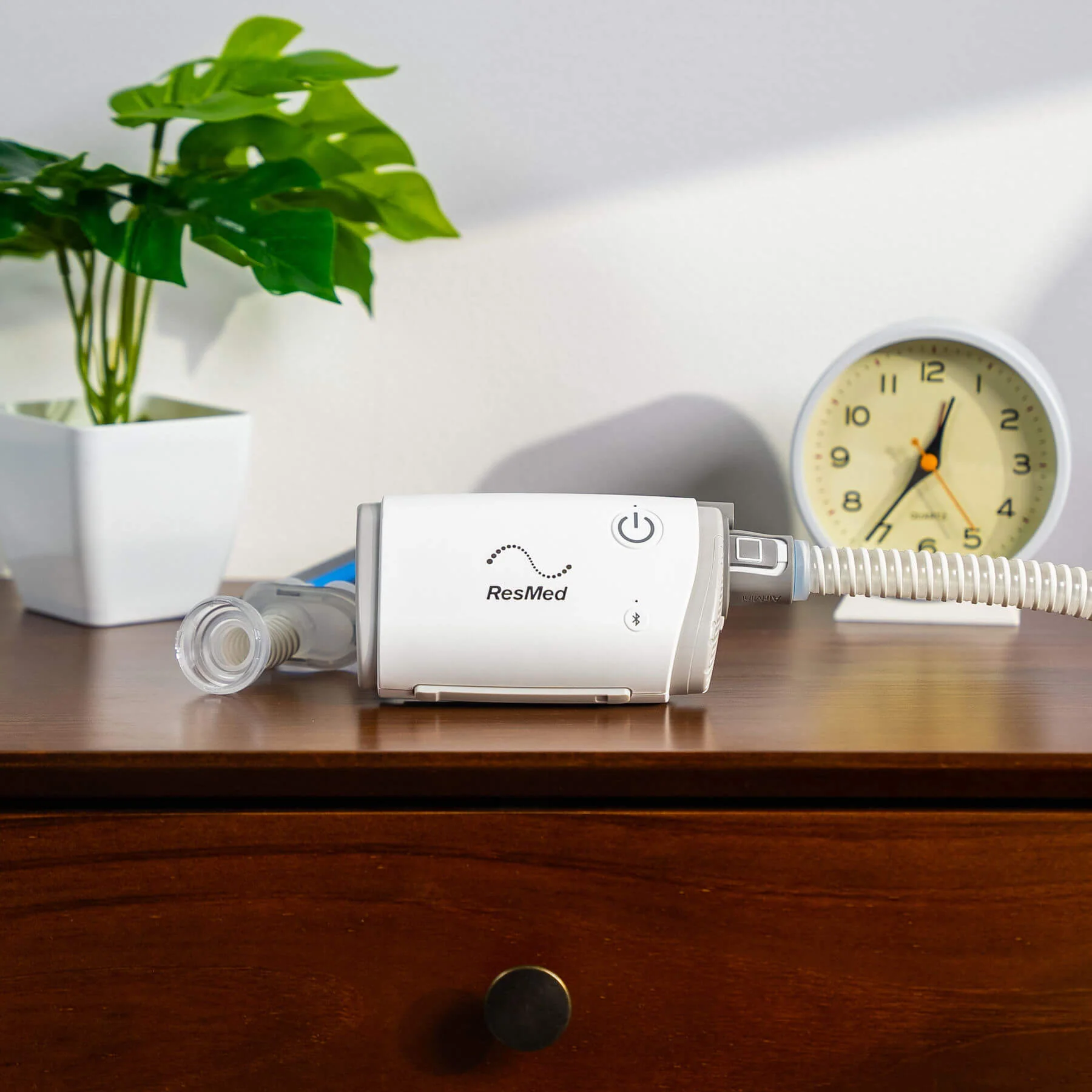
In the U.S., airlines are legally required to allow you to bring your CPAP machine on a plane at no charge and without it counting toward your carry-on or checked baggage limit. Most forms of travel and lodging are CPAP-friendly or can be made so through the use of items like a travel CPAP machine and battery pack.
How to Pack Your CPAP for Travel
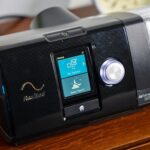
An important part of packing your CPAP machine for travel is bringing all of the parts and accessories needed to use your device for the entirety of your trip. These tend to include:
- CPAP machine
- Water tub (if applicable)
- CPAP mask and any related parts, like cushion, frame, headgear, and strap
- Tubing
- Power supply cord
- Air filter(s)
- Carrying case
- A clear plastic bag (optional, for flying)
- Electrical adaptor (optional, for international travel)
- Battery power source (optional, for stays without a power source)
When traveling, people often store their CPAP machine and accessories in the bag that came with the device. There are also special travel bags that can be purchased separately. A CPAP bag for travel should contain enough space for the machine, power supply, and all related accessories.
When bringing a water tub, be sure to empty it and let it dry first before placing it in the bag. Consider bringing more supplies than you need, such as extra air filters and mask parts, in case yours become damaged or your trip time is extended. Relatedly, bringing a copy of your prescription can be helpful in some cases, as it may allow you to purchase more CPAP supplies during your trip, if needed.
If your CPAP machine has humidification, you’ll need distilled water to use it. Generally, you can’t bring this water on a plane, but you would be able to bring it with you in checked luggage or on other forms of transportation, if space permits. When traveling without distilled water, be sure to consider in advance how to buy some the day you arrive at your destination, so you can begin using your device immediately.
Traveling With CPAP on a Plane
Make sure your CPAP travel case is easy to access when you arrive at the airport. If you've put your CPAP bag inside another bag or a suitcase, you’ll likely have to remove it during screening, unless you have TSA PreCheck. Generally, CPAP machines can stay inside their carrying cases as they go through the X-ray screening, but you may want to bring a clear plastic bag for hygiene reasons, just in case you're asked to remove items from the case.
Once you're on the airplane, you can stow your CPAP machine in its bag beneath the seat in front of yours, in an overhead bin, or in another designated area the airline staff suggests. As long as your CPAP bag contains only the CPAP machine and accessories, it will not count as your carry-on, personal item, or bag. If you have personal items mixed in with your CPAP machine and accessories, however, the airline can count the case as a checked bag or carry-on.
With nearly all airlines, you can use your CPAP machine on flights, but to do so may require planning. While some airlines have power outlets you can use, you might not know in advance if you'll be seated by one. Also, not all airlines offer power outlets, so you may need a separate battery pack in order for you to use your machine in the air. If you don't plan on using your CPAP machine during your flight, multiple airlines reserve the right to have you check your CPAP bag with other checked luggage if there isn’t enough room onboard.


Traveling With CPAP by Car
Traveling with CPAP by car is generally easier than traveling on a plane, as you don't have to worry about adhering to any rules or going through airport security. That said, there are a few things to keep in mind. You want to keep the device accessible, which may mean placing it near your feet or putting it in the trunk or backseat last, so it isn't blocked by luggage or other items.
If you plan on using your CPAP machine in a vehicle, either on pit stops or while someone else is driving, you'll need to figure out how to power the machine while on the road and away from power outlets. Often, people opt to purchase a special CPAP battery pack for situations like these. You can also explore DC adaptors that allow you to charge your battery pack in a vehicle, using the power generated by the vehicle.
Camping With a CPAP
When camping with a CPAP, you'll either need to bring enough CPAP battery packs to power your machine for the duration of the camping trip or find a place to recharge a single CPAP battery pack each day. If you’ll be driving during the day, DC adaptors allow you to charge your battery pack on your drives. Some campgrounds may also have bathrooms or recreation areas with outlets you could use to charge your battery.
If you’re wilderness camping, you likely won't have access to an outlet, so you may need to bring multiple battery packs, depending on how long the trip will be. Many people like to pack light while wilderness camping, so a smaller, travel CPAP device may be preferred in this situation. Some travel CPAP machines come with waterless humidification options, allowing you to receive the benefits of humidification without needing to lug around a gallon of distilled water.
Traveling Internationally With CPAP
When traveling internationally, it's important to research airline regulations in the countries you'll be visiting, as well as voltage differences. You may want to bring your CPAP prescription and any other related documentation you have, in case you face an unexpected security screening or encounter a language barrier at the border or airport and struggle to describe your device in the native language.
Voltage differences may require you purchase an electrical adaptor, so your CPAP device can be powered by outlets in the country you're visiting. Consider reaching out to both your CPAP machine's manufacturer and the owners of the place you'll be staying to ensure you fully understand the electrical supply situation and can plan and prepare accordingly.
Frequently Asked Questions
Yes, you can take your CPAP machine and accessories on most planes. All planes flying into and out of the U.S. are required to allow CPAP machines onboard at no cost and without counting them toward a passenger's bag limit.
Yes, you can use your CPAP machine on most planes. However, you'll want to contact the airline in advance to talk about details, such as whether you'll be able to access an electrical outlet.
If a CPAP machine is in a case with nothing other than CPAP accessories, it doesn’t count as a carry-on. However, if there are personal items in the CPAP case, or the CPAP case is inside of another bag, then the bag counts as a carry-on or personal item.
Unless you have TSA PreCheck, you’ll likely need to take your CPAP case out of your carry-on when going through airport security. But, you’ll also likely be able to keep the machine itself inside its case as it goes through the X-ray machine. You may want to bring a clear plastic bag in case TSA wants to do a closer inspection and asks you to remove CPAP items from the case.
Most people purchase distilled water at their destination, rather than traveling with it. A travel CPAP machine with waterless humidification is also an option that allows you to avoid having to purchase water. That said, you should be able to bring distilled water through airport security as a medically required liquid, if you need to use it on a flight. The liquid must be properly labeled and may be subject to additional screening by the TSA.
Medical Disclaimer: This content is for informational purposes only and isn't a substitute for professional medical advice. Consult your healthcare provider with questions about any symptoms you're experiencing or before changing or stopping an existing treatment.

Written by
Jay Summer, NBC-HWC, Contributing WriterJay Vera Summer is a writer, editor, and wellness coach. She holds a Bachelor's of Science in psychology and Master's degrees in both writing and public policy. As a wellness coach, she's certified by the Mayo Clinic and the National Board for Health and Wellness Coaching (NBHWC). She's been writing about sleep and other health topics for six years. Previously, she taught undergraduate writing courses for five years at the University of South Florida.

Reviewed by
Dustin Cotliar, MD, MPH, Medical ReviewerDr. Dustin Cotliar is a board-certified emergency medicine physician with more than eight years of clinical experience across emergency departments and urgent care settings. He earned his medical degree from the State University of New York (SUNY) Downstate College of Medicine and a Master of Public Health from Columbia University.