Waking up with a dry mouth or feeling like your CPAP isn’t working properly can often be traced back to mouth breathing. When you sleep with your mouth open, pressurized air can escape, reducing the effectiveness of therapy and leading to discomfort.
CPAP chin straps are designed to gently support the jaw and help keep the mouth closed, which can improve airflow and make therapy more consistent. In this guide, we’ll highlight the best CPAP chin straps, explain how they work, and help you choose the right option for your needs.
Our Top Picks
Best Overall
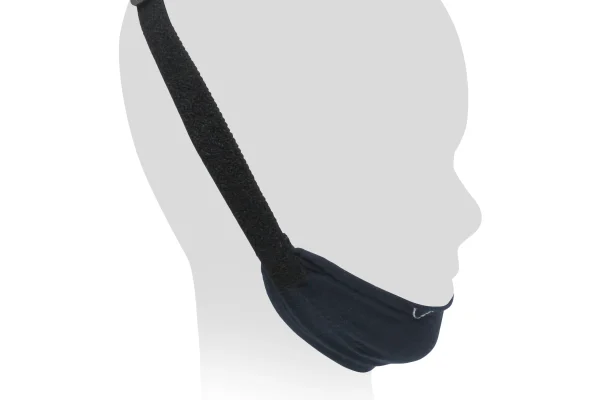
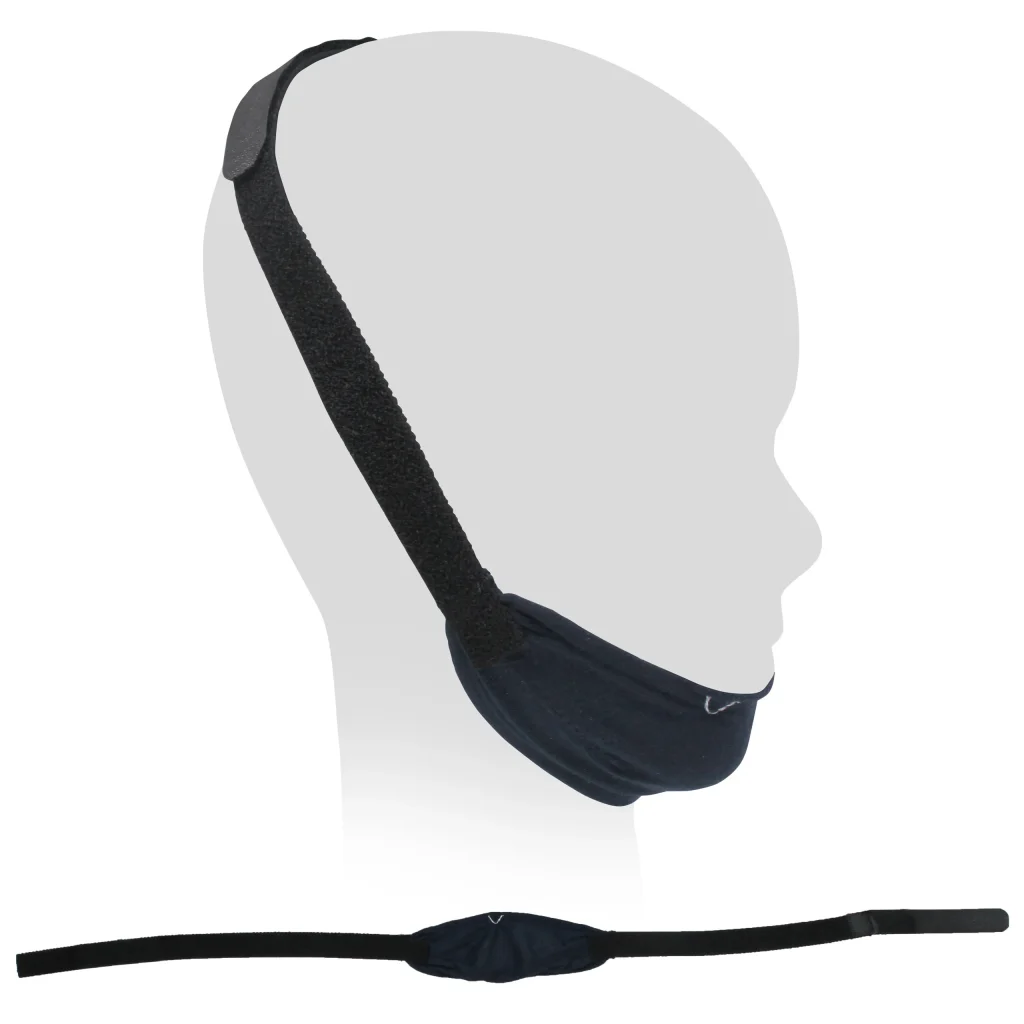
Sunset Comfort Chin Strap
Ideal For
- People looking for a soft, comfortable chin strap
- Sleepers wanting a minimalist strap without complicated features
- CPAP users with a latex allergy
Who Should Keep Looking
- People who use a full-face CPAP mask
- Individuals looking for a looser strap (ex. people with a full beard)
- Shoppers who want to choose from multiple size options
-
Price
$13
-
Color
Black
-
Size
Adjustable
-
Material
Velcro, cotton, and spandex
The Sunset Comfort Chin Strap is a budget-friendly and comfortable option. Featuring only a chin cup and side straps, this straightforward accessory is easy to use. It attaches at the top of the head, without additional behind-the-head support straps like many competing models.
This latex-free chin strap uses cotton, spandex, and Velcro. The stretchy spandex and adjustable Velcro closure enable a comfortable fit for the majority of CPAP users.
Although this model is simple and flexible, it may feel too tight for some people, especially those who want a chin strap with more tailored size options.
Use this SleepApnea.org link for the most current discount on the Sunset Comfort Chin Strap
Shop NowBest Fit
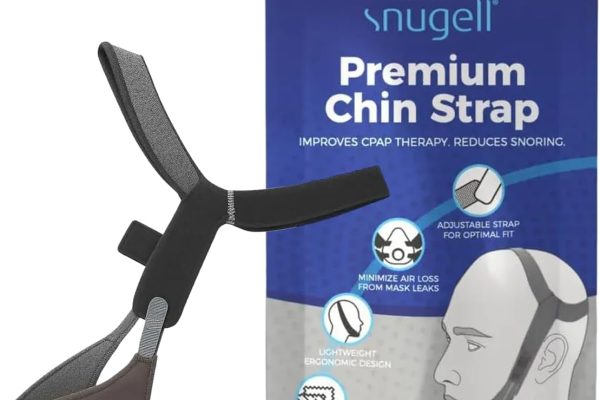
Snugell Premium Chin Strap

Ideal For
- People seeking a lightweight chin strap
- Those who want adjustable side straps for optimal fit
- Shoppers looking for a chin strap made with soft fabric
Who Should Keep Looking
- Sleepers who want a low-profile chin strap
- People looking for a more pillowy chin cup
- Shoppers with facial hair or sensitive skin
-
Price
$16
-
Color
Black
-
Size
Adjustable
-
Material
Velcro and fabric
Snugell’s Premium Chin Strap features an easy-to-use design with lightweight, breathable fabric. Some sleepers find chin straps with adjustments on top of the head to be difficult to manage, but this strap includes Velcro strips on the sides for simple, intuitive size modifications.
While the side straps make this model more adjustable, they also create more contact points with the face, which may be bothersome for some people with facial hair or sensitive skin. The chin cup is soft but not especially padded, which may not be ideal for people who want a deeper or more pillow-like chin cup.
Use this SleepApnea.org link for the most current discount on the Snugell Premium Chin Strap
Shop NowCompare the Best CPAP Chin Straps
| Sunset Comfort Chin Strap | Snugell Premium Chin Strap | |
|---|---|---|
| Price | $13 | $16 |
| Color(s) | Black | Black |
| Size | Adjustable | Adjustable |
| Material | Velcro, cotton, and spandex | Velcro and fabric |
How We Test and Review CPAP Chin Straps
Our product research team has extensive knowledge of sleep apnea treatments and how to get the best results from CPAP therapy. We take a close look at accessories like CPAP chin straps, combining insights from verified customer reviews, product specifications, and clinical considerations to identify options that can meaningfully improve comfort and performance.
We also factor in brand reputation, durability, and consistency in user feedback to highlight products that deliver reliable results. Learn more in our Editorial Policy.
How to Know if You Need a CPAP Chin Strap
A CPAP chin strap holds your mouth closed during sleep, which allows pressurized air from the CPAP machine to be more effectively delivered into your upper airway through your nose. A chin strap is designed to limit mouth breathing and can help prevent dry mouth, which is a common side effect of CPAP therapy.
| Ideal For: | Who Should Keep Looking: |
|---|---|
|
|
Types of CPAP Masks That Work Best With a Chin Strap
CPAP chin straps are designed to be used with masks that deliver pressurized air to the nose. This includes traditional nasal CPAP masks, which cover the nose, and nasal pillow masks, which sit just below the nose and have silicone buds that are inserted just inside the nostrils.
CPAP Nasal Mask
Nasal CPAP masks extend from the area just beneath the nostrils to the bridge of the nose, often in a triangular shape. The mask, held in place by a frame and adjustable head straps, creates a seal around the nose to deliver the user’s prescribed air pressure level.
Nasal Pillow Mask
Nasal pillow masks create a seal around your nostrils with a cushioned cradle that sits under the nose and silicone nose buds that fit into the opening of the nostrils.
Can You Wear a Chin Strap With a Full-Face CPAP Mask?
It's neither recommended nor necessary to use a chin strap with a full-face CPAP mask. Chin straps close the jaw to encourage nasal breathing for individuals using a nasal or nasal pillow mask. Full-face masks, on the other hand, cover both the nose and mouth to account for both types of breathing.
Benefits of Using a CPAP Chin Strap
While it’s a simple accessory, a CPAP chin strap can make a big difference in both comfort and effectiveness for many CPAP users, especially those who use a nasal or nasal pillow mask.
- Reduces mouth leaks: One of the most common issues with CPAP therapy is air escaping through the mouth. A chin strap helps keep the jaw closed, preventing leaks that can lower air pressure and reduce the therapy’s effectiveness.
- Helps prevent dry mouth: Mouth breathing during CPAP use often leads to dryness or a sore throat. By encouraging nasal breathing, a chin strap helps maintain better moisture levels and keeps your airways more comfortable through the night.
- May reduce snoring: For some people, keeping the mouth closed during sleep also helps decrease snoring by promoting nasal breathing and improving airway stability.
How to Choose a CPAP Chin Strap
Choosing a CPAP mask and chin strap for CPAP therapy involves considerations such as price, brand reputation, materials, fit, and comfort. While chin straps are only one component of your CPAP setup, finding the right one can provide a significant boost to your nightly sleep.
| Price | Chin straps usually cost $10 to $35, depending on the quality of materials used and overall design. When evaluating your options, it is best to look for materials that will minimize skin irritation and a design that can effectively hold your mouth closed without being too tight. |
| Mask Compatibility | Not all chin straps work well with every CPAP mask; most are designed to work with nasal or nasal pillow masks. If you use a full-face mask, a chin strap may not be necessary, and in some cases, it can interfere with the mask’s fit or headgear. |
| Brand Reputation | Not all brands of chin straps are interchangeable. Look at a manufacturer’s reviews before purchasing to identify potential red flags. You should also consider how customer-friendly their return policies are to ensure they stand behind their products. |
| Size & Fit | A poorly fitted chin strap can cause skin irritation and may not adequately prevent mouth breathing, snoring, or dry mouth. Before purchasing, decide if you should buy a one-size-fits-all strap or one based on head and neck size. Other issues that can affect the fit of a chin strap include hair length, facial hair, and the profile of the frame and headgear required for the CPAP mask itself. |
| Comfort & Feel | Finding a soft, breathable chin strap can improve comfort and help avoid irritation and pressure on your face. Also look for any rough stitching or other aspects of a chin strap’s design that might be abrasive against your face. |
| Sleep Position | Side sleepers or those who often toss and turn may benefit from adjustable straps that connect at the top of the head rather than straps on the side of the head that may be inadvertently moved when sleeping. |
| Quality Materials | All chin straps will eventually need to be replaced, but finding one with durable fabric can be a good option for long-term use. Both polyester and cotton straps are easy to clean and offer a lightweight profile. Cotton is especially breathable and may have a softer feel. |
Never Run Out of CPAP Supplies and Save 15%
Shop CPAP supplies from Sleep Doctor and get masks, filters, and tubing at 15% off with Subscribe & Save.
How to Get a CPAP Chin Strap
Buying a CPAP chin strap is typically simpler than purchasing a CPAP machine or mask, but there are still a few things to consider. Compatibility with your mask, comfort, sizing, and whether insurance coverage is available can all influence where and how you buy a chin strap.
Do You Need a Prescription for a CPAP Chin Strap?
You don't need a prescription to purchase a CPAP chin strap. Because chin straps are replaceable accessories, anyone can purchase one. However, a prescription is required to obtain a CPAP machine and a complete CPAP mask setup.
Will Insurance or Medicare Cover a CPAP Chin Strap?
Health insurance may cover all or part of the costs associated with using a CPAP machine, including necessary accessories. Because a chin strap can help troubleshoot common CPAP problems, it may be included in your health plan’s coverage.
Medicare, for example, typically covers the majority of CPAP-related costs after you have met your deductible and allows for replacement of a CPAP chin strap every six months.
If you have private insurance, it's best to contact your provider directly. If needed, your doctor may be able to provide documentation for why you need a chin strap.
Where Can You Buy a CPAP Chin Strap?
CPAP supplies, including chin straps, can be purchased in both physical stores and online. Online retailers such as Amazon or web-based medical device companies offer a wide range of product options, which makes for one-stop shopping. However, some people may prefer to get a closer look at a chin strap in a brick-and-mortar store.
How to Wear a Chin Strap With Your CPAP Mask
While designs vary slightly, most chin straps are worn under your mask and around your head, gently supporting the jaw to keep your mouth closed during sleep.
Start by placing the chin cup under your chin, then pull the straps up and over your head. Adjust the straps so the fit is secure but not tight — your jaw should feel supported, not forced shut. It’s especially important that the chin strap doesn’t shift the lower jaw backward, as this worsens breathing.
Once the chin strap is in place, put on your CPAP mask and check for a proper seal. You may need to make small adjustments to both the strap and mask to ensure they work comfortably together.
It can take a few nights to get used to wearing a chin strap, so consider testing the fit while you’re awake. If you experience discomfort, pressure, or persistent leaks, try adjusting the tension or exploring a different style for a better fit.
How Do You Wear Your Hair With a CPAP Chin Strap and Mask?
Depending on your hair style, you may find that a CPAP mask or chin strap can pull or tangle your hair or that your hair causes straps to slip out of place. If you have long hair, tying it into a comfortable ponytail or wearing a hair wrap to bed may help limit these issues.
Frequently Asked Questions
In most cases, you should hand-wash your CPAP chin strap with mild soap and warm water once per week as part of your regular CPAP cleaning routine. However, check for instructions from the manufacturer about how to clean the specific chin strap that you are using.
Avoid placing it in a washing machine or dishwasher unless the manufacturer indicates it is safe to do so. Allow the chin strap to air dry completely before using it again. Do not use any abrasive chemicals like bleach, which may cause damage to the strap or contribute to facial irritation.
Most CPAP chin straps should be replaced every six months, or sooner if you notice signs of wear. Over time, the fabric and elastic can stretch out, reducing tension and effectiveness. If your strap no longer fits snugly, slips off during the night, or starts to irritate your skin, it’s time for a replacement.
Regular cleaning and gentle handling can help extend its lifespan, but frequent use and washing naturally break down the materials over time.
For people with facial hair, look for a chin strap made of soft, adjustable materials that don’t snag or pull. Wide, smooth straps with minimal Velcro are often more comfortable and provide a better seal without causing irritation.
Some users with beards prefer neoprene or spandex-blend straps, which stretch evenly and stay in place on top of facial hair. Because fit can vary by face shape and beard thickness, it may take some trial and error to find the most secure and comfortable option.
A chin strap cannot replace CPAP therapy and should not be used without a CPAP machine. Research has found that a chin strap alone does not reduce snoring or sleep apnea symptoms even in people with only mild obstructive sleep apnea. Instead, chin straps are meant to complement CPAP therapy by keeping the jaw closed and preventing air leaks when using a nasal or nasal pillow CPAP mask.
You may be able to use CPAP without a chin strap, depending on what’s causing you to breathe through your mouth. Talk to your doctor about switching to a full-face mask or addressing nasal congestion or obstruction. Your doctor may also recommend adjusting your CPAP pressure settings.
Medical Disclaimer: This content is for informational purposes only and isn't a substitute for professional medical advice. Consult your healthcare provider with questions about any symptoms you're experiencing or before changing or stopping an existing treatment.

Written by
Audra Sarver, MHS, PA-C, Contributing WriterAudra is a licensed, certified physician assistant and freelance health writer. She has specialized in psychiatry since completing her clinical training in 2018. Her passion for writing was born from the desire to make complex medical information more accessible and understandable to patients and their loved ones. Audra likes to write about all things related to behavioral health and physical wellness.

Reviewed by
Brandon R. Peters, MD, FAASM, Medical ReviewerDr. Brandon R. Peters is a board-certified neurologist and sleep medicine physician who specializes in diagnosing and treating sleep disorders, including insomnia, obstructive sleep apnea, circadian rhythm disorders, and narcolepsy. He is a Fellow of the American Academy of Sleep Medicine and currently practices at Virginia Mason Franciscan Health in Seattle.