At a Glance
Obesity hypoventilation syndrome (OHS), formerly known as Pickwickian syndrome, is a serious breathing disorder that affects some people with obesity. The condition causes breathing to become too slow or shallow, leading to low oxygen levels and a buildup of carbon dioxide in the blood.
For some people with obesity, breathing can become too shallow during sleep, making it harder for the body to get enough oxygen. This condition, known as obesity hypoventilation syndrome (OHS), can lead to low oxygen levels, a buildup of carbon dioxide in the blood, and poor sleep quality. Many people with OHS also have obstructive sleep apnea (OSA), though the two conditions aren't exactly the same.
Without treatment, obesity hypoventilation syndrome can increase the risk of serious complications, including heart and lung problems. Fortunately, treatment can help improve breathing and overall health. Below, we’ll explain the symptoms, causes, diagnosis, and treatment options for obesity hypoventilation syndrome.
Is It Sleep Apnea? Find Out for as Low as $0
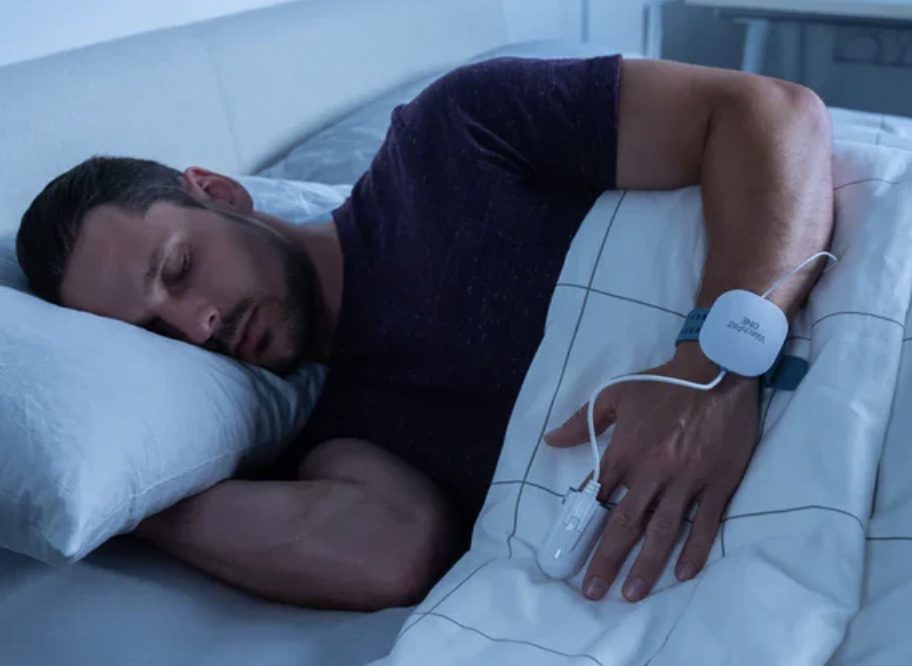
Some breathing issues are connected to sleep apnea. Sleep Doctor’s home sleep study helps you get clear answers and may be covered by your insurance.
What Is Obesity Hypoventilation Syndrome?
Obesity hypoventilation syndrome (OHS) is a breathing disorder that affects some people with obesity, affecting about one in 10 people with a BMI between 30 and 35 and half of people with a BMI greater than 50. The condition causes breathing to become too slow or shallow, especially during sleep, which can lead to low oxygen levels and a buildup of carbon dioxide in the blood.
OHS was once commonly referred to as “Pickwickian syndrome,” a name inspired by a character in a Charles Dickens novel. Today, healthcare professionals use the term obesity hypoventilation syndrome because it more accurately describes the condition and its effects on breathing.
Obesity Hypoventilation Syndrome vs. Obstructive Sleep Apnea
About 90% of people with OHS also have obstructive sleep apnea (OSA), which in many cases is severe. However, OHS is distinct from OSA in that it causes poor breathing while a person is awake, leading to low oxygen levels and high carbon dioxide levels during the day as well as at night.
Most people diagnosed with OHS are in their 50s or 60s, and unlike sleep apnea, which more commonly affects men and people assigned male at birth, OHS appears to have similar prevalence in both sexes.
Symptoms of Obesity Hypoventilation Syndrome
People with obesity hypoventilation syndrome experience a variety of symptoms, which usually result from sleep disruptions, low oxygen levels, and high carbon dioxide levels:
- Poor quality sleep
- Headache
- Daytime sleepiness or fatigue
- Depression
- Shortness of breath
- Bluish fingers, toes, or lips
- Flushed skin
People with advanced OHS may also have signs and symptoms that indicate heart or lung damage, including:
- Swelling in the feet or legs
- Puffiness in the face
- Difficulty getting enough air during exertion
- Feeling tired after low-effort activities
- An enlarged liver
- Elevated blood pressure in the jugular vein
Causes of Obesity Hypoventilation Syndrome
The causes of obesity hypoventilation syndrome aren't fully understood, but experts believe several factors may contribute to its development.
- Body composition: Excess weight surrounding the abdomen can make it harder to draw in a sufficiently deep breath. Additionally, bodies with more surface area produce more carbon dioxide.
- Limited respiratory muscle strength: Breathing requires extra work for people with obesity, and those with reduced strength and endurance in their breathing muscles may be more likely to develop OHS.
- Breathing mechanics: People with obesity often experience a mismatch between the amount of air flowing into their lungs and the amount of blood circulating to the lungs. Because of low airflow and high blood flow, the necessary exchange of gasses doesn't occur, leading to low oxygen levels and a buildup of carbon dioxide in the blood.
- Sleep-disordered breathing: Not only do people with both OHS and OSA have pauses in breathing while they sleep, but they also experience slow or shallow breathing between these events. This makes it difficult for their bodies to effectively eliminate the carbon dioxide that builds up during breathing disruptions.
- Suppressed respiratory drive: People with obesity may develop a resistance to leptin, a hormone created by body fat that stimulates breathing. As a result, the natural drive to breathe may not be as strong in these individuals.
Diagnosing Obesity Hypoventilation Syndrome
If you think you might have OHS, it’s important to see a medical professional. Your doctor will likely ask questions about your symptoms and perform a physical examination to look for signs of OHS. If there's reason to believe you may have OHS, your doctor will order one or more blood tests to measure the carbon dioxide in your blood .
Further testing will likely be necessary if you have high levels of carbon dioxide in your blood. Many other conditions can cause the body’s carbon dioxide levels to rise, such as chronic obstructive pulmonary disease (COPD) and hypothyroidism, and these must be ruled out before a diagnosis of OHS can be given. Additional tests may include:
- Blood tests
- Lung function tests
- X-rays
If you receive an OHS diagnosis and haven't already been diagnosed with obstructive sleep apnea or sleep-disordered breathing, your doctor may also order an overnight sleep study. This will help your doctor determine how best to treat your OHS.
Treatment for Obesity Hypoventilation Syndrome
Untreated OHS can lead to respiratory failure, heart problems, and even death, but treatment, especially early in the course of the condition, can reverse symptoms and improve outcomes. The treatments for OHS target both its causes and its symptoms.
- Positive airway pressure (PAP) therapy: A first-line treatment for OHS, PAP therapy uses pressurized air to keep the airway open during sleep. Depending on whether or not you have OSA, your doctor may prescribe CPAP or BiPAP therapy.
- Lifestyle changes: Experts recommend that, to whatever extent possible, people with OHS adapt their lifestyles to facilitate weight loss.
- Bariatric surgery: Because exercise may be difficult for people with OHS, and sustained weight loss due to lifestyle changes alone isn't always possible, bariatric surgery may be recommended for some people with OHS.
- Tracheostomy: In rare cases, doctors may recommend a patient with OHS receive a tracheostomy. This surgical procedure creates an opening in the throat that allows the person to breathe through a tube.
Frequently Asked Questions
Yes. Obesity hypoventilation syndrome (OHS) is often linked to disrupted sleep and low oxygen levels, which may contribute to nocturia, or frequent urination during the night. Many people with OHS also have obstructive sleep apnea, a condition that's commonly associated with nighttime urination.
Obesity hypoventilation syndrome can often be improved — and sometimes resolved — with proper treatment. Weight loss is one of the most effective long-term treatments, while therapies like CPAP or BiPAP can help improve breathing and oxygen levels during sleep. Early diagnosis and consistent treatment can significantly reduce symptoms and lower the risk of complications.
Obesity hypoventilation syndrome is most commonly associated with excess body fat and obesity, not increased muscle mass alone. Weight lifters with a high body mass index (BMI) due primarily to muscle generally aren't considered at the same risk for OHS, unless they also have excess body fat or other underlying risk factors that affect breathing and sleep.
Medical Disclaimer: This content is for informational purposes only and isn't a substitute for professional medical advice. Consult your healthcare provider with questions about any symptoms you're experiencing or before changing or stopping an existing treatment.

Written by
Tochukwu Ikpeze, MD, Contributing WriterTochukwu grew up in New York and has a passion for creative and scientific writing. Tochukwu holds an undergraduate degree in Biology and Psychology, a Master’s degree in Biomedical Science, and a Medical Degree as well. In his free time, Tochukwu enjoys reading, learning, exploring various topics pertaining to the human condition and conveying that information to the public through writing.
Reviewed by
Gerard J. Meskill, MD, FAASM, Medical ReviewerDr. Gerard J. Meskill is a neurologist and sleep medicine physician specializing in the diagnosis and treatment of sleep disorders, including narcolepsy, obstructive sleep apnea, and insomnia. He is board-certified in both neurology and sleep medicine and has extensive experience helping patients manage complex sleep conditions and disorders of excessive daytime sleepiness.