At a Glance
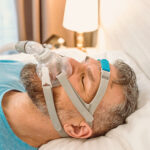
In most cases, CPAP rainout itself isn’t dangerous, but the excess moisture it leaves behind can lead to germ growth. There are a number of simple ways to prevent CPAP rainout, including adjusting humidifier settings, switching to heated tubing, and making changes to your bedroom temperature.
If you’ve noticed water collecting in your CPAP mask or tubing, you may be experiencing “rainout,” a common issue that’s usually harmless but can affect comfort and sleep quality. While it’s not typically a safety concern, excess moisture can disrupt sleep, create noise, and make it harder to maintain a proper mask seal.
Some users may also experience nasal irritation, dry throat, or frequent awakenings due to the discomfort caused by excessive condensation. In this article, we’ll explain what causes CPAP rainout and how to prevent it.

Stop CPAP Rainout Before It Starts
Shop heated CPAP tubing from Sleep Doctor and get 15% off with Subscribe & Save.
What Is CPAP Rainout?
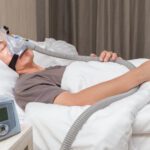
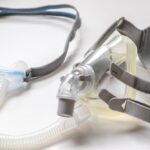
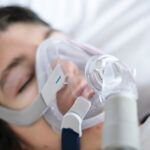
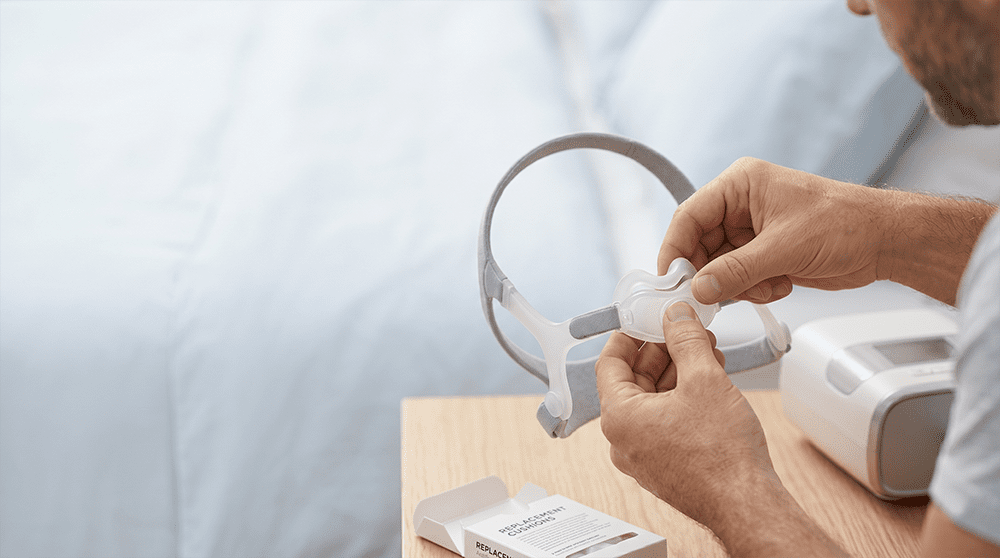
CPAP rainout can occur when heated air moves from your humidifier and into tubing that cools the air and turns it into water. Rainout can deposit enough droplets of water in your tubing and mask that it leaves you with a damp or wet face.
It can also cause a distracting gurgling noise. In more severe cases, pooled water inside the tubing may briefly interrupt airflow or force users to remove their mask during the night, reducing the effectiveness of CPAP.
What Causes CPAP Rainout?
Rainout happens when there’s a change in air temperature between the CPAP machine’s humidifier and the connected tubing. The air leaves the humidifier warmed up, and if it travels through tubing that’s not heated to the same temperature, it causes the moisture to condense into water droplets. Ultimately, rainout is caused by your machine’s humidifier and tubing having two different temperatures.
Certain factors can increase the likelihood of rainout, including:
- Sleeping in a cold bedroom
- Using high humidity settings
- Using non-heated tubing
- Positioning the CPAP machine above head level
- Poor insulation around the hose or tubing
Is CPAP Rainout Dangerous?
CPAP rainout isn’t typically dangerous, though it can certainly be annoying. In most cases, the amount of water that condenses is enough to leave your face wet, but not enough to harm your breathing passages. If you wake up damp or with excess water in your CPAP tubing or within your mask, it’s not cause for alarm.
However, CPAP rainout can cause long-term machine issues. Too much water can lead to components breaking down quickly, and leftover condensation creates a perfect breeding ground for germs and bacteria, especially if equipment doesn’t get cleaned regularly.
While small amounts of condensation are harmless, significant water buildup should be addressed promptly to avoid accidental water exposure to the machine’s motor.
How Do You Prevent CPAP Rainout?
There are a few effective ways to troubleshoot and prevent CPAP rainout.
- Lower humidity setting: Try switching up your humidifier settings. Most machines allow you to increase or decrease humidity settings. If you’re noticing excess water, you may be able to fix it by simply lowering the pressurized air’s moisture content.
- Use heated tubing: One of the most effective ways to prevent CPAP rainout is to introduce heated tubing. You can adjust the tubing temperature so that it’s the same as the humidifier’s setting, which keeps the air at a consistent temperature and prevents the moisture from condensing into water. Heated tubing is beneficial who users who rely on higher humidity settings to relieve nasal dryness or congestion.
- Raise room temperature slightly: Sometimes, the issue is environmental. If you sleep in a very cold room, the shock of the temperature difference between the room and the warmed air can cause water droplets to form inside CPAP tubing. Increasing the ambient temperature of your bedroom by just a few degrees can help.
- Hose covers: CPAP manufacturers make hose covers that insulate your CPAP hose and tubing, which prevents it from getting too cold. This may be especially helpful for people who like to sleep in a cold room. Even a small increase in room temperature may significantly reduce condensation.
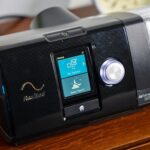
- CPAP machines with climate control: Some CPAP machines, especially those with built-in humidifiers, have climate control options that let you choose the temperature and humidity of both your humidifier and heated tubing. If you struggle consistently with rainout, it may be worthwhile to invest in a CPAP machine with climate features.
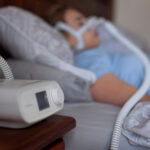
- Position the CPAP machine lower than your bed: Placing your CPAP machine slightly below head level can help prevent condensation from draining into your mask. This positioning encourages water droplets to flow back toward the humidifier chamber instead of pooling in the tubing near your face.
- Clean and dry equipment regularly: Routine cleaning is essential for preventing bacteria, mold, and mineral buildup caused by lingering moisture. Empty the humidifier chamber daily, allow tubing to dry completely, and follow the manufacturer’s cleaning recommendations for all CPAP accessories.


Frequently Asked Questions
Most likely, there’s water in your CPAP hose because the hose is colder than the air that’s coming out of your CPAP machine’s humidifier. This issue called rainout is common, and it can happen when you use an unheated CPAP hose along with high humidity levels. Adjusting your humidifier settings or using heated tubing can help prevent this.
Water buildup may also happen if room temperature drops significantly overnight or if condensation accumulates faster than it can evaporate.
There are a few reasons your CPAP mask could be leaking water. The two most likely are a bad connection and CPAP rainout. If your mask, CPAP hose, or machine aren’t connected correctly to one another, air can leak in and cause condensation to form. Likewise, a difference in temperature between your CPAP hose and humidifier can cause rainout and water inside your mask, even if they’re connected correctly. Worn mask cushions or loose-fitting headgear can also contribute to leaks and moisture buildup.
On its own, CPAP rainout is very unlikely to cause pneumonia. However, too much moisture within CPAP components can encourage bacteria growth if not cleaned regularly, and there have been at least a few documented pneumonia cases linked to a dirty CPAP machine. It’s important to clean your CPAP machine and accessories regularly, especially if you experience rainout often.
CPAP rainout can lead to mold and bacteria growth. Germs like warm, moist environments, and dirty CPAP components can become breeding grounds if they aren’t cleaned frequently enough. Rainout can make the issue worse because the condensation and water droplets within the tubing lead to more moisture. Cleaning your CPAP machine and accessories is an easy, quick way to prevent mold and bacteria growth.
Medical Disclaimer: This content is for informational purposes only and isn't a substitute for professional medical advice. Consult your healthcare provider with questions about any symptoms you're experiencing or before changing or stopping an existing treatment.

Written by
Cassandra Burns, Contributing WriterCassandra is a health writer who writes about sleep products and reads emerging research to develop science-based articles that help demystify the connection between health and sleep. She's happy to report that she sleeps well most nights, which is probably thanks to her energetic dog and her other work managing a family-owned whitewater rafting business in Upstate New York.

Reviewed by
Lulu Guo, MD, Medical ReviewerDr. Lulu Guo is a board-certified sleep medicine and family medicine physician who specializes in diagnosing and treating sleep disorders, including obstructive sleep apnea, insomnia, and other sleep-related breathing conditions. She is known for taking a patient-centered approach to sleep care, helping individuals improve their overall health and quality of life through better sleep.