At a Glance
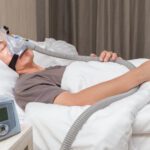
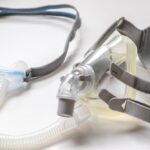
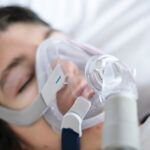
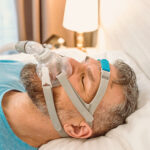
To put on a CPAP mask, position it over your nose (or nose and mouth), pull the headgear over your head, fasten and adjust the straps, then check for comfort and air leaks. Your mask should feel secure but not tight. If you notice discomfort or leaks, readjust the straps or try a different size or style.
Whether you use full-face, nasal, or nasal CPAP pillow mask, understanding how to put on your mask and headgear can help make therapy more effective and comfortable. A CPAP mask fit shouldn't feel too loose or you may experience air leakage, but it also shouldn't be so tight that the straps dig into your skin and cause discomfort.
Following your owner’s manual instructions for putting on your mask can be helpful if you’re using a new mask for the first time. Below, we provide step-by-step instructions for putting on each type of CPAP mask and share some tips for addressing common problems people experience with their CPAP mask and headgear.
Keep Your Mask Comfortable Night After Night
Replace mask parts regularly with Sleep Doctor’s Subscribe & Save. Enjoy better fit, better comfort, and 15% off.
What Type of CPAP Mask Do You Have?
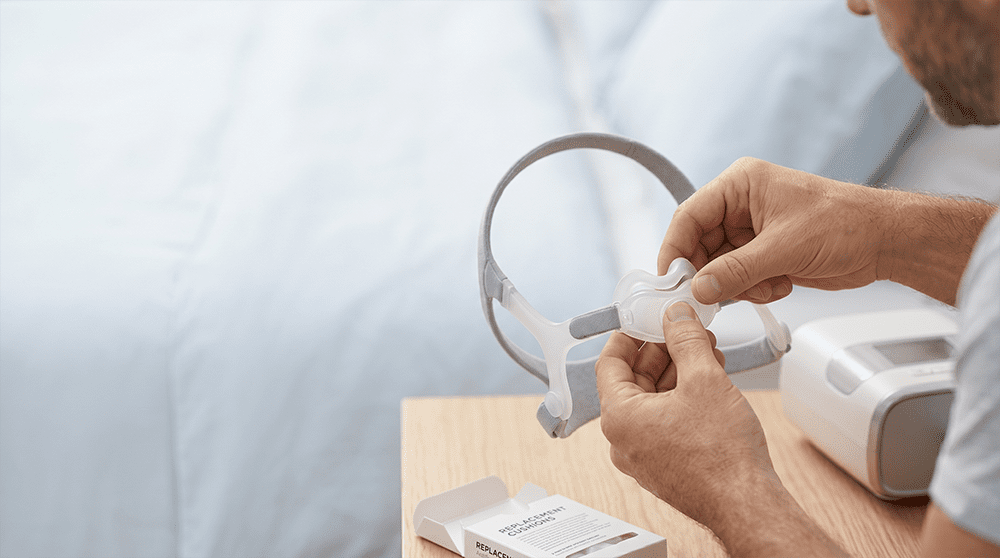
There are a few different types of CPAP masks. Having the right mask type for you will help your CPAP therapy feel more comfortable, so you'll be more likely to stick with it. Your doctor, sleep specialist, or sleep technician can help you identify which mask type might be best for you.
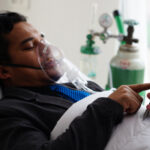
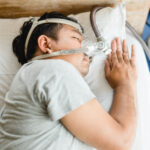
- Full-face mask: A full-face CPAP mask, called an oral-nasal or oronasal mask, delivers air to both the nose and mouth, extending from the bridge of the nose to below the mouth.
- Nasal mask: A traditional nasal CPAP mask creates a seal from the bridge of the nose to the upper lip and covers both nostrils. Nasal cradle masks also cover the nostrils, but they're smaller and don't reach the bridge of the nose or upper lip.
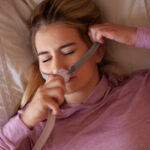
- Nasal pillow mask: Like nasal masks, nasal pillow masks deliver air into the nose but not the mouth. But instead of covering both nostrils, a nasal pillow mask features two small plugs to seal the left and right nostrils.
- Hybrid mask: A hybrid CPAP mask seals over the mouth and nostrils but doesn't cover as much of the face as full-face masks. They usually feature a cradle to provide airflow for both nostrils without covering the whole nose.
How to Put on a Nasal Mask
To put on a nasal CPAP mask, follow these steps:
- Position the nasal mask or nasal cradle over the nostrils.
- Hold the nasal mask or nasal cradle in place over the nostrils with one hand, then use your other hand to pull the straps over the back of your head.
- Connect straps to the front of the mask using magnets, Velcro, or whatever fixture type is built into your mask. Some masks may require you to connect straps on both sides, while others have straps that only need to be connected on one side.
- If the mask feels too tight or too loose, adjust the straps accordingly.
How to Put on a Nasal Pillow Mask
To put on a nasal pillow CPAP mask, follow these steps:
- Position the nasal mask or nasal cradle over the nostrils.
- Hold the nasal mask or nasal cradle in place over the nostrils with one hand, then use your other hand to pull the straps over the back of your head.
- Connect straps to the front of the mask using magnets, Velcro, or whatever fixture type is built into your mask. Some masks may require you to connect straps on both sides, while others have straps that only need to be connected on one side.
- If the mask feels too tight or too loose, adjust the straps accordingly.
How to Put on a Full-Face Mask
To put on a full-face CPAP mask, follow these steps:
- Position the full-face mask over the nose and mouth.
- Hold the full-face mask in place over the nose and mouth with one hand, then use your other hand to pull the straps over the back of your head.
- Connect any loose straps to the front of the mask using magnets, Velcro, or other types of fixtures.
- Adjust the straps if the mast feels too tight or does not feel secure.
Tips for Wearing a CPAP Mask
If your CPAP mask still doesn't work well for you after you've properly put it on and adjusted it, consider these tips to troubleshoot problems and improve your comfort.
Rethink Mask Sizing
CPAP masks of all types come in different sizes. Regular air leaks, discomfort, or pain may indicate that the mask you're using isn't the best size for your facial structure. Most manufacturers offer fit kits (sometimes called fit packs) that allow you to try different sizes on at home and identify what works best for you.
Try CPAP Mask Liners
Intended for full-face masks, CPAP mask liners are simple reusable or disposable slip covers that add cushioning and can help reduce irritation or discomfort where your mask touches your skin.
Pull Your Hair Back
If you have long hair, CPAP mask manufacturers recommend pulling your hair back through your CPAP headgear straps, so it doesn't interfere with the mask fit or cause discomfort. Putting your hair into a ponytail before feeding it through headgear straps may also help.
Try a Different Mask Type
If one CPAP mask type isn't a good fit for you, even after making adjustments, trying a different type or brand of mask may help. Schedule an appointment with your doctor to discuss why your current mask isn't working, and explore the other mask options available to you.
Consider Heated CPAP Tubing
Poor mask fit is often blamed for CPAP side effects like dry mouth, but sometimes another culprit is at play. If your CPAP tubing isn't heated, consider asking your doctor about adding heated humidification to your treatment to reduce dry mouth.
Ask About Air Pressure Settings
Feelings of claustrophobia during CPAP therapy are often chalked up to mask size, but they may also stem from air pressure settings. Ask your doctor if your CPAP machine has been programmed to use the ramp feature, which gradually increases air pressure when the machine is turned on until the person falls asleep, so the air doesn't feel overwhelming at first.
Frequently Asked Questions
A CPAP mask should be snug enough to create a seal but not tight. Over-tightening can cause discomfort, skin irritation, and even worsen air leaks. The mask should stay in place when the machine is on, without leaving deep marks or causing pain.
Water leaks are usually caused by condensation (rainout) in the tubing or mask. This happens when warm, humid air cools and turns into water. To fix it, try lowering humidity, using a heated hose, or keeping the tubing warm and elevated.
To prevent nose sores, make sure your mask fits properly and isn’t too tight. You can also use mask liners, adjust strap tension, keep your skin clean and moisturized, and try a different mask style if irritation continues.
A whistling sound usually means air is escaping from a poor seal or loose connection. Check for gaps around the mask, adjust the straps, and make sure all parts are securely connected and not worn out.
To assemble a CPAP mask, connect the cushion to the mask frame, attach the headgear, and connect the tubing. Most masks click or snap together easily. Always follow the manufacturer’s instructions for your specific model.
A small amount of air is normal and intentional, and most masks have built-in vent holes to release exhaled air. However, air leaking around the edges of the mask isn't normal and usually means the fit needs adjustment.
To keep your mask on, focus on comfort and fit. Adjust the straps properly, choose the right mask type, and address issues like dryness or pressure discomfort. Gradually increasing usage time and building a routine can also help.
Most CPAP masks come with a sizing guide or template. Measure the width and length of your nose (and mouth, for full-face masks) and match it to the manufacturer’s sizing chart to ensure the best fit.
Medical Disclaimer: This content is for informational purposes only and isn't a substitute for professional medical advice. Consult your healthcare provider with questions about any symptoms you're experiencing or before changing or stopping an existing treatment.

Written by
Jay Summer, NBC-HWC, Contributing WriterJay Vera Summer is a writer, editor, and wellness coach. She holds a Bachelor's of Science in psychology and Master's degrees in both writing and public policy. As a wellness coach, she's certified by the Mayo Clinic and the National Board for Health and Wellness Coaching (NBHWC). She's been writing about sleep and other health topics for six years. Previously, she taught undergraduate writing courses for five years at the University of South Florida.

Reviewed by
Dustin Cotliar, MD, MPH, Medical ReviewerDr. Dustin Cotliar is a board-certified emergency medicine physician with more than eight years of clinical experience across emergency departments and urgent care settings. He earned his medical degree from the State University of New York (SUNY) Downstate College of Medicine and a Master of Public Health from Columbia University.