At a Glance
CPAP mask frames, cushions, and headgear eventually wear out and lose their ability to form an airtight seal. Replace your mask frame, headgear, and chin strap every 6 months; full-face mask cushions every month; and nasal cushions or pillows twice a month.
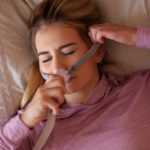
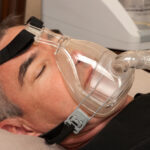
As the entry point for pressurized air from your CPAP machine, your CPAP mask sees a lot of wear and tear. As time goes on, it loses its ability to form a seal, which can compromise your sleep apnea treatment.
Ideally, you’ll replace each mask component before it wears out, so there’s never an interruption to your therapy. Each component of a CPAP mask has certain guidelines for replacement schedules based on its materials, design, and usage. We’ll take a look at the typical replacement schedules and discuss how to know when to replace your CPAP mask.
Why Replacing Your CPAP Mask Matters
The main job of a CPAP mask is to deliver airflow without allowing any leaks. This means that for effective therapy and comfort, your mask must fit well. Once the mask materials wear out, they’re no longer able to provide a good seal.
Every night, CPAP masks come into direct contact with facial oils and humidity from your breath. Over time, the mask materials start to break down or stiffen, making them less able to conform to your face and leaving gaps where air can escape. In turn, these unintended air leaks can affect your therapy pressure, leading to a return of snoring and other sleep apnea symptoms or side effects like dry mouth.
Regularly replacing your CPAP mask parts is also important for hygiene, as these materials are in intimate contact with your face for multiple hours every night. While you can reduce excessive grime by cleaning your mask, you’ll eventually need to replace the parts to keep them clean. People with sensitive skin may find that worn-out mask materials can aggravate skin irritation.
Need a CPAP Prescription? Start Here.

our partner at sleepdoctor.com
10% off Home Sleep Tests
Buy Now“Truly grateful for this home sleep test. Fair pricing and improved my sleep!”
Dawn G. – Verified Tester

Simple and convenient
- Equipment delivered to your doorstep
- One overnight test in the comfort of your own bed

Uncover sleep apnea
- Quietly collects data while you sleep
- 98% effective in detecting sleep apnea

Affordable & ships fast
- Arrives in 2-4 business days
- In-lab sleep tests cost ~$3,000+ (this one’s $189), HSA/FSA eligible


How Often to Replace Your CPAP Mask
How often to replace your CPAP mask depends on factors such as the mask type, model, and usage. Different types of CPAP masks have different components that need replacing. Parts that come into direct contact with the mouth or nose, such as cushions or pillows, need replacing more often. Headgear usually only needs replacing a couple times per year.
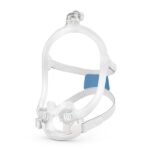
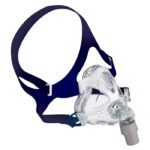
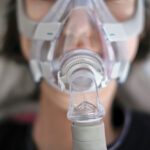
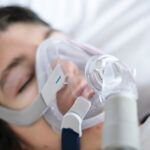
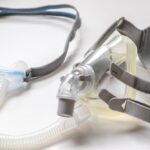
- Full-face masks: Full-face masks include mask cushions that cover the mouth and nose, along with a mask frame and headgear.
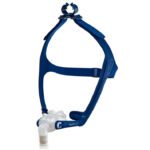
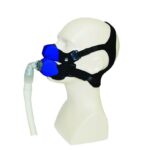
- Nasal masks: Nasal masks have a cushion covering just the nose, as well as a mask frame and headgear.
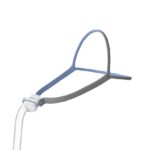
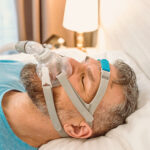
- Nasal pillows: Nasal pillows masks feature a minimalist design with prongs that insert into the nostrils, held in place with headgear.
Manufacturers may provide guidelines on how often their CPAP supplies need replacing, although most will acknowledge that replacement schedules can vary depending on the situation.
If you obtained your mask through private insurance coverage or a government program like Medicare or Medicaid, your plan typically has guidelines about how often they will cover replacement parts. If your mask parts need replacing more often, you can also pay for them out-of-pocket.
CPAP Mask Replacement Schedule
General recommended guidelines for mask replacement are shown in the table below. You may find you don’t need to replace your mask as often as your plan allows. Newer CPAP supplies may also be more durable.
| Mask Part | Replace Every |
|---|---|
| Mask Frame | 6 months |
| Full-Face Mask Cushion | Month |
| Nasal Cushions or Pillows | 2 weeks |
| Mask Headgear and Chin Strap | 6 months |
| Mask Tubing | 3 months |
Mask Cushion or Pillows
Mask cushions and pillows sit over the mouth and nose. This means they’re in constant contact not only with facial oils, but also with humidity from your exhaled breath. These parts are often made of flexible silicone or, less commonly, from memory foam. Both of these materials can lose their cushioning abilities with repeated use. As a result, the cushions and pillows usually need to be replaced fairly frequently.
Mask Frame
Typically made of hard plastic, the mask frame is one of the most durable parts of the CPAP mask. However, the frame can eventually break down due to prolonged contact with dirt, body oils, and humidity. The average CPAP mask frame needs replacing twice a year.
Headgear
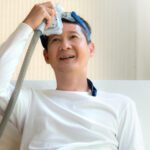
Cloth or elastic headgear straps need to be stretchy so that they can firmly but gently hold your mask in place. Under-tightening the headgear causes the mask to be too loose, but over-tightening can also cause mask leaks, discomfort, or irritation. Once your headgear starts to lose elasticity, it can no longer form a snug seal and it will need to be replaced. Similar criteria apply to the chin strap, if you use one.

Signs It’s Time to Replace Your CPAP Mask
Following the replacement schedule is the best way to ensure your equipment is always in good shape. However, your CPAP mask might need replacing sooner if you notice certain issues, such as:
- Increased leaks, which may lead to snoring if air pressure drops
- New discomfort, pressure ulcers, or skin irritation
- The need for frequent adjustments during the night
- Materials that are visibly cracked, warped, misshapen, weakened, or torn
- A loss of elasticity in the headgear
- Breakdown of the memory foam
- Material texture that’s stiff, softer, or different than usual
- An elbow that has trouble swiveling
Side effects like dry mouth or nasal congestion may also be caused by air leaks from an old mask. However, these side effects can also be due to other factors, such as insufficient humidification or a respiratory infection. Talk to your doctor if you need help troubleshooting CPAP issues.
Tips to Make Your CPAP Mask Last Longer
You can extend the lifespan of your CPAP mask with regular cleaning and careful storage. Proper hygiene is doubly important, because air travels through the mask into your lungs, so any pathogens that breed in the mask are a potential nexus for infection.
As a general rule, the CPAP frame and cushions should be wiped clean every morning with a damp cloth or a specialized CPAP mask wipe. This helps keep the mask clear of sweat, dirt, and body oils.
You should also do a weekly deep-clean in which you disassemble the mask and deep-clean each part using warm water mixed with mild soap or vinegar, followed by rinsing in fresh water. Be sure to let the mask fully air-dry away from direct heat or sunlight. Headgear and tubing can be hand-washed once a week and air-dried before reassembling. Make sure all the mask parts are fully dry before storing.
The Food and Drug Administration (FDA) warns against using unauthorized cleaning devices to clean your CPAP equipment. Most CPAP supplies are best cleaned with mild soap and water. Consult your mask’s user guide for model-specific instructions.
Have a question for our experts? Submit it to the Sleep Doctor Forum.
Written by
Danielle Pacheco, Contributing WriterDanielle is originally from Vancouver, BC, where she has spent many hours staring at her ceiling trying to fall asleep. She channels her frustration into researching sleep solutions and sharing insights with fellow insomniacs. Danielle spends her downtime trying out new recipes and working off the calories on the soccer field. Danielle studied the science of sleep with a degree in psychology at the University of British Columbia.

Reviewed by
Dustin Cotliar, MD, MPH, Medical ReviewerDr. Dustin Cotliar is a board-certified emergency medicine physician with more than eight years of clinical experience across emergency departments and urgent care settings. He earned his medical degree from the State University of New York (SUNY) Downstate College of Medicine and a Master of Public Health from Columbia University.