At a Glance
Medicare will continue to cover eligible CPAP supplies for as long as CPAP therapy is medically necessary and you meet coverage requirements. After the Part B deductible, Original Medicare generally pays 80% of the Medicare-approved amount, leaving you responsible for 20%. Replacement limits vary by item, from twice monthly for some cushions and filters to every six months for headgear and humidifier chambers.
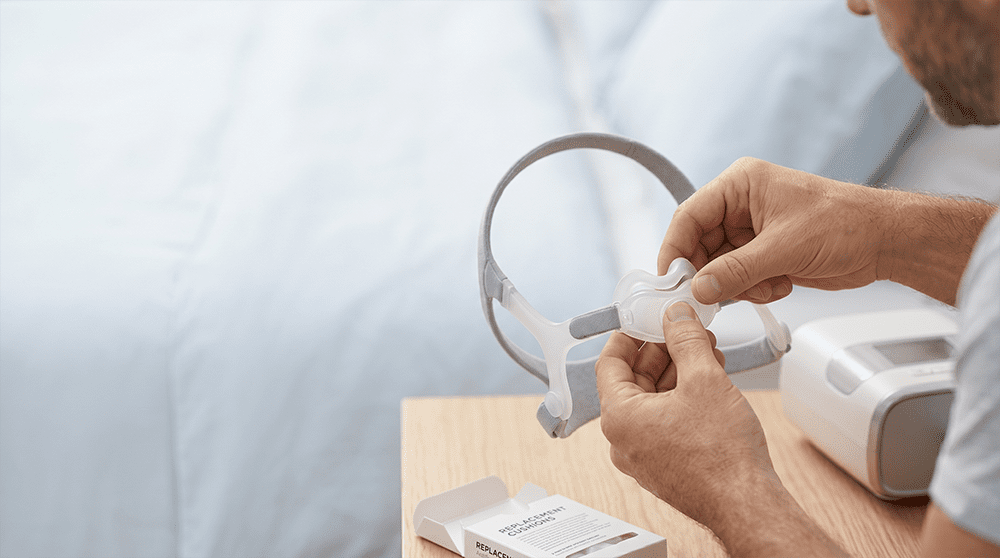
Many people with obstructive sleep apnea (OSA) use a CPAP device every night for years or decades. With use, parts such as the CPAP mask, filters, and tubing can get dirty or worn out, and replacing them is essential to using the CPAP machine safely and effectively.
Understanding the ins and outs of Medicare coverage can be complicated. Below, we’ll try to make it clearer by explaining how long Medicare pays for CPAP supplies, how often they cover replacement parts, and what steps you need to maintain Medicare CPAP coverage.
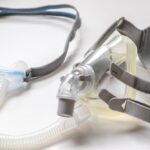
| CPAP Part or Accessory | Medicare Will Replace Every |
|---|---|
| Nasal cushions or pillows | 2 weeks (2 per month) |
| Full-face mask cushion | Month |
| Disposable CPAP machine filters | 2 weeks (2 per month) |
| Reusable CPAP machine filters | 6 months |
| CPAP mask frame | 3 months |
| Hoses and tubing | 3 months |
| Headgear | 6 months |
| Chin strap | 6 months |
| Humidifier water chamber | 6 months |
| CPAP machine | 5 years |
Note: Medicare’s replacement schedule for CPAP supplies places a limit on how frequently Medicare will pay for different CPAP accessories. If you need any supplies more frequently, you’ll have to pay for them out of pocket and will not be able to purchase them from your usual DME supplier.
Never Run Out of CPAP Supplies and Save 15%
Shop CPAP supplies from Sleep Doctor and get masks, filters, and tubing at 15% off with Subscribe & Save.
Does Medicare Cover CPAP Supplies?
Medicare covers CPAP supplies and accessories under certain conditions, including:
- You have a medical need and are using CPAP regularly: You need a written prescription for CPAP therapy that's been signed by your doctor within the last year, and your doctor has to verify that you regularly use the device and benefit from using it. To determine this, your doctor will review data from your CPAP device. Medicare requires that you use your device at least 4 hours per night on 70% of nights. This is known as compliance and is especially important in the first 90 days of use.
- The supplies are deemed necessary: Medicare only covers CPAP accessories and supplies that are needed to properly use your device as prescribed by your doctor. Optional add-ons or nice-to-haves like travel CPAPs, CPAP pillows, and cleaning supplies aren’t covered.
- Your doctor and supplier are enrolled in Medicare: Coverage requires working with providers who are enrolled in Medicare and accept assignment of medical claims under Medicare.
- Get documentation before supplies are ordered: If a durable medical equipment (DME) supplier processes an order for you before your medical documentation is in place, you won’t get coverage from Medicare.
- You’ve met your Medicare deductible: Once you’ve met your yearly deductible, Medicare will pay 80% of the cost of CPAP supplies on an ongoing basis. For example, if Medicare’s approved amount for a replacement CPAP mask is $100 and you have already met your Part B deductible, Original Medicare would generally pay $80 and you would owe $20, assuming the supplier accepts assignment.
For CPAP supplies, the same rules for Original Medicare (including Medicare part B) apply to Medicare Advantage plans. However, the suppliers and pricing may be different if you have Medicare Advantage.
What's Not Covered by Medicare?
Medicare generally does not cover optional accessories such as CPAP pillows, cleaners, wipes, travel CPAP machines, hose holders, and other convenience items unless they meet a covered DME category.

How Long Will Medicare Pay for CPAP Supplies?
Medicare will pay for CPAP supplies for as long as you meet the requirements for coverage. Your doctor must occasionally renew your order for CPAP therapy and its related supplies. Generally, this must be updated each year with a face-to-face visit with your doctor. You also have to keep following all of the other criteria, such as having providers who are enrolled in Medicare and submitting documentation before your supplies are shipped.
As long as you meet all the conditions, Medicare will provide indefinite, ongoing coverage for replacement CPAP supplies. However, Medicare has a strict policy that specifies how often you can receive different types of CPAP supplies. Private insurance usually follows the same rules.


How to Get Medicare to Cover Your CPAP Supplies
Medicare won’t automatically provide coverage for your CPAP supplies. You have to follow certain steps to make sure that Medicare pays for your CPAP machine and ongoing replacement CPAP supplies.
Verify Your Medical Need
First, you need to ensure that your doctor is enrolled in Medicare. Then, your doctor will need to confirm a sleep apnea diagnosis through testing and that you benefit from regular use of a CPAP machine.
Even if you’ve already been using a CPAP machine, if you’re just getting started with Medicare, your Medicare-enrolled doctor will need to document that you had a prior test or sleep study showing that you have OSA that meets Medicare criteria for CPAP device coverage.
You’ll also need to have an appointment with your doctor so that they can confirm that you still have a medical need for a CPAP device and are still using it regularly.
Find a CPAP Equipment Supplier
If you want Medicare to pay for replacement masks, filters, and other CPAP supplies, it’s critical that you only order from a supplier that is enrolled in Medicare. You should ask the supplier directly about whether they are enrolled in Medicare and accept assignment of your Medicare claims. If not, your supplies may not be covered, or you may have to pay more out of pocket.
Initial Trial Period
If you haven’t had a CPAP device before, Medicare will cover a three-month trial of CPAP therapy, after which your doctor will assess whether it is helping to treat your sleep apnea. If the trial is successful with the usage as defined above, Medicare will pay for another 10 months as a CPAP machine rental. Once Medicare has paid for a total of 13 months, the rental period is over, and the device becomes yours. Medicare will provide continuing coverage for necessary CPAP supplies.
Order Replacement CPAP Supplies
For ongoing replacement of CPAP supplies, you’ll need a valid order from your doctor about the need for CPAP therapy, which your DME supplier can keep on file. If needed, your doctor can access usage data from your device to give Medicare the verification it needs to keep covering your CPAP supplies.
You need to have your documentation in place before any order of CPAP supplies is processed or shipped to you. For this reason, you should never set up CPAP supply orders that auto-ship or auto-renew. If this lapses, you may fall out of coverage. To be covered, Medicare also requires that you first give confirmation that you need the supplies. To help you maintain coverage, many medical supply companies will proactively ask for your authorization before processing any CPAP supply orders.
Track Your Replacement Schedule
Medicare has a strict schedule for how often it will replace different CPAP supplies and accessories. If you order a replacement too early, it won’t be covered, and you’ll have to pay for the entire cost yourself. Set up a resupply calendar and keep careful records about when you’ve placed orders for each type of CPAP accessory.
Keep Using Your CPAP Machine
If you want Medicare to keep paying for CPAP supplies, you have to keep using your device. Your doctor may want to look at the data from your CPAP machine, which shows how much you have used it. To maintain Medicare coverage, you may need to use the device for a minimum of four hours per night on at least 70% of nights per month.
Frequently Asked Questions
With Original Medicare, you generally pay 20% of the Medicare-approved amount after meeting your Part B deductible, as long as your supplier accepts Medicare assignment. Medicare typically rents the CPAP machine for 13 continuous months, after which you own it. Your actual cost depends on the Medicare-approved rental amount and any supplemental insurance you have.
Original Medicare generally does not cover a second CPAP machine solely for travel or convenience. Medicare Part B covers medically necessary CPAP equipment prescribed for home use, so people who already have a covered CPAP machine typically need to pay out of pocket for an additional travel-sized device.
Original Medicare generally does not cover CPAP cleaning machines. Medicare covers medically necessary CPAP devices and certain essential accessories, such as masks, tubing, and filters, but automated cleaning devices are not among the standard covered CPAP accessories.
Medicare generally allows replacement of a CPAP mask frame once every three months. Certain individual mask components can be replaced more frequently, such as a full-face cushion once per month or nasal cushions and nasal pillows up to twice per month. Headgear, however, is only covered once every six months.
Yes. Medicare Advantage plans must cover the medically necessary services and equipment covered by Original Medicare, including qualifying CPAP equipment and supplies. However, your plan may have different copays, supplier networks, prior authorization requirements, and other coverage rules, so check with your plan before ordering supplies.
If you need a replacement sooner than Medicare’s usual coverage interval, you may have to pay for it yourself unless there is a documented reason that makes an earlier replacement medically necessary. Medicare advises checking what it will cover before receiving an item that exceeds its usual limits.
If a supplier believes Medicare will not pay, you may receive an Advance Beneficiary Notice of Non-coverage explaining the expected cost and giving you the option to have a claim submitted to Medicare.
Medical Disclaimer: This content is for informational purposes only and isn't a substitute for professional medical advice. Consult your healthcare provider with questions about any symptoms you're experiencing or before changing or stopping an existing treatment.

Written by
Eric Suni, Contributing WriterEric Suni is a health and science writer who covers sleep apnea, CPAP therapy, and sleep health for SleepApnea.org. He has more than a decade of experience translating complex medical research into clear, accessible information that helps readers better understand their health and treatment options.

Reviewed by
Brandon R. Peters, MD, FAASM, Medical ReviewerDr. Brandon R. Peters is a board-certified neurologist and sleep medicine physician who specializes in diagnosing and treating sleep disorders, including insomnia, obstructive sleep apnea, circadian rhythm disorders, and narcolepsy. He is a Fellow of the American Academy of Sleep Medicine and currently practices at Virginia Mason Franciscan Health in Seattle.