At a Glance
CPAP therapy is a safe and effective treatment for most people with sleep apnea, but it’s not appropriate in every situation. Certain medical conditions may make CPAP unsafe or require extra caution, including cases where breathing or airway protection is impaired. In other instances, CPAP may still be used with adjustments or close medical supervision. If CPAP isn’t the right fit, a healthcare provider can help identify alternative treatment options.
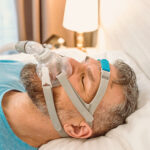
Continuous positive airway pressure (CPAP) therapy is typically the first treatment that doctors prescribe after a person is diagnosed with obstructive sleep apnea (OSA). It’s widely considered to be a safe and effective way to prevent the upper airway collapse that causes OSA’s characteristic breathing pauses.
However, there are certain circumstances in which you may need to take caution when using a CPAP machine, and other situations that necessitate stopping CPAP therapy altogether. In this article, we’ll explore common CPAP contraindications, when to use caution, and when alternative treatments may be more appropriate.
Struggling With CPAP? You Have Other Options
Sleep Doctor offers a range of CPAP alternatives to help you find a solution that fits your comfort, lifestyle, and sleep needs.
What Are CPAP Contraindications?
A contraindication is a scenario where a particular treatment could cause a person harm, so it shouldn’t be used. CPAP contraindication means that a person’s pre-existing state or condition could get worse with CPAP therapy.
There are two different types of contraindications: absolute contraindications and relative contraindications. For people with absolute contraindications to CPAP, undergoing treatment can cause severe or deadly harm. Relative contraindication to CPAP means that in certain scenarios, people can use a CPAP machine with caution. This should only be done in cases where medical professionals have weighed the risks and rewards.
CPAP therapy can take some getting used to, especially at first. Discomfort, mild side effects, and general trouble with adherence aren’t contraindications to CPAP therapy. There are numerous ways to troubleshoot your CPAP machine and get the right combination of accessories to make sure that your therapy is effective and as comfortable as possible.
Note: CPAP is often used as an umbrella term for all types of PAP machines, including automatic positive airway pressure (APAP) and bi-level positive airway pressure (BiPAP). Unless otherwise stated, assume that contraindications to CPAP also apply to APAP and BiPAP.
Absolute Contraindications to CPAP
There are certain specific instances and situations in which CPAP machines aren’t recommended, mostly in the context of an acute illness that may lead to hospitalization. The following are some common absolute contraindications to CPAP therapy.
- Facial trauma or burns: This includes recent facial surgery or significant damage to the skin. Wearing masks and headgear can cause further harm as can air pressure.
- Fixed upper airway obstruction: In many cases of OSA, the tongue or soft palate are responsible for obstructing the airway, which air pressure can help. If someone has an obstruction that’s fixed or unmoving, like a tumor or stricture, positive airway pressure could make problems worse.
- Risk of vomiting: If a CPAP user is at risk of vomiting, they could potentially choke or aspirate on their vomit while using a CPAP machine and mask.
- Inability to protect airway: When a person has a reduction in normal consciousness or they stop breathing on their own, CPAP therapy isn’t advised, as it can lead to aspiration. In a hospital setting, many providers will switch to ventilation instead.
- Untreated pneumothorax: In the event that someone has a collapsed lung, the lung can’t contain the positive air pressure correctly, so the air leaks into the chest cavity. Other existing lung conditions can make this worse.
- Respiratory or cardiac arrest: If a person is in acute respiratory or cardiac arrest, they should not use a CPAP machine.
Note: There is an absolute contraindication for adaptive servo-ventilation (ASV) therapy if someone has heart failure with a left ventricular ejection fraction less than 45%.
Relative Contraindications to CPAP
In some cases, it may be alright to continue using your CPAP with caution. Make sure to speak with your physician if you have concerns about any of the following, as they can offer solutions or, if necessary, alternatives.
- Severe nasal congestion or obstruction: CPAP machines can be used even when you’re sick or congested. It may be necessary to switch to a full-face mask.
- Recent facial (nasal or jaw) surgery: Pressure and mask fit can irritate healing tissues or disrupt recovery, requiring temporary adjustments or alternative treatments under medical guidance.
- Claustrophobia, mask intolerance, or anxiety: Nasal masks or nasal pillows can be helpful for people with claustrophobia, as can top-of-head tubing. If you breathe through your mouth, try a nasal mask with a chin strap. Work with your provider to find a combination of components that are comfortable and tolerable enough to avoid anxiety.
- Chronic sinus or ear issues: In most cases, it's recommended to use your CPAP machine even while you have a sinus infection. However, chronic sinus infections can be an indication that you should see an ear nose and throat doctor (ENT).
- Excessive air swallowing: Aerophagia is a known side effect of CPAP therapy. People who repeatedly swallow air may be able to find relief by using an APAP machine, BiPAP machine, or an expiratory pressure relief (EPR) setting. It sometimes simply requires a lower pressure setting.
- Skin sensitivity: If you have CPAP-related pressure sores or skin sensitivity, changing your mask or headgear can make a difference. Some manufacturers also make soft CPAP liners or moisturizing creams meant to create a barrier between your mask and face.
- Certain co-morbidities: OSA has many common comorbidities (conditions that exist at the same time). Obesity, hypertension (high blood pressure), depression, asthma, and diabetes are common OSA comorbidities. CPAP therapy can, and should, be continued with many of OSA’s comorbidities. Speak with your doctor to get individualized advice.
Side Effects of CPAP
CPAP is the most effective treatment for OSA, but it does come with some potential side effects and risks. Luckily, many of the most common side effects have simple fixes.
- Nasal congestion: Mask leaks can lead to nasal congestion. Don’t overtighten your mask; if it feels loose, you may want to try another mask style rather than overtightening.
- Dry mouth: Many CPAP machines have built-in humidifiers. Adding moisture can help relieve irritated air passages and alleviate dry mouth.
- Exhalation discomfort: If it’s hard for you to exhale against positive air pressure, you might want to switch to an APAP or BiPAP machine, which lower the air pressure when you exhale. Some machines also have EPR settings, which offer more comfortable exhalation.
- Claustrophobia: Mask style can make a big difference if you’re claustrophobic. Try a nasal mask or nasal pillow instead of a full-face mask, both styles are smaller and less obtrusive. Tubing that connects at the top of your head may also help. You can also train yourself to get used to your mask by wearing it during the day.
- Aerophagia: Some people swallow air when using a CPAP, which can lead to bloating. A BiPAP machine may be a better fit for people who experience aerophagia because the air pressure isn’t constantly high. It’s also important to have a leak-free mask fit.
- Dry eyes: When there’s a mask leak, air can escape out of the sides and cause eye irritation. Check your mask for leaks or consider switching to a different style.
- Chest pain: Certain users may feel pain in their chest muscles when they start CPAP therapy, especially if the pressure is too high. As your body adjusts, this sensation should go away.
- Skin irritation: Headgear and masks are usually designed to be comfortable, but that doesn’t mean they always are. Avoid trapping moisture between the mask and your skin, as this can cause skin irritation. Try a reusable or disposable mask liner that’s soft against your skin or consider switching headgear styles.
Alternatives to CPAP Therapy
Though CPAP therapy is the most effective treatment for sleep apnea, it’s not the only option. If you’re having trouble tolerating CPAP therapy or want to try something else, you may want to discuss one of the following alternative sleep apnea treatments with your doctor.
Oral Appliances
Oral appliances adjust the position of your jaw or tongue to clear a pathway for breathing. Mandibular advancement devices (MADs) move your jaw forward, while tongue-retaining devices (TRDs) keep your tongue out of the back of your mouth with light suction. Both fit similarly to mouthguards.
Oral appliances may be a good fit for people with mild to moderate OSA who are looking for a small, portable treatment option. They’re also worth considering if you have a hard time tolerating a mask or air pressure.
Sleep Apnea Surgery
In most cases, you’re only a candidate for sleep apnea surgery if you’ve already tried CPAP therapy and you have an anatomy that supports surgery. For example, uvulopalatopharyngoplasty (UPPP) removes tissue to open up your airway, while nasal surgery (nasal septoplasty and turbinate reduction) is commonly done to improve breathing and may improve CPAP tolerance. Children with sleep apnea may have their tonsils or adenoids removed.
It’s important to remember that surgery isn’t reversible, so it’s not the right choice for everyone.
Nerve Stimulation
Another type of sleep apnea surgery is hypoglossal nerve stimulation that involves a nerve stimulator that delivers tiny pulses to the muscles that control tongue movement. Depending on the type of procedure, this outpatient surgery may involve implanting a medical device in your chest to monitor your breathing. Together, these components work to prevent your upper airway from collapsing.
One type of this surgery, Inspire, is only approved for people with moderate to severe obstructive sleep apnea with more than 15 events per hour who demonstrate that they’ve unsuccessfully tried CPAP therapy. You must also be 22 or older or a child over 13 with Down syndrome. There are also requirements for body mass index (BMI), but these vary by insurance.
Lifestyle Changes
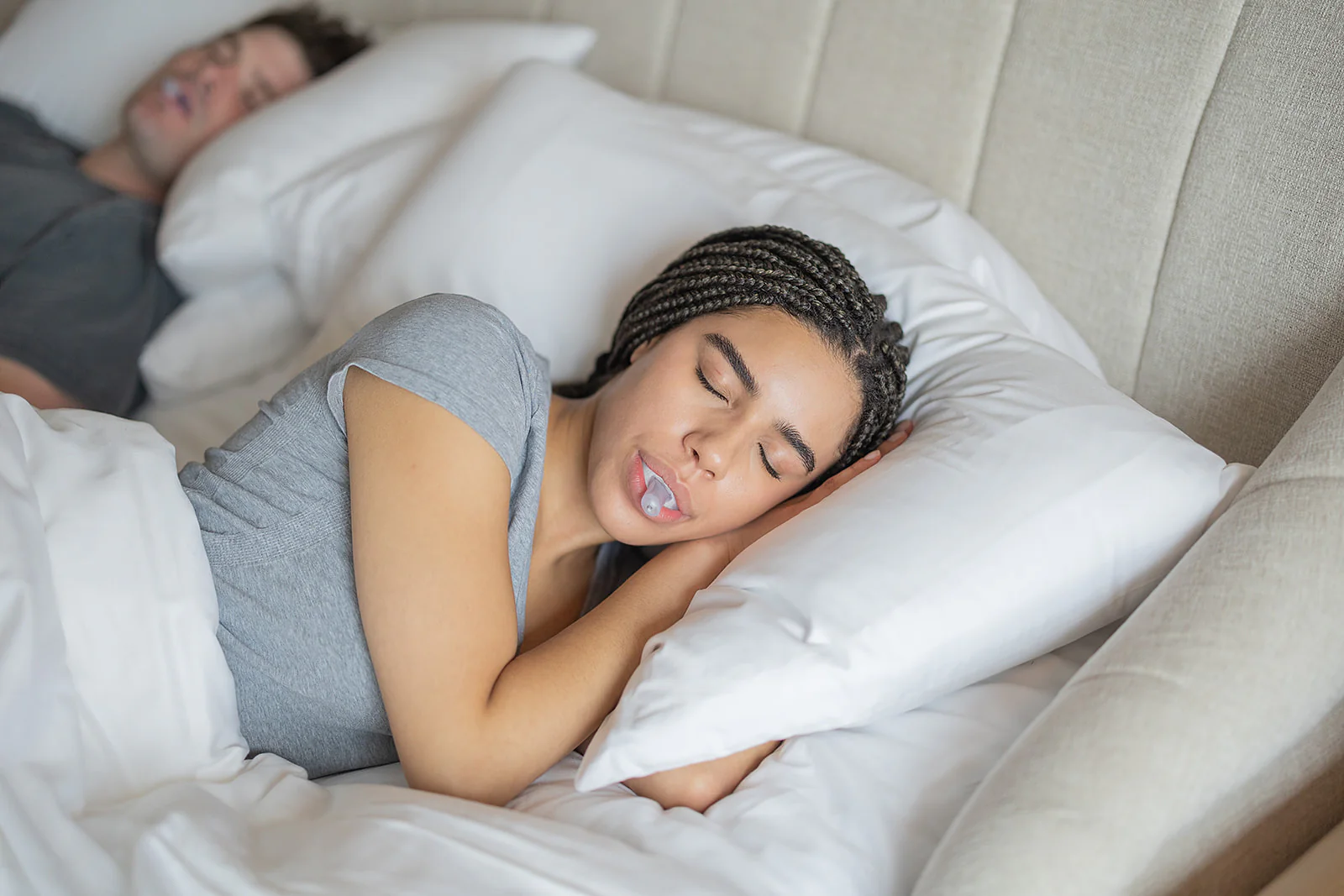
Though you shouldn’t discontinue CPAP therapy unless directed to by a doctor, you can improve your sleep apnea symptoms by making certain lifestyle changes. You could see progress after losing weight, exercising regularly, avoiding alcohol, and adjusting your sleep posture to avoid sleeping on your back, sleeping on your side instead.
If your weight is a contributing factor, your doctor may prescribe tirzepatide (Zepbound), a weight-loss medication and the first FDA-approved medication for the treatment of sleep apnea.
When to Talk to a Doctor
If you’ve been prescribed CPAP therapy, you shouldn’t stop unless your physician has told you to. Even short lapses in therapy can have a negative effect on sleep apnea. However, if you’re concerned about potential contraindications you may have to CPAP therapy, you should consult your doctor if you notice any of the following:
- Long-term airway irritation
- Recurring sinus infections
- Aerophagia that doesn’t change after adjustment
- Chest pain that doesn’t go away
Make sure to consult your provider immediately if you experience any of the following:
- Uncontrolled vomiting
- Lung problems
- Facial burns or trauma
Medical Disclaimer: This content is for informational purposes only and isn't a substitute for professional medical advice. Consult your healthcare provider with questions about any symptoms you're experiencing or before changing or stopping an existing treatment.

Written by
Cassandra Burns, Contributing WriterCassandra is a health writer who writes about sleep products and reads emerging research to develop science-based articles that help demystify the connection between health and sleep. She's happy to report that she sleeps well most nights, which is probably thanks to her energetic dog and her other work managing a family-owned whitewater rafting business in Upstate New York.

Reviewed by
Brandon R. Peters, MD, FAASM, Medical ReviewerDr. Brandon R. Peters is a board-certified neurologist and sleep medicine physician who specializes in diagnosing and treating sleep disorders, including insomnia, obstructive sleep apnea, circadian rhythm disorders, and narcolepsy. He is a Fellow of the American Academy of Sleep Medicine and currently practices at Virginia Mason Franciscan Health in Seattle.