At a Glance
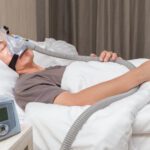
CPAP therapy doesn’t usually cause sinus infections when the equipment is kept clean and functioning properly. However, bacteria or irritants can build up in masks, tubing, or humidifier chambers if they aren’t cleaned regularly, which may increase the risk of sinus irritation or infection.
Many people who use CPAP therapy wonder whether the device could contribute to sinus problems, especially if they’ve already experienced congestion or nasal irritation. While sinus infections due to CPAP therapy are rare, it’s not impossible to develop one after using dirty CPAP equipment.
Below, we explain how CPAP use may be linked to sinus infections and steps you can take to reduce the risk of airway irritation.
What Is a Sinus Infection?
Sinusitis occurs when the lining of the sinuses becomes swollen and inflamed, which can be from infections from viruses and bacteria, leading to a sinus infection, or from inflammatory conditions like allergies. The sinuses are air-filled spaces in the skull that normally produce mucus and help filter the air you breathe. When these passages become irritated or blocked, mucus can build up and create pressure, congestion, and discomfort.
Sinusitis may be acute or chronic. Acute sinus infections usually last less than two weeks and are most often caused by viruses, such as those responsible for the common cold. These infections typically improve on their own without antibiotics. In some cases, however, bacteria may grow in the sinuses after a viral illness causes swelling and interferes with normal drainage.
When sinus inflammation lasts longer than 12 weeks, it's referred to as chronic sinusitis, and it's often linked to either ongoing inflammation or an acute infection. Allergies, nasal polyps, or structural differences in the nasal passages may contribute to persistent sinus symptoms. In some cases, chronic sinusitis may involve both inflammation and infection.
Make CPAP Cleaning Quick and Easy
Shop CPAP cleaning supplies like wipes, brushes, and soap from Sleep Doctor to keep your therapy hygienic and effective.
Can CPAP Cause a Sinus Infection?
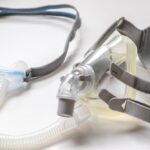
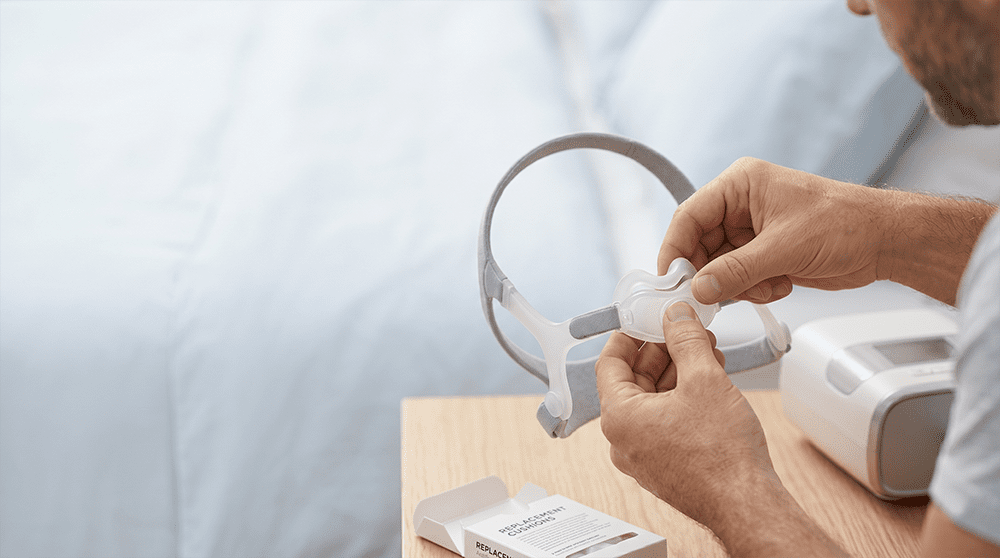
If CPAP equipment, such as the mask, tubing, or humidifier chamber, aren’t kept clean, bacteria or other contaminants may accumulate. Worn or dirty filters may also allow irritants like dust, pollen, or smoke to enter the airflow, which can lead to or worsen nasal irritation and allergy symptoms.
However, most sinus infections aren’t caused by CPAP machines. In many cases, sinus infections develop after a viral illness, such as the common cold or from bacteria that naturally live in the nose and sinuses. While it’s possible for poorly maintained CPAP equipment to contribute to irritation or infection, this appears to be uncommon, especially when the device and its accessories are cleaned as recommended.
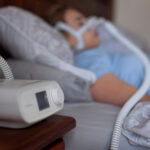
Although the humidifier adds one more area for bacteria and viruses to grow, using a humidifier isn’t believed to raise the risk of a sinus infection. In fact, breathing in humidified air may prevent side effects like dry mouth and nasal irritation, which can make CPAP therapy more comfortable for some people.
What Are the Symptoms of Sinusitis?
Sinusitis can cause a range of symptoms, but there’s a lot of overlap with other conditions like viral upper respiratory infections, seasonal allergies, and the common cold.
- Sore throat
- Pressure or pain behind the eyes
- Toothache
- Facial pain and/or tenderness
- Stuffy or runny nose
- Cough
- Bad breath
- Loss of smell or abnormal smells
- Fatigue or feeling under the weather
- Fever
- Headache
How Are Sinus Infections Treated While on CPAP?
Most cases of sinusitis resolve on their own after 7 to 10 days. For mild and short-lived sinus infections, you can self-care at home by:
- Drinking lots of fluids
- Using a humidifier
- Flushing the sinuses with a nasal saline solution
- Using over-the-counter pain relievers
- Antihistamines or nasal steroid sprays
If you have a sinus infection and use a CPAP, you shouldn’t stop using it without talking to your doctor first. Your sleep apnea symptoms will return, and you may fail to meet your medical insurance compliance requirements. Continue to use your CPAP machine, but be sure to clean it thoroughly every morning.
Try to get plenty of sleep, and don’t take antibiotics without a prescription from your doctor.
How Can You Reduce Airway Irritation From CPAP?
Following some general hygiene precepts can help minimize airway irritation.
Clean Your CPAP Equipment Regularly
Cleaning your CPAP equipment regularly is the best way to minimize the risk of infection. While most user guides lay out specific cleaning schedules, you can also follow general recommendations, which call for regularly washing most components with a solution of water and mild soap or vinegar.
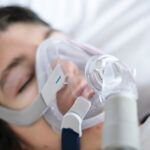
- Mask: Keep your mask clean with a daily wipe of a damp cloth with mild soap, or a dedicated CPAP mask wipe. Do a deep-clean once a week by taking the entire mask apart, washing each part separately, and letting it fully air-dry before reassembling.
- Tubing: Let the tubing breathe during the day. Wash the tubing once a week and hang it to dry.
- Humidifier: Empty your humidifier chamber every morning and refill it with distilled water before going to sleep. Once a week, wash the chamber with water and mild soap or vinegar and let it air-dry away from direct heat and sunlight. Don’t leave standing water in the humidifier when not in use.
- Filters: If your CPAP machine uses reusable sponge filters, you should remove and wash them once a week before squeezing them dry. If it has disposable filters, replace them according to the manufacturer’s schedule or when they are visibly dirty.
In recent years, manufacturers have started selling CPAP cleaning devices that use ozone or UV light. However, most experts, as well as the U.S. Food and Drug Administration (FDA), caution against the use of these commercial cleaners. They aren’t considered any more effective than soap and water, and they can damage your machine and be hazardous to your health if not used correctly. And using one may void the manufacturer’s warranty.
Use Distilled Water
While it’s usually fine to drink, tap water contains bacteria and other microorganisms that may be dangerous when inhaled. That’s why experts urge people to use distilled water in cases when the water will be traveling into your airways, such as with a CPAP humidifier.
Distilled water is water that has been purified by boiling water and retaining only the steam, which condenses back into liquid form. This process kills microorganisms and removes most impurities. Because it’s been stripped of minerals, using distilled water in your humidifier also prevents sediment buildup, in turn prolonging the lifespan of your CPAP humidifier.
Replace Old Parts Regularly
Regular replacement of CPAP parts helps ensure that everything is clean and in good working condition.
As it’s used for multiple hours every night, CPAP equipment eventually wears out. For example, the mask may lose its ability to form a good seal, the filters may accumulate debris, or the plastic tubing and mask may accumulate micro-scratches with use that make it difficult to fully clean them.
You can stay up-to-date by following the manufacturer’s replacement schedules and replacing any parts that look visibly degraded or impossible to clean.
Don’t Share a CPAP Machine
Home CPAP machines are personal medical equipment designed to be used by one person only. CPAP machines and accessories should never be shared with another person, as this can transfer germs from one person to another.
If you do purchase a secondhand CPAP machine, be sure to source it from a licensed and reputable provider that can provide proof that it has been thoroughly sanitized.
When to See a Doctor
Schedule an appointment with your doctor if you have concerning symptoms, such as:
- facial, jaw, or oral pain
- Fever for more than a few days
- Symptoms that don’t get better after 10 to 14 days
- Facial swelling
If your sinus symptoms aren’t improving or seem to be getting worse, it’s a good idea to talk with a doctor. Many sinus infections improve with conservative treatments like saline rinses, nasal steroid sprays, antihistamines, or over-the-counter pain relievers. In some cases, a doctor may recommend additional treatment, including antibiotics, if they suspect a bacterial infection.
Frequently Asked Questions
CPAP therapy doesn’t usually cause sinus problems, but some people may experience nasal or sinus symptoms when they first begin using the device. The steady flow of pressurized air can sometimes lead to dryness, irritation, or congestion in the nasal passages, especially if the air isn’t humidified.
Using a heated humidifier, adjusting mask fit, and regularly cleaning CPAP components can often help reduce sinus-related symptoms.
In most cases, you shouldn’t stop using CPAP therapy without first talking to your doctor. Untreated sleep apnea can worsen fatigue and other symptoms, which may make it harder to recover while you’re sick. Many people continue using CPAP while being treated for sinusitis, which can help make therapy more comfortable.
If you’re experiencing sinus symptoms, your doctor can recommend the best treatment approach. Keeping your CPAP equipment clean and using a humidifier may also help reduce dryness and irritation, making the device easier to use while you recover.
Your CPAP machine has filters designed to keep out dust, pollen, and other allergens. This means that under normal circumstances, CPAP therapy shouldn’t make allergies worse. However, CPAP therapy may exacerbate allergies if the parts aren’t properly cleaned or if you don’t replace your filters regularly. In this case, allergens can work their way inside the CPAP tubing or humidifier and you may breathe them in.
Medical Disclaimer: This content is for informational purposes only and isn't a substitute for professional medical advice. Consult your healthcare provider with questions about any symptoms you're experiencing or before changing or stopping an existing treatment.

Written by
Danielle Pacheco, Contributing WriterDanielle is originally from Vancouver, BC, where she has spent many hours staring at her ceiling trying to fall asleep. She channels her frustration into researching sleep solutions and sharing insights with fellow insomniacs. Danielle spends her downtime trying out new recipes and working off the calories on the soccer field. Danielle studied the science of sleep with a degree in psychology at the University of British Columbia.

Reviewed by
Dustin Cotliar, MD, MPH, Medical ReviewerDr. Dustin Cotliar is a board-certified emergency medicine physician with more than eight years of clinical experience across emergency departments and urgent care settings. He earned his medical degree from the State University of New York (SUNY) Downstate College of Medicine and a Master of Public Health from Columbia University.