At a Glance
In general, continuous positive airway pressure (CPAP) machines are expected to last around 5 years, but some models can keep working for well over a decade. Since multiple factors can influence how long a device lasts, there's no universal lifespan for CPAP machines.
CPAP machines are durable medical devices, but like any piece of equipment, they don’t last forever. The brand, model, materials, and cleaning and maintenance routines can all affect a CPAP machine’s lifespan.
Below, we’ll cover what you need to know about average CPAP lifespan, including how to keep a CPAP machine working properly, when it’s time to replace your machine, and whether insurance covers a replacement CPAP device.
Average Lifespan of a CPAP Machine
On average, a CPAP machine is expected to last about 5 years, which is also the typical replacement schedule recommended by manufacturers and insurance providers. With proper care and regular maintenance, some machines may function well beyond this timeframe, while others may need replacement sooner due to wear and tear or changes in therapy needs.
Need a CPAP Prescription? Start Here.

our partner at sleepdoctor.com
10% off Home Sleep Tests
Buy Now“Truly grateful for this home sleep test. Fair pricing and improved my sleep!”
Dawn G. – Verified Tester

Simple and convenient
- Equipment delivered to your doorstep
- One overnight test in the comfort of your own bed

Uncover sleep apnea
- Quietly collects data while you sleep
- 98% effective in detecting sleep apnea

Affordable & ships fast
- Arrives in 2-4 business days
- In-lab sleep tests cost ~$3,000+ (this one’s $189), HSA/FSA eligible


Factors That Influence How Long a CPAP Machine Lasts
Routine use, maintenance, and a device’s design and materials can all influence the lifespan of a CPAP machine.
Machine Usage
As with many medical devices, a CPAP machine’s lifespan can depend significantly on how much it's used. For example, CPAP machines that are used more frequently or consistently provide air at a higher pressure level will show more signs of wear and tear.
Care and Maintenance
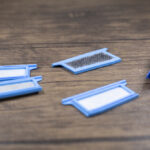
Maintenance of the machine can also impact how well it works. If a CPAP machine isn't kept clean, buildup of dust and debris can prevent the device from functioning properly. In addition to cleaning, regular CPAP device maintenance requires periodically replacing accessories like filters and water chamber.
Brand and Model
The durability of a CPAP machine also depends on the brand and model. The quality of the design and materials vary based on the specific device. One broken internal component can cause a CPAP machine to fail, and gradual breakdown of parts may cause a device to become excessively noisy or to fail to generate the pressure required.
In some situations, the lifespan of a CPAP device can be cut short due to a manufacturer recall if it's discovered that a component is faulty or creates health risks for the user. Additionally, most devices have an initial warranty that states if they fail in the first 2 or 3 years, they will be replaced by the manufacturer.
Signs It’s Time to Replace Your CPAP Machine
Even if your CPAP machine is still working, certain signs may indicate it’s time for a replacement. Common indicators include:
- Increased noise
- Inconsistent air pressure
- Frequent error messages
- Failure to turn on or off
- Visible damage to the device or power cord
You may also notice that your sleep apnea symptoms—such as snoring, daytime sleepiness, or morning headaches—return despite regular use. Other reasons to replace a CPAP machine include outdated technology, lack of data tracking or connectivity, or difficulty finding compatible replacement parts.
If your machine is more than 5 years old or no longer meeting your therapy needs, a sleep specialist or equipment provider can help determine whether upgrading to a newer model would improve comfort and effectiveness.
Tips to Extend the Lifespan of a CPAP Machine
A key way to extend the lifespan of your CPAP device is to care for it properly. This includes using it as directed, following the manufacturer’s guidance about cleaning the machine, and adhering to the recommended replacement schedule for parts and accessories.
Manufacturers also recommend against the use of external cleaning devices (such as those that use ozone or ultraviolet light for cleaning), as this may damage the device and will void the manufacturer's warranty.
Use the CPAP Device as Directed
Always follow the directions in the user manual and instructions from your health care team about how to use your CPAP device. For example, most manufacturers recommend only using distilled water in the humidifier to prevent mineral buildup.
Clean Regularly
Routine cleaning is necessary to keep a CPAP machine working optimally. Keeping the device clean can also prevent bacteria buildup. Some CPAP parts should be wiped down daily, while others only need to be cleaned weekly or monthly. Be sure to follow the manufacturer’s cleaning instructions for your specific machine.
Avoid Harsh Cleaners
Bleach and other harsh cleansers should generally be avoided due to their ability to damage the CPAP device and accessories. These are also not safe to breathe directly! Additionally, the U.S. Food and Drug Administration (FDA) does not recommend using cleaners that use ozone gas or UV light as these devices may potentially be harmful to your health.
While water and a mild soap keep most CPAP components clean, be sure to check your user manual for specific cleaning tips.
Replace Worn Parts
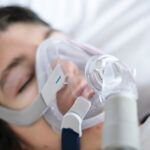
Follow a regular schedule for replacing CPAP supplies, including the air filter, hose, mask, and headgear. Check the user manual or with the manufacturer for the recommended replacement schedule. You should also replace any CPAP accessories that you notice are not in good condition, such as straps that are too loose or tubing that is cracked or stained.
Address Warranty Issues
When you receive a new CPAP machine, keep any receipts or booklets in case you need to make a warranty claim. If part of your device fails, it may be covered under a limited warranty, provided that you are using and maintaining the device as directed.


Insurance Coverage for CPAP Replacements
Medicare typically covers a new CPAP device once every 5 years. Any malfunctions prior to that time should first be assessed by the manufacturer for possible replacement under the device's warranty.
For a replacement CPAP machine to be covered by Medicare, your doctor or sleep specialist must provide documentation of a sleep apnea diagnosis and ongoing need for CPAP therapy. You will also need to provide data showing that you have been using your old CPAP device on a regular basis.
Medicaid guidelines for CPAP replacement vary by state, and other health insurance plans differ in the specific coverage they provide. However, many insurance providers offer CPAP coverage that is similar to what is offered by Medicare and may cover a replacement after 5 years.
Using an FSA or HSA to Replace Your CPAP Machine
In most cases, you should be able to use a flexible spending account (FSA) or health savings account (HSA) to pay for a CPAP machine replacement, as necessary medical equipment is considered an eligible use of HSA or FSA funds. That said, it’s important to check with your plan about coverage limitations before spending on a new device with money from your FSA or HSA account.
Benefits of Upgrading to a New CPAP Machine
CPAP machine manufacturers frequently develop new models with innovative technology and new designs. Upgrading to a new CPAP device offers an array of benefits.
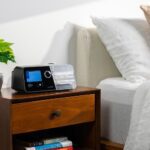
- More streamlined design: Many newer CPAP devices are smaller or sleeker than their predecessors, so they may be easier to travel with and take up less space on your nightstand.
- Improved features: Upgraded CPAP machines may include more user-friendly features. Touch screens provide quick, convenient access to your device settings and stored sleep data. Modern devices also often have advanced options for delivery of pressurized air that can make using the device more comfortable.
- Quieter during use: One common complaint about CPAP machines is noise, but modern units are equipped with quiet motors designed to be no louder than a whisper or white noise.
- Remote data sharing: Newer CPAP machines can record your sleep data to make sure that your sleep apnea is being treated effectively. The electronic data can then be transmitted wirelessly to your doctor, which can enable quicker adjustments to CPAP settings that may not require an appointment.
- Availability of replacement parts: With a newer device, it's generally easier to find replacement parts and accessories. If you have an older CPAP machine, it may be more challenging to find a compatible part if a component stops working. You may also have a wider selection of CPAP accessories available to you if you are using a newer machine.
Frequently Asked Questions
Many CPAP devices can remain effective for many years. However, with more use (or higher pressure delivery), there's a greater chance that some part of the device will stop working properly.
Most CPAP machines should function for at least 5 years. However, problems can arise sooner than that, which may require replacing parts or replacing the entire device. If you have concerns about the effectiveness of your CPAP machine, especially with a return of prior symptoms, talk to your doctor or sleep specialist for help with troubleshooting.
You can often donate a used CPAP machine to a reputable charity or reseller, although only certain devices are accepted. Some organizations accept donations of unused and sealed accessories or fully-functional, pre-owned CPAP machines.
If your machine is broken, or part of a prior recall, it may not be eligible for donation. In that case, you can contact your local government or waste management organizations about disposal or recycling of electronic devices.
It’s best not to sell or give your device directly to another person, as the settings may not be appropriate to their needs.
If your old CPAP machine still works, you can keep it as a backup in case you have any problems with your new device. Some people like to use an older device when traveling or may even choose to keep it at a second home. Keep in mind that you may need to occasionally clean the machine and check how well it's working since neglecting it entirely could cause it to stop functioning properly.

Still have questions?
Sleep apnea products can be confusing. If you need individualized assistance, post your question to the Sleep Doctor forum.

Written by
Audra Sarver, MHS, PA-C, Contributing WriterAudra is a licensed, certified physician assistant and freelance health writer. She has specialized in psychiatry since completing her clinical training in 2018. Her passion for writing was born from the desire to make complex medical information more accessible and understandable to patients and their loved ones. Audra likes to write about all things related to behavioral health and physical wellness.

Reviewed by
Brandon R. Peters, MD, FAASM, Medical ReviewerDr. Brandon R. Peters is a board-certified neurologist and sleep medicine physician who specializes in diagnosing and treating sleep disorders, including insomnia, obstructive sleep apnea, circadian rhythm disorders, and narcolepsy. He is a Fellow of the American Academy of Sleep Medicine and currently practices at Virginia Mason Franciscan Health in Seattle.