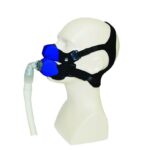
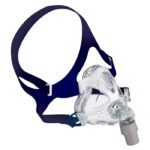
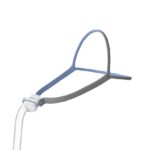
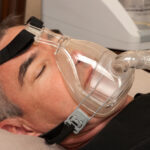
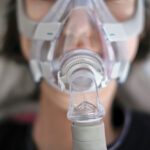
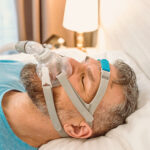
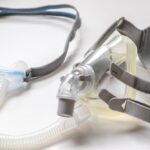
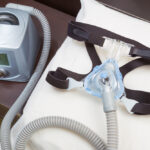
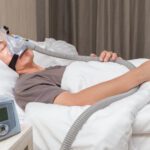
Hybrid CPAP masks are designed for people who want the stability of a full-face mask with the minimal contact of nasal pillows. By sealing around the mouth while delivering airflow through nasal pillows, these masks can help reduce leaks and pressure points compared to traditional full-face designs. They’re often a good option for mouth breathers or sleepers who want effective therapy without as much facial coverage.
Below, we’ll discuss the benefits and drawbacks of hybrid masks compared with other CPAP mask styles. We’ll also share our top picks for the best hybrid CPAP masks on the market today.
Our Top Picks

Best Overall
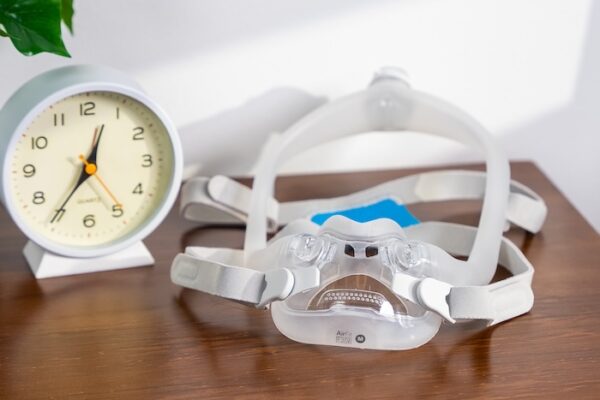
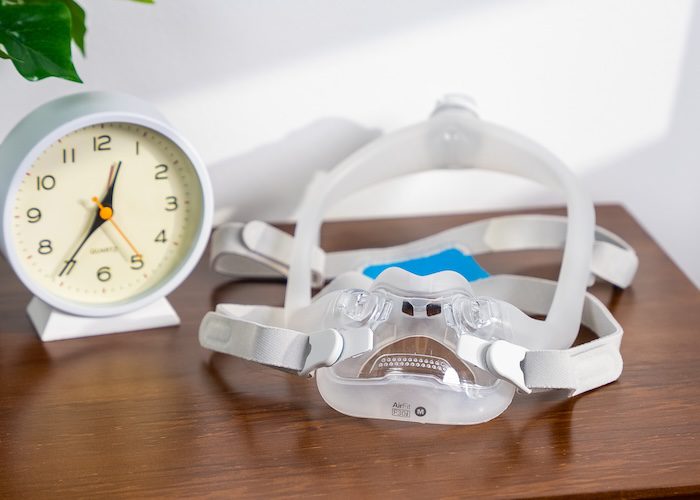
ResMed AirFit F30i CPAP Mask
Ideal For
- Active or stomach sleepers
- Those who want a large range of sizes to choose from
- People who alternate between mouth and nose breathing during sleep
Who Should Keep Looking
- People who exclusively breathe through their nose while sleeping
- Those who have a metallic implanted medical device
- Sleepers with long hair who find it uncomfortable to have the tubing attachment up top
-
Price
$159
-
Size
Frame: Small, Standard, Large; Cushion: Small, Small Wide, Medium, Wide
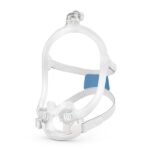
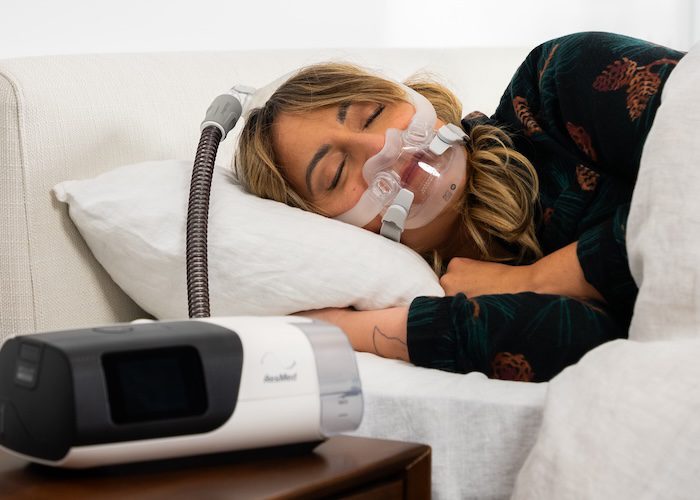
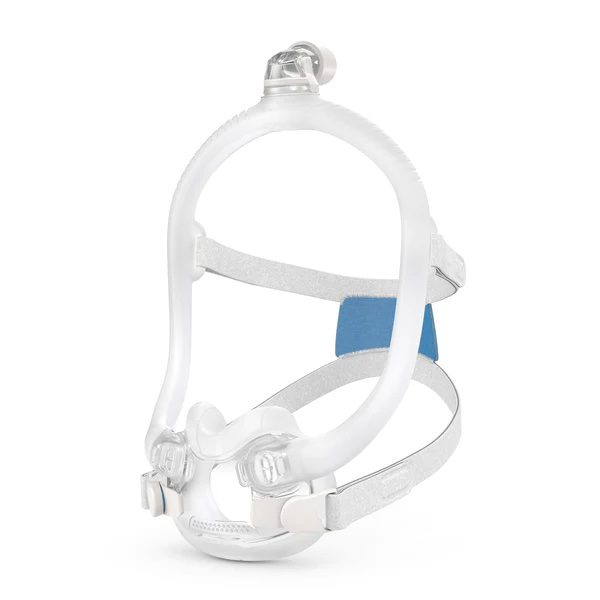
The AirFit F30i has a top-of-head tubing attachment with a flexible elbow that shifts to accommodate different sleeping positions. Unlike front-of-face tubing attachments, this design allows sleepers to shift onto their side and even their stomach without knocking the mask out of place or breaking the seal. This setup makes the mask ideal for combination sleepers, particularly those who spend a significant amount of time on their stomach.
The nasal portion of the mask features a soft silicone nasal cradle that connects underneath the nostrils, leaving the bridge of the nose free. The mask also leaves a clear field of vision, with no forehead stability bar to interfere with wearing glasses, reading, or watching TV. Thanks to a magnetic clip system and a quick-release elbow, the mask is easy to pop on and off for nighttime bathroom visits.
Disclaimer: In November 2023, ResMed issued a safety notice cautioning that the magnetic clips on this model and other ResMed masks should be kept at least 6 inches away from any implanted medical device that may be affected by magnets, including pacemakers and insulin pumps. The company also warns that other metallic implants such as valves, stents, and certain dental implants may be impacted by the magnetic clips.
Use this SleepApnea.org link for the most current discount on ResMed products
Shop NowBest for Combination Sleepers
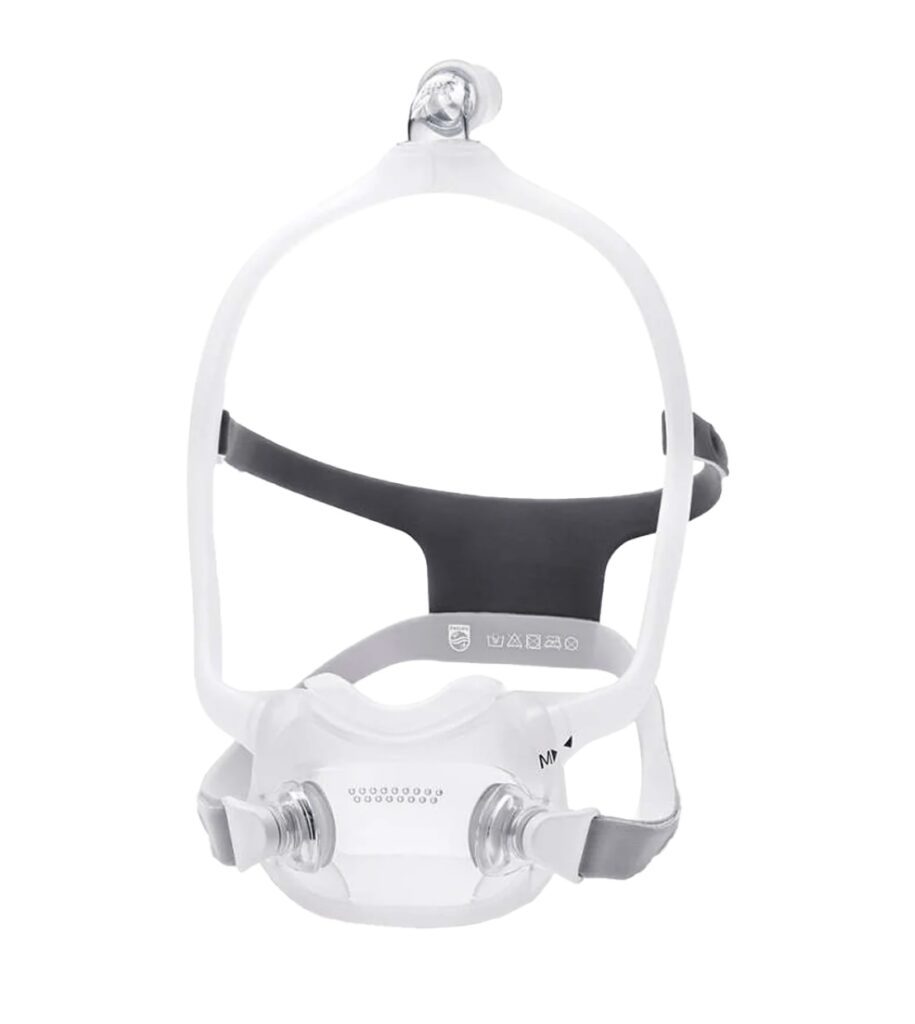
Philips Respironics DreamWear Full Face Mask


Ideal For
- Mouth breathers who want a less bulky full-face option
- Side and combination sleepers who need freedom to move
- Users who want a more open field of vision
Who Should Keep Looking
- People who exclusively breathe through their nose while sleeping
- People who need very high pressure settings
- Stomach sleepers or those who prefer ultra-minimal masks
-
Price
$135
-
Size
Small, Medium, Medium Wide, Large
The DreamWear Full Face Mask has a modern hybrid design that prioritizes freedom of movement without sacrificing the coverage needed for mouth breathing. Instead of covering the bridge of the nose like traditional full-face masks, it uses an under-the-nose cushion that seals beneath the nostrils and over the mouth.
One of its biggest advantages is the top-of-head hose connection, which allows the tubing to swivel and move freely as you change positions during the night. This design helps minimize tangling and makes it easier to sleep on your side or back, while also keeping your field of vision open so you can read or watch TV before bed.
That said, some users may experience leaks at higher pressure settings or need time to adjust to the under-the-nose fit. Overall, it’s a strong option for users who want a less bulky, more flexible full-face mask experience.
Use this SleepApnea.org link for the most current discount on Philips Respironics products
Shop NowCompare the Best Hybrid CPAP Masks
| ResMed AirFit F30i | Philips Respironics DreamWear | |
| Type | Full face | Full face |
| Price | $159 | $169 |
| Magnetic Hardwear | Yes | Yes |
| Cushion Type | Silicone | Silicone |
| Cushion Size | Small, Small Wide, Medium, Wide | Small, Medium, Medium Wide, Large |
| Headgear/Frame Size | Small, Standard, Large | Standard |
| Sleep Position | Side or back | All |
| Breathing Preference | Mouth, nasal, or both | Mouth, nasal, or both |
Why We Picked These
The SleepApnea.org team has a wealth of experience relating to all different types of sleep products. Our CPAP experts rely on in-depth analysis and research to select the best products on the market.
CPAP mask fit is highly personal, and a design that works for one person may not work for another. To ensure our recommendations apply to a wider variety of people, we supplement our research by drawing on reviews and feedback from real customers.
What Is a Hybrid CPAP Mask?
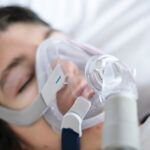
A hybrid CPAP mask is similar to a full-face mask in that it covers both the mouth and nose. However, a hybrid mask sports a more minimalist design that leaves a wider field of view and less facial coverage.
Different hybrid mask designs accomplish this in different ways. For example, a hybrid mask may use a nasal pillows design with prongs that sit inside the nostrils, or a nasal cradle design that sits under the nose. Unlike some other types of full-face masks, hybrid masks generally allow a separate seal for the mouth and the nose. Hybrid masks also skip a forehead stability bar, leaving the bridge of the nose and the forehead free.
Hybrid CPAP masks are a less claustrophobic option than typical full-face masks for people who prefer receiving airflow through both the mouth and the nose. They may be convenient for sleepers with allergies, a deviated sinus, or other nasal obstructions that sometimes prevent them from breathing through the nose.
The low-profile nasal pillows or cradle design may also form a better seal for those with facial hair, and they don’t cause pressure points on the bridge of the nose or the forehead. Since there aren’t any straps obstructing the eyes, hybrid CPAP masks allow users to wear glasses, read, or watch TV while wearing the mask.
What to Consider in a Hybrid CPAP Mask
When choosing a CPAP mask, you’ll want to consider individual factors such as fit, comfort, and sleep position, along with general factors such as the cost, quality of the materials, and compatibility with your other CPAP components.
- Cost: Pricing for hybrid CPAP masks tends to be similar to pricing for full-face CPAP masks, between $60 and $200. Due to its more complex design, a hybrid mask may set you back a little more than a nasal-only mask. That said, many insurance plans cover the cost of a CPAP mask.
- Fit: Using a mask with a good seal is essential to ensure you get the most out of your CPAP therapy. Most manufacturers offer different sizing options to suit a wide range of sleepers, including different-sized pillows if one nostril is bigger than the other. Check the size guide or talk to your doctor for help with choosing the right size.
- Comfort: Hybrid CPAP masks come in several different designs, and you may need to try several different models before finding one that works for you. Notably, hybrid masks with nasal pillows may be uncomfortable when used with higher pressure settings.
- Sleep position: Depending on the design, some hybrid masks may be easily knocked out of place when side sleeping or stomach sleeping. People who spend most of the night in these sleep positions may find a low-profile nasal mask works better.
- Materials: Mask cushions are commonly made of silicone, which is a flexible material that’s less likely to cause allergies than latex. The headgear and mask frame may incorporate cloth, hook-and-loop fasteners, memory foam, or other soft materials. If you or your bed partner use a pacemaker or other implanted medical device, check to see if the mask has magnetic clips, which can sometimes interfere with these devices.
- Compatibility: The majority of CPAP masks are designed to work with standard tubing attachments, making them compatible with most CPAP machines. Your mask may not be compatible with travel or mini CPAP machines, which use a more slender hose. Check the manufacturer’s compatibility guide before buying.
Frequently Asked Questions
Hybrid CPAP masks combine the mouth-and-nose coverage of a full-face mask with the low-profile design of a nasal pillows or nasal cradle mask. As a result, they accommodate the needs of sleepers who need a mask that accommodates mouth breathing, but prefer a less obtrusive design that leaves the forehead and bridge of the nose clear.
Putting on a hybrid CPAP mask is similar to putting on a full-face mask. You slip the headgear over the top of your head, pull the cushions over your mouth and nose, and adjust the straps until it forms a snug and comfortable seal. The mask should not be so tight as to cause discomfort. In fact, many masks form a better seal when they aren't overtightened.
If your mask has nasal pillows, check to make sure they are positioned straight inside your nose. You may need to readjust the mask after lying down.
Hybrid CPAP masks tend to have flexible tubing with a swivel elbow that moves to accommodate your changes in sleeping position. You should be able to sleep comfortably on your back and, often, on your side. If you’re a stomach sleeper, you may want to look for a low-profile mask with a top-of-head tubing attachment, which may be less likely to move out of place.
At first, learning to sleep with a CPAP mask can be challenging. It’s important to find a mask that fits right and forms a secure seal without irritating the skin. Wearing the mask during waking hours may help you get used to how it feels. You can also talk to your healthcare provider about choosing a mask and using different techniques to reduce discomfort, such as using a humidifier, wearing a mask liner, or adjusting the air pressure settings.

Written by
Danielle Pacheco, Contributing WriterDanielle is originally from Vancouver, BC, where she has spent many hours staring at her ceiling trying to fall asleep. She channels her frustration into researching sleep solutions and sharing insights with fellow insomniacs. Danielle spends her downtime trying out new recipes and working off the calories on the soccer field. Danielle studied the science of sleep with a degree in psychology at the University of British Columbia.