At a Glance
Most of the time, CPAP gurgling noises aren't a major cause for concern. That said, fixing the root of the problem is important if the sound is bothersome enough to keep you from using your machine or keeping you awake. Common ways to stop CPAP gurgling include adjusting the humidifier or temperature settings, improving mask fit, repositioning the hose, or making sure the water chamber isn’t overfilled.
A quiet bedroom can suddenly feel a lot less peaceful when your CPAP starts gurgling in the middle of the night. And though CPAP gurgling doesn't usually indicate a serious problem, it should still be addressed. A noisy CPAP can disrupt your sleep or the sleep of a bed partner. If a noise stems from an air leak, that may also reduce the effectiveness of treatment.
In this article, we’ll explain common causes of CPAP gurgling and how to address them, so you can continue this important sleep apnea treatment.
Stop CPAP Rainout Before It Starts
Shop heated CPAP tubing from Sleep Doctor and get 15% off with Subscribe & Save.
Common Causes of CPAP Gurgling
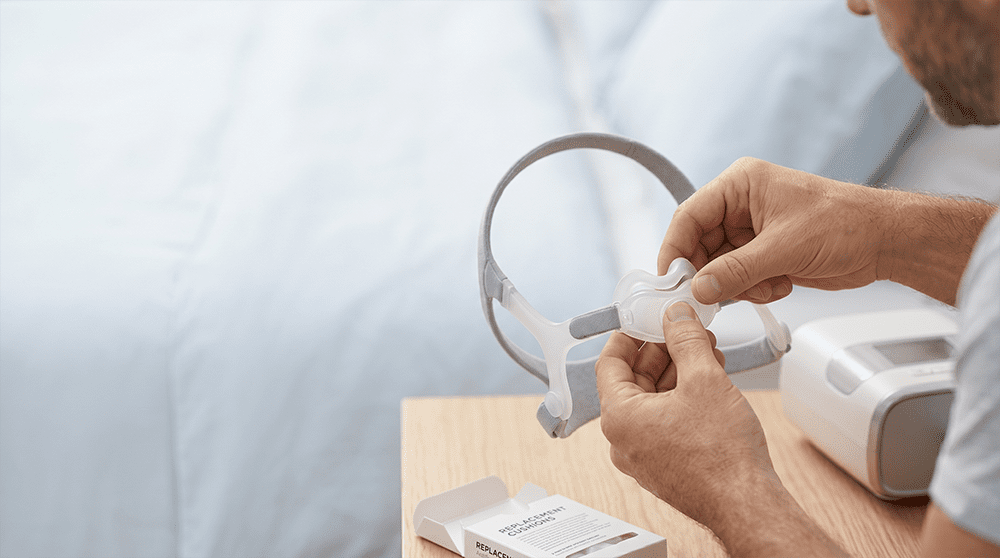
CPAP gurgling often stems from CPAP rainout, which refers to water collecting in the CPAP hose or mask. There are several potential causes of rainout.
Too Much Humidity
If your CPAP machine makes a gurgling sound when you use it, there may be humidity level adjustments needed. The heated humidifier on a CPAP machine can be set at levels ranging from very low to very high. When the humidity is too high, condensation can form in the tubing, creating a gurgling sound.
Condensation may cause other problems if it moves into the CPAP mask. Some people have reported water getting in their nose while wearing the mask or in their eyes when taking the mask off.
Cold Room Temperature
Rainout is most likely to form in CPAP tubing when the room temperature is cold and the heated humidifier is set to a higher temperature. Warm air traveling through tubing in a cold room creates condensation, because the humidity in the warm air inside the tube turns to water as it cools off. This rainout in the CPAP tubing can create bothersome gurgling as air moves past it.
Hose Position
If your CPAP machine is positioned at a higher level and the hose hangs down below it, gravity may pull any condensation formed down into the lowest part of the hose. Whether or not the hose is positioned to be exposed to cold room air may also impact if rainout develops and causes gurgling.
Overfilled Water Chamber
CPAP humidifier water chambers generally have a clearly marked “fill line.” If water is added beyond the fill-line point, the extra water may spill over into the tubing and contribute to rainout. Once water is in the tubing, it can create gurgling noises when the machine is on and air is moving past the water.
Mask or Hose Leaks
One of the most common CPAP problems, an air leak in your CPAP mask or hose may create not only the sound of rushing air, but also the sound of gurgling if the air is moving over water that’s in the tubing or mask. The sound and feel of air leaks may bother you, as well as a bed partner.
Air leaks are the most serious cause of CPAP noises, because they can alter the level of air pressure you receive. If you don't receive all of the air you require, the treatment may be less effective and not properly manage your sleep apnea until the leak has been resolved.
How to Fix a Gurgling CPAP Machine
The best way to fix a gurgling CPAP machine depends on the underlying cause of the gurgling. Most often, gurgling is caused by rainout in CPAP tubing. There are multiple adjustments you can make that may prevent this condensation from continuing to form.
Lower Humidity Settings
Because high humidity can lead to rainout, lowering these settings on your CPAP machine may resolve the gurgling issue. However, you don't want to decrease the humidity levels too much. When CPAP air has very low humidity, it may cause dry mouth or other negative CPAP side effects.
Your sleep specialist or a sleep technician should be able to teach you how to adjust your CPAP machine's humidity settings, if you don't already know how.
Use Heated Tubing
Switching from regular tubing to heated tubing prevents the warm, humid air your CPAP machine releases into the hose from becoming cooled off by cold air in the room.
Some CPAP machines come with heated tubing, but even if yours didn’t, you can likely purchase the heated tubing separately to improve your comfort. If you do, you’ll also need to turn on heated tubing settings in your device controls to ensure the tubing actually heats up. Most new CPAP machines have multiple heated tubing control options, including an auto setting that automatically adjusts the tubing's heat level based on room temperature.
Alternatives to heated tubing include tucking your CPAP hose beneath your covers or buying a separate tubing cover, also called a tube jacket or wrap, to put over the tubing. Both of these methods provide insulation to the tubing, so it’s no longer directly exposed to cold room air that may prompt condensation.
Keep the Hose Elevated
Some people lower the position of their CPAP machine by putting it on a very low nightstand or table, so the tubing remains above it and water doesn’t collect in the tubing. Others raise the CPAP tubing instead, such as by putting it on the bed, beneath bedding to keep it in place.
You can also buy a CPAP tubing hook. These can help keep tubing elevated as you sleep and also provide a place to keep your tubing when you aren't using it. For some people, it can also make CPAP use less cumbersome, as the tube is out of the way. CPAP tubing hooks may also be called CPAP hose holders. Some are attached to stands that sit on the floor, while others must be affixed to the wall or headboard.
Adjust Room Temperature
Because rainout often stems from the combination of heated CPAP air and cold room air colliding, adjusting the room temperature may also help. Turning the thermostat up a notch, so your bedroom isn't quite so cold at night, may reduce the severity of rainout that develops in your CPAP tubing and, as a result, the amount of gurgling you hear.
However, sleep experts generally agree that the best room temperature is between 65 and 68 degrees Fahrenheit, so be careful that you don't increase the room temperature too much and disrupt your sleep.
Empty and Refill the Water Chamber Properly
If an overfilled water chamber is contributing to rainout and gurgling, emptying and refilling the chamber may be a good idea. When you empty the chamber, also look inside the machine where the chamber connects to the tubing to see if there’s any excess water that needs to be wiped up. When refilling the water tub, be careful to not let the water rise above the maximum fill line.
Resolve Mask or Hose Leaks
In many cases, simply adjusting a mask's positioning or tightening headgear straps can help resolve mask leaks. Sometimes, you’ll need a different size or style of mask, or you may need a completely new mask if the old one has worn or stretched out.
When leaks are occurring through the mouth, the addition of a chin strap may help. If you can’t figure out the source of a leak on your own, your sleep specialist or sleep technician should be able to help.
When to Contact Your Equipment Provider
If you've tried all of the strategies mentioned here, but continue to hear gurgling from your CPAP machine or experience water entering your hose and mask, contact your sleep specialist or equipment provider. Your healthcare provider can help you troubleshoot general CPAP problems and make adjustments, while your equipment provider can help you identify if there are problems with your equipment or accessories and offer exchanges or returns as needed.
It's especially important to seek help if your machine is producing error messages or there are signs it might be malfunctioning. Even if it continues to run, a broken CPAP machine may be unable to adequately treat your sleep apnea. Similarly, it's important to seek help if the issues you're facing are causing you to stop using your CPAP machine or use it less often. Nightly CPAP use is important to properly treat sleep apnea and occasional use doesn't have the same impact.
Medical Disclaimer: This content is for informational purposes only and isn't a substitute for professional medical advice. Consult your healthcare provider with questions about any symptoms you're experiencing or before changing or stopping an existing treatment.

Written by
Jay Summer, NBC-HWC, Contributing WriterJay Vera Summer is a writer, editor, and wellness coach. She holds a Bachelor's of Science in psychology and Master's degrees in both writing and public policy. As a wellness coach, she's certified by the Mayo Clinic and the National Board for Health and Wellness Coaching (NBHWC). She's been writing about sleep and other health topics for six years. Previously, she taught undergraduate writing courses for five years at the University of South Florida.

Reviewed by
Dustin Cotliar, MD, MPH, Medical ReviewerDr. Dustin Cotliar is a board-certified emergency medicine physician with more than eight years of clinical experience across emergency departments and urgent care settings. He earned his medical degree from the State University of New York (SUNY) Downstate College of Medicine and a Master of Public Health from Columbia University.