At a Glance
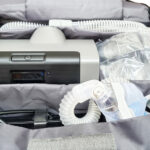
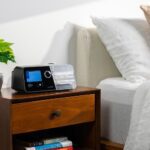
CPAP machines and supplemental oxygen treat different breathing problems, but they are sometimes used together for people who have sleep apnea and low blood oxygen levels. In these cases, oxygen can be connected to the CPAP system through a special adapter so the machine keeps the airway open while the oxygen increases the amount of oxygen in the air you breathe.
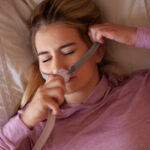
Continuous positive airway pressure (CPAP) machines and supplemental oxygen are different forms of treatment for breathing conditions. Sometimes, they're used together.
Doctors commonly prescribe CPAP therapy to treat sleep apnea, a disorder that causes a person to experience pauses in their breathing while asleep. Doctors sometimes recommend using a CPAP machine with supplemental oxygen. The combination is also sometimes used for people with both obstructive sleep apnea (OSA) and chronic obstructive pulmonary disease (COPD), a chronic, inflammatory lung disease that obstructs airflow from the lungs.
We’ll take a closer look at both CPAP therapy and oxygen therapy, explaining how they differ and how they are used together.
Need a CPAP Prescription? Start Here.

our partner at sleepdoctor.com
10% off Home Sleep Tests
Buy Now“Truly grateful for this home sleep test. Fair pricing and improved my sleep!”
Dawn G. – Verified Tester

Simple and convenient
- Equipment delivered to your doorstep
- One overnight test in the comfort of your own bed

Uncover sleep apnea
- Quietly collects data while you sleep
- 98% effective in detecting sleep apnea

Affordable & ships fast
- Arrives in 2-4 business days
- In-lab sleep tests cost ~$3,000+ (this one’s $189), HSA/FSA eligible


What Is the Difference Between CPAP Therapy and Oxygen Therapy?
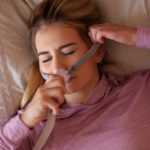
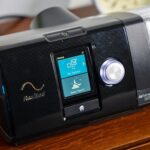
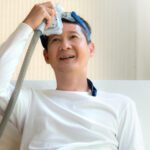
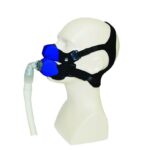
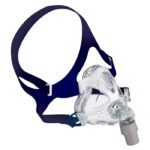
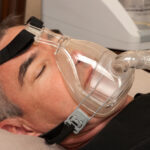
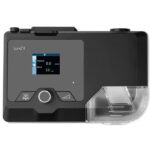
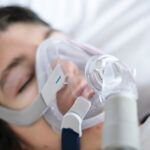
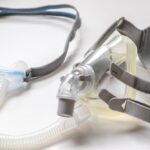
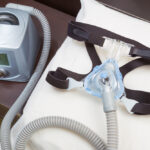
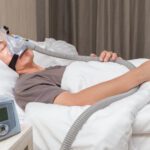
CPAP machines deliver pressurized air through a hose and a mask to keep a sleeper's upper airway open and prevent lapses in breathing. Other types of positive airway pressure (PAP) devices include BPAP machines, which have differing pressure settings for inhalation and exhalation, and APAP machines, which automatically adjust air pressure levels in response to breathing patterns.
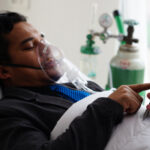
Oxygen therapy, on the other hand, supplies the user with nearly pure oxygen, helping increase oxygen saturation in blood for people with low oxygen levels in blood from heart disease or lung conditions. In contrast, ordinary air is made up of about 21% oxygen.
Both PAP machines and oxygen concentrators (machines that deliver pure oxygen extracted from room air) require a power source and draw in air from the surrounding environment. Oxygen tanks don't require power because they are prefilled with oxygen, though they must be refilled or replaced when the oxygen runs out.
CPAP Machines vs. Supplemental Oxygen
| CPAP Machine | Supplemental Oxygen |
|---|---|
Benefits:
| Benefits:
|
Limitations:
| Limitations:
|
Can You Use a CPAP Machine With Oxygen?
As a CPAP user, you can connect a source of supplemental oxygen to your CPAP machine. Depending on your specific CPAP accessories and oxygen source, setup may be as simple as attaching the oxygen source to a port in your mask. If that isn't an option, you may need to buy an inexpensive adapter, known as a bleed-in connector, that attaches to your CPAP hose.
People who use supplemental oxygen at home usually have a choice between oxygen tanks, which contain oxygen in liquid or gas form, and oxygen concentrators, which draw oxygen from the surrounding air. Both types of supplemental oxygen have benefits and downsides, so it’s important to speak with your doctor about which might work best for your needs.
Medical Conditions Treated Using Oxygen With a CPAP Machine
While doctors usually prescribe supplemental oxygen and CPAP therapy independently, people with certain health conditions may benefit from receiving both treatments at once. Doctors may also prescribe both CPAP therapy and supplemental oxygen to people who have certain coexisting conditions.
- Sleep apnea: Supplemental oxygen combined with PAP therapy is used to treat some people with central sleep apnea (CSA), a condition that involves the brain failing to signal the muscles that control breathing. Oxygen therapy can also alleviate symptoms of OSA in people who cannot use a CPAP machine, though it's less effective than CPAP when used by itself.
- Chronic obstructive pulmonary disease (COPD): Oxygen therapy and BPAP therapy can both be used to treat COPD, which is a group of progressive lung diseases that includes emphysema and chronic bronchitis. Doctors may prescribe both treatments for individuals with low blood oxygen levels related to COPD.
- Overlap syndrome: Co-occurring COPD and OSA is known as overlap syndrome. It's sometimes treated with a combination of CPAP therapy and supplemental oxygen.
- Heart failure: Oxygen therapy is prescribed for some people with acute heart failure who have low oxygen saturation. OSA is common in people with heart failure, as is CSA that occurs with an abnormal breathing pattern called Cheyne-Stokes respirations. CPAP therapy is sometimes prescribed for people with heart failure and OSA. For people with heart failure who experience Cheyne-Stokes respirations, PAP therapy may be combined with supplemental oxygen.
Benefits of Using a CPAP Machine With Oxygen
For people with both OSA and low blood oxygen levels due to underlying cardiopulmonary disorders, using a CPAP machine with supplemental oxygen can offer significant health benefits. This combination therapy ensures that airways remain open while also delivering the oxygen your body needs for optimal function during sleep. Key benefits include:
- Personalized Therapy: Most modern CPAP machines can be used with oxygen concentrators, offering customizable settings to meet the specific needs of your condition—all under the guidance of a healthcare provider.
- Improved Blood Oxygen Levels: While CPAP keeps the airway from collapsing, the added oxygen helps maintain healthy oxygen saturation throughout the night, reducing the risk of complications like pulmonary hypertension and heart strain.
- Decreased Strain on the Heart and Lungs: For people with overlapping conditions like OSA and COPD, combination therapy can help reduce the workload on vital organs, potentially slowing disease progression and improving long-term outcomes.


Types of Supplemental Oxygen Used With CPAP Machines
CPAP machines can be used with either an oxygen tank or an oxygen concentrator. There are significant differences between these supplemental oxygen sources that you should consider when deciding which works best for your needs.
Oxygen Concentrators
Oxygen concentrators turn ordinary air into oxygen-enriched air by removing nitrogen. Stationary oxygen concentrators are larger and heavier but offer a higher oxygen flow rate and are generally less expensive. Portable oxygen concentrators are smaller but deliver less oxygen and typically cost more.
Benefits:
- Continuously produces oxygen-enriched air and doesn't need to be refilled
- May offer oxygen flow control features
- Easy to travel with, and some models can be used while flying
You Shouldn’t Use One If:
- You are a very light sleeper who may be awakened by the device’s low hum
- Your doctor believes you will only need supplemental oxygen for a short period
- You live in an area prone to power outages and can’t afford a backup generator
Oxygen Tanks
Oxygen tanks store oxygen in either gas or liquid form. They'll eventually run out of oxygen and need to be refilled or replaced. Users can choose between larger tanks intended for at-home use and smaller tanks that are more portable, though there are regulations surrounding oxygen transport that can make travel difficult.
Benefits:
- Don’t require electricity
- Available in several sizes, with a choice of gaseous or liquid oxygen
- Lower upfront cost if you only need supplemental oxygen temporarily
You Shouldn’t Use One If:
- You’re unable to have the tank refilled on a consistent basis
- Your ability to lift or move heavy tanks is limited
- You’re a frequent flyer
Like CPAP machines, supplemental oxygen is only available with a prescription and should only be used under medical supervision. The Food and Drug Administration has issued warnings about using supplemental oxygen without a doctor’s prescription, as breathing too much oxygen at once or over time can lead to oxygen toxicity.
If you believe you may benefit from supplemental oxygen, or you're unsure which type of oxygen system is best for you, your doctor can answer your questions and write any necessary prescriptions.
How Do You Connect a CPAP Machine to an Oxygen Source?
There are two main ways to connect supplemental oxygen to a CPAP machine: through a port in the CPAP mask or using a bleed-in connector. If your mask has an oxygen port, simply remove the plug and insert the oxygen tubing as instructed in the user guide. If not, you can use a bleed-in connector—an accessory that fits between the CPAP machine and hose and includes a port for the oxygen tubing. Some heated hoses also have built-in oxygen ports, while others may require a connector near the mask instead of the machine.
Medical Disclaimer: This content is for informational purposes and does not constitute medical advice. Please consult a health care provider prior to starting a new treatment or making changes to your treatment plan.
Frequently Asked Questions
Absolutely. You can still use supplemental oxygen with a CPAP machine that has a built-in humidifier. Most CPAP devices are designed to accommodate both features simultaneously. The oxygen is typically added through a small port in the CPAP tubing using an oxygen bleed-in adapter, which blends the oxygen with the pressurized air before it reaches your mask. The humidifier continues to add moisture to the air as usual, helping to reduce dryness or irritation.
However, it's important to follow your equipment manufacturer's guidelines and consult your healthcare provider to ensure everything is set up safely and correctly.
Yes, you can use a BPAP (bilevel positive airway pressure) machine with supplemental oxygen. In fact, this combination is often prescribed for people with more complex respiratory conditions, such as COPD or overlap syndrome. The oxygen is typically added through a special adapter that connects to the BPAP tubing, allowing it to mix with the pressurized air before being delivered through your mask.
This setup helps ensure you’re getting both adequate ventilation and the oxygen levels your body needs. As always, consult your healthcare provider to make sure your equipment is properly configured and safe for your specific needs.
Supplemental oxygen alone is not effective to treat OSA, but it may be used in addition to PAP therapy if needed. It may help relieve some symptoms of sleep apnea for some people, such as oxygen desaturation. However, oxygen therapy may also cause complications for people with sleep apnea, such as increasing the duration of lapses in breathing during sleep.
If you have sleep apnea and your doctor believes you would benefit from oxygen therapy, they have likely determined that the benefits of supplemental oxygen outweigh the potential adverse effects in your situation.
CPAP therapy and supplemental oxygen are not interchangeable and cannot be easily substituted for each other. CPAP machines are significantly better than supplemental oxygen for treating sleep apnea. If your doctor has prescribed you a CPAP machine for sleep apnea or any other condition, it’s essential to use it as directed. Changing your treatment should only be done under medical supervision, as there are certain side effects of using supplemental oxygen alone to treat OSA that can make apneas worse.
Both supplemental oxygen and CPAP therapy can cause side effects, such as dry nasal passages and facial irritation from wearing a mask. Oxygen therapy can sometimes cause issues similar to sleep apnea symptoms, such as daytime sleepiness and morning headaches. There's also the risk of fire, so never smoke or use open flames while on oxygen.
Using both CPAP and oxygen increases the complexity of your bedside setup: Extra tubing, approved adaptors, and flow meters make the system more cumbersome and may require you to perform more regular checks that things are functioning properly.

Still have questions?
Sleep apnea products can be confusing. If you need individualized assistance, post your question to the Sleep Doctor forum.

Written by
Tochukwu Ikpeze, MD, Contributing WriterTochukwu grew up in New York and has a passion for creative and scientific writing. Tochukwu holds an undergraduate degree in Biology and Psychology, a Master’s degree in Biomedical Science, and a Medical Degree as well. In his free time, Tochukwu enjoys reading, learning, exploring various topics pertaining to the human condition and conveying that information to the public through writing.

Reviewed by
Pranshu Adavadkar, MD, Medical ReviewerDr. Pranshu Adavadkar is a board-certified sleep medicine physician and pediatrician with more than two decades of clinical experience diagnosing and treating sleep disorders in both children and adults. His clinical work focuses on conditions such as obstructive sleep apnea, insomnia, and other sleep-related breathing disorders.