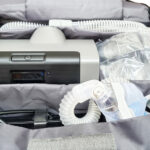
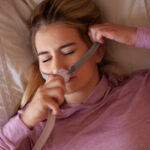
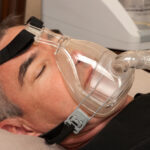
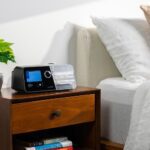
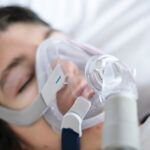
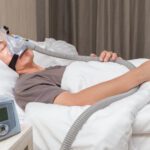
When selecting a CPAP machine, many sleepers — especially first-time CPAP users — may wonder if their CPAP machine is loud. The good news is that, while devices of the past may have had a reputation for being noisy, modern CPAP machines are far quieter. In fact, many register below 30 A-weighted decibels (dBA), which is roughly the volume of a whisper.
However, if you’re sensitive to noise, selecting an exceptionally quiet CPAP machine may be a worthwhile investment for your sleep. We’ll review some of the top options, share tips for reducing CPAP noise, and break down what else to consider before making a purchase.
Our Top Picks


Best Overall
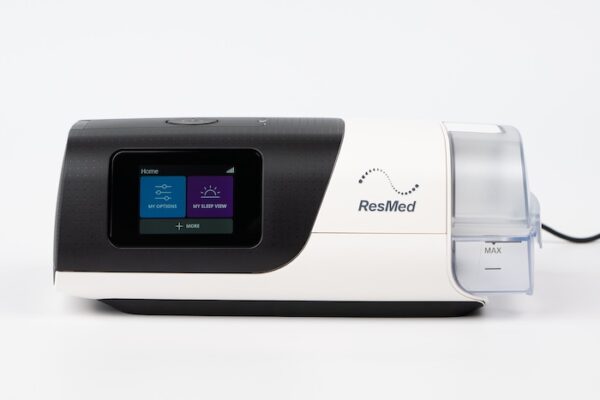
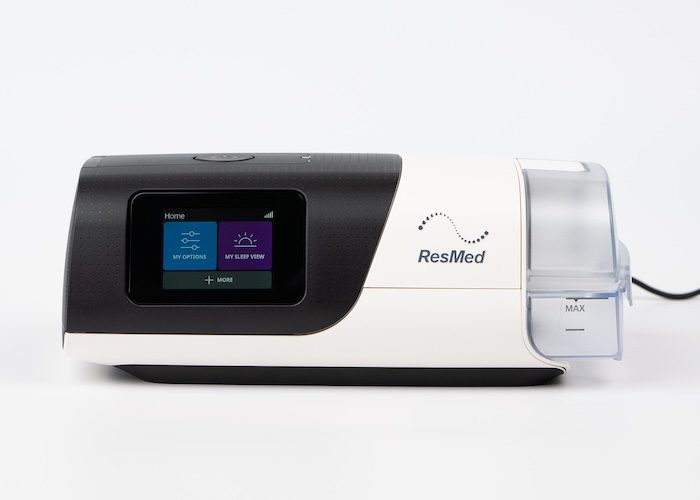
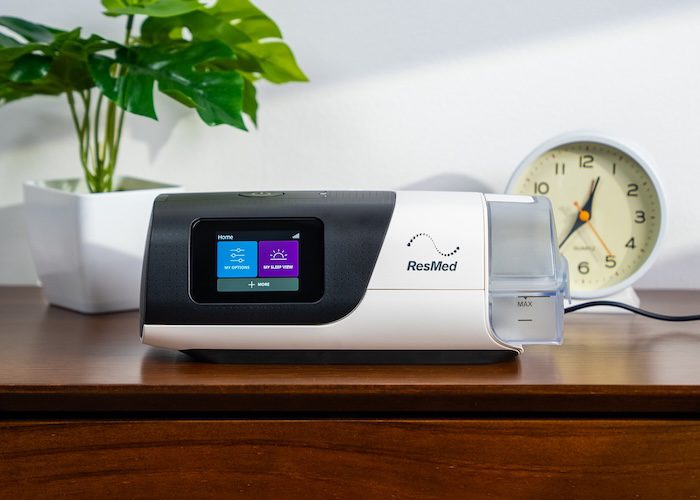
ResMed AirSense 11 AutoSet CPAP Machine
Ideal For
- Individuals who experience congestion or airway sensitivity
- Those just starting PAP therapy
- Sleepers who want automatic pressure, temperature, and humidity adjustments
Who Should Keep Looking
- Shoppers on a tight budget with limited insurance coverage
- Individuals who don’t want sleep data tracked
-
Price
$1,044
-
Dimensions
10.2″ x 5.5″ x 3.7″
-
Noise Rating
27 dBA
-
Weight
2.5 lbs.
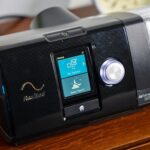
The ResMed AirSense 11 includes a wide range of features built for comfort, making it especially popular for those new to PAP therapy and sleepers who’ve found other options uncomfortable or disruptive for sleep. Depending on the tube, cover, and settings, this device can be as quiet as 27 dBA.
As an APAP machine, the ResMed AirSense 11 monitors your breathing patterns overnight and adjusts pressure levels accordingly. Temperature and humidity controls can also be set for automatic adjustments, or you can control them manually.
You can also set a ramp time, during which pressure starts low and gradually increases to the prescribed level for extra comfort while falling asleep. An LCD touchscreen enables easy control and a convenient view of sleep data, and an accompanying app helps you monitor your progress.
Use this SleepApnea.org link for the most current discount on ResMed products
Shop NowBest Budget Option
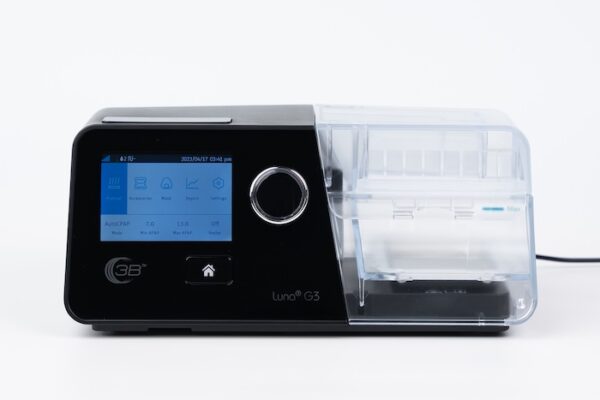
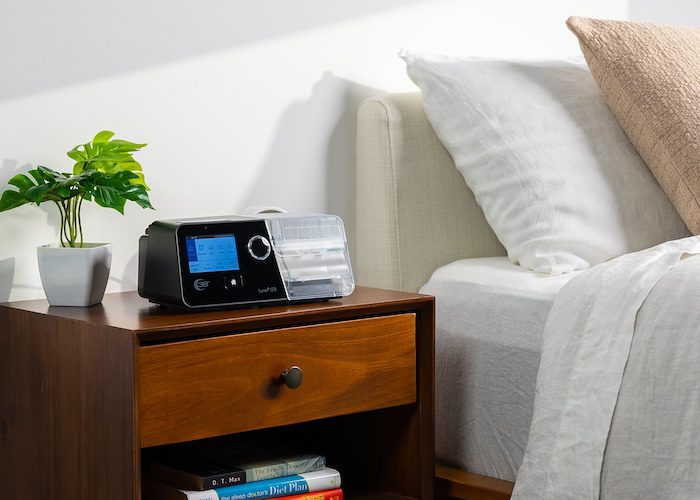
Luna G3 Auto-CPAP

Ideal For
- Cost-conscious shoppers
- Those looking for a lightweight option
- Sleepers prone to dry airways
Who Should Keep Looking
- Those who want exhalation relief features
- Anyone who wants to track sleep data beyond basic compliance
-
Price
$849
-
Dimensions
10.43″ × 5.70″ × 4.48″
-
Noise Rating
26 dBA
-
Weight
3.75 lbs.
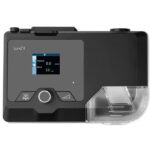
The Luna G3 Auto-CPAP combines a user-friendly design and budget-friendly price. An integrated humidifier with a preheat option is included with comfort in mind. Similarly, the ramp feature gradually increases the pressure setting as you fall asleep, which many people find more comfortable than fixed pressure.
The display interface allows simple navigation and shares the time, and compliance data can transfer via cellular, SD card, and iCode to ensure consistent access. Reminders alert you when it’s time to replace setup components.
The sound level registers as low as 26 dBA on a midrange pressure setting.
Use this SleepApnea.org link for the most current discount on React Health products
Shop NowBest for New Users
ResMed AirSense 10 AutoSet CPAP Machine with Heated Humidifier


Ideal For
- Individuals who find fixed air pressure uncomfortable
- Those who struggle to fall asleep with their CPAP at full pressure
- Sleepers who are often congested or experience allergy symptoms
Who Should Keep Looking
- Sleepers who are comfortable with a fixed pressure setting
- Those who don’t mind the fixed pressure rate of standard CPAP machines
-
Price
$960
-
Dimensions
4.57 x 10.04 x 5.91
-
Noise Rating
27 dBA
-
Weight
2.75 lbs,
Combining robust comfort and monitoring features, the ResMed AirSense 10 AutoSet balances convenience, ease of use, and data-driven sleep insights.
Sleepers don’t need to press a button to begin therapy, with the machine automatically delivering pressurized airflow as soon as inhalation is detected. You can set the device to begin with a lower pressure and ramp up to the prescribed pressure as you fall asleep. From there, the ResMed AirSense 10 AutoSet continues to adjust pressure based on your needs to personalize and optimize your therapy. It can also reduce the pressure applied during exhalation for comfort, and a built-in humidifier offers eight levels of humidification and can be set to adjust automatically.
Advanced detection capabilities are designed to help flag patterns associated with central sleep apnea (CSA) and Cheyne-Stokes respiration (CSR) to give your doctors more insights. Pulse oximetry monitoring is also an available option.
To help you track progress and get the most out of your treatment, an app integration shares sleep insights, usage data, and tips. The sound level registers around 26 dBA thanks to ResMed's Easy-Breathe motor.
Use this SleepApnea.org link for the most current discount on ResMed products
Shop NowBest for Travel
ResMed AirMini


Ideal For
- Frequent travelers
- Anyone who may need to use their CPAP machine on a plane
- Those who want a device with waterless humidification
Who Should Keep Looking
- Shoppers looking to avoid purchasing a compatible mask setup
- Those plan to pay for their CPAP machine with health insurance
-
Price
$919
-
Dimensions
5.4″ x 3.3″ x 2.1″
-
Noise Rating
29 dBA
-
Weight
0.66 lbs.
The ResMed AirMini is a compact, lightweight machine built for portability. Since this device is FAA-compliant, it is suitable for in-flight use on airplanes.
Despite being designed for travel, the ResMed AirMini has many of the features common in larger CPAP machines. You can select a fixed pressure setting or have the machine automatically adjust based on your breathing, which includes a “For Her” option based on normal breathing patterns for women. It also offers travel-friendly waterless humidification with special cartridges that moisten the tubing without drawing from a water chamber.
An accompanying app allows you to adjust the settings and review sleep data for the last 30 days. The ResMed AirMini’s sound level falls around 30 dBA.
Use this SleepApnea.org link for the most current discount on ResMed products
Shop NowCompare the Quietest CPAP Machines
| ResMed AirSense 11 | Luna G3 | ResMed AirSense 10 | ResMed AirMini | |
| Type | CPAP, APAP | BiPAP | CPAP, APAP | Travel CPAP |
| Price | $1,044 | $1,499 | $768 | $735 |
| Dimensions | 3.72” x 10.71” x 5.45” | 4.49” x 10.43” x 5.71” | 4.57” x 10.04” x 5.91” | 5.4” x 3.3” x 2.1” |
| Weight | 2.3 lbs. | 3.75 lbs | 2.75 lbs. | 0.66 lbs. |
| Noise Level | 27 dBA | 26 dBA | 26 dBA | 30 dBA |
| Pressure Range | 4-20 cm H20 | 4-20 cm H20 | 4-20 cm H20 | 4-20 cm H20 |
| User Controls | Touchscreen | Dial | Dial | Start button and app |
| Humidification Type | Integrated | Built-in | Integrated | Compatible with waterless humidification |
| Pressure Relief | Yes | Yes | Yes | Yes |
| Ramp | Yes | Yes | Yes | Yes |
| FAA Compliant | Yes | No | Yes | Yes |
| Mobile App | Yes | No | Yes | Yes |
| Auto Start/Stop | Yes | Yes | Yes | Yes |
| Warranty | 2 years | 2 years | 2 years | 2 years |
Why We Picked These
Our SleepApnea.org team understands that comfort and consistency are essential for successful CPAP therapy, which is why we carefully evaluate CPAP machines with quiet operation in mind.
To identify the best quiet CPAP machines, we draw on our deep knowledge of sleep apnea, CPAP therapy, and CPAP equipment. We research and compare dozens of models, focusing on factors such as decibel levels, noise-reducing design features, user feedback, and reliability. We prioritize machines from reputable manufacturers that combine quiet performance with effective therapy and strong availability for long-term use.
How Loud Is a CPAP Machine?
Most modern CPAP machines produce around 30 A-weighted decibels (dBA) of noise. This is approximately the volume of a light whisper. However, CPAP machine noise levels vary depending on the machine type, age, model, settings, mask fit, maintenance, and setup. Taking into account those factors, CPAP machine noise levels may vary from 25 dBA to 35 dBA.
How to Make a CPAP Machine Quieter
There are several easy options that can help reduce the noise from your CPAP machine.
- Careful placement: Placing your CPAP on a stable surface that prevents shifting or wobbling can often help reduce noises. CPAP mats are designed for the task. Ensure the tubing is routed carefully and minimize kinks to further reduce sound.
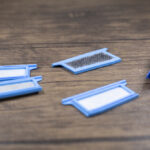
- Routine maintenance: Worn parts or old filters can sometimes increase the noise, so performing routine maintenance on a regular basis can keep your CPAP machine quieter. Also check your hose and mask regularly for signs of damage or deterioration, and ensure connections are secure.
- Covers or enclosures: CPAP noise covers and enclosures are widely available and intended to dampen noises.
How to Make a CPAP Mask Quieter
CPAP-associated noises often stem from the mask rather than the machine itself. Here are some considerations if your CPAP mask is the source of disruption:
- Proper fit: Leaks stemming from improper fit are one of the leading sources of noise. Ensuring your mask fits well and tightening headgear sufficiently can often promote a quieter night’s sleep.
- Routine maintenance: Worn cushions and other parts frequently lead to air leaks and disruptive sounds. Cleaning and replacing them regularly can prevent unnecessary noise.
- Mask style: Some mask styles, like nasal pillows, can be quieter than others. If you’re not satisfied with your current mask, you may want to explore other options with your doctor.
What Else to Consider When Buying a CPAP Machine
While noise level is an important consideration, you need to take a few factors into account to select the best CPAP machine.
- Type of machine: Your doctor will usually advise you on the best type of CPAP machine for you, but understanding the options can help you ask the right questions.
- Pressure settings: A CPAP prescription dictates the appropriate pressure settings. While most machines have pressure settings ranging from 4 to 20 centimeters of water (cm H2O), you’ll want to confirm that any machine you consider offers the setting you need.
- Humidification: Many machines have humidification to maintain comfortable moisture and temperature levels in your CPAP tubing, which may come in handy if you experience nose or throat dryness.
- Portability: If you regularly sleep away from home, portable options like travel CPAP machines may be preferable.
- Compatibility: CPAP machine manufacturers typically specify compatible masks and tubing, which are important if you have existing CPAP components at home or are concerned with budget.
- Ease of use: Machines may include a screen-based interface, a compatible app, or both.
- Features: Features like automatic ramp, auto-adjusting pressure, expiratory pressure relief, and data tracking can increase the machine’s effectiveness and improve your comfort level.
- Maintenance: Maintenance is essential for proper, quiet functioning. Ensuring the process is simple can make it easier to keep up with.
- Insurance: If your insurance will contribute to the cost of the machine, it may dictate specifics about which machine you can purchase or where you should buy it from.

Still have questions?
Sleep apnea products can be confusing. If you need individualized assistance, post your question to the Sleep Doctor forum.

Written by
Danielle Pacheco, Contributing WriterDanielle is originally from Vancouver, BC, where she has spent many hours staring at her ceiling trying to fall asleep. She channels her frustration into researching sleep solutions and sharing insights with fellow insomniacs. Danielle spends her downtime trying out new recipes and working off the calories on the soccer field. Danielle studied the science of sleep with a degree in psychology at the University of British Columbia.