At a Glance
CPAP machines and oxygen concentrators both deliver airflow, but they treat different breathing problems. A CPAP machine uses pressurized air to keep the airway open during sleep apnea, while an oxygen concentrator supplies oxygen-enriched air to people whose blood oxygen levels are too low due to conditions like COPD or other lung diseases.
Oxygen concentrators and continuous positive airway pressure (CPAP) machines are two medical devices commonly used to manage respiratory issues. Oxygen concentrators deliver oxygen-enriched air to people who need to increase the amount of oxygen in their bloodstream. CPAP machines deliver pressurized air to help keep the upper airway open during sleep. A prescription from a doctor is required to obtain either device.
We’ll explore the differences between oxygen concentrators and CPAP machines, the conditions they treat, and how they work.
Need a CPAP Prescription? Start Here

our partner at sleepdoctor.com
10% off Home Sleep Tests
Buy Now“Truly grateful for this home sleep test. Fair pricing and improved my sleep!”
Dawn G. – Verified Tester

Simple and convenient
- Equipment delivered to your doorstep
- One overnight test in the comfort of your own bed

Uncover sleep apnea
- Quietly collects data while you sleep
- 98% effective in detecting sleep apnea

Affordable & ships fast
- Arrives in 2-4 business days
- In-lab sleep tests cost ~$3,000+ (this one’s $189), HSA/FSA eligible


What Is an Oxygen Concentrator?
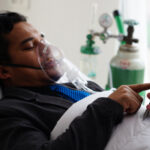
An oxygen concentrator is a machine that supplies supplemental oxygen. It draws in outside air, then removes nitrogen from the air to increase the percentage of oxygen. This filtered air is then delivered to the user through either a face mask or a nose tube, called a nasal cannula.
Oxygen concentrators are available in either home or portable models. Home devices are typically bulky and have wheels for easier transport, while portable models are more convenient but tend to be pricier. Portable devices also generally deliver lower levels of pure oxygen.
Conditions Treated With an Oxygen Concentrator
Oxygen concentrators are used to treat a variety of respiratory conditions that impact blood oxygen levels. A concentrator delivers oxygen-enriched air to increase oxygen saturation and ease respiratory difficulties. Oxygen concentrators can treat and ease symptoms of several conditions, including:
- Chronic obstructive pulmonary disease (COPD)
- Severe asthma
- Pneumonia
- COVID-19
- Cystic fibrosis
How Oxygen Concentrators Work
Oxygen concentrator works by drawing in ambient air, which is made up of roughly 78% nitrogen and 21% oxygen. The device uses a filtration system—typically a series of filters and a component called a zeolite sieve bed—to separate and remove nitrogen from the air. What remains is oxygen at a concentration of about 85% to 95%, which is then delivered to the user through a nasal cannula or face mask.
Unlike oxygen tanks, which store a finite amount of compressed or liquid oxygen, oxygen concentrators generate oxygen continuously, as long as the machine is powered. They can be used in both stationary (home-based) and portable forms, making them convenient for people who need long-term oxygen therapy. Most models also include settings to adjust the flow rate, either in a continuous stream or in pulses that align with the user’s inhalation, depending on their prescribed needs.
What Is a CPAP Machine?
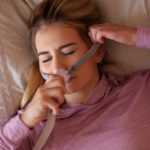
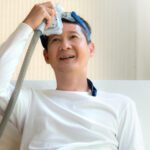
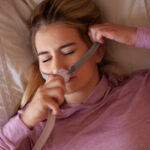
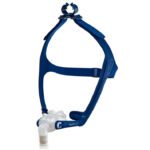
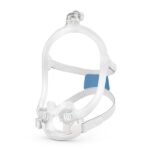
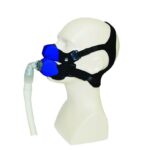
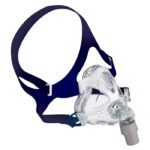
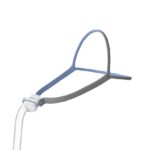
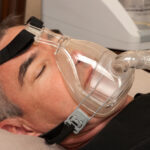
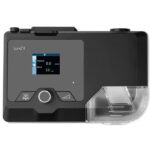
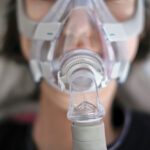
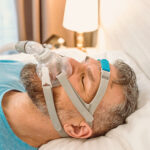
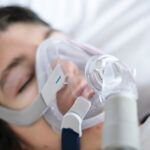
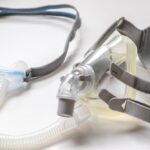
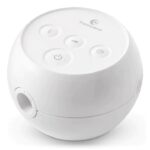
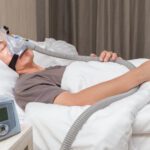
A CPAP machine is a medical device that delivers a steady stream of pressurized air through a mask that seals at the nostrils, over the nose, or over the mouth and nose. The pressurized air helps prevent airway collapse during sleep.
Conditions Treated With a CPAP Machine
Following a sleep study, a doctor may prescribe CPAP therapy if they determine that you have a form of sleep apnea. A CPAP device can provide a variety of benefits related to keeping the airway open to allow normal breathing, such as stabilizing oxygen levels, enhancing overall sleep quality, eliminating snoring, and improving blood pressure.
CPAP and other forms of positive airway pressure (PAP) therapy are commonly prescribed for both obstructive sleep apnea (OSA) and central sleep apnea (CSA). The latter condition is less common and involves pauses in breathing during sleep due to interruptions in the brain’s signals to the muscles that control breathing.
OSA, which involves a narrowing or blockage of the upper airway when the throat muscles relax during sleep, is sometimes treated with automatic positive airway pressure (APAP) therapy or bilevel positive airway pressure (BiPAP) therapy.
An APAP machine automatically adjusts air pressure based on the user’s breathing patterns, while BiPAP machines deliver differing air pressure levels during inhalation and exhalation. While APAP is not recommended for people with CSA, BiBAP therapy is a common treatment option.
How CPAP Machines Work
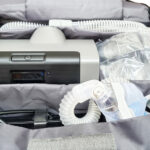
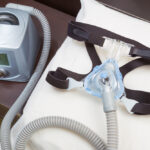
A CPAP machine works by drawing in room air, filtering out dust and other contaminants, and then gently propelling the air through a hose connected to a face mask. The mask delivers this steady stream of pressurized air into the airway, helping to keep it open throughout the night and prevent breathing disruptions.
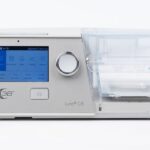
Many CPAP machines also feature built-in or optional humidifiers, which add moisture to the air to prevent dryness and irritation in the nose and throat, making therapy more comfortable for nightly use.

What Is the Difference Between a CPAP Machine and an Oxygen Concentrator?
While CPAP machines and oxygen concentrators both provide targeted airflow, they differ in design, function, and pricing. A CPAP machine uses pressurized air to help keep the airway open during sleep, while an oxygen concentrator provides oxygen-enriched air for people with low blood oxygen levels. CPAP machines are typically more compact, weigh less, and cost less on average.
Consult your doctor to determine the best treatment options for your specific needs.
Oxygen Concentrators vs. CPAP Machines
| Oxygen Concentrator | CPAP Machine |
|---|---|
|
|
Health Insurance, Medicaid, and Medicare Coverage
Medicare and Medicaid cover oxygen therapy equipment, including oxygen concentrators, under certain conditions. These include a doctor’s prescription and documentation from the prescribing doctor that other treatment options were tried and were unsuccessful.
A CPAP machine is considered an eligible expense by Medicare and Medicaid if the person being prescribed the device meets certain requirements, including therapy adherence during a three-month trial period and documentation from a doctor that the therapy is helping.
While many private insurers cover these devices, you’ll need to check with your insurance provider about your specific health plan coverage.
FSA and HSA Eligibility
CPAP machines and oxygen concentrators are considered medical equipment, making them eligible for purchase with a flexible spending account (FSA) or health savings account (HSA) under IRS guidelines. These accounts allow you to use pre-tax dollars to cover qualified medical costs, making it more affordable to manage ongoing health conditions like sleep apnea or chronic respiratory diseases.
In addition to the devices themselves, many related supplies are also eligible, including CPAP masks, nasal cushions, headgear, tubing, filters, humidifiers, and cleaning supplies. Replacement accessories that are needed for regular maintenance are typically covered as well. For oxygen concentrators, this can include nasal cannulas, humidifier bottles, and filters.
Can You Use an Oxygen Concentrators With a CPAP Machine?
In some instances, a doctor may prescribe the simultaneous use of both an oxygen concentrator and a CPAP machine. This may be necessary for an individual who has sleep apnea and another condition that causes low blood oxygen levels, such as COPD.
To connect an oxygen concentrator to a CPAP machine, you may need an adapter called an oxygen enrichment port connector, also known as a bleed-in connector. The adapter connects directly to the CPAP machine. It has a larger port to connect the CPAP hose and a smaller port for the oxygen tube. The other end of the CPAP hose attaches to your mask to deliver the combined airflow.
The process may differ slightly for heated CPAP tubing. While some heated hoses have a built-in oxygen port designed to connect with an oxygen tube, others may require that the bleed-in connector attach higher up the tubing at the mask junction.
Frequently Asked Questions
CPAP machines do not use supplemental oxygen, nor do they absorb nitrogen and produce oxygen-enriched air the way an oxygen concentrator does. Instead, a CPAP machine draws in air from the room and then filters and pressurizes it based on the user’s prescribed pressure setting.
Oxygen concentrators and CPAP machines serve different functions. An oxygen concentrator is used to treat respiratory conditions that cause low oxygen levels in the blood. A CPAP machine is used to keep the airway open during sleep and prevent the breathing interruptions that occur as a result of sleep apnea.
While sleep apnea causes oxygen desaturation during pauses in breathing, oxygen therapy alone is not recommended as a first-line treatment for sleep apnea. Studies have shown that while oxygen therapy may reduce the number of apneic events in some people with sleep apnea, it may also increase the duration of halted or shallow breathing episodes.
COPD-OSA overlap syndrome occurs when a person has both chronic obstructive pulmonary disease (COPD) and obstructive sleep apnea (OSA). Each condition affects breathing in different ways—COPD impacts airflow during the day due to damaged lungs and narrowed airways, while OSA causes repeated airway blockages during sleep.
When these two conditions occur together, they can significantly worsen oxygen levels, increase the risk of heart problems, and lead to poorer sleep quality. Effective treatment typically involves managing both conditions, often with a combination of medications, oxygen therapy, and positive airway pressure (PAP) devices like CPAP or BiPAP.

Still have questions?
Sleep apnea products can be confusing. If you need individualized assistance, post your question to the Sleep Doctor forum.

Written by
Amber Garnett, Contributing WriterAmber is a freelance writer who resides in Seattle. Amber has worked as a clinical social worker in the medical field for over a decade. She loves long nature walks, traveling and reading poetry.

Reviewed by
Audrey Wells, MD, Medical ReviewerDr. Audrey Wells is a sleep medicine physician with expertise in pediatric sleep disorders, obesity medicine, and obstructive sleep apnea treatment. She is triple board-certified in pediatrics, sleep medicine, and obesity medicine and has more than two decades of experience helping patients improve their sleep and overall health.