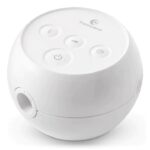
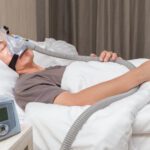
At a Glance
CPAP machines are designed to operate quietly, so unusual noise often indicates a problem such as mask leaks, loose tubing, clogged filters, or worn parts. Checking the mask seal, replacing filters, and ensuring the machine and tubing are properly connected can often resolve the issue and restore quieter operation.
CPAP machines of the past were often characterized by their strange noises and loud volume. Most modern CPAP machines are much quieter and designed to produce less noise, with a decibel level that’s comparable to a soft whisper.
However, CPAP machines have a number of components that can create disruptive sounds when they don’t function correctly. CPAP users sometimes complain of hissing, whining, whistling, vibrating, or whooshing noises.
None of these are normal operating sounds, but most can be improved with a bit of troubleshooting. We’ll explain the most common causes of CPAP noise and provide tips on how to fix these issues. We’ll also discuss which sounds aren’t typical and when to seek a professional’s help.
Need a CPAP Prescription? Start Here.

our partner at sleepdoctor.com
10% off Home Sleep Tests
Buy Now“Truly grateful for this home sleep test. Fair pricing and improved my sleep!”
Dawn G. – Verified Tester

Simple and convenient
- Equipment delivered to your doorstep
- One overnight test in the comfort of your own bed

Uncover sleep apnea
- Quietly collects data while you sleep
- 98% effective in detecting sleep apnea

Affordable & ships fast
- Arrives in 2-4 business days
- In-lab sleep tests cost ~$3,000+ (this one’s $189), HSA/FSA eligible


Common Causes of a Noisy CPAP Machine
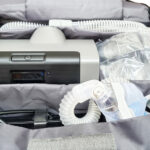
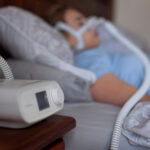
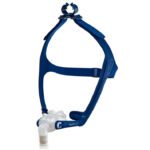
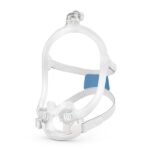
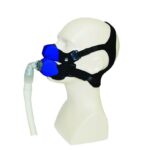
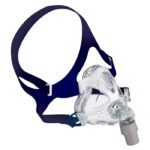
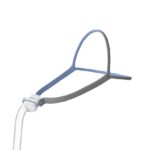
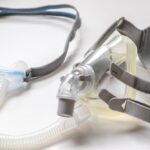
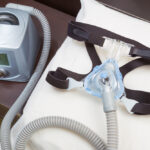
CPAP machines include the motorized device — what amounts to a fan in a box — that rests on your nightstand and the various components that attach to it. The device connects to 6-foot tubing, which attaches to the cushion, frame, and headgear of your CPAP face mask. Any of these accessories, the device’s internal components, or the machine’s placement could be the cause of new noises. Some of the most common noisy CPAP culprits include the following:
Air Leaks
Hissing, whooshing, or whistling sounds could be an indication that your CPAP machine has an air leak. Leaks can come from a few different components, including your mask, tubing, connection points, or even around the humidifier’s water chamber.
It may sound counterintuitive, but mask leaks can often be a result of overtightening. If you pull too tightly on your mask’s strap or headgear, it can collapse the seal around your face and let air escape. Try out different mask styles while sleeping in your normal position — mask types often work differently for side, back, and stomach sleepers. Holes within the cushion may also develop over time, so make sure to replace your mask and its different components based on the manufacturer’s recommended schedule.
If your mask fits correctly and you don’t see any holes in the cushion, you may want to check that all the connection points between the tubing and masks are flush with each other. To look for holes in CPAP tubing, you can run your hands over the tubing while the machine is on and feel for air escaping. Locating pinpoint holes is tougher, but a good trick is to spray a small amount of soapy water on the tubing and look for bubbles, which indicate an air leak.

Machine Placement Issues
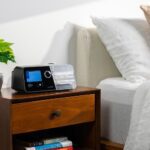
Fixing a loud CPAP machine could be as simple as changing its location. If you’re noticing vibrations, banging, or bumping, try placing your CPAP machine on a different surface. Your nightstand or floor could be slightly uneven, which can cause the machine to rattle. You can also try placing a towel underneath the machine to absorb some of its vibrations and dampen any noise it may make as a result of being on a hard surface.
Dirty or Worn Components
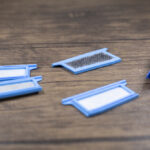
CPAP machines have multiple components that can wear out or break down over time. CPAP filters provide you with clean air to breathe, but they need to be replaced regularly. If your device contains a replaceable filter that’s clogged or wet, the machine has to kick into overdrive to push air through the filter. This can make the motor noisier.
The same thing may occur if there’s a narrowing of the tubing and the motor has to work harder to deliver air. This may occur if you have stepped on heated tubing and collapsed the sides inward. Too much moisture within the tubing can also create a problem called rainout, or excessive condensation that makes it more difficult to breathe during CPAP therapy. When water pools inside the tubing, it can create a gurgling or popping sound. Heated or insulated tubing can minimize rainout, as can optimizing the humidity and tubing temperature settings.
If you notice the machine’s motor getting louder over time, it may just be aging and wearing out. Medicare guidelines allow CPAP users to get a new machine every 5 years, which is a good schedule for most people to keep to. Many health insurance providers follow the same timetable. After 5 years of nightly use, a machine might just be on its way out, especially if you require higher pressures for treatment.
Pressure-Related Noise
High pressure settings can be noisier than low settings. BiPAP machines generally have higher pressure options than CPAP machines do, so you may notice more pressure-related sounds if you use a BiPAP. Pressure settings that are too high can also lead to leaks and hissing noises.
APAP and BiPAP machines have different inhalation and exhalation settings, while CPAP machines maintain continuous pressure at a fixed rate throughout the night. You could notice sounds associated with pressure fluctuations while using an APAP or BiPAP.
If you have a hard time falling asleep because of normal pressure-related sounds, you could try a machine with a ramp setting. Instead of starting therapy at your prescribed pressure setting, a ramp feature delivers air at a lower pressure initially, then raises it automatically based on time or breathing patterns.

How to Fix a Noisy CPAP Machine
Fixing a noisy CPAP isn’t necessarily hard, but it does require some detective work. Because there are so many components and accessories, the best way to troubleshoot CPAP noise problems is to isolate where unusual sounds are originating. Look at each part of your machine independently and use the following guidelines to help figure out what’s causing noises.
Check and Improve Mask Fit
A poorly fitting mask can let air escape from around its sides, creating hissing, whistling, or whining sounds. Use the best mask style for your face shape and sleeping position, and make sure to purchase the correct size for your anatomy. Don’t overtighten your mask and use compatible headgear.
If a piece of the mask has been removed with cleaning, this can lead to increased noise from leak if it isn't replaced. Many modern CPAP machines also have a helpful function that can check for mask leaks and issue an alert if leakage is detected.
Inspect and Replace Tubing
To prevent holes and cracking, tubing and hoses should be replaced every 3 months. If you notice noises coming from your tubing or suspect there may be a hole, inspect it for leaks. Some cracks or holes may be visible, but to find those that aren’t, you can spray tubing with some soapy water and look for bubbles. This will only work while the CPAP machine is running, so take care to only use a small amount of water.
Clean and Maintain Your CPAP Equipment
Ideally, your CPAP mask cushion and humidifier chamber should be cleaned daily. Everything else should be cleaned weekly with warm, soapy water. Most insurance plans will cover replacement accessories on a regular schedule, so there’s no reason to keep using old or dirty equipment. These components can wear out with use and general aging. Change filters on a regular schedule and swap out components to keep your motor from getting too loud.
Reduce Vibration and Sound
If the sounds you’re noticing are more like banging or thumping rather than hissing or whistling, you may just have your CPAP machine placed on an uneven surface. Try out a different nightstand or absorb vibrations by placing fabric between the machine and your nightstand.
When CPAP Noise May Signal a Bigger Problem
CPAP machines always make some noise, but most are about as loud as a whisper, between 25 and 30 decibels. They are often as loud as the fan of a computer when working well. The sounds should be rhythmic and predictable. New noises, like hissing, whistling, or vibration could be from leaks, worn-out components, or a poor connection.
If your machine’s normal operating sounds suddenly or gradually become much louder or worse than normal, this may indicate a mechanical problem. Clunking, whining, or grinding sounds in the first few years of use should be addressed with the machine’s manufacturer — your warranty may cover these issues. A number of CPAP machines have been recalled over the last few years, so you can check to make sure that your device isn’t on the list.
When to Talk to Your Doctor or Equipment Provider
If you’ve investigated all the potential issues we’ve highlighted but still can’t figure out what’s causing CPAP noise, you should reach out to your sleep doctor or durable medical equipment supplier. They might have insight as to what the issue is and help ensure you’re using the correct components and accessories.
If you’re waking up feeling unrested or notice an increase in sleep apnea or CPAP-related side effects, reach out to your physician. Most modern CPAP machines record and store your sleep data. Going over your logged information can help your doctor pinpoint therapy issues and determine whether the CPAP noise is an indication of a greater problem. It may lead to replacement if this proves necessary.
Have a question for our experts? Submit it to the Sleep Doctor Forum.
Written by
Cassandra Burns, Contributing WriterCassandra is a health writer who writes about sleep products and reads emerging research to develop science-based articles that help demystify the connection between health and sleep. She's happy to report that she sleeps well most nights, which is probably thanks to her energetic dog and her other work managing a family-owned whitewater rafting business in Upstate New York.

Reviewed by
Brandon R. Peters, MD, FAASM, Medical ReviewerDr. Brandon R. Peters is a board-certified neurologist and sleep medicine physician who specializes in diagnosing and treating sleep disorders, including insomnia, obstructive sleep apnea, circadian rhythm disorders, and narcolepsy. He is a Fellow of the American Academy of Sleep Medicine and currently practices at Virginia Mason Franciscan Health in Seattle.