At a Glance
A CPAP machine typically costs between $500 and $1,000, while a BiPAP machine generally costs between $1,700 and $3,000, and an APAP machine usually costs between $600 and $1,600. The price varies based on the type of device, its features, and whether your insurance covers some of the cost. You’ll also need accessories like masks, tubing, and filters, which require regular replacement and can add to ongoing expenses over time.
While a CPAP machine can be a significant investment, it’s also one of the most effective treatments for obstructive sleep apnea and can greatly improve sleep quality and health. Understanding the costs involved — from the machine itself to ongoing supplies and potential insurance coverage — can help you make an informed decision and avoid unexpected expenses.
How Much Is a CPAP Machine?
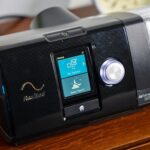
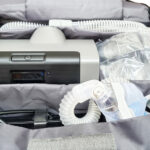
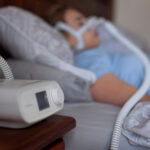
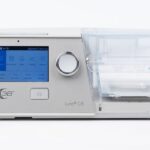
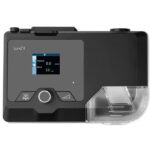
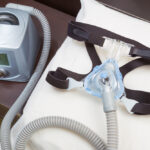
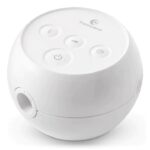
Positive airway pressure (PAP) devices like CPAP machines typically cost between $500 and $3,000. This price range reflects wide variation based on the PAP device’s brand, model, and features. There are three main types of PAP machines, each with different functions.
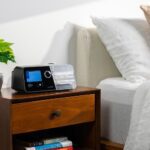
- Continuous positive airway pressure (CPAP): The stream of air generated by a CPAP machine has the same amount of air pressure regardless of whether you're inhaling or exhaling. For obstructive sleep apnea, it's most common to start treatment with a CPAP device. CPAP machines typically cost between $500 and $1,000.
- Bilevel positive airway pressure (BiPAP or BPAP): BiPAP devices allow you to have different air pressure when breathing in and breathing out. A BiPAP machine can also provide breathing assistance for more complicated respiratory problems. BiPAP machines generally cost between $1,700 and $3,000.
- Auto-adjusting positive airway pressure (APAP): APAP machines typically provide the same air pressure during inhalation and exhalation, but the device uses sensors to monitor breathing and modify the pressure level as needed. APAP devices usually cost between $600 and $1,600.
Need a Prescription for CPAP? Start Here.

our partner at sleepdoctor.com
10% off Home Sleep Tests
Buy Now“Truly grateful for this home sleep test. Fair pricing and improved my sleep!”
Dawn G. – Verified Tester

Simple and convenient
- Equipment delivered to your doorstep
- One overnight test in the comfort of your own bed

Uncover sleep apnea
- Quietly collects data while you sleep
- 98% effective in detecting sleep apnea

Affordable & ships fast
- Arrives in 2-4 business days
- In-lab sleep tests cost ~$3,000+ (this one’s $189), HSA/FSA eligible


Does Insurance Cover a CPAP Machine?
Insurance plans, including Medicare, frequently cover a CPAP machine if it's prescribed by your doctor for sleep apnea. However, whether a CPAP device will be covered and your out-of-pocket costs depend on the details of your health insurance policy.
To receive coverage, you may have to provide documentation about your need for a CPAP machine. You may also need to provide evidence that you're consistently using and benefiting from the device. With this documentation, insurance may help cover the costs of accessories.
Remember that having insurance coverage doesn't guarantee that you won’t have to pay anything for a CPAP machine. You may be responsible for certain costs based on the terms of your insurance plan. You can review our list of recommended suppliers that take insurance for CPAP machines.
- Deductible: The deductible is the amount you have to pay before insurance coverage takes effect.
- Coinsurance: Once insurance starts paying, you may still be responsible for a percentage of costs, which is known as coinsurance.
- Optional accessories: If you want to replace certain items more frequently or want specialty accessories, you may have to pay for them yourself.
For some insurance providers, you start by renting a CPAP device. Coverage is provided during this rental period, then the device becomes yours after a set period of time. In other situations, an insurance provider may cover the initial up-front purchase of a CPAP machine.
Paying Out of Pocket
You should consider buying a CPAP machine yourself if you have no insurance or an insurance plan that offers minimal coverage for a CPAP device.
If you have an insurance plan with a high deductible or limited CPAP coverage, it may make financial sense to purchase a machine on your own. Keep in mind, though, that if you forgo insurance coverage, you'll be responsible for all of the initial and recurring costs of CPAP accessories and the costs won’t be applied to your insurance deductible.
How Much Are CPAP Masks and Accessories?
A mask and other accessories are necessary to use a CPAP machine. While you'll likely be provided with a set of these items when you get started with CPAP therapy, they'll need to be periodically replaced on a set schedule. As a result, there are recurring costs to CPAP therapy that go beyond the cost of the device itself.
CPAP Masks
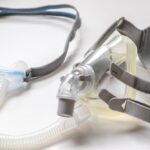
Most CPAP masks cost between $50 and $200. The price depends on the type of mask and its design and construction. There are three primary types of CPAP masks.
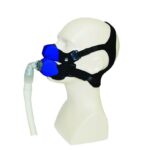
- Nasal masks: A nasal mask covers most of your nose and delivers pressurized air into your nostrils. Most nasal CPAP masks cost between $50 and $175.
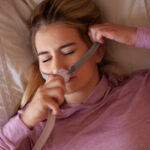
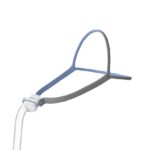
- Nasal pillows: A nasal pillow mask sits just under the nostrils and doesn't go over the bridge of the nose. It must form a seal with the nostrils. Nasal pillow masks generally cost between $70 and $120.
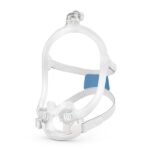
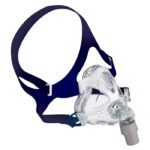
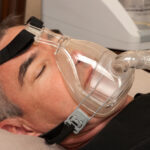
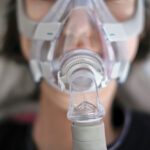
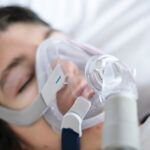
- Full-face masks: These masks go over both the mouth and nose and may be called an oronasal mask. Full face masks usually extend from the area below the bottom lip up to the bridge of the nose, but the exact size and shape can vary. Typically, full face masks cost between $60 and $200.
The mask options that are available to you can depend on how you breathe and the pressure settings for your CPAP machine. For example, people who breathe through their mouth or who need a high level of pressure may not be able to use nasal masks or pillows.
In addition to the mask itself, there are two other mask-related components that require occasional replacement.
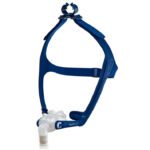
- Headgear or straps: These accessories hold the mask in the proper place on your face. The size and design of headgear depend on the mask you use. If headgear breaks down or gets grimy, it may need to be replaced and may cost between $15 and $40.
- Mask cushions: A mask cushion or insert fits inside the mask itself and helps create both a comfortable feel and a solid seal against your face. The cushion must match the mask that you use. Mask cushions tend to cost between $20 and $60.
Other CPAP Accessories
To keep your CPAP working properly, certain accessories need to be replaced from time to time.
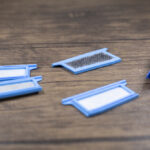
- Air filter: CPAP devices use an air filter to remove dust and unwanted particles. While some filters are removable and washable, others are disposable. The manufacturer’s instructions should indicate how often to clean or change the filter. A disposable filter usually costs $5 or less.
- Tubing: The hose or tube carries air from the machine to the mask. Replacing standard CPAP tubing costs between $5 and $35 depending on the length and type of hose. Specialty hoses, such as heated hoses, may be more expensive.
- Humidifier: A standard feature on most CPAP machines is a humidifier that adds moisture to the pressurized air. If the water reservoir for the humidifier breaks, a replacement often costs between $20 and $50.
How Much Do CPAP Cleaning Supplies Cost?
Most supplies for cleaning a CPAP machine cost under $20. Keeping your CPAP clean can help ensure that germs don’t build up in the device and negatively affect your health. Depending on your device, there are different CPAP cleaning supplies that you may want to have on hand.
- Mask wipes: These disposable wipes remove dirt and grime from your mask. A set of wipes normally costs $10 to $20.
- Soap: Soaps or sprays that can be used for cleaning CPAP masks and tubing usually cost $5 to $10.
- Tube brush: A tube brush enables you to clean inside the hose. You can expect a tube brush or wand to cost $15 to $30.
- Disinfectant: If you need to disinfect parts of your machine, specialty CPAP disinfectants normally cost $5 to $25.
You should always closely follow instructions in the user’s manual about cleaning your specific device. The manufacturer may offer guidance on how to avoid damaging the device during cleaning and how often different components need to be washed. While there are CPAP cleaning devices that use ozone gas or UV light, the FDA hasn't approved these devices and has raised concerns over their safety and effectiveness.

What Is the Cheapest Way to Buy a CPAP Machine?
There's no single cheapest way to buy a CPAP machine, but several steps may help you find the lowest-cost option:
- Ask your doctor for a list of acceptable or recommended devices.
- Check with your insurance plan about how much they cover for each of those devices.
- Request documentation from your insurance provider about CPAP coverage.
- Ask your insurance or the equipment provider if a payment plan is available to avoid having to pay all at once.
- Look online to see how much it would cost to buy a recommended device yourself.
To save money, some people consider buying a refurbished CPAP machine. While this may be cheaper, it can be hard for you to know the quality of that device, and you may not have warranty protection if the device is faulty.
It's generally not recommended to buy a used CPAP from individuals or through online marketplaces because it's difficult to know how well the device works or if it was properly maintained.
Are Other Resources Available to Pay for CPAP Machines?
Unfortunately, the costs of a CPAP machine and accessories can be a barrier to sleep apnea treatment. If you are concerned that financial hardship may prevent you from getting a CPAP, reach out to various sources of help, including:
- Your doctor’s office or a financial aid department if your doctor works in a hospital or other group medical practice
- Your state’s health department
- Local, regional, or national non-profit organizations focused on public health
- The American Sleep Apnea Association, which has a program to provide CPAP accessories at a discounted price
Frequently Asked Questions
With insurance, the cost of a CPAP machine is often significantly reduced. Many plans cover part or all of the device if it’s prescribed for sleep apnea, though you may still be responsible for deductibles, copays, or coinsurance. Some insurers require you to rent the machine monthly before owning it, so your out-of-pocket costs can vary based on your specific plan.
Yes, Medicare typically covers CPAP machines when they are prescribed for obstructive sleep apnea and certain requirements are met. Coverage often begins with a trial rental period, during which you must demonstrate regular use. If the therapy is effective, Medicare may continue coverage and eventually allow you to keep the machine.
In the United States, CPAP machines require a prescription because they are classified as medical devices. This ensures the settings are properly tailored to your needs. However, you may be able to purchase accessories like masks or tubing without a prescription.
After the initial machine cost, the average monthly cost of CPAP therapy can range from $20 to $100 or more, depending on whether you’re renting the machine, your insurance coverage, and the cost of replacement supplies. Ongoing expenses typically include masks, filters, and tubing, which need to be replaced regularly to maintain effectiveness and hygiene.

Still have questions?
Sleep apnea products can be confusing. If you need individualized assistance, post your question to the Sleep Doctor forum.

Written by
Tochukwu Ikpeze, MD, Contributing WriterTochukwu grew up in New York and has a passion for creative and scientific writing. Tochukwu holds an undergraduate degree in Biology and Psychology, a Master’s degree in Biomedical Science, and a Medical Degree as well. In his free time, Tochukwu enjoys reading, learning, exploring various topics pertaining to the human condition and conveying that information to the public through writing.

Reviewed by
Gerard J. Meskill, MD, FAASM, Medical ReviewerDr. Gerard J. Meskill is a neurologist and sleep medicine physician specializing in the diagnosis and treatment of sleep disorders, including narcolepsy, obstructive sleep apnea, and insomnia. He is board-certified in both neurology and sleep medicine and has extensive experience helping patients manage complex sleep conditions and disorders of excessive daytime sleepiness.