At a Glance
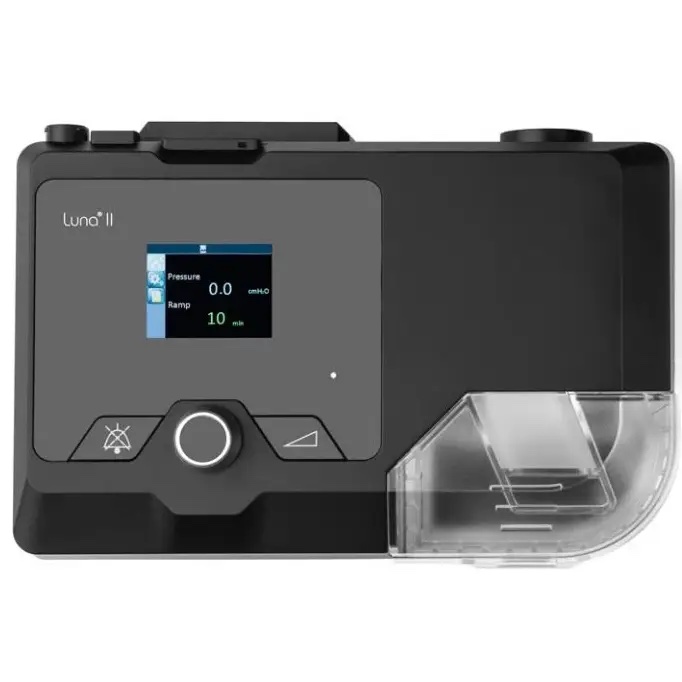
Under federal law, you’re allowed to bring your CPAP machine on board, and it doesn’t count toward your luggage allotment, provided you meet certain criteria. If you plan on using your CPAP machine during the flight, it’s a good idea to check with the airline beforehand, as you may need accessories like batteries or a power adapter.
Many people who use CPAP therapy will eventually need to travel with their machine. Whether you’re packing your CPAP for a short flight or planning to use it on a longer trip, it’s important to understand your rights and what to expect when flying.
Below, we explain what the law says about bringing a CPAP device on board, whether it counts as a carry-on, and practical tips to help your trip go smoothly.
Need a CPAP Prescription? Start Here

our partner at sleepdoctor.com
10% off Home Sleep Tests
Buy Now“Truly grateful for this home sleep test. Fair pricing and improved my sleep!”
Dawn G. – Verified Tester

Simple and convenient
- Equipment delivered to your doorstep
- One overnight test in the comfort of your own bed

Uncover sleep apnea
- Quietly collects data while you sleep
- 98% effective in detecting sleep apnea

Affordable & ships fast
- Arrives in 2-4 business days
- In-lab sleep tests cost ~$3,000+ (this one’s $189), HSA/FSA eligible


Is a CPAP Considered a Carry-On?
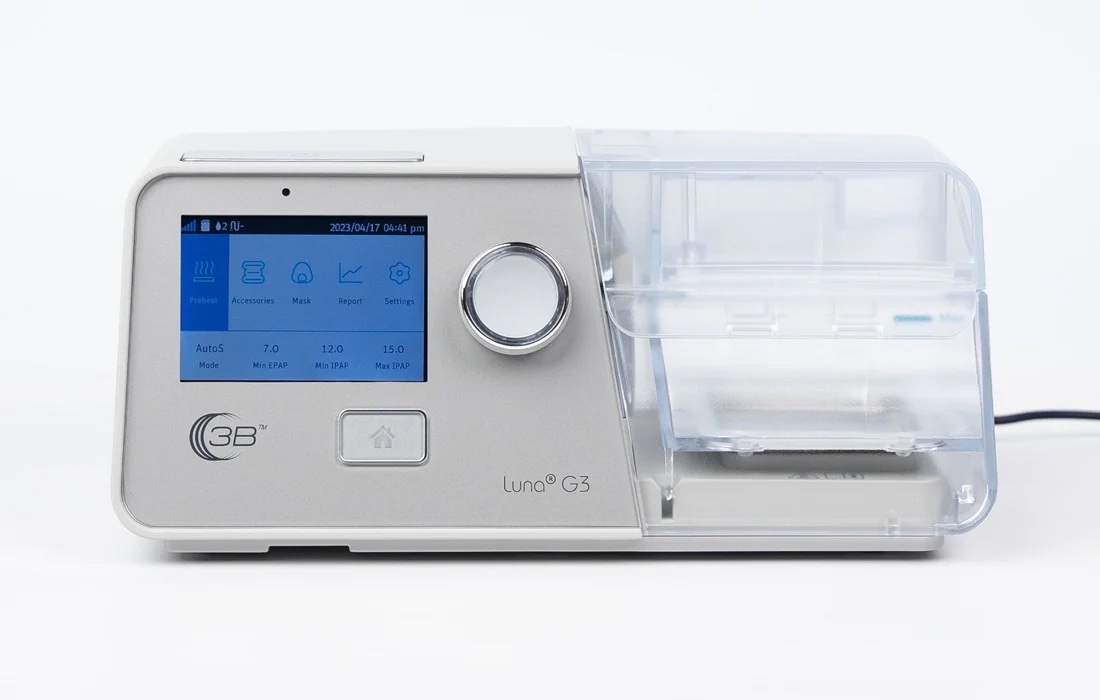
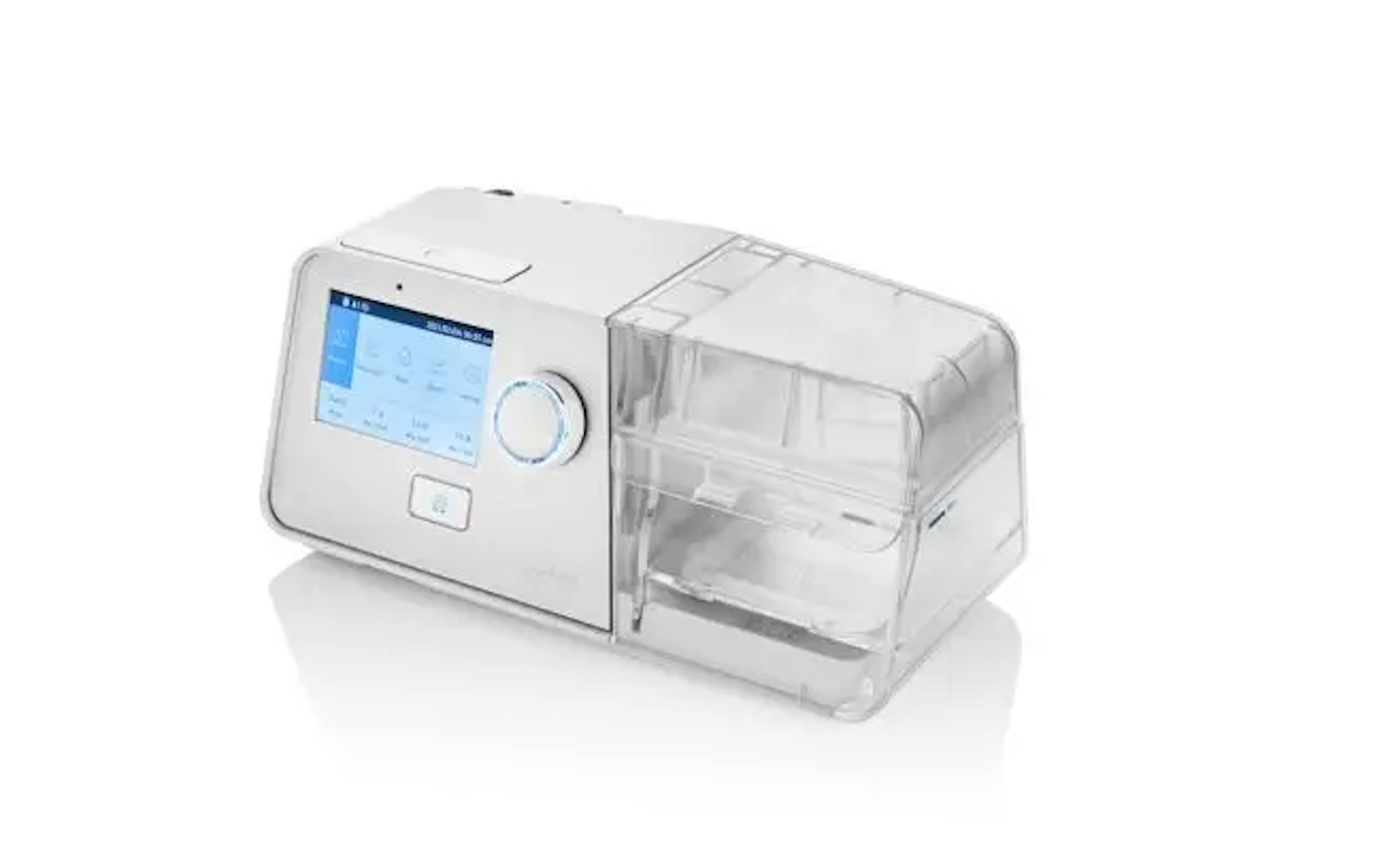
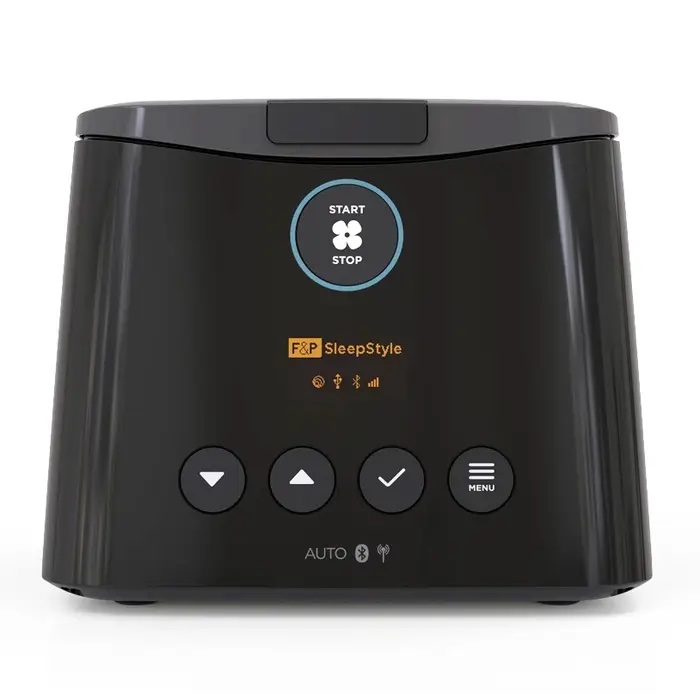
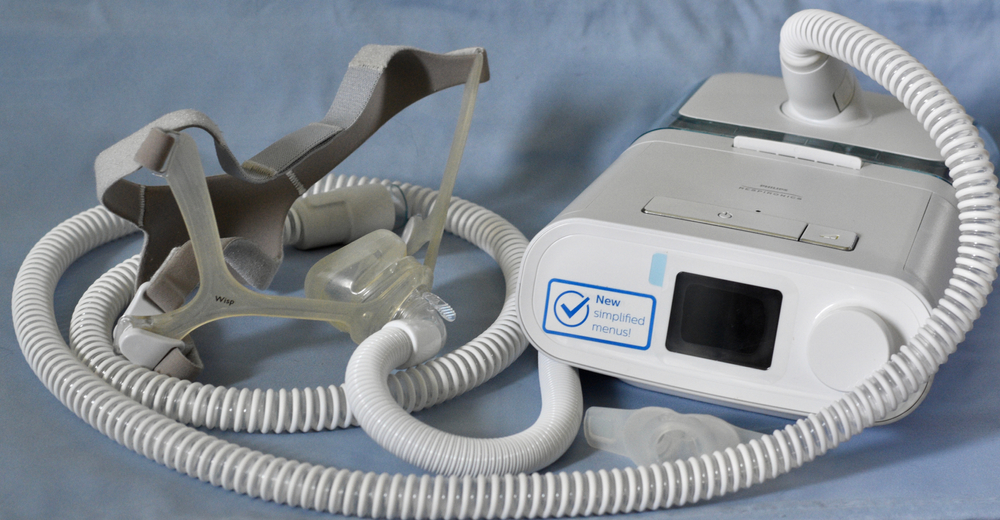
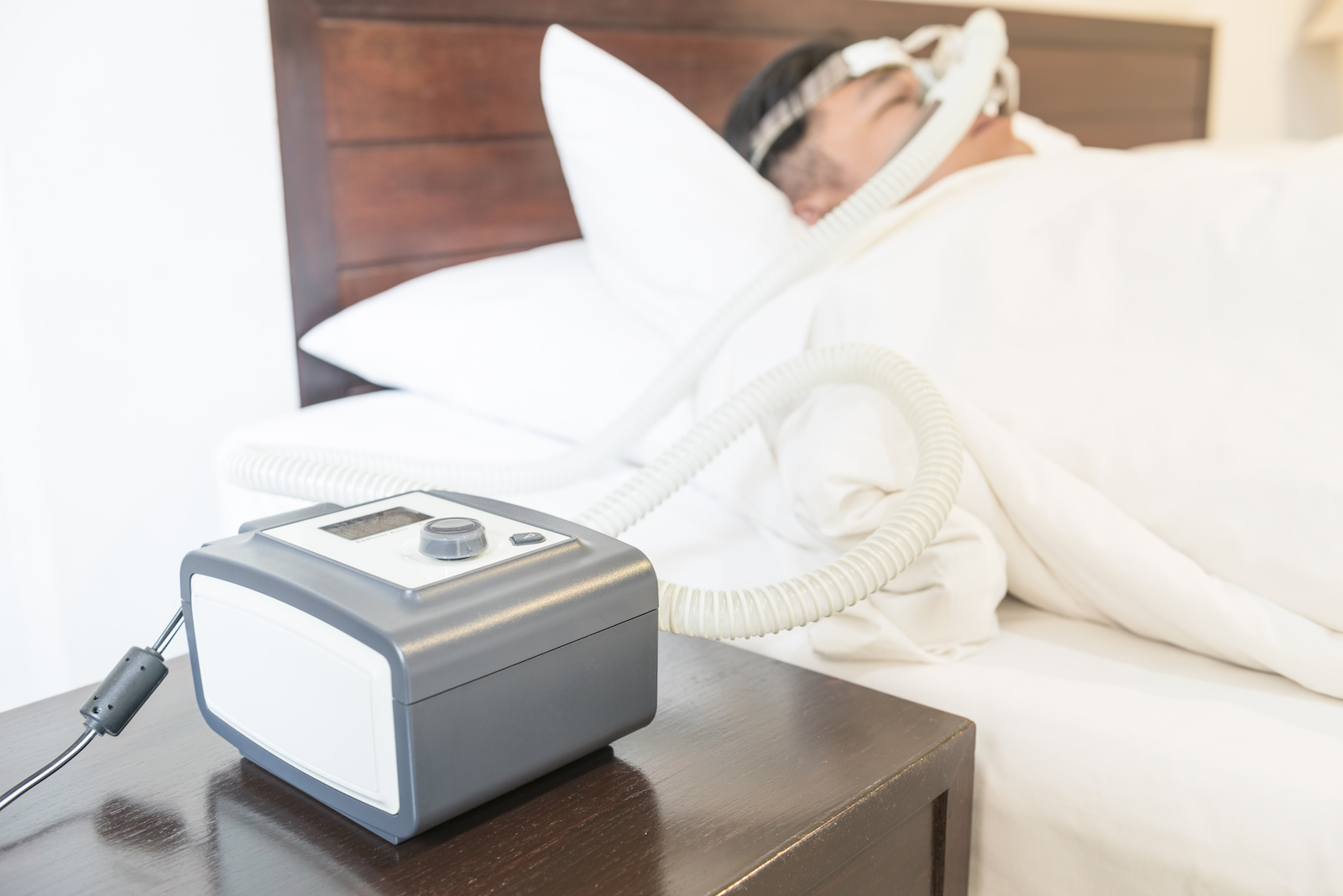
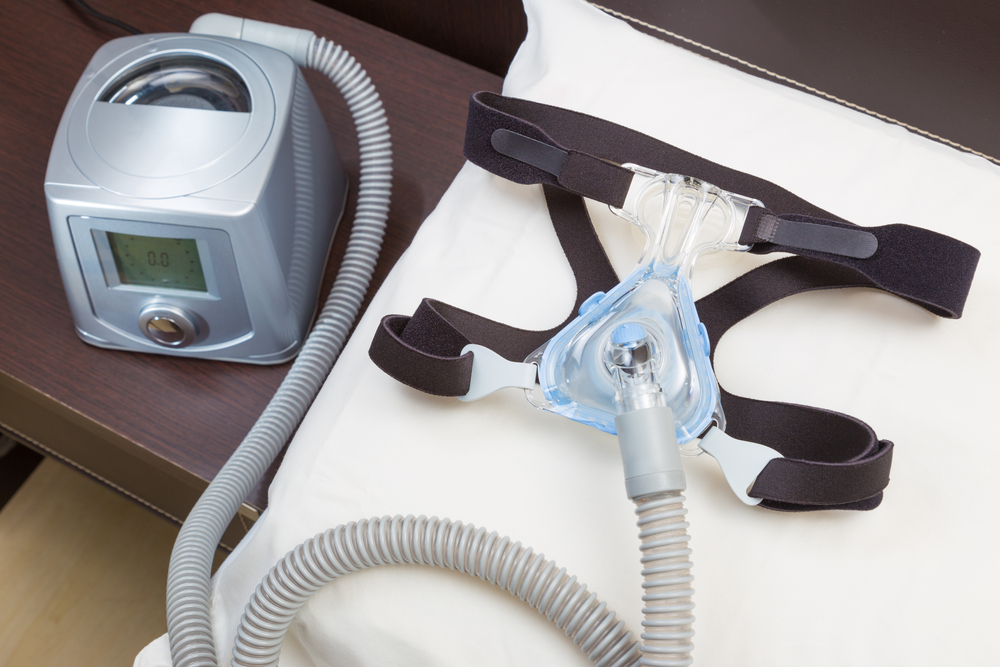
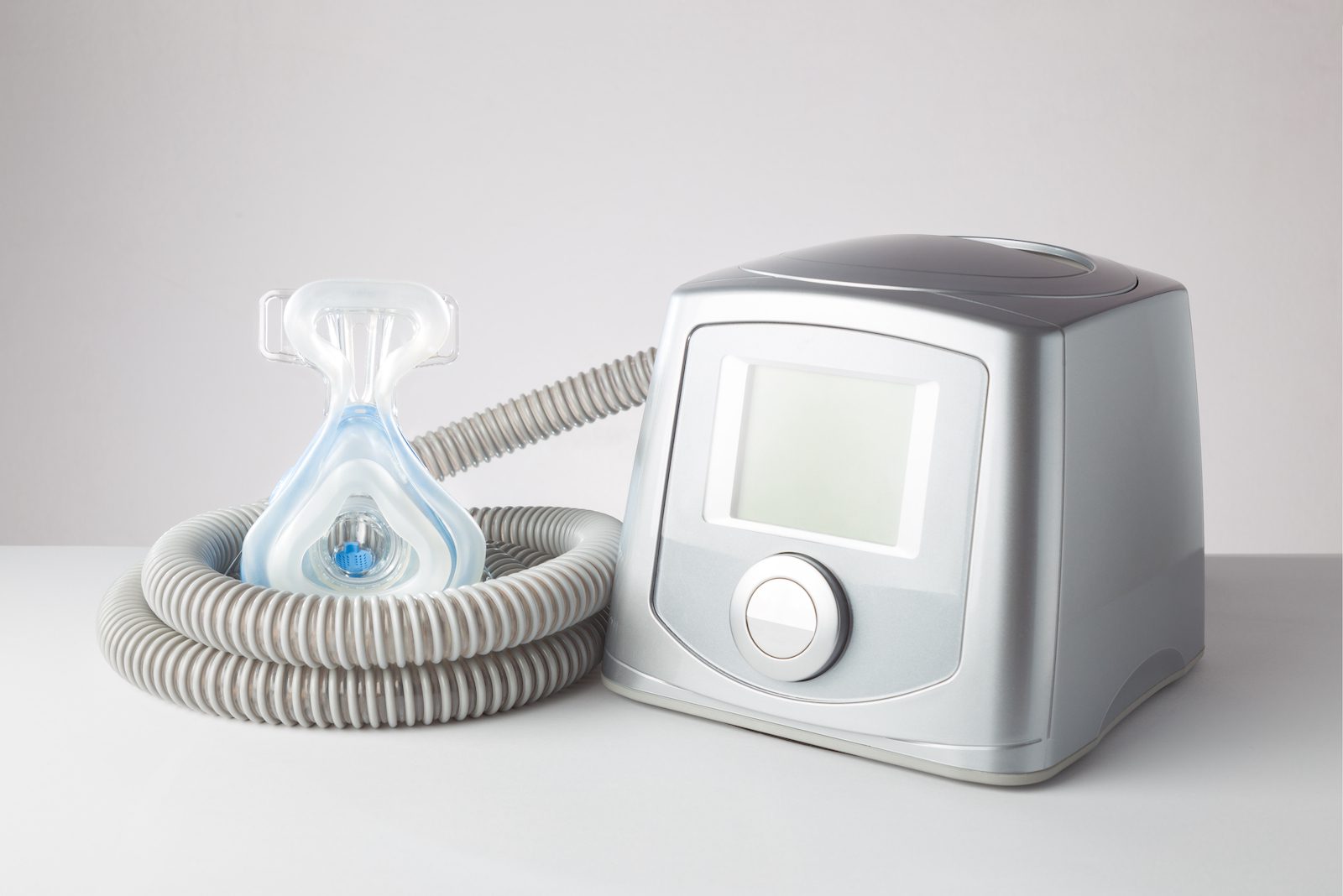
CPAP machines are considered a medical assistive device. As such, you have the right to bring your machine into the cabin free of charge and without it counting toward your carry-on limit, as long as it’s packed in its own separate bag.
If you prefer, you can also send your CPAP machine with your checked luggage, but we recommend taking it as carry-on so you don’t risk the airline losing or damaging it.
Can You Use a CPAP on a Plane?
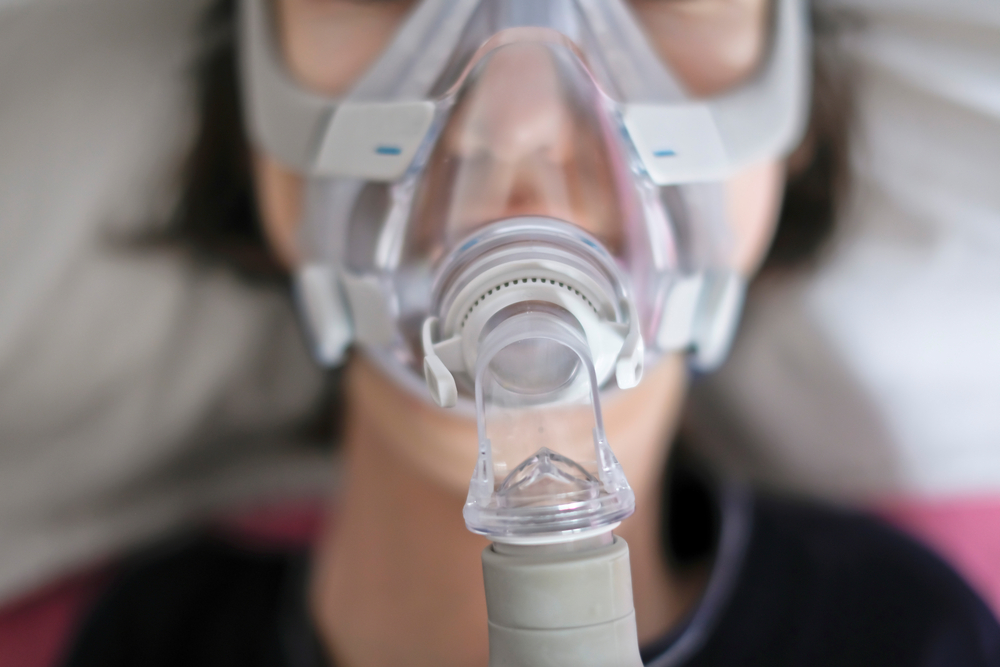
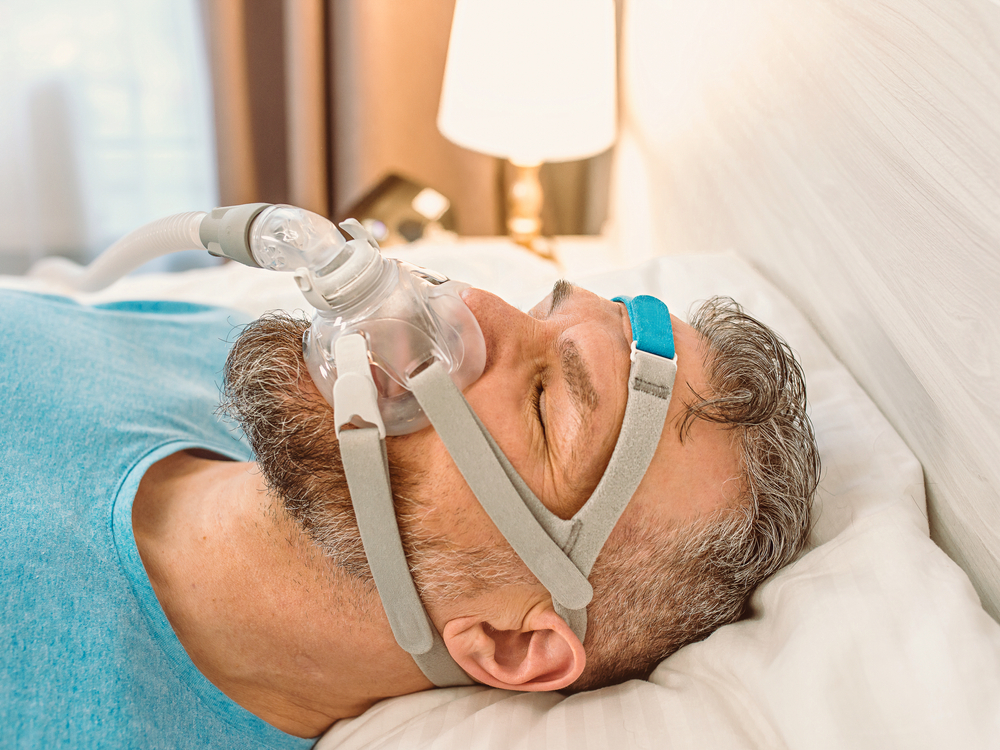
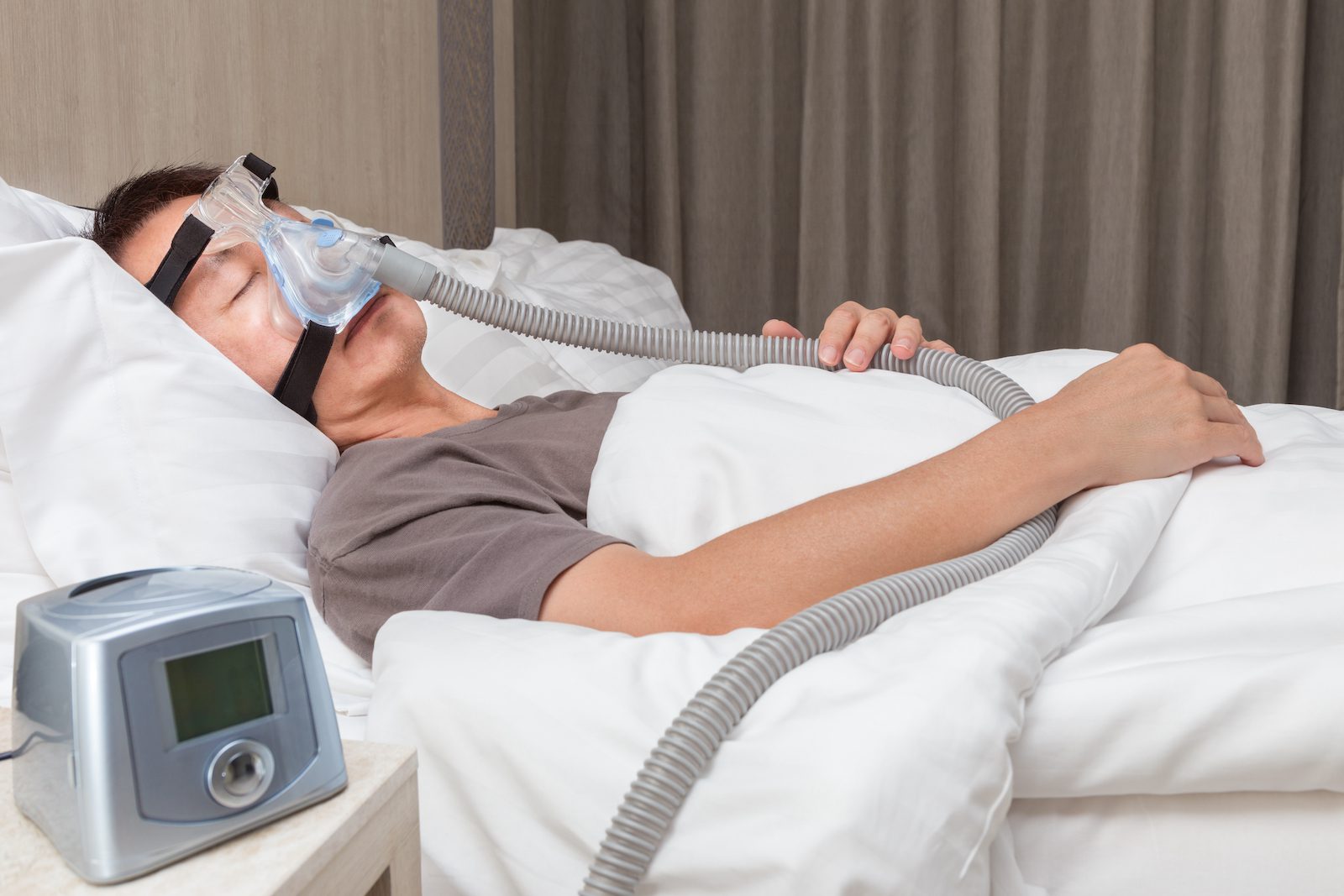
You’re allowed to use a CPAP machine on the plane if it’s been approved by the Federal Aviation Authority (FAA) for use in the air. This applies to flights within, departing to, or arriving in the U.S. Other countries may have their own laws, so if you’re traveling internationally, it’s best to check with your specific airline.
Most CPAP machines automatically compensate for changes in altitude. Check to see if your CPAP machine has an airplane mode and what its altitude limitations are.
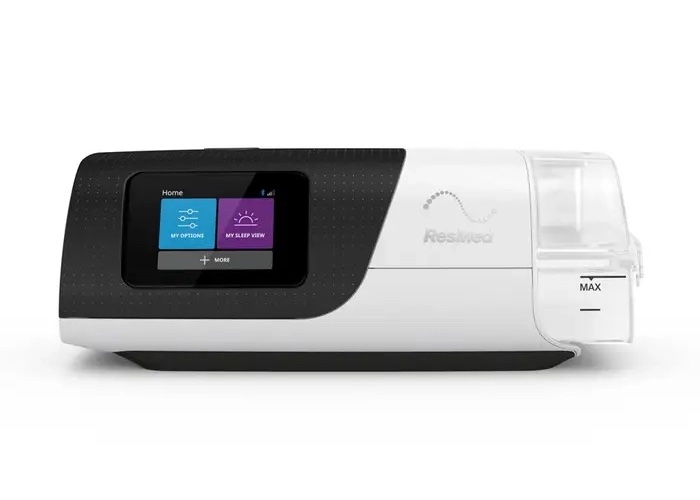
To avoid spills due to turbulence, and since you don’t typically have access to distilled water on board the plane, experts recommend using an in-line humidifier if you need to use your CPAP therapy during your flight. An in-line humidifier slots into your CPAP tubing and delivers moisture that’s captured from your exhaled breaths. If you don’t have one, it’s still better to use it without humidity than to skip it altogether.
Airline Rules for Traveling With a CPAP Machine
Under the Disability Bill of Rights, airlines must allow you to bring a medical device on board the plane without counting it toward your carry-on allotment, as long as it’s safe for travel. You’re under no obligation to inform the airline in advance that you plan on bringing a medical device unless you need special accommodation, such as if you plan on connecting your CPAP machine to an in-flight power source.
While airlines must comply with the overarching laws regarding CPAP machines, they have a little bit of leeway to carve out their own policies. Here are the most common airlines in the U.S.
- American Airlines: On American Airlines flights, you’re allowed to use power outlets where available, but you may need a DC power adapter. You should also bring an external battery in case you don’t have access to an outlet. American Airlines reserves the right to send your CPAP machine as checked luggage if the plane is full and you don’t need to use it during the flight.
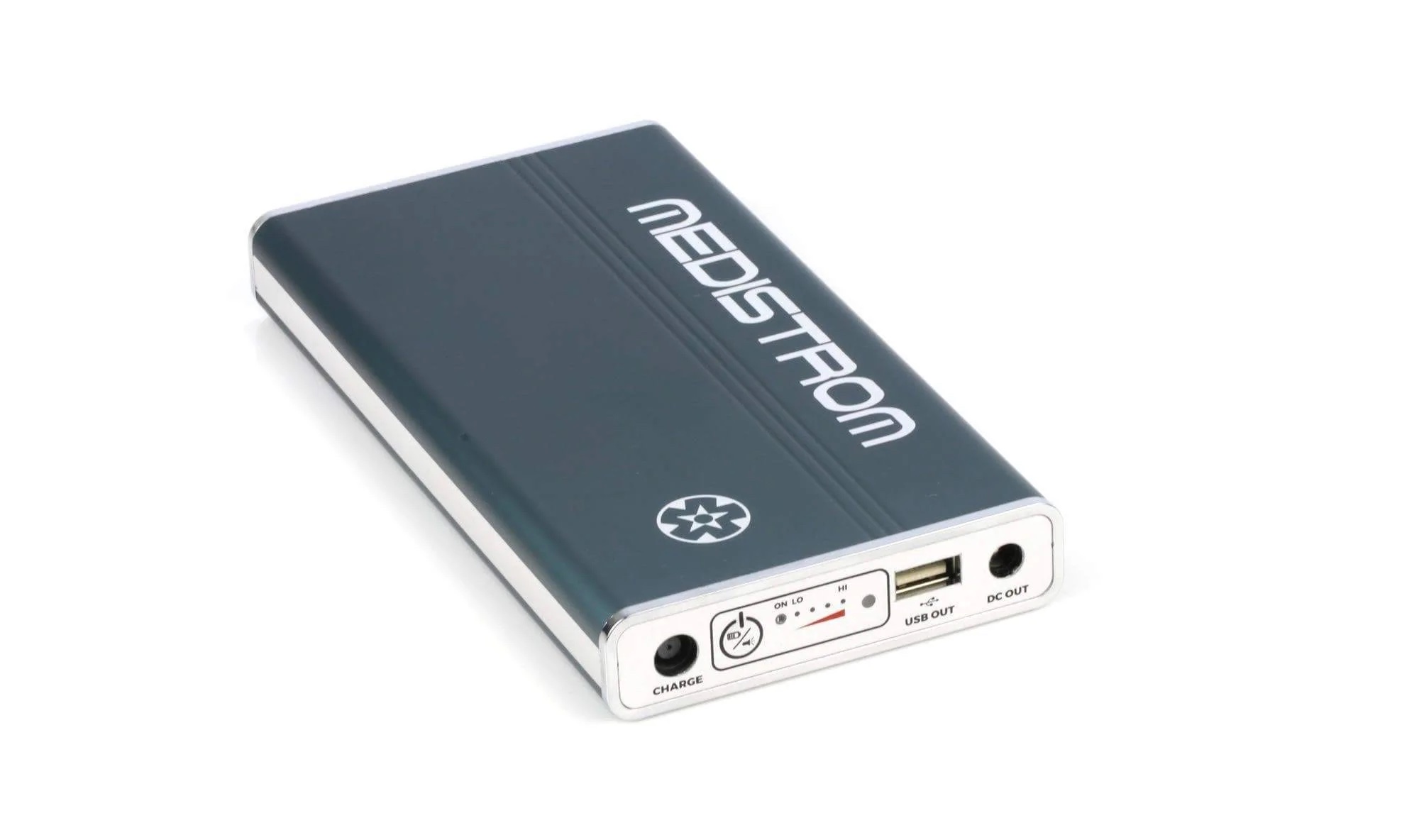
- Delta: Delta’s on-board power outlets aren’t designed for medical devices. If you need to use the device on board, the airline requires you to bring a battery that will last 150% of the flight time. Batteries must meet Delta’s requirements, and certain devices may need to have a label stating that they meet safety criteria for on-board use.
- United: United allows passengers to use FAA-approved CPAP devices during the flight, provided you call and let them know at least 48 hours before the flight. The airline may ask to see the FAA label. Since the airline can’t guarantee a seat with a power source, United asks that you bring a battery with a lifespan that covers your flight, airport time, and 3 extra hours.
- Southwest: Southwest allows passengers to bring a CPAP machine in their carry-on or checked luggage at no extra charge. The device and batteries must meet a set of safety criteria. The USB ports on board the plane aren’t intended for medical device use.
- Alaska Airlines: Alaska Airlines recommends providing at least 48 hours’ notice to the airline if you plan on using your CPAP device on board. Since they cannot guarantee your seat will have a power supply, they ask that you bring portable batteries with enough power to cover 150% of the flight and ground connection time.
If you’re flying with another airline, check their website or call them ahead of your flight to confirm the rules.


Tips for Flying With a CPAP Machine
Flying with a CPAP machine requires some advance planning, especially if you plan on using it during the flight. Consider arriving at the airport a little earlier than usual on the day of your flight, so you have plenty of time to get through security.
Packing a CPAP Machine for Air Travel
Though you’re not required to alert the airline that you’re packing a CPAP machine, some airlines require advance notice if you need to use the CPAP machine during the flight. Depending on the airline, you may also need to bring a portable battery or a power adapter. Check the safety rules for your battery before packing it, especially if there’s a chance it may need to travel in your checked luggage.
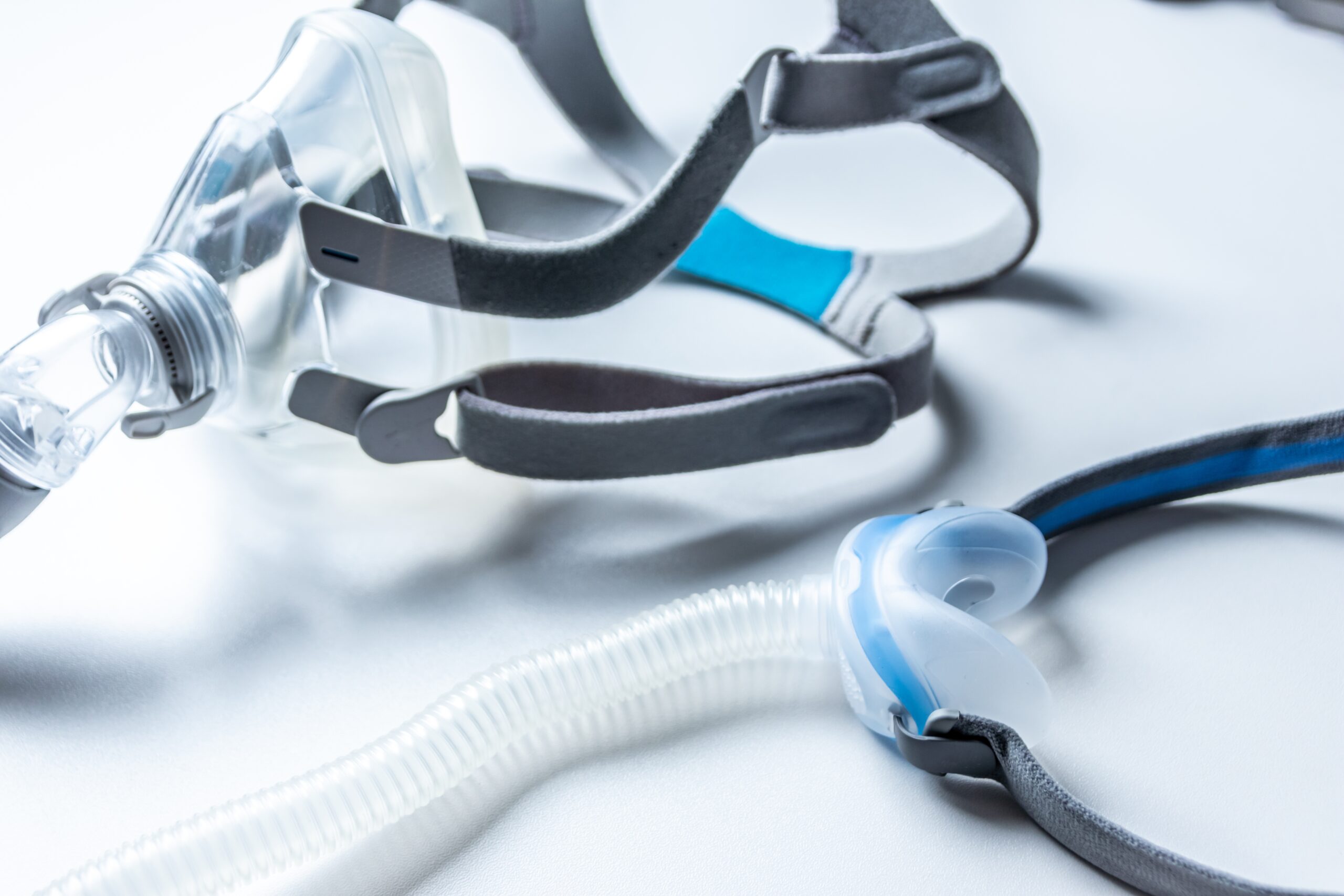
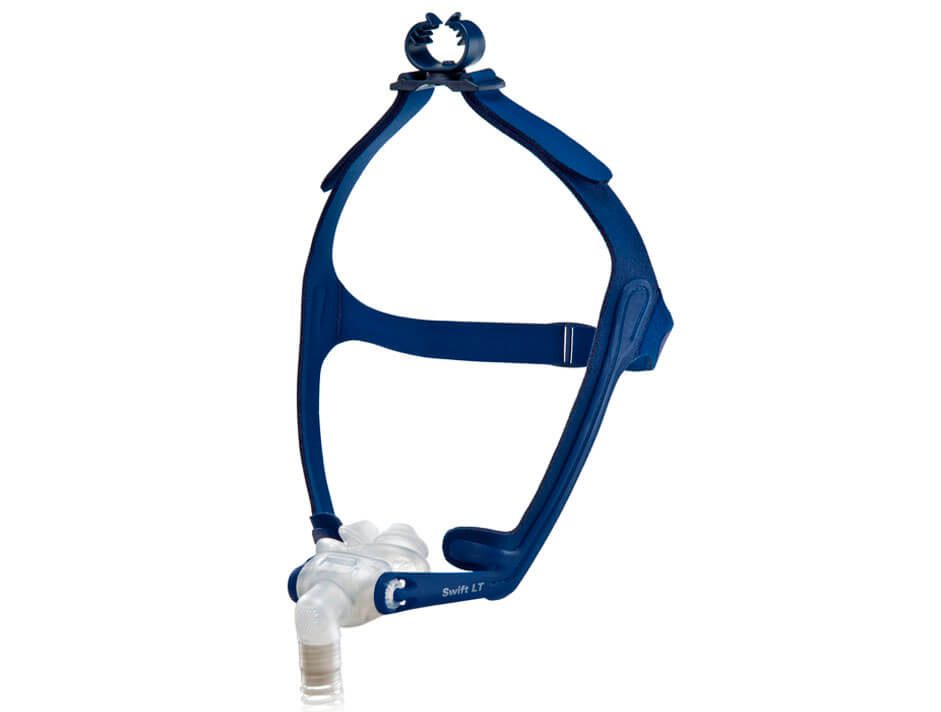
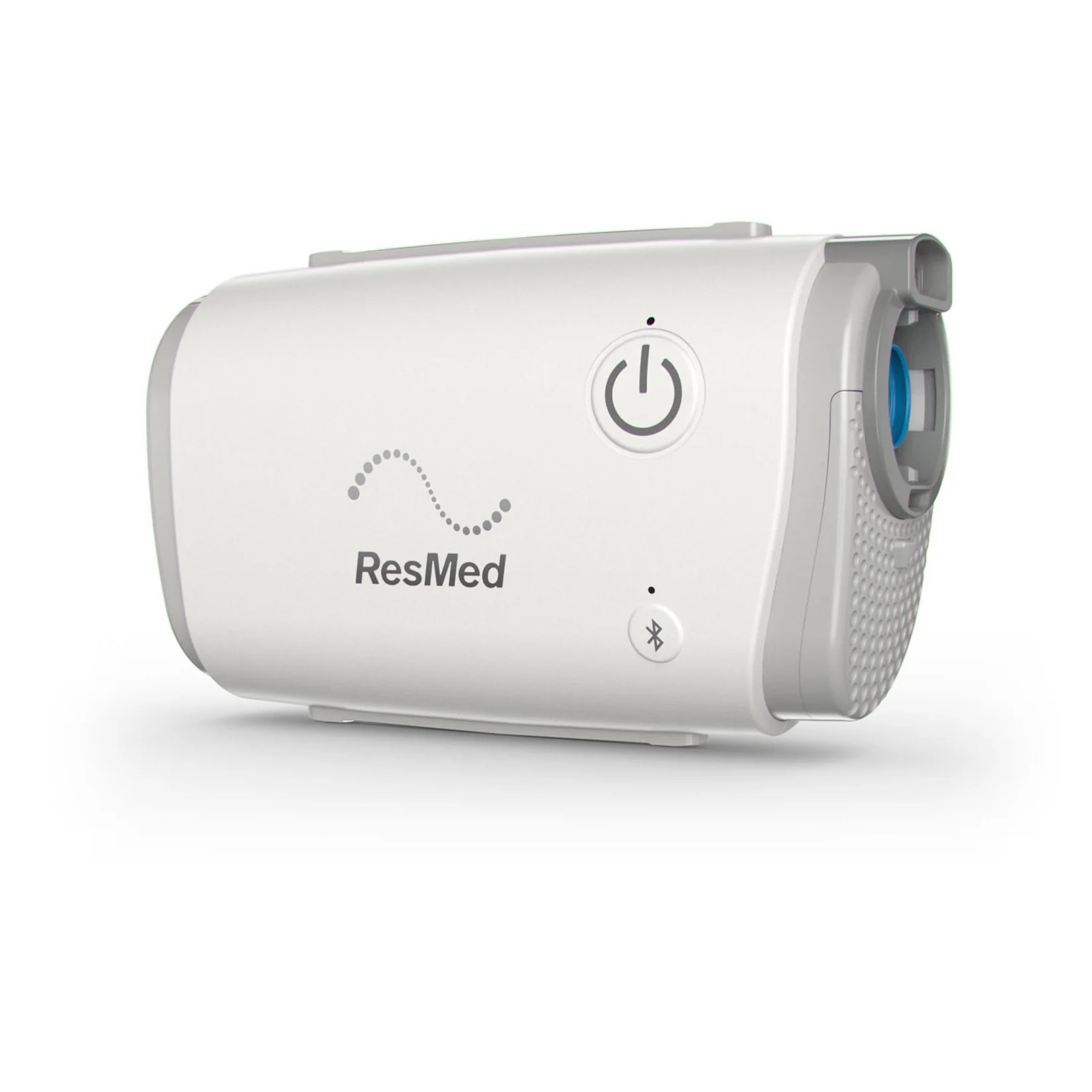
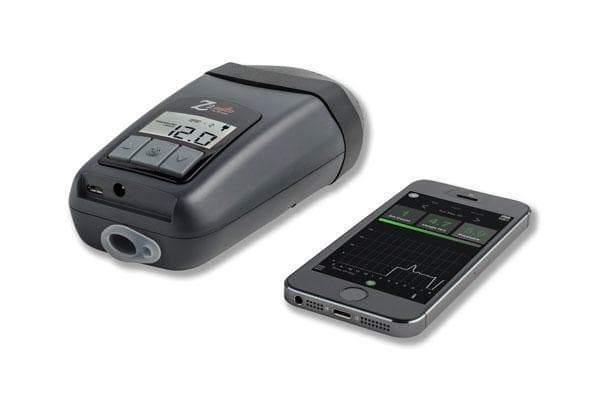
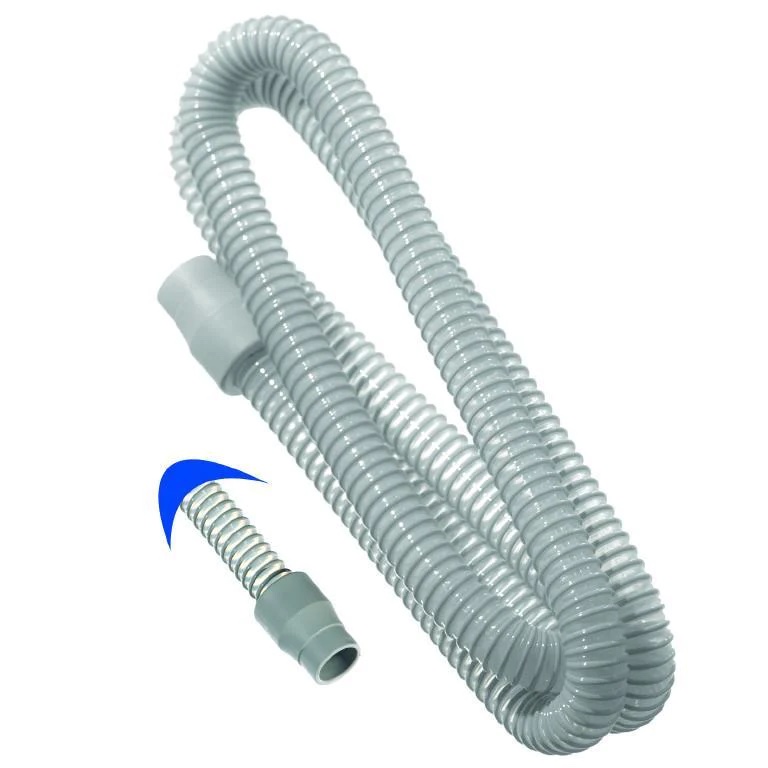
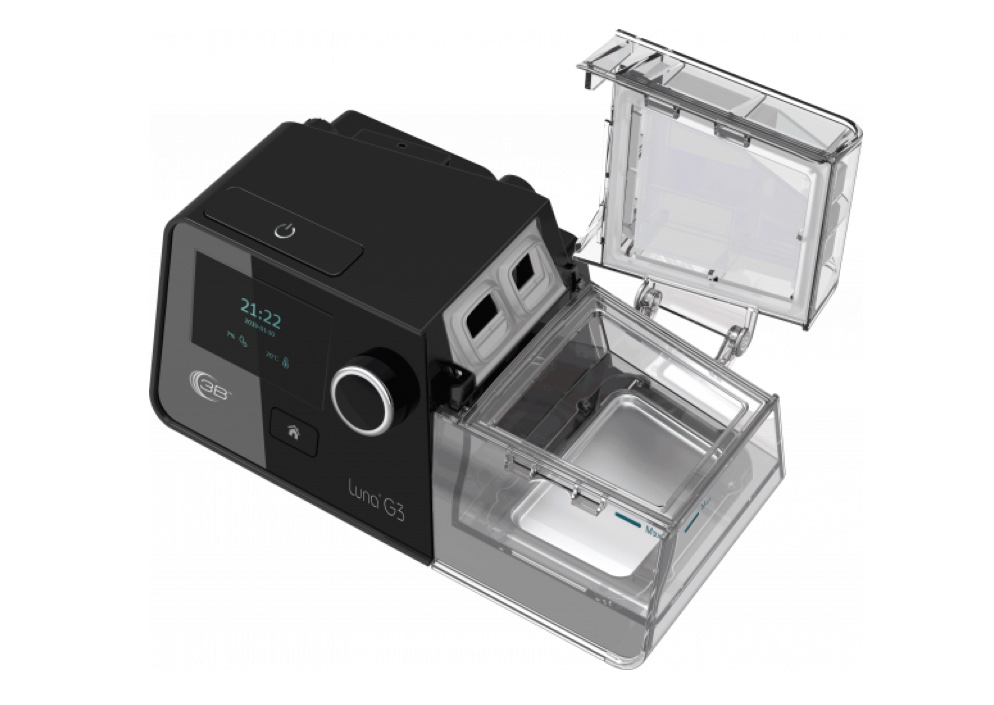
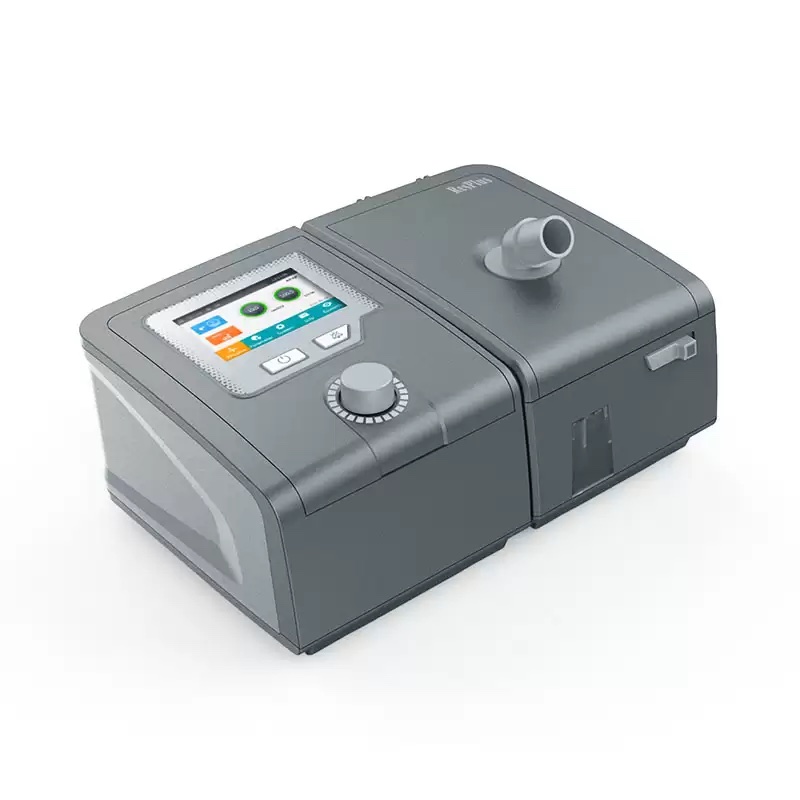
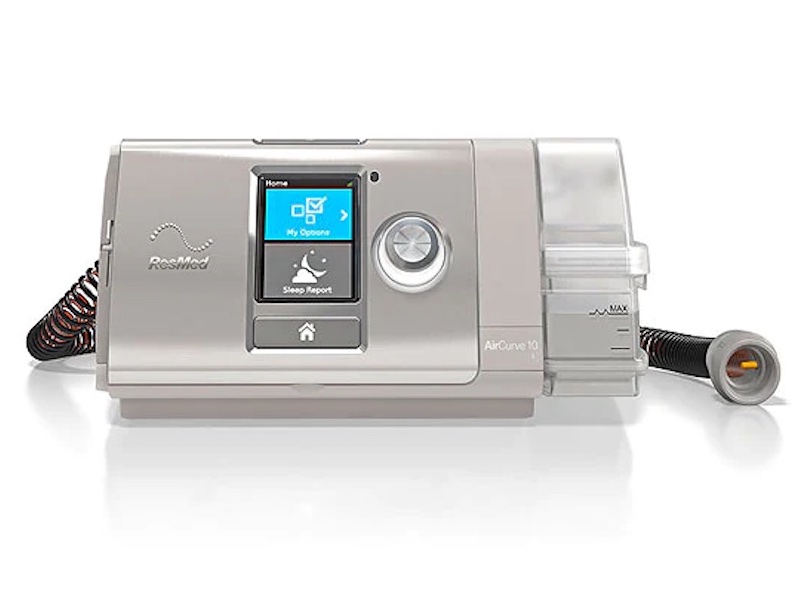
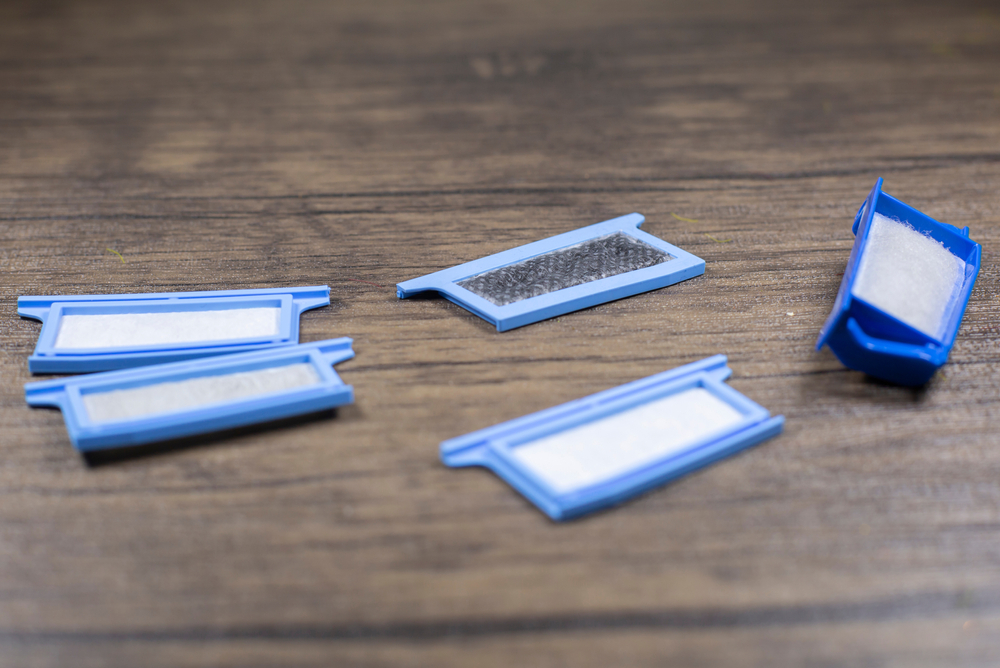
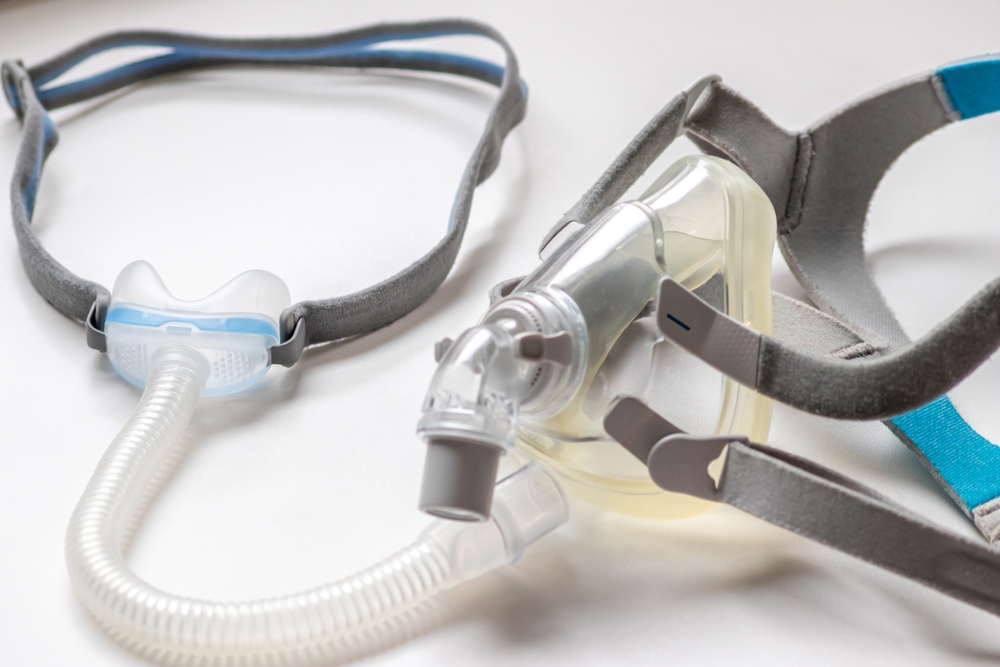
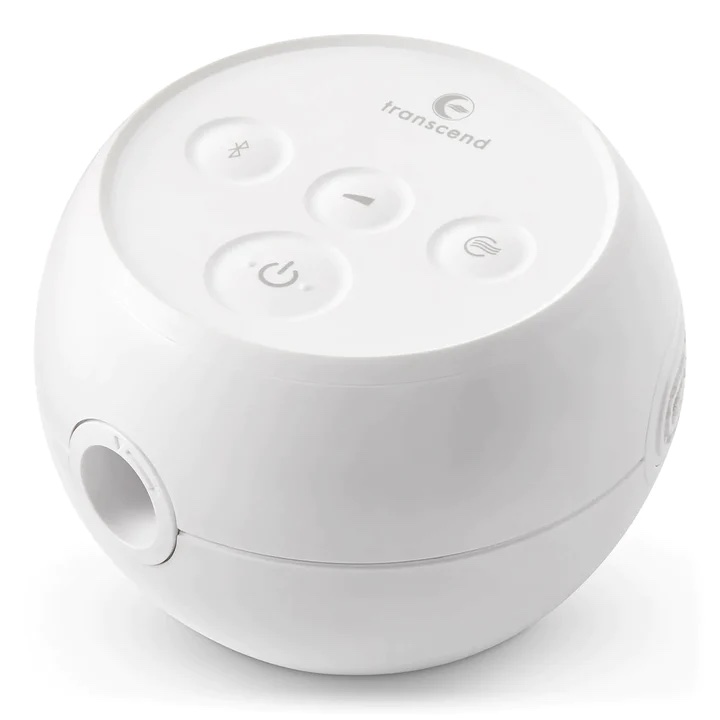
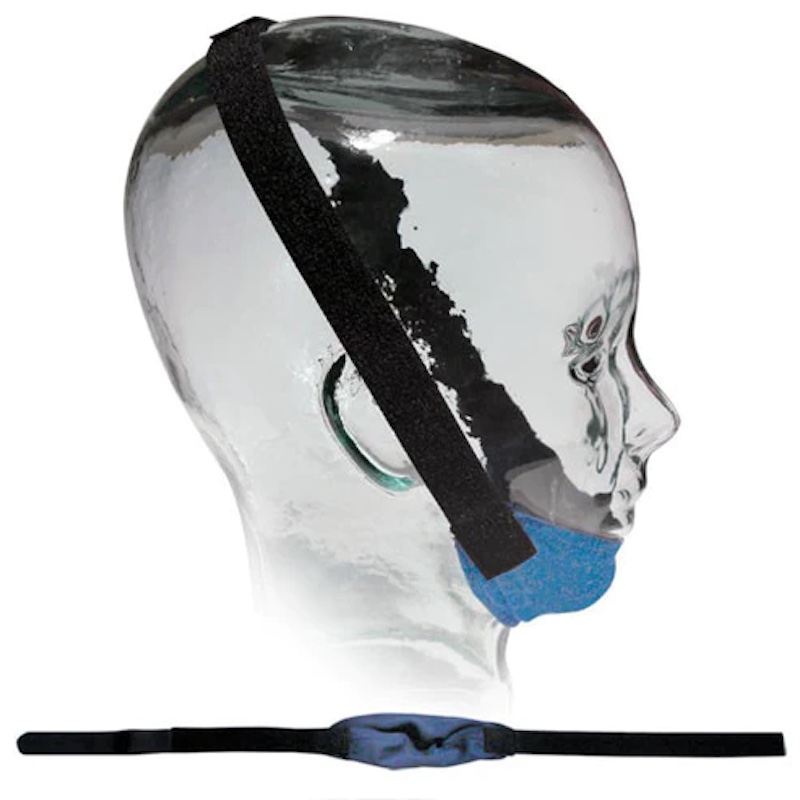
Consider bringing mask wipes or even spare mask parts, filters, and tubing if you’re going to be away from home for long. If you travel often, you may want to consider investing in a travel CPAP machine. Travel CPAP machines are lighter and smaller, and they’re often designed to work with slimmer tubing or travel-friendly accessories like in-line humidifiers.
Bringing a CPAP Machine Through TSA
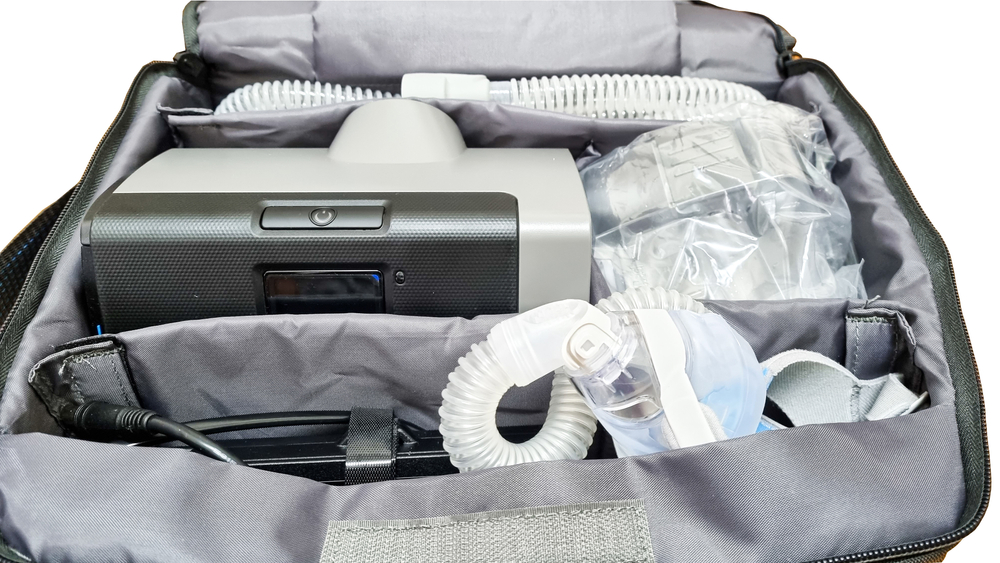
For a smooth security screening process, pack your CPAP machine and accessories in a dedicated and clearly marked CPAP bag. Many security agents are used to seeing CPAP machines, but for better peace of mind, consider bringing documents like your CPAP prescription, a medical certificate, or a travel compliance letter for your device.
The TSA officer is allowed to request that you take the CPAP machine out of the bag and inspect it. You’re allowed to pack your supplies in a clear plastic bag to avoid germs when putting them through the x-ray machine.
Remember to empty the humidifier water chamber before going through security, as you’re not allowed to bring liquids in containers over 3.4 ounces.
Traveling Internationally With a CPAP Machine
Flights between two international destinations aren’t subject to the same rules as in the U.S., so be sure to check the local laws before planning to travel with your CPAP machine. Remember to bring a plug adapter if you’re flying overseas. It’s also a good idea to bring your CPAP prescription, in case you need to purchase replacement supplies while abroad.
Have a question for our experts? Submit it to the Sleep Doctor Forum.
Written by
Danielle Pacheco, Contributing WriterDanielle is originally from Vancouver, BC, where she has spent many hours staring at her ceiling trying to fall asleep. She channels her frustration into researching sleep solutions and sharing insights with fellow insomniacs. Danielle spends her downtime trying out new recipes and working off the calories on the soccer field. Danielle studied the science of sleep with a degree in psychology at the University of British Columbia.