At a Glance
CPAP humidification adds moisture to the pressurized air from your machine, helping prevent dry mouth, nasal irritation, congestion, and sore throat during therapy. Most modern CPAP machines use a heated humidifier with a water chamber—typically filled with distilled water—that you can adjust to make breathing more comfortable and improve long-term CPAP use.
If you have a sleep-related breathing disorder like obstructive sleep apnea, continuous positive airway pressure (CPAP) devices can help you maintain an open airway rather than breathing erratically throughout the night.
One important component of CPAP therapy is the humidifier. A humidifier adds moisture to the air, which makes breathing more comfortable without irritation from a dry airway. CPAP machine settings, including humidity, are tailored to each person’s unique needs to help ensure comfortable and consistent OSA treatment.
How CPAP Humidifiers Work
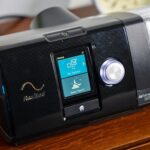
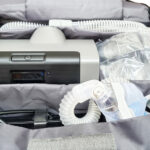
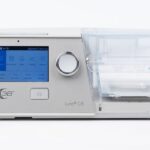
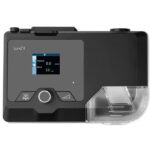
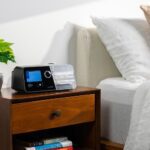
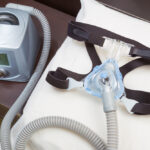
CPAP humidifiers add moisture to the air delivered by a CPAP machine to reduce dry mouth and nasal irritation. The humidifier consists of a water chamber—either built into the CPAP device or as an attachable component—through which pressurized air passes, collecting moisture before traveling through the tubing and mask to the upper airway.
Humidification can improve CPAP therapy by keeping the nasal passages and sinuses hydrated, helping to prevent common side effects like sore throat, nasal congestion, sinus inflammation, and nosebleeds. Most humidifiers offer adjustable temperature and moisture settings for personalized comfort.
Heated humidifiers use a warming element to evaporate water, sometimes with heated tubing to reduce condensation buildup. Passover (or passive) humidifiers rely on air passing over cool water to naturally absorb moisture without added heat.
Heated Humidification
Heated humidifiers use a built-in warming element to heat the water in the humidifier chamber. As the CPAP machine pushes air through the chamber, the heat causes the water to evaporate, adding warm moisture to the airflow before it travels through the tubing and into your mask.
Many heated humidifiers also include the option of heated tubing, which helps maintain the temperature of the air as it moves from the humidifier to the mask. This feature is especially helpful in preventing “rainout,” a common issue where moisture condenses inside the tubing and mask, causing unwanted dampness or water buildup.
Need a CPAP Prescription? Start Here

our partner at sleepdoctor.com
10% off Home Sleep Tests
Buy Now“Truly grateful for this home sleep test. Fair pricing and improved my sleep!”
Dawn G. – Verified Tester

Simple and convenient
- Equipment delivered to your doorstep
- One overnight test in the comfort of your own bed

Uncover sleep apnea
- Quietly collects data while you sleep
- 98% effective in detecting sleep apnea

Affordable & ships fast
- Arrives in 2-4 business days
- In-lab sleep tests cost ~$3,000+ (this one’s $189), HSA/FSA eligible


Types of CPAP Humidifiers
Several different types of CPAP humidifiers are available on the market, generally categorized as integrated or standalone units. Your sleep specialist can provide personalized guidance or recommendations to help you find the best option.
Integrated Humidifiers
Most modern CPAP machines feature integrated humidifiers, which are built into the CPAP machine itself. They can be easier to use and maintain than standalone units, as they don’t require additional power sources or separate setup. Some manufacturers recommended integrated humidifiers for people who travel often or need higher levels of humidity.
Standalone Humidifiers
Standalone humidifier units attach to a CPAP machine via a hose and require their own power source. Though less common than integrated humidifiers, they offer more flexible settings and can be easier to clean and maintain. They may be suitable for people who need more customization in their settings or who prefer a separate unit for ease of maintenance.
Benefits of Using a CPAP Humidifier
Adding a humidifier to your CPAP setup can significantly improve your comfort and consistency with therapy. Here are some key benefits:
- Reduces dryness and irritation: Moisturized air helps prevent dry mouth, sore throat, and nasal irritation—common complaints among CPAP users without humidification.
- Eases congestion and sinus discomfort: Humidified air keeps your nasal passages hydrated, which can help reduce inflammation, nasal congestion, and sinus pressure.
- Improves therapy tolerance: Increased comfort can lead to better compliance with CPAP therapy, especially for new users who may be adjusting to the airflow.
Potential Side Effects of CPAP Humidifiers
While humidifiers offer more comfort to CPAP users, they also have potential side effects.
- Skin irritation: You might experience skin irritation if the temperature of the humidifier is set too high, or if the tubing is not properly insulated.
- Rainout: Condensation can form inside the tubing and face mask, leading to moisture accumulation on the face, known as rainout.
- Risk of respiratory infection from a dirty water chamber: If you don't clean your CPAP humidifier regularly, bacteria and mold can grow inside the water chamber, which can increase the risk of respiratory infections.
To avoid these side effects, sleepers should follow basic maintenance guidelines for the best experience with humidification.
- Clean the humidifier regularly: Proper care involves emptying the water chamber daily and cleaning the chamber and tubing with soap and water at least once a week.
- Adjust the temperature and humidity level: Tailoring settings to an individual's needs can prevent condensation and skin irritation, as well as lead to greater symptom reduction.
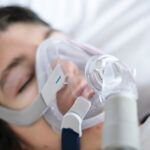
- Use a CPAP mask that fits well: A well-fitted CPAP mask can help prevent air leakage and increase the therapy’s effectiveness.
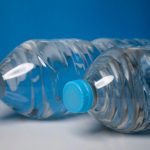
- Use distilled water: Distilled water is free of minerals and other impurities that can build up in the components of the humidifier, making it difficult to keep clean. Avoid tap water, which may contain biological contaminants that could lead to respiratory infection.
How to Choose a CPAP Humidifier
When buying a CPAP humidifier, take into account the type of device, humidification settings, and maintenance requirements. Additional factors to consider can include your lifestyle and personal preferences.
- Compatibility: Make sure that the humidifier is compatible with your CPAP machine and mask. You may need to purchase an adapter or connector if the humidifier and CPAP machine are not an ideal fit.
- Size and portability: If you plan to travel with your CPAP machine, you may want a unit with a built-in humidifier rather than a standalone piece.
- Price: CPAP humidifiers can vary in price, so consider your budget when shopping for equipment.
- Reviews and ratings: Read reviews and ratings from other users to get an idea of the quality and performance of different humidifiers.


How to Adjust Humidifier Settings
The best CPAP humidifier settings depend on your personal preferences and the severity of your sleep apnea. While a qualified sleep specialist can offer specific guidance on the best way to adjust your settings, you can also take steps to ensure your humidifier works properly.
- Start with the manufacturer's suggestions: Most CPAP humidifiers come with a recommended starting point for temperature and humidity levels. Your provider may start with these settings and adjust them as needed based on your comfort level and side effects.
- Consider your sleep environment: If you live in an arid climate or use air conditioning or heating that dries out the air, you may require a higher humidity setting. Similarly, excessive moisture or condensation in your tubing could indicate the need to adjust the temperature setting.
- Experiment with different settings: Try adjusting the temperature and humidity settings incrementally to find the combination that works best for you. Record the settings you try and how you feel during and after each night of use.
Finding the best humidifier settings may take some trial and error. It's important to follow the instructions provided by the manufacturer and your health care provider before adjusting the settings on your CPAP machine.
How to Care for a CPAP Humidifier
Proper care and regular cleaning of your CPAP machine, including the humidifier, are essential to maintain performance, prevent bacteria buildup, and extend the life of your device. While cleaning instructions may vary by model, consistent maintenance helps ensure effective therapy and a healthier, more comfortable experience.
Cleaning a CPAP Humidifier
- Empty and refill the water chamber daily: Refresh the humidifier by adding new distilled water. Impurities in tap water or bottled water may make it harder to clean properly.
- Clean the water chamber weekly: Once a week, clean the water chamber with mild soap and warm water. Rinse it thoroughly and let it air dry before refilling.
- Clean the humidifier hose and mask regularly: Wipe down the hose and mask with a damp cloth every day to remove any dirt or debris. Weekly, wash them in warm soapy water and rinse thoroughly before air-drying.
- Inspect the machine and accessories regularly: Check the machine and its accessories routinely for signs of wear and tear, and replace any damaged or worn-out parts as needed.
CPAP Humidifier Replacement
The lifespan of a CPAP humidifier depends upon the frequency of usage and how well it's maintained, but it should be replaced at least once a year. However, it’s a good idea to follow the manufacturer’s replacement recommendations and your provider’s advice.
Pay attention to signs you may need to replace it sooner. If the humidifier isn't producing enough moisture, even at high settings, or if the chamber is cracked and leaking, you may be due for a replacement. Tears, clogs, and discoloration of the filter are also signs that it’s time for new parts. An increase in nasal congestion, mouth dryness, or airway irritation may indicate your current humidifier is no longer fully effective.
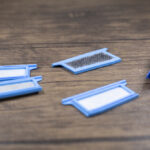
The filter, which removes contaminants from the water, should also be changed regularly. Disposable filters should be replaced every two to four weeks, while reusable foam filters should be changed at least every six months.
Frequently Asked Questions
Yes, it’s best to empty your CPAP humidifier every morning after use. This helps prevent bacteria and mold from growing in any leftover water. After emptying, let the chamber air-dry completely before refilling it the next night.
No, don't use tap water in your CPAP humidifier. Tap water may contain minerals, bacteria, or other impurities that can build up in your machine over time and potentially irritate your airway. Instead, it’s recommended to use distilled water in your CPAP humidifier. Distilled water keeps both you and your equipment safer.
No, you should not use essential oils in your CPAP humidifier. Oils can damage the machine, irritate your lungs, and leave behind a residue that’s difficult to clean. To stay safe and preserve your equipment, stick with plain distilled water only.

Written by
Audra Sarver, MHS, PA-C, Contributing WriterAudra is a licensed, certified physician assistant and freelance health writer. She has specialized in psychiatry since completing her clinical training in 2018. Her passion for writing was born from the desire to make complex medical information more accessible and understandable to patients and their loved ones. Audra likes to write about all things related to behavioral health and physical wellness.

Reviewed by
Gerard J. Meskill, MD, FAASM, Medical ReviewerDr. Gerard J. Meskill is a neurologist and sleep medicine physician specializing in the diagnosis and treatment of sleep disorders, including narcolepsy, obstructive sleep apnea, and insomnia. He is board-certified in both neurology and sleep medicine and has extensive experience helping patients manage complex sleep conditions and disorders of excessive daytime sleepiness.