At a Glance
Some people experience side effects when starting CPAP therapy, such as dry mouth, nasal congestion, skin irritation, or difficulty adjusting to the air pressure. Many of these issues can be managed by adjusting mask fit, using humidification, or working with a healthcare provider to fine-tune machine settings.
CPAP therapy is highly effective for treating sleep apnea, but many people experience side effects when they first start using the machine. Some people find that the mask or the flow of pressurized air can lead to issues like skin irritation, nasal congestion, or dry mouth, especially during the adjustment period.
The good news is that most CPAP side effects are manageable with proper troubleshooting, equipment adjustments, and support from your healthcare provider. Below, we’ll cover the most common CPAP side effects and strategies to make therapy more comfortable and easier to stick with over time.
Think You May Have Sleep Apnea? Try an At-Home Test
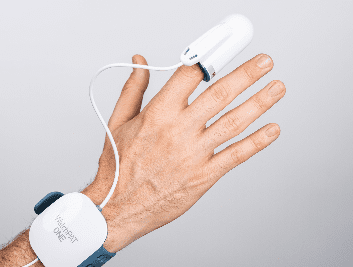
our partner at sleepdoctor.com
Save 10% + FREE 2-Day Shipping
Add to Cart“Truly grateful for this home sleep test. Fair pricing and improved my sleep!”
Dawn G. – Verified Tester

Simple and convenient
- Equipment delivered to your doorstep
- One overnight test in the comfort of your own bed

Uncover sleep apnea
- Quietly collects data while you sleep
- 98% effective in detecting sleep apnea

Affordable & ships fast
- Arrives in 2-4 business days
- In-lab sleep tests cost ~$3,000+ (this one’s $189), HSA/FSA eligible


Common CPAP Side Effects
As your body adjusts to CPAP therapy, it’s normal to experience a few side effects—most of which are mild and improve with time or simple troubleshooting. These issues can involve the mask, the airflow, or your nasal passages, and they often signal that a small adjustment is needed to improve comfort and fit.
Nasal Congestion or Runny Nose
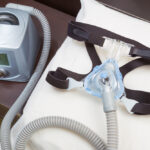
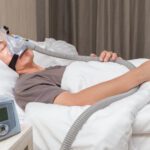
A CPAP machine sends a constant flow of pressurized air into the mouth, nose, or both. Exposure to this air can irritate the lining of the nostrils, which may lead to nasal congestion. People who are already congested from allergies or other conditions may find it harder to breathe comfortably when using a CPAP.
Dry Mouth or Nose
As air from the CPAP passes through the mask and into the upper airway, it can dry out the lining of the mouth, nose, or throat. Dryness is more likely to occur during colder times of the year and in geographic areas with low levels of humidity. Dryness may cause discomfort and lead to inflammation, nosebleeds, and crusting in the nose. It may also lead to or worsen a cough.
Discomfort When Exhaling
It can be challenging for some people to get accustomed to breathing out against the pressurized air of a CPAP. The uncomfortable feeling of resistance when exhaling can be worse for people who need higher levels of air pressure to treat sleep apnea.
Pressure Marks or Skin Irritation
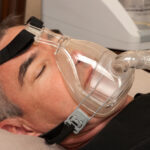
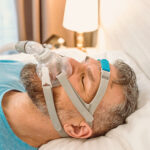
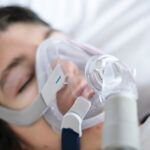
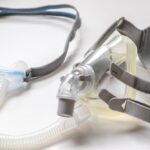
To deliver air properly, a CPAP mask must form a tight seal against the face. When held in place for many hours, the mask may cause pain or discomfort, especially if the mask doesn't match the size and shape of a person’s face.
Sores, reddening of the skin, or other signs of skin irritation may develop in the areas where the mask presses against the face or around the straps that secure the mask.
Dry Eyes and Eye Irritation
The air from a CPAP machine should only go into the mouth and nose. But sometimes air leaks from around the mask as a result of a weak seal with the face. Pressurized air can then disperse and affect the eyes, causing them to become dried out and irritated.
Claustrophobia
Claustrophobia is a fear of being closed-in, and some people experience this fear when using a CPAP machine. This CPAP side effect is often linked to the size and design of a person’s CPAP mask.
Aerophagia and Bloating
Some CPAP users inadvertently swallow some of the pressurized air that the CPAP delivers through the mask. This is known as aerophagia. As this air builds up in the stomach and intestines, it can cause uncomfortable bloating as well as gassiness in the form of belching or flatulence.
Chest Pain
For some people, a CPAP device can generate discomfort or pain in the chest muscles. However, this is usually only a short-term side effect. It generally becomes less noticeable as a person gets accustomed to sleeping while using a CPAP machine.
How to Prevent CPAP Machine Side Effects
A variety of strategies can prevent or address CPAP side effects so you can sleep more comfortably. Practical steps, such as mask and humidifier adjustments, can often help resolve CPAP challenges. Your doctor or a sleep specialist can offer tailored suggestions.
Adjust Your Face Mask
To make sure your mask forms a tight seal, listen closely while getting ready to use your CPAP machine. Before putting on your mask, turn on the device and listen for air flowing through the mask. After putting on the mask, this sound should go away if you’ve established the right seal.
While a good seal is important, you also want to avoid adjusting your mask to be overly tight. Keep the straps just tight enough to assure the proper placement of the mask and the quality of the seal.
Periodically replacing your mask, mask cushion, or mask pillows is also important for maintaining a good seal.
Experiment With a Different Type of CPAP Mask
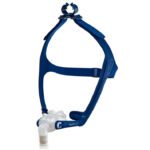
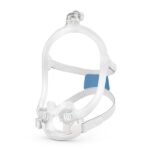
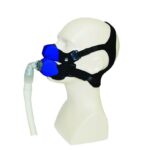
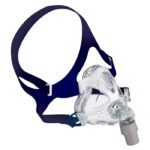
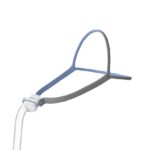
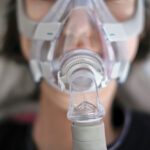
Finding the right CPAP mask and ensuring that it fits properly can help combat common CPAP side effects like skin or eye irritation, claustrophobia, and nasal dryness.
If you find that your current mask can’t make a good seal or causes discomfort, you can talk to your doctor about trying out a different type of mask. It’s normal to test out several mask options before finding the right fit. You may also need to try a different kind of headgear or strap to hold the mask in place.
Try a Humidifier
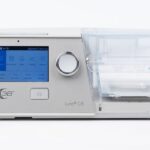
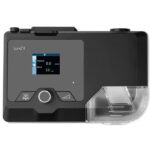
CPAP machines typically have a heated humidifier built into the device. The humidifier can add warm, moist vapor to the airflow from the device, helping keep your mouth or nasal passages from becoming irritated or dried out.
In addition to turning on the heated humidifier, you can also attempt to resolve irritation or congestion with a saline nasal rinse or spray. Your doctor can also prescribe medications or suggest other approaches to reducing congestion while using CPAP.
Use the Ramp Feature
If the initial blast of air from your CPAP machine feels overwhelming, using the ramp feature can make therapy more comfortable. Ramp gradually increases the air pressure over a set period of time, allowing you to fall asleep before the machine reaches your prescribed setting. This slow build-up can help reduce feelings of breathlessness, claustrophobia, or discomfort that sometimes occur when starting CPAP at full pressure.
Wear Your CPAP Mask During the Day
Wearing your CPAP mask for short periods during the day—while reading, watching TV, or relaxing—can help you get used to how it feels on your face. This practice can be especially useful for new CPAP users who feel anxious or claustrophobic at night. Getting comfortable with the mask in a low-pressure, low-stress situation can make bedtime feel much easier and help improve long-term adherence.
Keep Your CPAP Equipment Clean
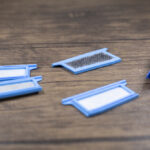
A clean CPAP device is more likely to function in optimal shape. It’s also important to clean your CPAP components regularly because it keeps potentially harmful germs from collecting in the hose or mask. Additionally, regularly cleaning your mask cushion will improve the mask seal.
For detailed instructions about what cleaning products you can use and how often to clean or replace different CPAP parts, check your device’s user manual.
How to Know if You Need a Different CPAP Pressure
The right CPAP pressure settings are important to ensure that the device can effectively treat sleep apnea. The CPAP pressure may need to be adjusted if you have bothersome side effects, if your symptoms aren’t improving, or if you’ve made certain lifestyle changes.
It’s important to consult with your health care team before modifying any CPAP pressure settings. Your doctor can either make these changes for you or guide you through making any needed pressure adjustments.
Some CPAP side effects, such as discomfort when exhaling, can be tied to the device’s pressure level. Being proactive about bringing up any side effects with your doctor can help troubleshoot problems, including whether to modify pressure settings or if you have machine-specific questions (like problems with the AirSense 11).
If you use a CPAP machine every night but still have sleep apnea symptoms, your pressure may need to be changed. Examples of these symptoms include:
- Daytime drowsiness
- Choking or gasping during sleep
- Snoring that is noisy and frequent
- Morning headaches
- Waking up unrefreshed
Your doctor may need to adjust your CPAP device’s settings if you make certain changes to your lifestyle or the way you sleep. For example, air pressure levels may need to be modified if you:
- Switch to a different type of CPAP mask
- Change your usual sleeping position
- Lose or gain a significant amount of body weight
- Alter your typical use of alcohol or sedative drugs
Types of Pressure Adjustments
If your CPAP pressure settings need an adjustment, it may involve changing the established air pressure, using a pressure ramp, or turning on pressure relief.
- Air pressure: In some situations, the fixed level of pressure delivered by your CPAP machine may be increased or decreased.
- Pressure ramp: The CPAP’s ramp function lets you start the night with a lower pressure level that gradually increases, so that you're already asleep by the time the machine starts delivering the full level of prescribed air pressure.
- Pressure relief: With this function enabled, the CPAP device lowers the air pressure by a small amount when you exhale. Pressure relief has to be carefully configured based on the model of CPAP machine, so check with your doctor if you want to try out this adjustment.
When to Talk to a Doctor
In order for a CPAP machine to resolve sleep apnea and provide important health benefits, you have to use it consistently. For this reason, it’s best to promptly raise any concerns you have about CPAP side effects with your doctor.
While you can also try practical solutions on your own, your doctor can offer specific recommendations to help you avoid bothersome or long-term side effects from using a CPAP machine.
You should also consult with your doctor if you feel like your sleep apnea symptoms are not getting better with CPAP therapy or if you have questions about the appropriate pressure settings for your CPAP machine.
Have a question for our experts? Submit it to the Sleep Doctor Forum.
Written by
Eric Suni, Contributing WriterEric Suni is a health and science writer who covers sleep apnea, CPAP therapy, and sleep health for SleepApnea.org. He has more than a decade of experience translating complex medical research into clear, accessible information that helps readers better understand their health and treatment options.

Reviewed by
Gerard J. Meskill, MD, FAASM, Medical ReviewerDr. Gerard J. Meskill is a neurologist and sleep medicine physician specializing in the diagnosis and treatment of sleep disorders, including narcolepsy, obstructive sleep apnea, and insomnia. He is board-certified in both neurology and sleep medicine and has extensive experience helping patients manage complex sleep conditions and disorders of excessive daytime sleepiness.