If you've been told that you snore while you're sleeping, you're not alone. About 44% of middle-aged men and 28% of middle-aged women snore regularly. Sometimes snoring can signal a sleep disorder like sleep apnea or another medical issue, but not everyone who snores has an underlying problem.
Since snoring isn't considered dangerous in and of itself, medical treatment is generally reserved for people whose snoring is due to an underlying disorder. That said, if you're embarrassed by your snoring or it's waking up your bed partner, there are ways to reduce simple snoring. Below, we review the best anti-snoring products available and help you determine which is best for you.
Our Top Picks


Best Anti-Snoring Mouthpiece
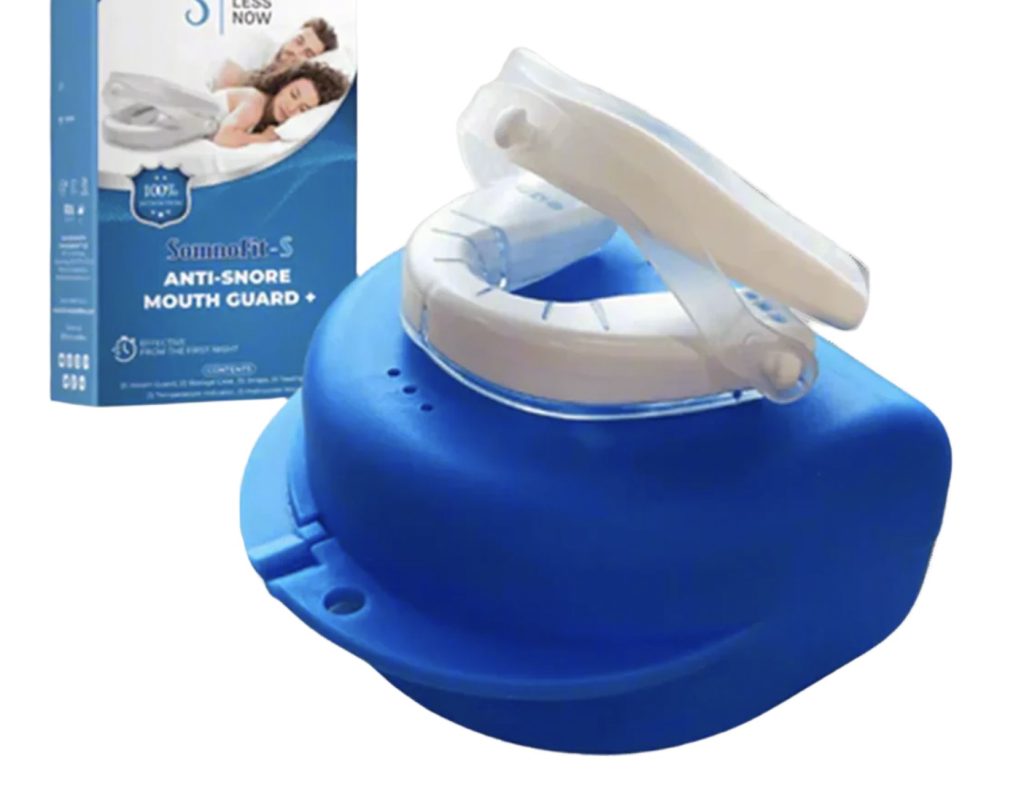
Somnofit-S Anti-Snore Mouth Guard+

Ideal For
- People seeking a customizable snoring solution
- Anyone who prefers an FDA-cleared device
- People wanting to pay with an HSA or FSA
Who Should Keep Looking
- People who wear dentures, braces, or retainers
- Those with TMJ or other issues with their jaw or missing teeth
- Shoppers on a tight budget
-
Price
$150
-
Size
One size, adjustable straps
-
Type
Mandibular advancement device
How It Works
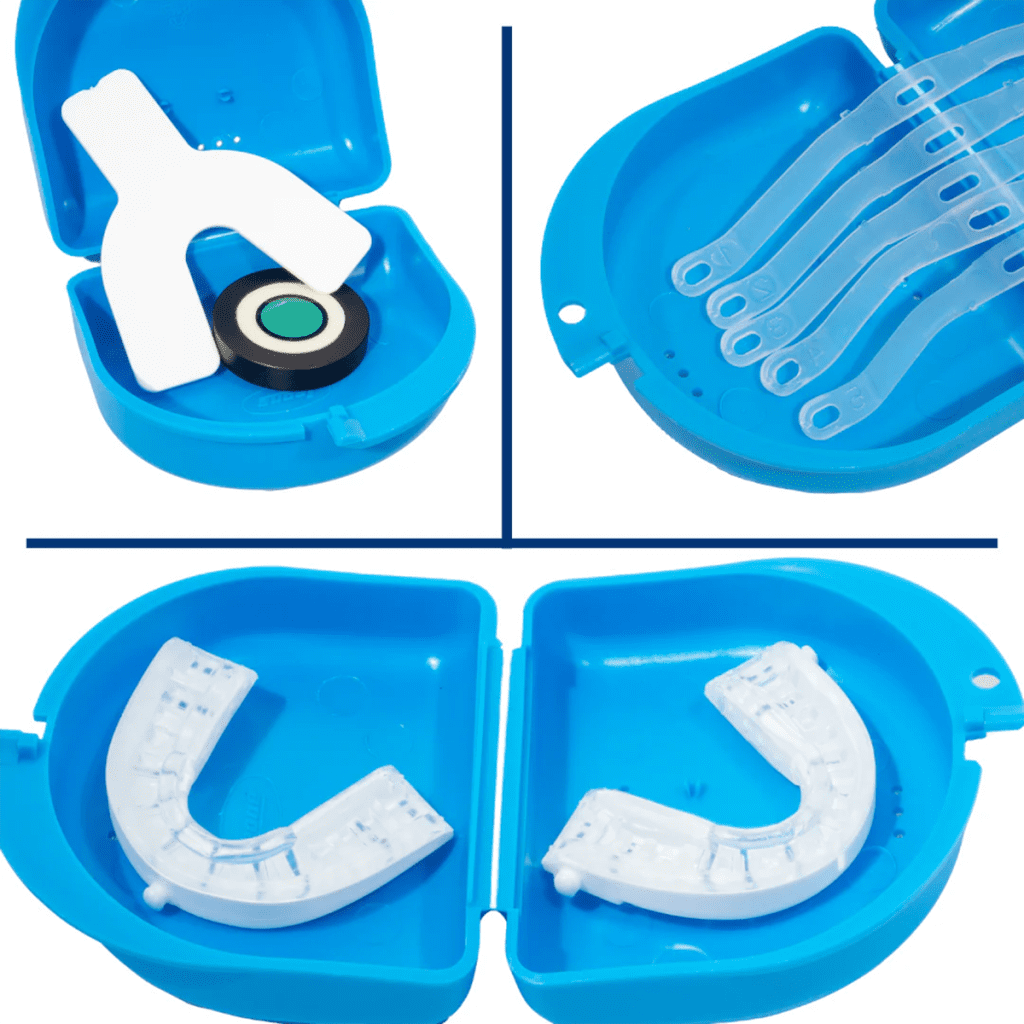
The Somnofit-S Anti-Snore Mouth Guard+ sits over both the top and bottom teeth like a mouth guard. By gently moving the jaw forward, the Somnofit-S helps open the airway and reduce snoring.
Our Review
This anti-snoring mouthpiece offers more flexibility during use than many competing products, allowing you to both drink and talk while wearing it. Though it's been sold in Europe for quite some time, it just obtained FDA clearance in the U.S. in 2024.
The Swiss-produced device is made from biomedical polymers and can be customized to fit your mouth in two ways: First, using the boil-and-bite method, you can make the mouthpiece fit your teeth. Second, five adjustable bands allow you to choose the ideal pressure for your jaw.
Use this SleepApnea.org link for the most current discount on the Somnofit-S
Shop NowBest Mattress for Snoring
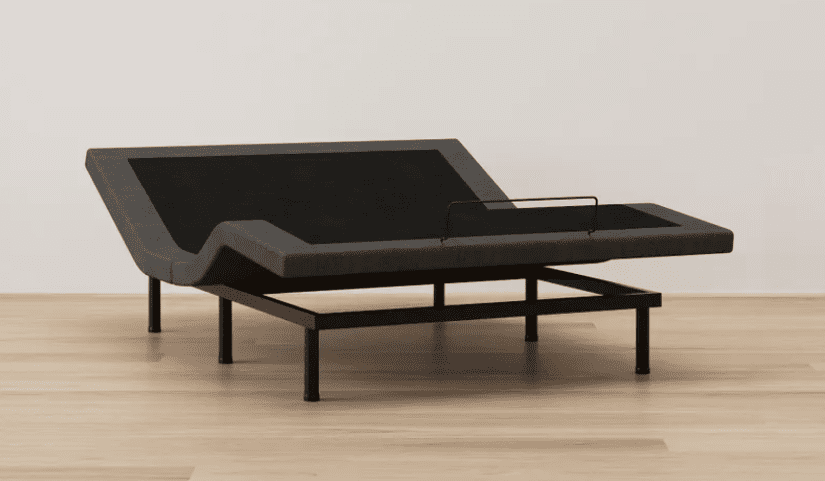
Nectar Adjustable Bundle

Ideal For
- People ready to buy a new bed
- Sleepers who can't tolerate other anti-snoring devices, like mouthpieces and nasal dilators
- Those who prefer an adjustable bed for other reasons
Who Should Keep Looking
- Those wanting to keep their current bed
- People with a queen size or smaller whose bed partners aren't willing to sleep on an incline
- Shoppers on a budget
-
Price
$1,400
-
Size
Twin XL, full, queen, king, and split king
-
Type
Adjustable bed frame, mattress, and bedding
How It Works
Adjustable bed frames may help reduce snoring by allowing the sleeper to raise the upper body to prevent the airway from collapsing during sleep.
Our Review
Buying an adjustable bed frame can be a complicated process, because not all mattresses are made to work with an adjustable frame. Purchasing this Nectar — one of the best mattresses for snoring — set provides assurance that the bed and frame are made to work together, since the mattress is included. The split-king size allows each partner to raise and lower their side independently.
Not everyone who snores may be willing to invest in a new bed and frame to combat their problem. However, this bundled option offers a significant discount on this bed and frame for those who are ready for a new mattress. The bundle could be particularly helpful for couples in which both people snore, or for whom an adjustable frame is also attractive for other reasons like heartburn or back pain. Nectar offers the option to choose between different mattress models.
Use this SleepApnea.org link for the most current discount on the Nectar Adjustable Bundle
Shop NowBest Nasal Device for Snoring
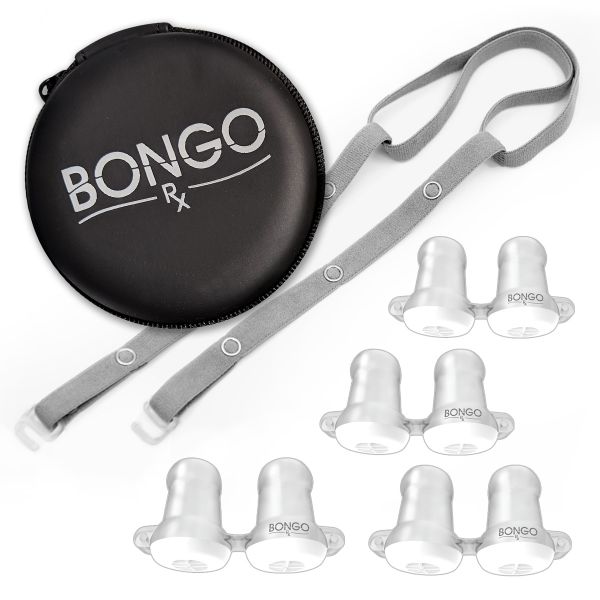
AirAvant Bongo Rx EPAP Starter Kit

Ideal For
- People with mild to moderate obstructive sleep apnea
- Those who travel regularly
- Those who have tried but didn't enjoy CPAP therapy
Who Should Keep Looking
- People who haven't been diagnosed with obstructive sleep apnea
- Those with severe obstructive sleep apnea
- Sleepers with sleep apnea who have experienced success using CPAP therapy
-
Price
$200
-
Size
Small, medium, large, and extra large
-
Type
EPAP therapy
How It Works
In some cases, a person's snoring links to an underlying disorder called obstructive sleep apnea. This causes the tissues in their throat to collapse repeatedly during sleep, blocking the airway and leading to lapses in breathing. These collapses disrupt sleep and can lead to tiredness the next day. Turbulent airflow may also lead to a vibration of these tissues and cause loud snoring.
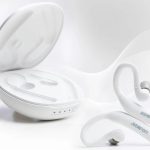
The compact, FDA-approved Bongo Rx EPAP device by AirAvant that works by using your own breathing to create resistance during exhalation, helping keep the airway open.
Our Review
Bongo Rx offers an efficient, travel-friendly alternative to CPAP therapy, the most common sleep apnea treatment that requires a person to sleep hooked up to a mask and machine. It fits into and just under the nostrils and may help keep the airway open despite taking up little space, and requiring no hose, machine, or power source.
The Bongo Rx EPAP Starter Kit comes with Bongo Rx EPAP devices in four sizes, so you can identify which size works best for you. The kit requires a prescription, which you can obtain after a brief online appointment with a sleep doctor.
Use this SleepApnea.org link for the most current discount on the Bongo Rx
Shop NowBest Pillow for Snoring
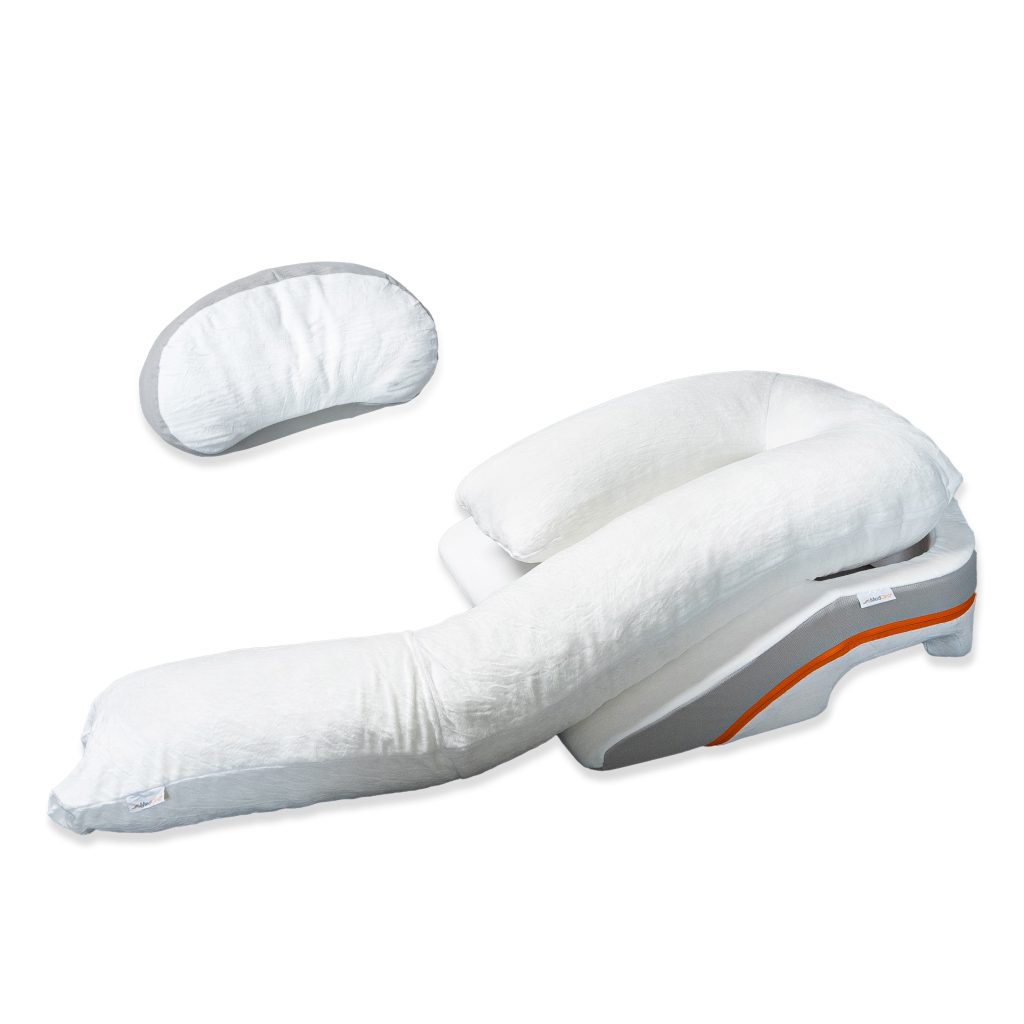
MedCline Acid Reflux Relief Wedge and Body Pillow System

Ideal For
- Sleepers who also have acid reflux
- People wanting to pay with an HSA or FSA
- Those who want to sleep on an incline but can't afford an adjustable bed
Who Should Keep Looking
- Sleepers who lack extra bed space
- Shoppers on a tight budget
- Those with back or hip pain that may be exacerbated by changing their sleep posture
-
Price
$270
-
Size
Small, medium, and large
-
Type
Wedge pillow, body pillow, and insert pillow
How It Works
The MedCline Reflux Relief System may reduce snoring by elevating your head and upper body 15 to 20 degrees, which can help open the airway.
Our Review
The system's base is a firm wedge pillow with a hole in the middle that extends to each side and an insert pillow that fills part of the hole. This system allows side sleepers to put an arm through the hole and remain comfortable, supporting the shoulder and potentially reducing discomfort.
A body pillow wraps around above your head and on either side of you as you lie on the wedge pillow, providing a softer place to rest your head no matter what position you're in. The pillows are filled with Certi-PUR foam and have removable, washable covers. Since they were designed for people who have acid reflux at night, this system may be especially helpful for people who both snore and experience gastroesophageal reflux disease (GERD).
Use this SleepApnea.org link for the most current discount on the MedCline Reflux Relief System
Shop NowBest Nasal Dilator for Snoring
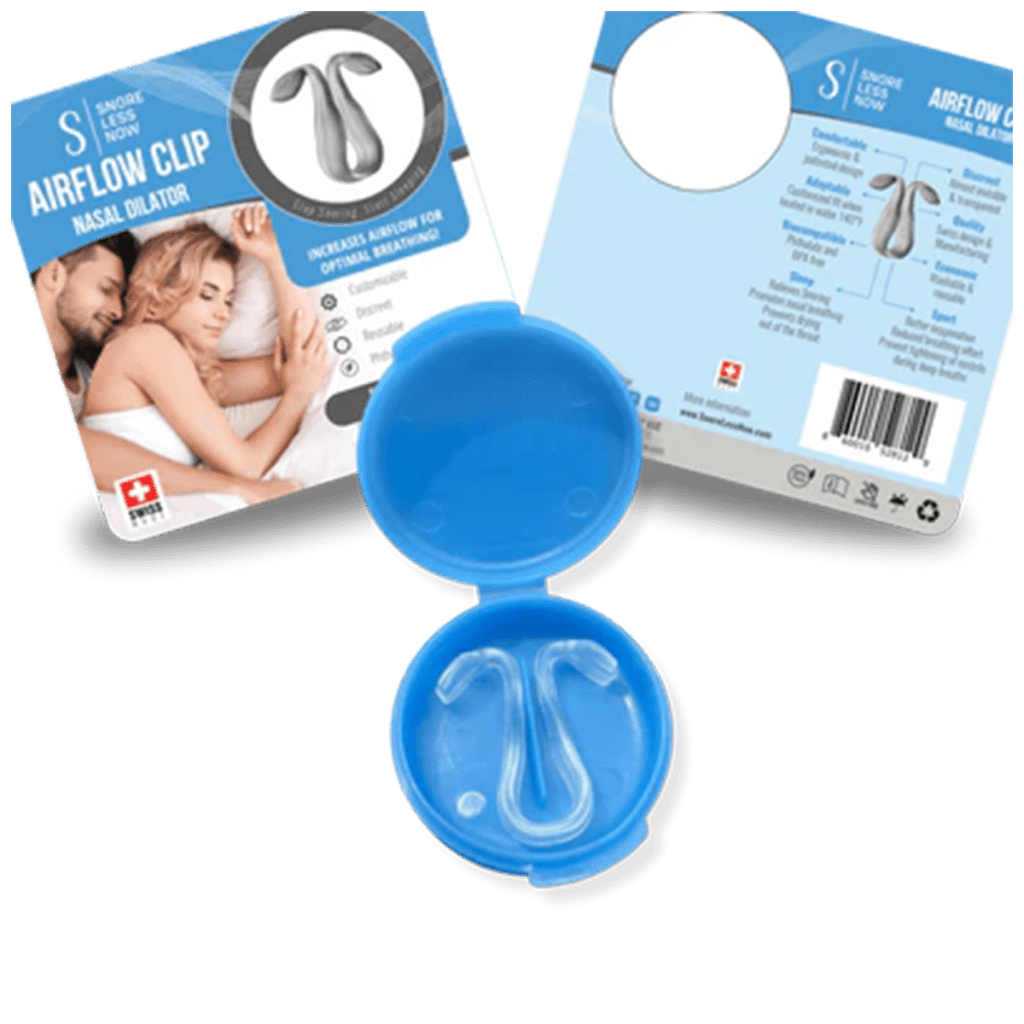
SnoreLessNow Airflow Clip Nasal Dilator

Ideal For
- People with nasal congestion or narrow nasal passages
- Shoppers looking for a low-cost solution
- Those wanting to pay with an HSA or FSA
Who Should Keep Looking
- People who are unable to breathe through their nose
- Those who haven't had success with nasal dilators in the past
- Sleepers diagnosed with obstructive sleep apnea
-
Price
$18
-
Size
Small, medium, and large
-
Type
Nasal dilator
How It Works
Nasal dilators are a compact, low-cost solution to snoring for many people. The SnoreLessNow Airflow Clip Nasal Dilator is a clear, horseshoe-shaped clip that sits in your nostrils and pushes outward, expanding the nasal passages and helping minimize resistance when breathing.
Our Review
The Airflow Clip Nasal Dilator is available in three sizes. People unsure of their size can try out the trial pack, which includes one dilator in each size. The clip is also moldable and free of adhesive to maximize a sleeper's comfort. The Swiss-designed clip is made from BPA-free material and can be used for up to 90 days before it needs replacing.
Use this SleepApnea.org link for the most current discount on the Airflow Clip Nasal Dilator
Shop NowBest Automatic Head Adjustment
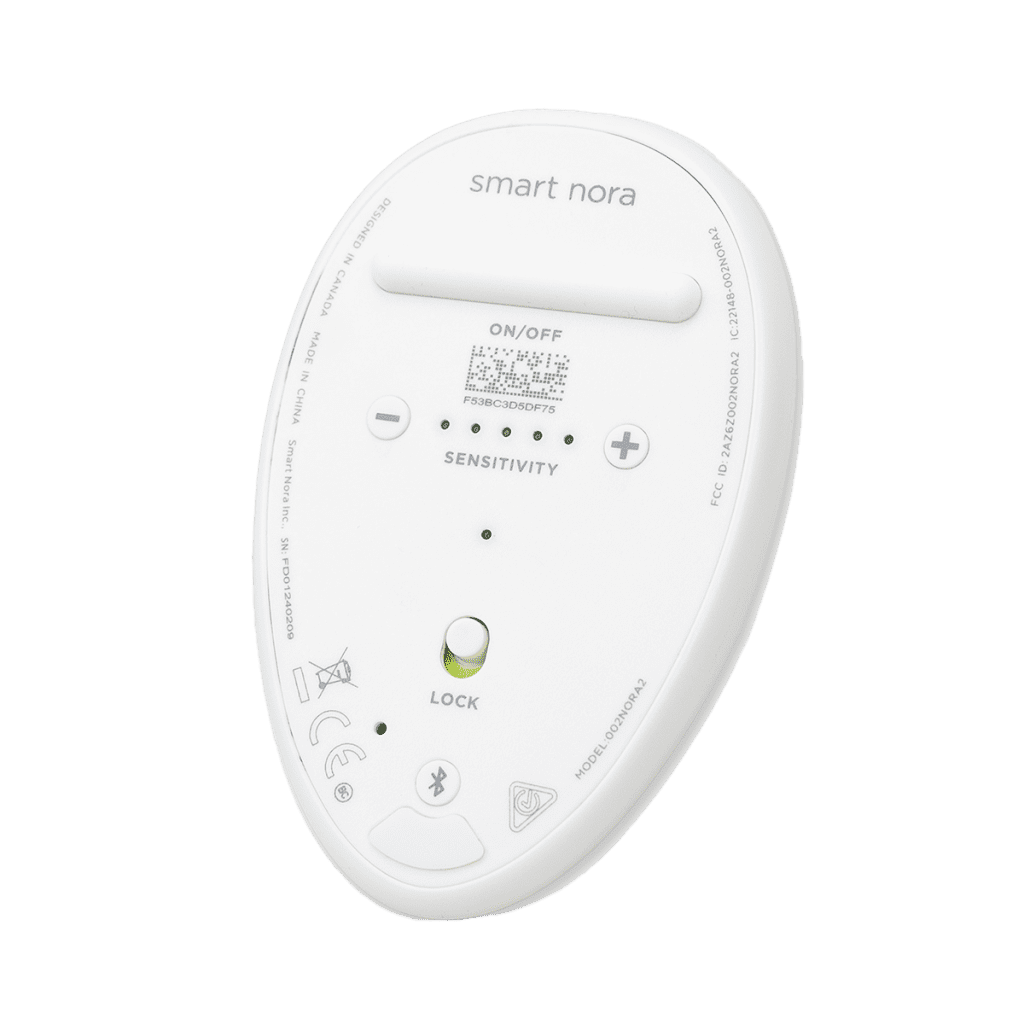
Smart Nora

Ideal For
- Sleepers who snore loudly or frequently
- People whose snoring disrupts their bed partner
- Those ready to invest in a snoring solution
Who Should Keep Looking
- Those who've been diagnosed with obstructive sleep apnea
- Shoppers on a tight budget
- People who prefer a device they don't have to plug in
-
Price
$440
-
Size
One size
-
Type
Head adjustment device
How It Works
Snoring occurs when airflow becomes restricted in a narrowed airway, causing the surrounding tissues to vibrate. The Smart Nora works by making a gentle adjustment to your head position. When the insert inflates, it subtly shifts your head and neck, which can help reopen the airway and reduce the vibrations that cause snoring.
Our Review
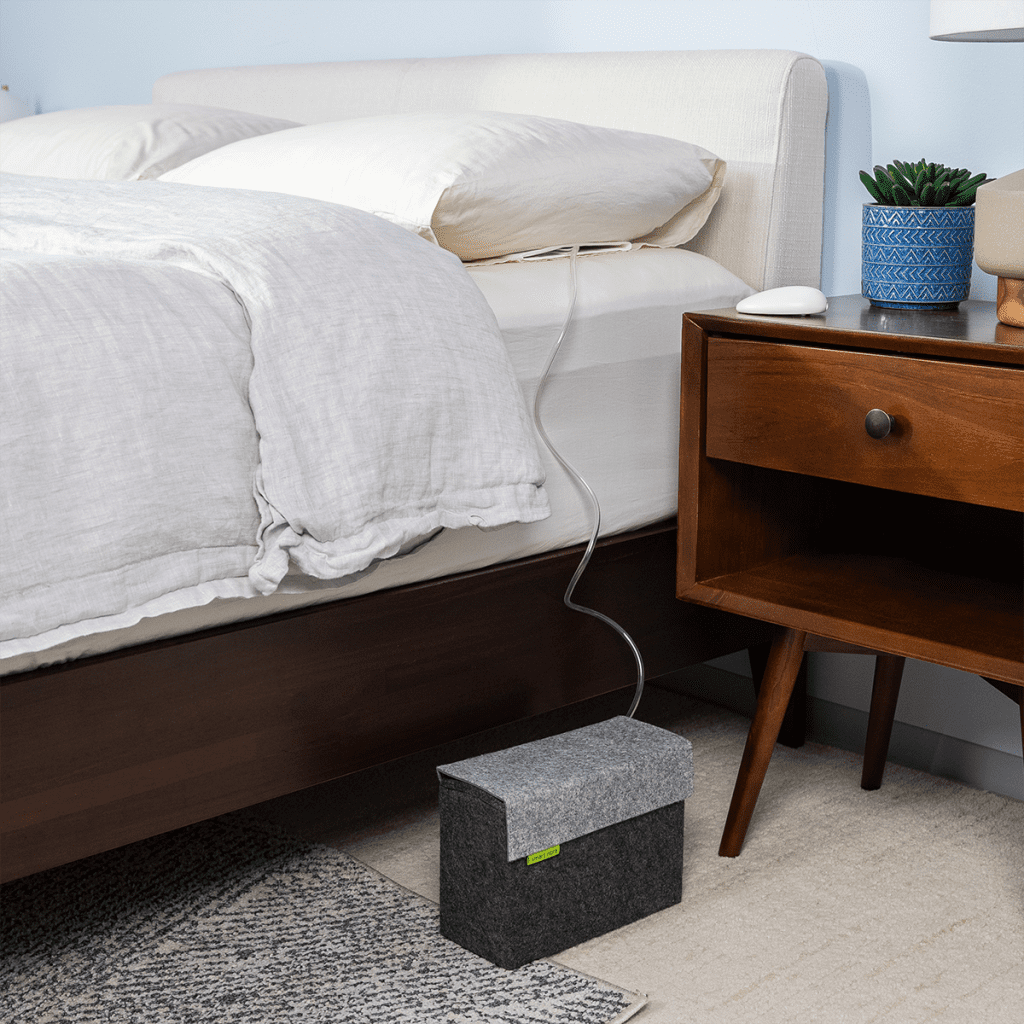
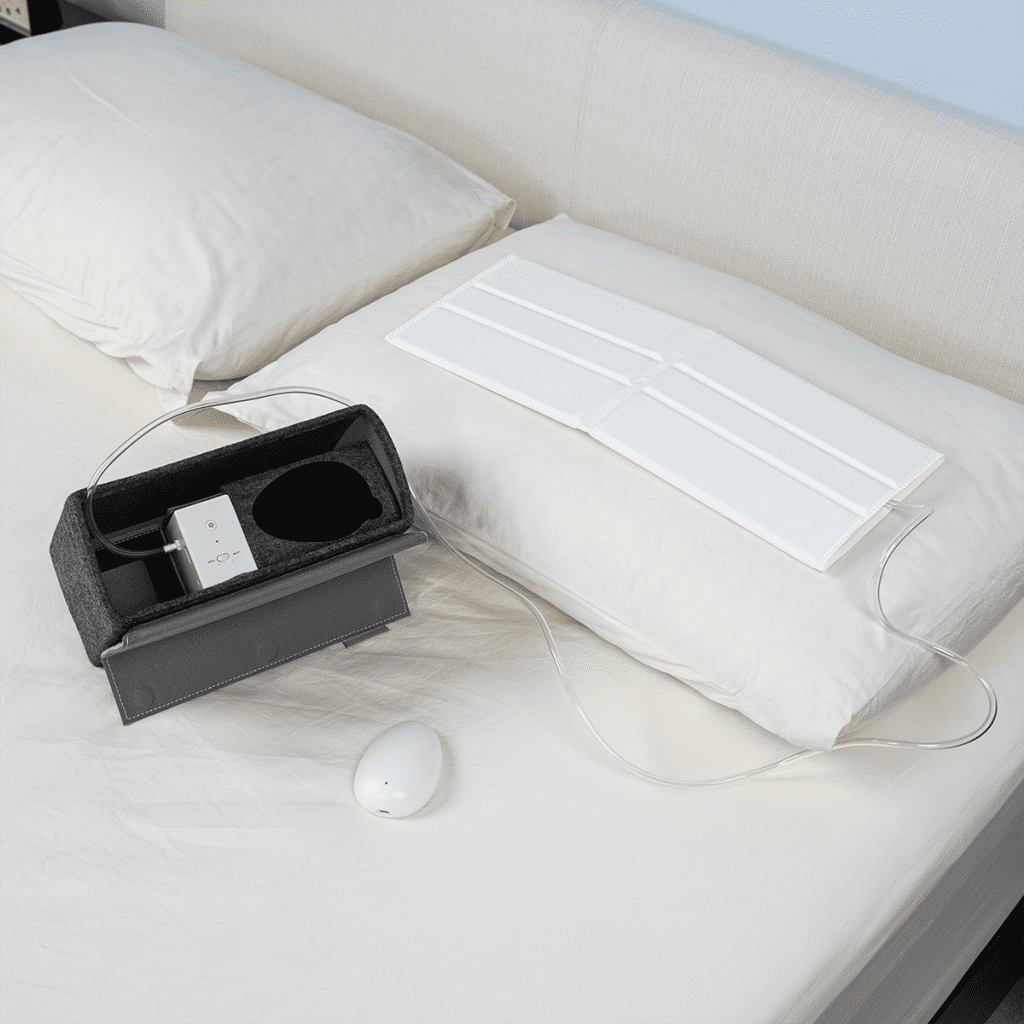
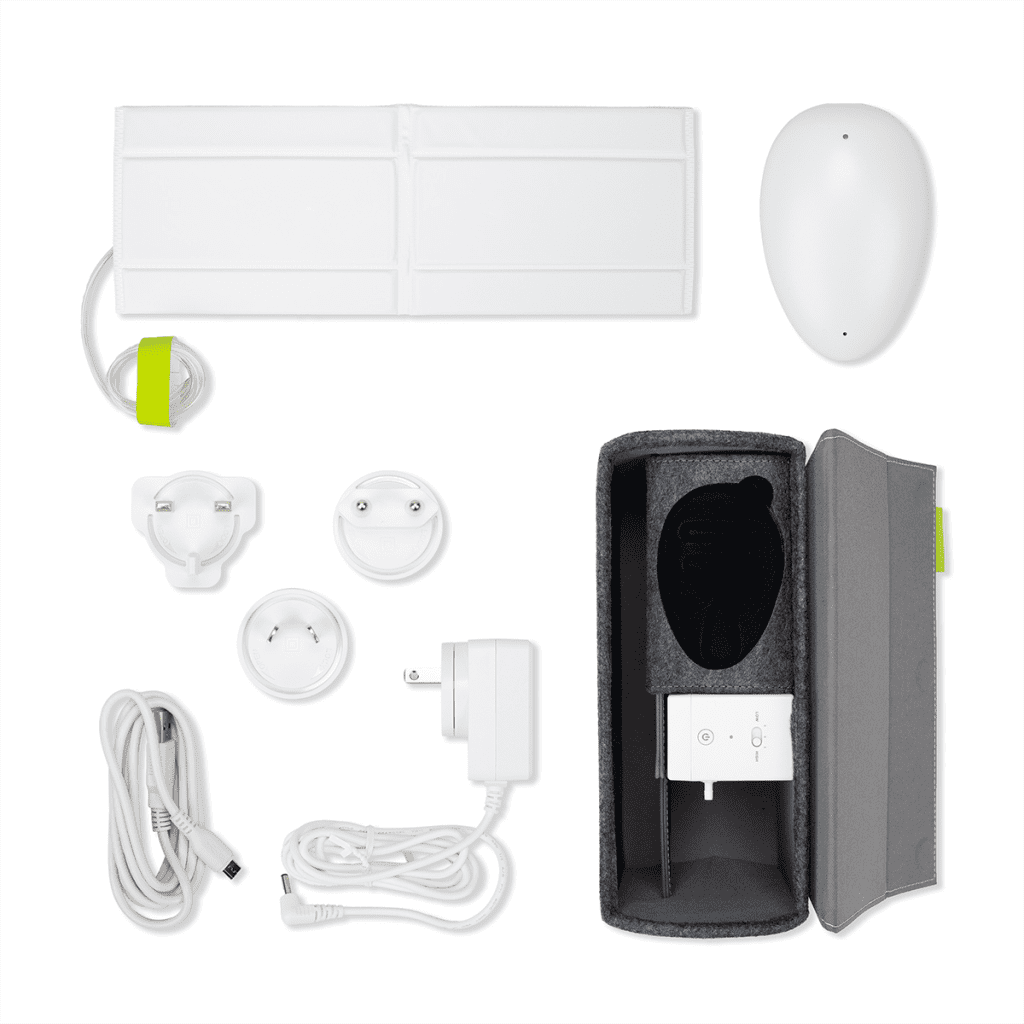
The Smart Nora is a high-tech yet easy-to-use system to stop snoring quickly. The Pebble, which is a microphone, sits on your bedside table, listening for when you snore. A pillow insert sits inside of your pillowcase and connects to a base next to your bed with a tube.
When the Pebble “hears” you snore, the insert gently inflates, stopping the snoring. The company reports that the device typically responds quickly enough to reduce snoring before it becomes disruptive to a bed partner.
Use this SleepApnea.org link for the most current discount on the Smart Nora
Shop NowBest Mouth Tape for Snoring
Dream Recovery Dream Mouth Tape

Ideal For
- Sleepers who breathe through their mouths
- Those seeking a simple snoring solution
- Shoppers on a budget
Who Should Keep Looking
- Sleepers who are unable to breathe through their nose
- People wanting a reusable snoring treatment
- Those who have tried mouth tape and not had it work well
-
Price
$29
-
Size
One size
-
Type
Mouth tape
How It Works
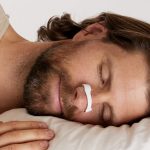
Sometimes, snoring is exacerbated due to the shape of the airways when breathing through the mouth. Dream Recovery's Dream Mouth Tape provides an easy solution in the form of medical-grade adhesive tape. Made from soft, sustainable organic bamboo silk, Dream Mouth Tape fits over both the top and bottom lips, gently holding them together to prevent mouth breathing.
Our Review
A pack of Dream Mouth Tape contains 30 adhesive strips, so this anti-snoring treatment costs less than $1 a day to use. The adhesive strips come in two color options: Cloud (solid ivory), and Sky (solid light blue). The tape is designed to work with both beards and sensitive skin, though it should not be used by people with a blocked nose.
Use this SleepApnea.org link for the most current discount on Dream Mouth Tape
Shop NowHow We Test Anti-Snoring Devices
Our testing team has almost a decade of experience testing a wide variety of sleep-related products, so we can give you an honest analysis of the items you're curious about before you buy. We research products, meticulously dig through user reviews, and test them in our lab to see how well they perform, as well as how durable they are and how they compare to similar items.
We're proud to have a diverse group of people test each sleep product, so our reviews can be as universally applicable and as unbiased as possible. Our testers are of different ages, genders, and body sizes and sleep in all positions, but they have one thing in common — years of expertise related to sleep. Learn more in our Editorial Policy.
Causes of Snoring
Snoring occurs when air can’t move freely through your nose and throat during sleep, causing the surrounding tissues to vibrate and produce sound. Several factors can increase the likelihood of snoring, including:
- Nasal congestion or blockage, such as from allergies, a cold, or a deviated septum
- Sleep position, especially sleeping on your back, which can cause the tongue to fall backward
- Alcohol or sedative use, which relaxes airway muscles
- Excess weight, which can add pressure around the airway
- Anatomical factors, such as a narrow airway, large tonsils, or a long soft palate
In some cases, snoring can also be a sign of a more serious condition like obstructive sleep apnea, where the airway becomes repeatedly blocked during sleep.
Snoring or Sleep Apnea? Test for as Low as $0
Sleep Doctor’s home sleep study provides answers — no lab visit required. Most major insurance plans accepted.

How to Choose the Right Anti-Snoring Device for You
Not all anti-snoring devices work the same way, and the best option depends on what’s causing the snoring. Factors such as whether snoring happens through the nose or mouth, sleep position, comfort preferences, and any underlying sleep conditions can all affect how well a device works.
Sleep Apnea Diagnosis
Before purchasing an anti-snoring device, it’s important to consider being screened for sleep apnea. While not all snoring is caused by sleep apnea, snoring is one of the most common symptoms of the condition. Using an anti-snoring device without addressing underlying sleep apnea can be risky, as untreated sleep apnea increases the risk of serious health problems such as heart disease, stroke, and excessive daytime sleepiness.
A doctor can evaluate your symptoms, review your medical history, and determine whether further testing is needed. Diagnosing sleep apnea typically involves a sleep study — either an at-home sleep apnea test or an in-lab study — to confirm whether breathing interruptions are occurring during sleep and how severe they are.

Types of Anti-Snoring Products
Anti-snoring products are designed to reduce noise by improving airflow or changing sleep position, but they work in different ways depending on the cause of snoring. Some options focus on keeping the airway open, while others help encourage better sleep posture or reduce nasal obstruction.
| Type of Anti-Snoring Device | How It Works |
|---|---|
| Mouthpiece | Anti-snoring mouthpieces usually fit over the teeth and pull the lower jaw and tongue or just the tongue. This opens up space in the throat, making it less likely that tissues will touch and create the sound of snoring. People who wear orthodontics or dentures may not be able to use these types of mouthpieces. |
| Adjustable Bed | Sleeping with the upper body raised may reduce snoring by opening the upper airway. Adjustable bed frames allow you to elevate the head of the bed. |
| Nasal Device | A small nasal device called an EPAP is a type of sleep apnea treatment that some people report reduces their snoring. EPAP stands for expiratory positive airway pressure, and it works by creating resistance with the sleeper’s exhaled breath to keep the airways open. |
| Pillow | An anti-snoring pillow may help reduce snoring in ways similar to an adjustable bed. By supporting a body position that opens the upper airway, an anti-snoring pillow can help keep throat tissues from collapsing in on one another and creating a snoring noise with each breath. It’s important that the pillow raises the whole upper body, not just the head. If the head tips forward, the throat may close. |
| Nasal Dilator | A nasal dilator is a small, low-cost device that helps open and expand the nostrils, allowing more airflow through the nose. Nasal dilators may be most useful for people whose snoring stems from nasal congestion or narrow nasal passages. |
| Mouth Tape | Mouth tape is a medical-grade tape that's put over the lips before bed to gently hold the mouth closed overnight. This encourages the sleeper to breathe through their nose, making snoring less likely. People with blocked nasal passages should talk to a doctor before attempting to sleep with mouth tape. It also shouldn't be used if someone is at risk of vomiting, as this could lead to aspiration. |
Tips on How to Stop Snoring
When snoring occurs due to obstructive sleep apnea, it’s important to treat the underlying disorder. When a person snores without an underlying disorder, experts advise trying these approaches to reducing snoring:
- Weight loss: Among people with obesity, body weight may play a role in snoring. As a result, losing weight may reduce snoring.
- Reducing alcohol use: Similar to smoking, the connection between drinking alcohol and snoring hasn't been widely studied. Still, experts believe the two may be linked as alcohol may relax the airway muscles and recommend reducing or avoiding alcohol in the hours before bed.
- Quitting smoking: There isn't much research on how smoking and snoring may be connected, but experts suggest the two may be linked. Quitting smoking could potentially reduce snoring.
- Changing sleep positions: Experts suggest that some sleepers may snore less when side sleeping instead of back sleeping. If a person finds it difficult to stay in a side sleeping position, propping up pillows may help keep them from rolling onto their back during the night.
- Reducing congestion: Nasal congestion can contribute to snoring. For this reason, treating allergies, taking a decongestant, or irrigating the nasal passages with a saline rinse to reduce congestion may help. However, topically applied, over-the-counter nasal sprays are only supposed to be used for two or three days in a row, and using them longer can worsen congestion.
When to See a Doctor
While snoring can happen on its own, sometimes snoring indicates an underlying sleep disorder or health problem. If, in addition to snoring, you choke, gasp, or visibly stop breathing during sleep, you may have obstructive sleep apnea. Other symptoms of obstructive sleep apnea include excessive daytime tiredness, mood changes, trouble focusing, morning headaches, nocturia (frequent nighttime awakening), bruxism (teeth grinding), and insomnia.
Snoring may also occur in the context of nasal congestion, obesity, certain thyroid problems, or changes in the tonsils. If you think there's a chance you could have obstructive sleep apnea or any of these other conditions, talk to your primary care physician. They can ask relevant questions about your health history and order testing if needed.
Medical Disclaimer: This content is for informational purposes only and isn't a substitute for professional medical advice. Consult your healthcare provider with questions about any symptoms you're experiencing or before changing or stopping an existing treatment.

Written by
Jay Summer, NBC-HWC, Contributing WriterJay Vera Summer is a writer, editor, and wellness coach. She holds a Bachelor's of Science in psychology and Master's degrees in both writing and public policy. As a wellness coach, she's certified by the Mayo Clinic and the National Board for Health and Wellness Coaching (NBHWC). She's been writing about sleep and other health topics for six years. Previously, she taught undergraduate writing courses for five years at the University of South Florida.

Reviewed by
Brandon R. Peters, MD, FAASM, Medical ReviewerDr. Brandon R. Peters is a board-certified neurologist and sleep medicine physician who specializes in diagnosing and treating sleep disorders, including insomnia, obstructive sleep apnea, circadian rhythm disorders, and narcolepsy. He is a Fellow of the American Academy of Sleep Medicine and currently practices at Virginia Mason Franciscan Health in Seattle.