At a Glance
Modern CPAP machines are designed to operate quietly and typically produce about 25–30 decibels, which is similar to soft breathing or a whisper. If a CPAP seems unusually loud, the noise may be caused by issues such as mask leaks, worn filters, or improper setup.
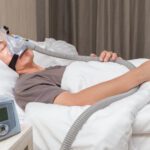
More than one TV show has portrayed a noisy CPAP machine keeping the whole house awake, so it’s natural to worry about CPAP noise if you’ve just been diagnosed with sleep apnea. The good news is that modern-day CPAP design has come a long way, and most CPAP machines are no louder than a fan.
How Loud Is a CPAP Machine?
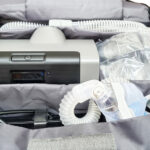
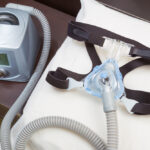
Modern CPAP machines usually produce 25 to 30 decibels of noise while they run. This is comparable to a whisper and slightly louder than regular breathing, though much quieter than the hum of a fridge or an air conditioner. CPAP manufacturers usually list their decibel levels online, so you can check the noise output before you buy the machine.
The World Health Organization recommends that bedroom noise levels be kept below 30 decibels at night. Noise above this level, even if it doesn’t fully wake you up, may disrupt sleep and pose health risks.
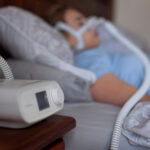
Snoring is considered disruptive when it’s louder than 40 to 45 decibels, so in theory, your partner should prefer the noise from a CPAP machine. Additionally, a normally functioning CPAP machine produces a soothing, steady background hum that most people find minimally disruptive. In fact, once you get used to it, you may find the noise of the CPAP machine helps block out other noises, similar to a white noise machine.
Think You May Have Sleep Apnea? Try an At-Home Test
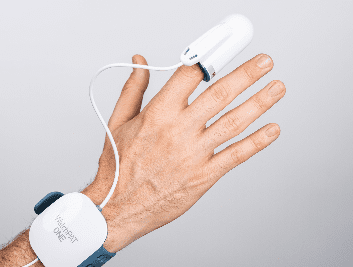
our partner at sleepdoctor.com
Save 10% + FREE 2-Day Shipping
Add to Cart“Truly grateful for this home sleep test. Fair pricing and improved my sleep!”
Dawn G. – Verified Tester

Simple and convenient
- Equipment delivered to your doorstep
- One overnight test in the comfort of your own bed

Uncover sleep apnea
- Quietly collects data while you sleep
- 98% effective in detecting sleep apnea

Affordable u0026 ships fast
- Arrives in 2-4 business days
- In-lab sleep tests cost ~$3,000+ (thisu2028one’s $189), HSA/FSA eligible


Why Is My CPAP So Loud?
While CPAP machines are designed to be quiet, CPAP noise is still one reason why people stop using their CPAP device, and some sleeping partners may also find the noise disturbing. If your CPAP machine is emitting crackling, whistling, grinding, gurgling, wheezing, or other irregular sounds, it’s time for some troubleshooting.
While the fan and air flowing through the circuit do produce some noise, modern CPAP machines shouldn’t be disturbingly loud. If yours is producing bothersome noise, start by ruling out these common causes:
- Old motor wearing out
- Dirty filters
- Faulty mask exhalation vent
- Vibrations from loose screws or other internal components
- Cracks or stiffening of the materials leading to a poor seal and air leaks
- “Rainout” due to condensation in the tubing or mask
Be sure to check all along the circuit to see where the noise is coming from. In many cases, the loudest component of a CPAP setup is the mask or tubing.
How Do I Make My CPAP Quieter?
To make your CPAP quieter, you first need to identify what is causing the extra noise.
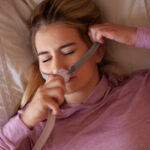
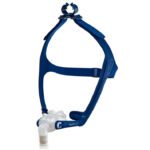
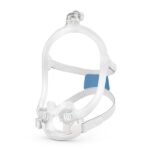
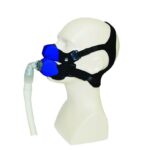
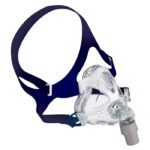
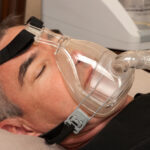
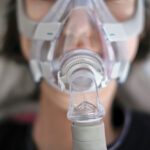
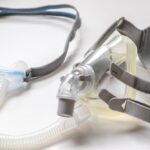
- Address mask leak: An improperly fitting CPAP mask allows air to hiss out through the cracks, causing whooshing or whistling sounds. Adjust your mask or consider changing styles if your current mask won’t form a snug seal. Research suggests full-face masks are the noisiest and generally the most likely to leak. When adjusting your mask, be sure to try lying in your usual sleep position for a more realistic fit.
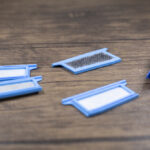
- Clear filters: Clogged filters impede airflow, causing resistance and making the machine work harder. As part of your regular CPAP cleaning regimen, you should clean and/or replace your filters regularly as instructed in the user manual. Usually, this means replacing disposable filters every month, while you should clean reusable ones weekly and replace them every six months.
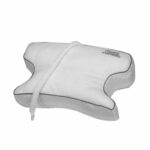
- Adjust tubing: Tubing may emit sounds if it’s getting old and cracked, or if it’s kinked. Try using a tubing holder or special CPAP pillow to reduce kinking, and place the tubing on your chest under your blanket so it’s less likely to tug your mask out of place. Replace the tubing according to the manufacturer’s guidelines (usually every three months).
- Avoid rainout: Water collecting in the tubing can make a gurgling noise. You can reduce this “rainout” effect by using heated or insulated tubing.
- Examine air pressure settings: Higher pressure settings generally cause more noise and are more likely to trigger leaks. Ask your doctor to dial you into the lowest setting necessary for your therapy and consider using the ramp feature, which starts out low and gradually ramps up pressure after you fall asleep. Another option is to use a bilevel positive airway pressure (BiPAP) or auto-adjusting positive airway pressure (APAP) machine, which lower pressure levels when high pressure is not needed.
- Check mask exhalation valve: Excess noise may occur if the mask’s exhalation valve is worn, cracked, or not sealing correctly. Verify that the valve is clean, undamaged, and securely in place.
- Fill humidifier: Low water levels in the humidifier may cause gurgling sounds. The humidifier itself also adds a few decibels of sound, but the difference should be negligible.
- Tighten loose connections: Verify that tubing is screwed on tight so it doesn’t let any air escape.
- Use a noise-reducing vent or accessory: Some CPAP masks are designed with integrated noise-diffusing exhalation vents that help soften the sound of airflow. For example, ResMed’s QuietAir vent disperses exhaled air to reduce perceived noise. In select situations, inline tubing mufflers may also be used to dampen airflow noise, if compatible with the device and mask.
- Send it for repair: Hissing, grinding, whirring, or other loud noises may be a sign of improperly connected parts, holes, or deformities. If you can’t locate the source of the noise, contact your provider or the CPAP manufacturer.
If your CPAP setup has nothing apparently wrong with it and it’s just the regular noise of operation that’s bothering you, you can try to mask or muffle it with earplugs or a white noise machine. Many people also find it helpful to place the CPAP machine on a soft folded cloth or anti-vibration mat.
It can also help to place the machine further away and lower down, such as on a low stool, CPAP nightstand, or in an open cupboard in your bedside table. Avoid putting the machine under the bed, as this area usually collects dust.
CPAP machine and mask designs improve over the generations. If your CPAP setup is older, you may find relief by investing in a newer, quieter model.

What Are the Quietest CPAP Machines?
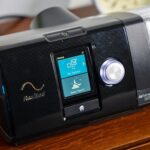
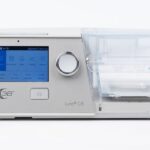
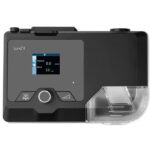
Most modern CPAP machines emit between 25 and 30 decibels of sound. Currently, some of the quietest models on the market are:
Don’t forget that other components, particularly the mask and tubing, also play a role in how much sound the CPAP setup produces.

Still have questions?
Sleep apnea products can be confusing. If you need individualized assistance, post your question to the Sleep Doctor forum.

Written by
Danielle Pacheco, Contributing WriterDanielle is originally from Vancouver, BC, where she has spent many hours staring at her ceiling trying to fall asleep. She channels her frustration into researching sleep solutions and sharing insights with fellow insomniacs. Danielle spends her downtime trying out new recipes and working off the calories on the soccer field. Danielle studied the science of sleep with a degree in psychology at the University of British Columbia.

Reviewed by
Diane Salazar, RRT, RRT-SDS, Medical ReviewerDiane Salazar is a registered respiratory therapist with more than 28 years of clinical experience in respiratory care and sleep medicine. For over two decades, she has focused on helping patients manage sleep-related breathing disorders such as obstructive sleep apnea through education, equipment support, and therapy optimization.