At a Glance
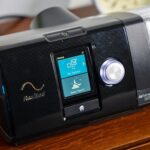
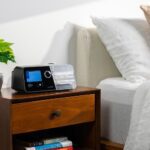
An APAP machine, or automatic positive airway pressure machine, is a type of sleep apnea device that automatically adjusts air pressure throughout the night to keep your airway open. Unlike CPAP, which delivers a single fixed pressure, APAP responds to your breathing patterns in real time for more personalized therapy.
Finding the right sleep apnea treatment can take time, and for many people, an APAP machine offers a more comfortable, customized alternative to standard CPAP therapy. Unlike the fixed air pressure level delivered by CPAP machines, APAP machines use sensors and algorithms to determine the appropriate air pressure level from breath to breath.
Below, we’ll walk you through the basics of APAP machines, including how they work and how they compare with CPAP therapy.
How Does an APAP Machine Work?
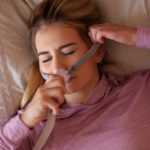
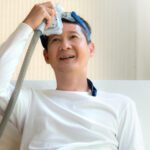
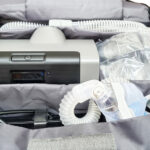
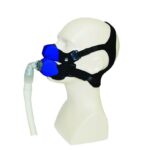
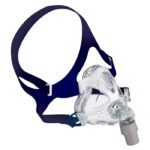
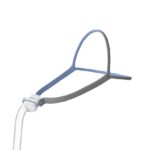
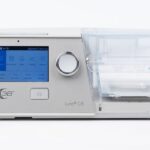
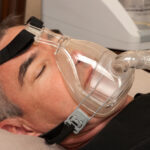
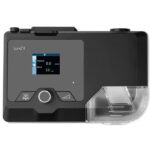
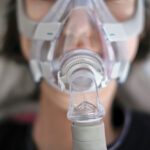
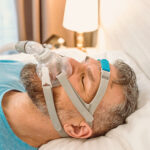
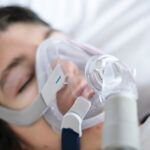
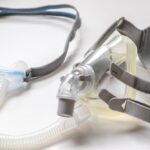
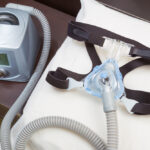
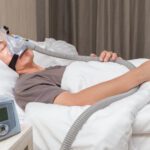
Like other types of PAP machines, APAP devices filter and pressurize air from the room before delivering that pressurized air to the user via a hose and a face mask.
Sometimes called auto-adjusting CPAP or auto-CPAP, APAP machines use algorithms that turn raw sensor data into usable information about what air pressure level the machine should generate. Since each manufacturer uses a different algorithm, APAP machines can differ significantly between different makes and models. People prescribed APAP therapy can work with their doctor to find the model that works best for their unique needs.
Need a CPAP Prescription? Start Here

our partner at sleepdoctor.com
10% off Home Sleep Tests
Buy Now“Truly grateful for this home sleep test. Fair pricing and improved my sleep!”
Dawn G. – Verified Tester

Simple and convenient
- Equipment delivered to your doorstep
- One overnight test in the comfort of your own bed

Uncover sleep apnea
- Quietly collects data while you sleep
- 98% effective in detecting sleep apnea

Affordable & ships fast
- Arrives in 2-4 business days
- In-lab sleep tests cost ~$3,000+ (this one’s $189), HSA/FSA eligible


CPAP vs. APAP Machine
CPAP machines are programmed with a fixed air pressure level that's determined through a CPAP titration study conducted at a sleep clinic. APAP machines calculate the correct pressure level throughout the night by applying an algorithm to data collected by the device.
CPAP air pressure levels during inhalation don't change, though some have expiratory pressure relief. Some APAP machines also have optional pressure relief features. However, unlike CPAP, APAP machines change air pressure levels from breath to breath so that the pressure remains at the lowest effective level.
Some people find APAP treatment more comfortable than CPAP therapy due to the lower average air pressure. Others have reported that an APAP machine’s frequently changing pressure levels makes it difficult for them to sleep.
What Is an APAP Machine Used For?
APAP machines are primarily used to treat OSA. The responsiveness in pressure settings allows for more comfortable and efficient therapy than fixed-pressure CPAP, and thus is often prescribed after a patient has tried CPAP but found it difficult to stick with.
Doctors may also prescribe APAP in cases where a person’s optimal pressure settings aren’t yet known. For example, APAP can be used during a trial period to help identify the best pressure range before switching to a fixed-pressure CPAP. Some people use APAP long term, while others transition to CPAP or BiPAP, depending on their sleep study results and comfort level.
Is an APAP Machine Right for Me?
APAP therapy can be a good choice for people with obstructive sleep apnea who need flexible air pressure levels during sleep. However, it’s not suitable for everyone. Your doctor will determine whether APAP is appropriate based on your sleep study results, breathing patterns, and overall health.
Benefits of APAP Therapy
APAP therapy offers several advantages for people with obstructive sleep apnea, especially those who need flexible or more comfortable pressure settings. By automatically adjusting airflow throughout the night, APAP machines can provide more personalized and effective treatment than standard CPAP for certain users.
Personalized Pressure Adjustments
Because APAP continuously monitors your breathing and adjusts pressure levels in real time, this means you receive only as much pressure as you need to keep your airway open. The result is gentler, more responsive therapy that adapts to your body’s needs across different sleep stages and positions.
Greater Comfort and Tolerance
Because APAP lowers pressure when your airway is stable, many people find it easier to breathe out and stay asleep compared to fixed-pressure CPAP. The dynamic pressure changes can also reduce common side effects like dryness, bloating, or a feeling of being “pushed” by the airflow, leading to better long-term compliance.
Effective for Changing Breathing Patterns
Breathing needs can vary from night to night depending on factors such as congestion, allergies, alcohol use, or sleeping position. APAP automatically compensates for these changes without the need to manually adjust settings, helping maintain consistent therapy effectiveness over time.
Side Effects of APAP Therapy
People who use PAP machines, including APAP machines, sometimes report side effects like sinus irritation, nosebleeds, dry mouth, and facial discomfort from their mask. However, these side effects may be alleviated by choosing the right PAP accessories.
For people who experience dry mouth and nasal irritation, adding warmth and moisture to the pressurized air with a heated humidifier may ease this discomfort. Most modern APAP machines have integrated humidifiers. Heated tubing can also help warm the airflow while minimizing condensation in the tubing and mask.
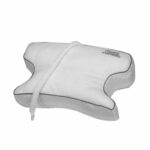
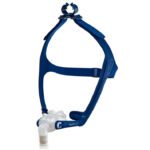
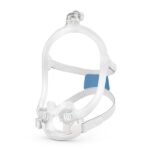
Speak with your doctor to identify the correct CPAP mask type for your prescribed pressure settings and sleep position. If you’re a side or stomach sleeper and find that your mask becomes dislodged during the night and leads to air leaks, a CPAP pillow featuring cutouts or curves may help ensure a secure mask fit.
Other Types of PAP Therapy
While APAP therapy automatically adjusts air pressure throughout the night, there are other types of positive airway pressure (PAP) devices that treat sleep apnea and related breathing disorders. Each type works a bit differently to meet individual needs.
- Continuous positive airway pressure (CPAP): CPAP delivers a single, constant level of air pressure to keep the airway open during sleep.
- Bilevel positive airway pressure (BiPAP or BPAP): BiPAP provides two distinct pressure levels—a higher one when you inhale and a lower one when you exhale. This setup can make breathing easier for people who have trouble tolerating the continuous pressure of CPAP or who have certain medical conditions, such as COPD or heart failure.
- Adaptive servo-ventilation (ASV): ASV is an advanced form of PAP therapy that continuously monitors breathing patterns and adjusts pressure on a breath-by-breath basis. It’s often used for people with central sleep apnea or complex sleep apnea, where the brain doesn’t send consistent signals to the muscles that control breathing.
Each PAP device is designed to support breathing during sleep, but the right one depends on your diagnosis, comfort level, and how your body responds to treatment. Your doctor or sleep specialist can help determine which therapy best fits your needs.
How Do You Get an APAP Machine?
You can only get an APAP machine with a prescription from a licensed healthcare provider. After a sleep study confirms a diagnosis of obstructive sleep apnea, your doctor may recommend APAP therapy if you need variable pressure support or have trouble tolerating fixed-pressure CPAP.
Is a Prescription Needed for an APAP Machine?
Like other PAP devices, an APAP machine can only be purchased with a prescription from your doctor. APAP machines can be purchased online or from a brick-and-mortar location. If you buy your device online, the retailer will provide clear instructions on how to submit your prescription before purchase.
Will Insurance Cover an APAP Machine?
While APAP machines are classified as durable medical equipment for insurance purposes, health insurance companies vary in how they handle PAP coverage.
While some insurers reimburse therapy device costs — subject to deductibles and out-of-pocket limits — others require that you make monthly payments for a machine in a rent-to-own arrangement. In the latter scenario, you may have a limited selection of PAP devices to choose from, which may not include APAP machines. Check with your insurer regarding your plan’s coverage options.
Can You Use an FSA or HSA for an APAP Machine?
You can use a flexible spending account or health savings account to purchase an APAP machine, as well as accessories like masks and hoses. Many CPAP retailers accept FSA and HSA debit cards, though some require that you pay out of pocket and seek reimbursement.
Where Can You Buy an APAP Machine?
You can buy an APAP machine through a durable medical equipment (DME) supplier, a sleep clinic, or a reputable online retailer that specializes in sleep apnea products. If you’re using insurance, it’s often best to go through an in-network DME supplier, as they can handle billing and ensure compliance requirements are met. Those paying out of pocket may find competitive pricing online, but it’s important to purchase only from verified sellers that require a prescription and provide manufacturer warranties.
Frequently Asked Questions
Most APAP machines cost between $600 and $1,600. This is a higher range than CPAP machines but lower than more advanced therapy devices like bilevel positive airway pressure (BiPAP) machines and adaptive servo-ventilation (ASV) devices.
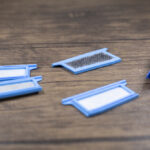
APAP machines usually come with a filter, a power cord, standard tubing, and an instruction manual. Owners are usually responsible for purchasing necessary equipment like a CPAP mask, as well as replacement filters and hoses.
It is essential to double-check machine compatibility before buying APAP accessories. While CPAP masks and standard tubing are compatible with almost all APAP machines, additional accessories like heated tubing or humidifiers may only be compatible with machines from the same manufacturer.
Although cleaning recommendations may vary among manufacturers, most APAP machines can be wiped down with a soft, damp cloth to keep the exterior free of dust and dirt. If your machine has an integrated humidifier, you should empty the water chamber daily and clean it regularly with warm, soapy water.
CPAP masks and tubing should also be washed according to the manufacturer’s recommended cleaning schedule with warm water and mild soap to keep them hygienic and in good working condition.

Still have questions?
Sleep apnea products can be confusing. If you need individualized assistance, post your question to the Sleep Doctor forum.

Written by
Tochukwu Ikpeze, MD, Contributing WriterTochukwu grew up in New York and has a passion for creative and scientific writing. Tochukwu holds an undergraduate degree in Biology and Psychology, a Master’s degree in Biomedical Science, and a Medical Degree as well. In his free time, Tochukwu enjoys reading, learning, exploring various topics pertaining to the human condition and conveying that information to the public through writing.

Reviewed by
Diane Salazar, RRT, RRT-SDS, Medical ReviewerDiane Salazar is a registered respiratory therapist with more than 28 years of clinical experience in respiratory care and sleep medicine. For over two decades, she has focused on helping patients manage sleep-related breathing disorders such as obstructive sleep apnea through education, equipment support, and therapy optimization.