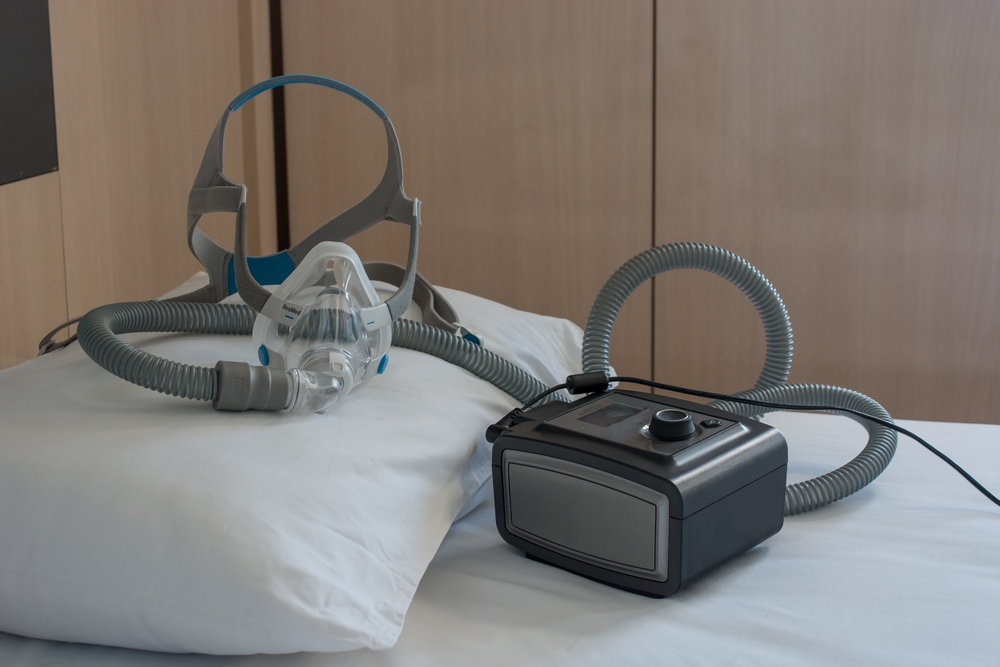
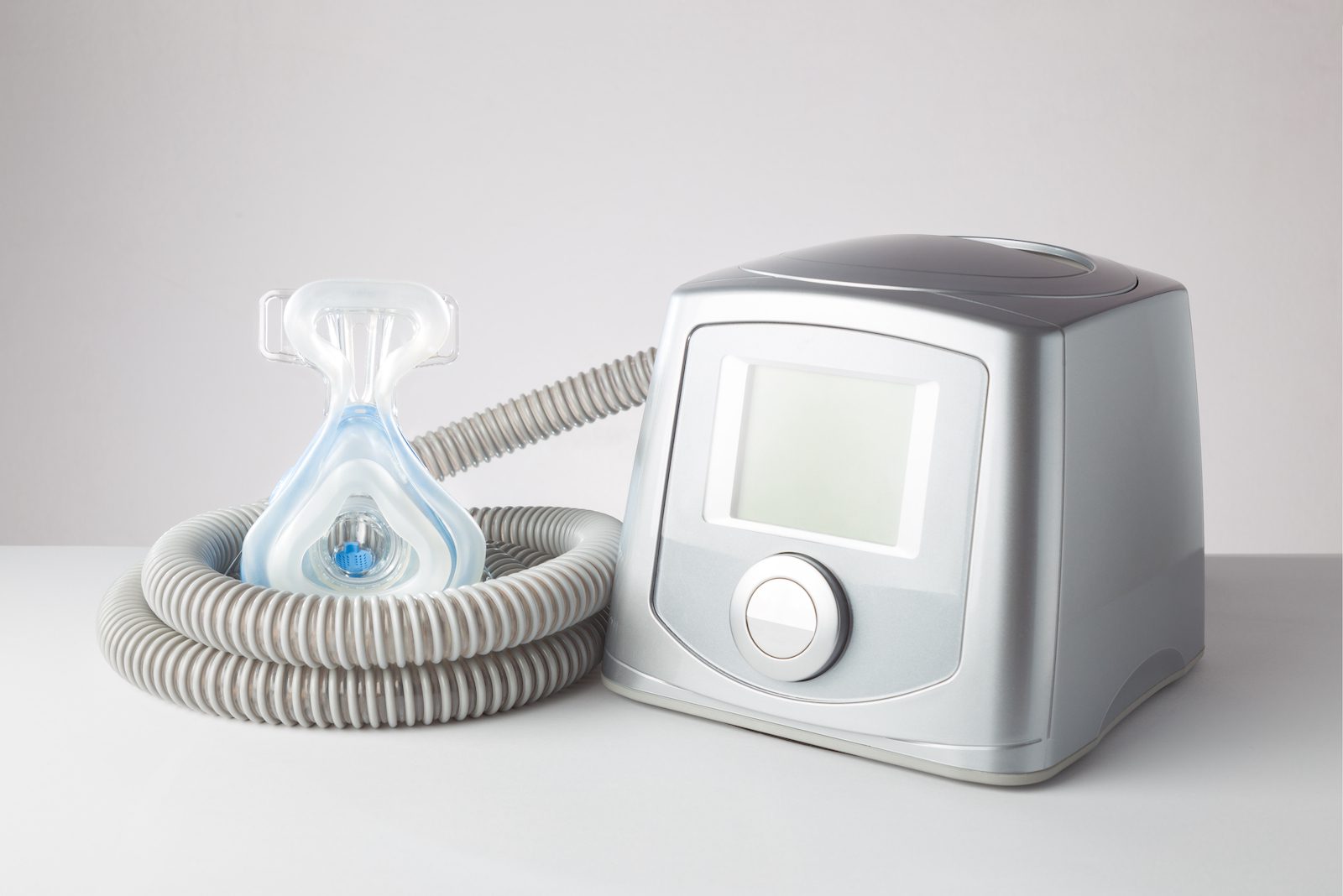
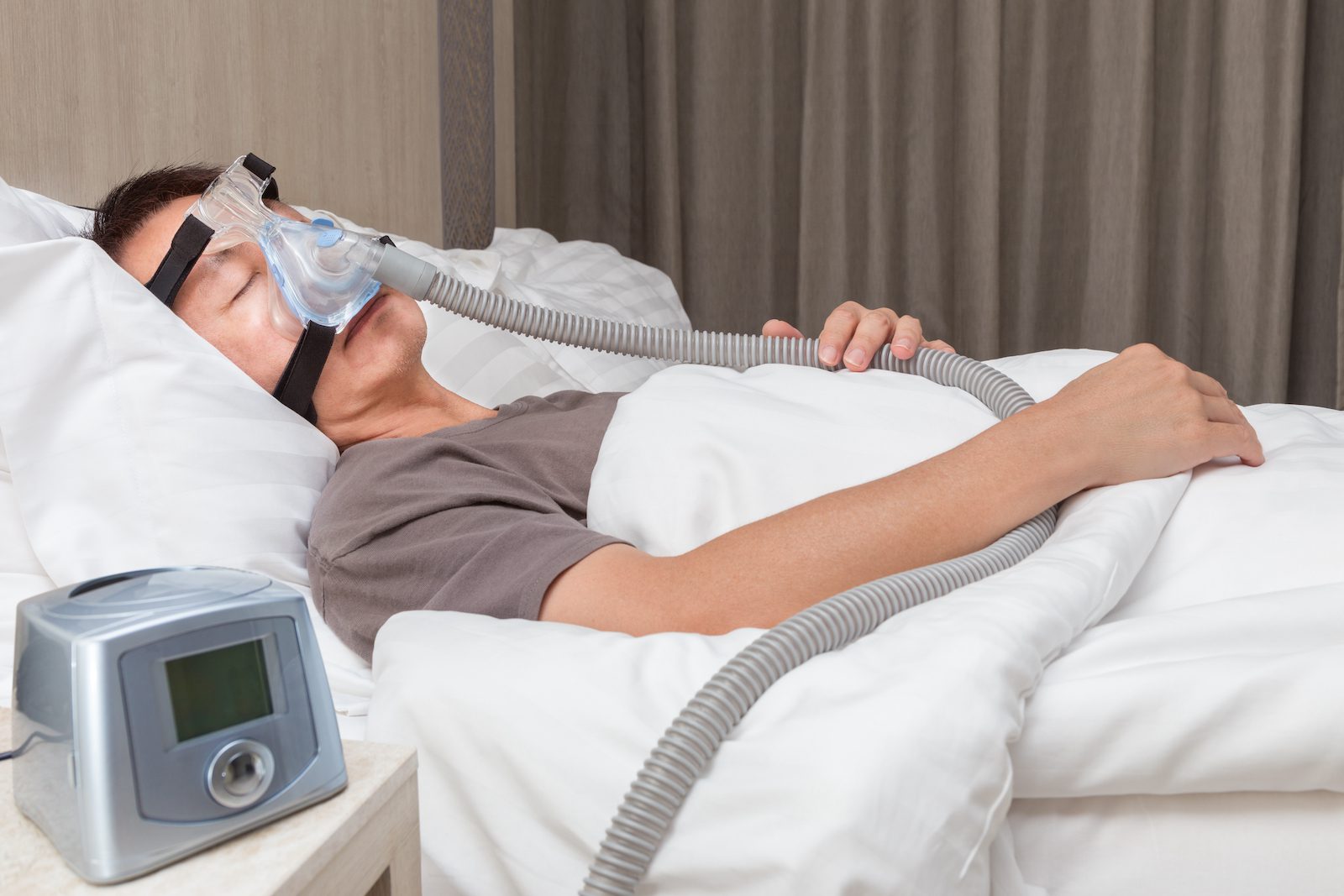
Continuous positive airway pressure (CPAP) keeps your airways open through the night, which prevents pauses in breathing and loud snoring that often accompanies obstructive sleep apnea. But if you’re still snoring with CPAP, your treatment may not be fully effective.
Persistent snoring can be a sign that your therapy settings, mask fit, or sleep habits need adjustment, and identifying the cause is the first step toward improving your results.
Need a CPAP Prescription? Start Here.
our partner at sleepdoctor.com
10% off Home Sleep Tests
Buy Now“Truly grateful for this home sleep test. Fair pricing and improved my sleep!”
Dawn G. – Verified Tester

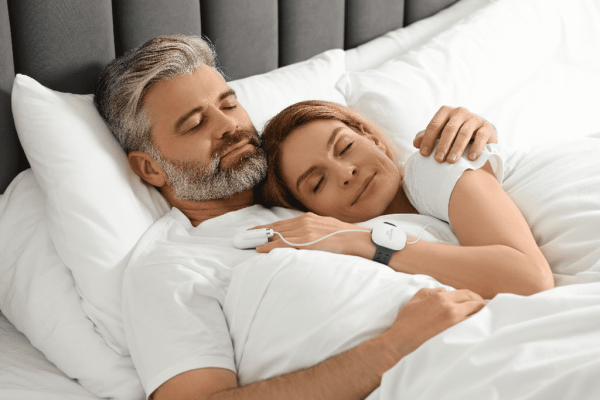
Simple and convenient
- Equipment delivered to your doorstep
- One overnight test in the comfort of your own bed

Uncover sleep apnea
- Quietly collects data while you sleep
- 98% effective in detecting sleep apnea

Affordable & ships fast
- Arrives in 2-4 business days
- In-lab sleep tests cost ~$3,000+ (this one’s $189), HSA/FSA eligible


Why Am I Still Snoring With CPAP?
Snoring with CPAP can happen because of several factors, including problems with the machine, pressure levels, or CPAP side effects.
CPAP Pressure Is Too Low
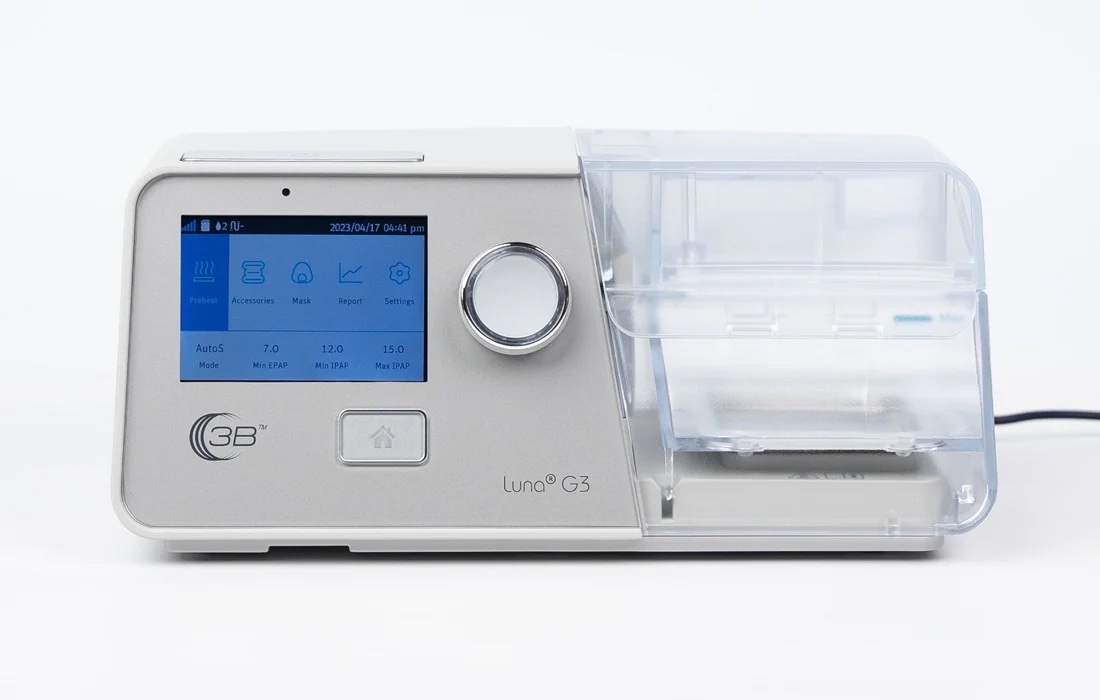
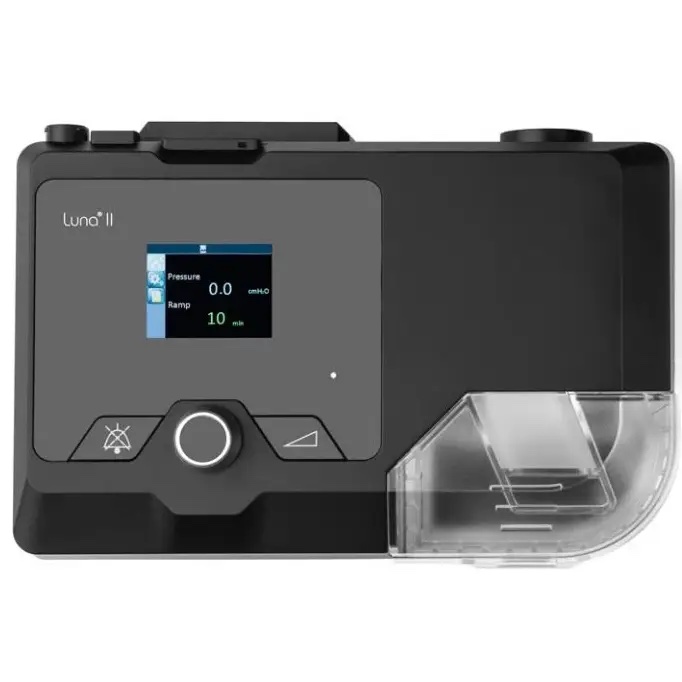
Your sleep specialist will use the results of your sleep study or a separate CPAP titration study to find your CPAP pressure settings (the minimum amount you need to keep your airway open while still allowing you to sleep). Alternatively, you may be started on a pressure range and the machine’s algorithm determines your ideal pressure throughout the night. This is called Auto-adjusting CPAP or APAP.
But if your pressure settings are too low, you may have residual sleep apnea symptoms, like snoring. This occurs when your airway continues to narrow and vibrate. This can occur if your pressure was set previously and hasn’t been adjusted to account for changes in your weight, health, or sleep position.
Mask Leak or Poor Mask Fit
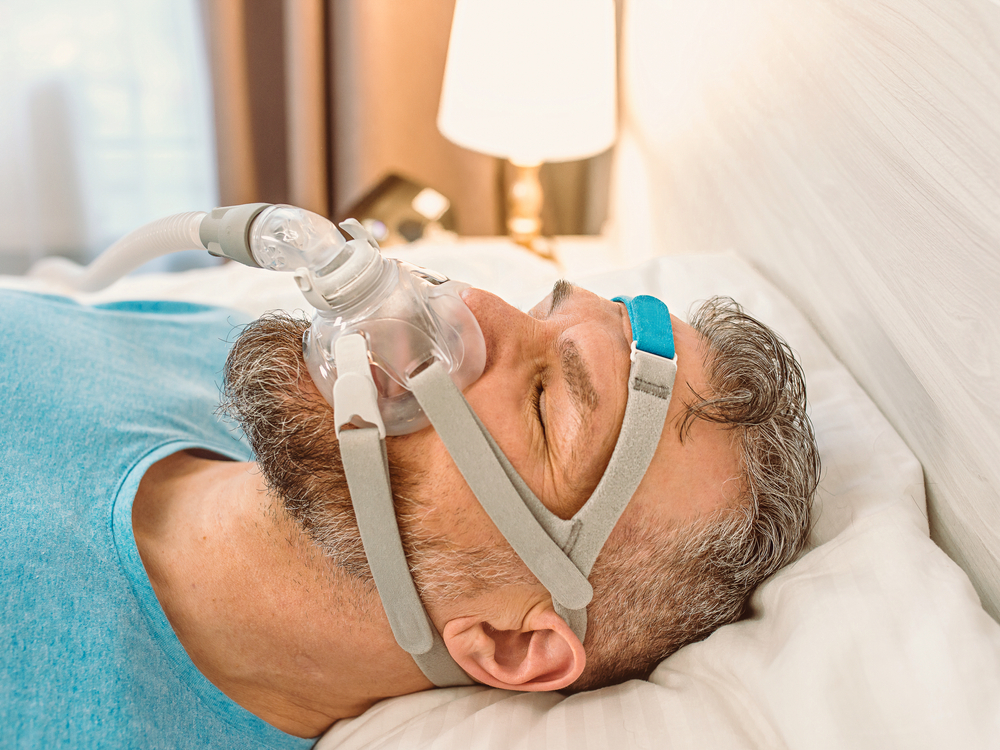
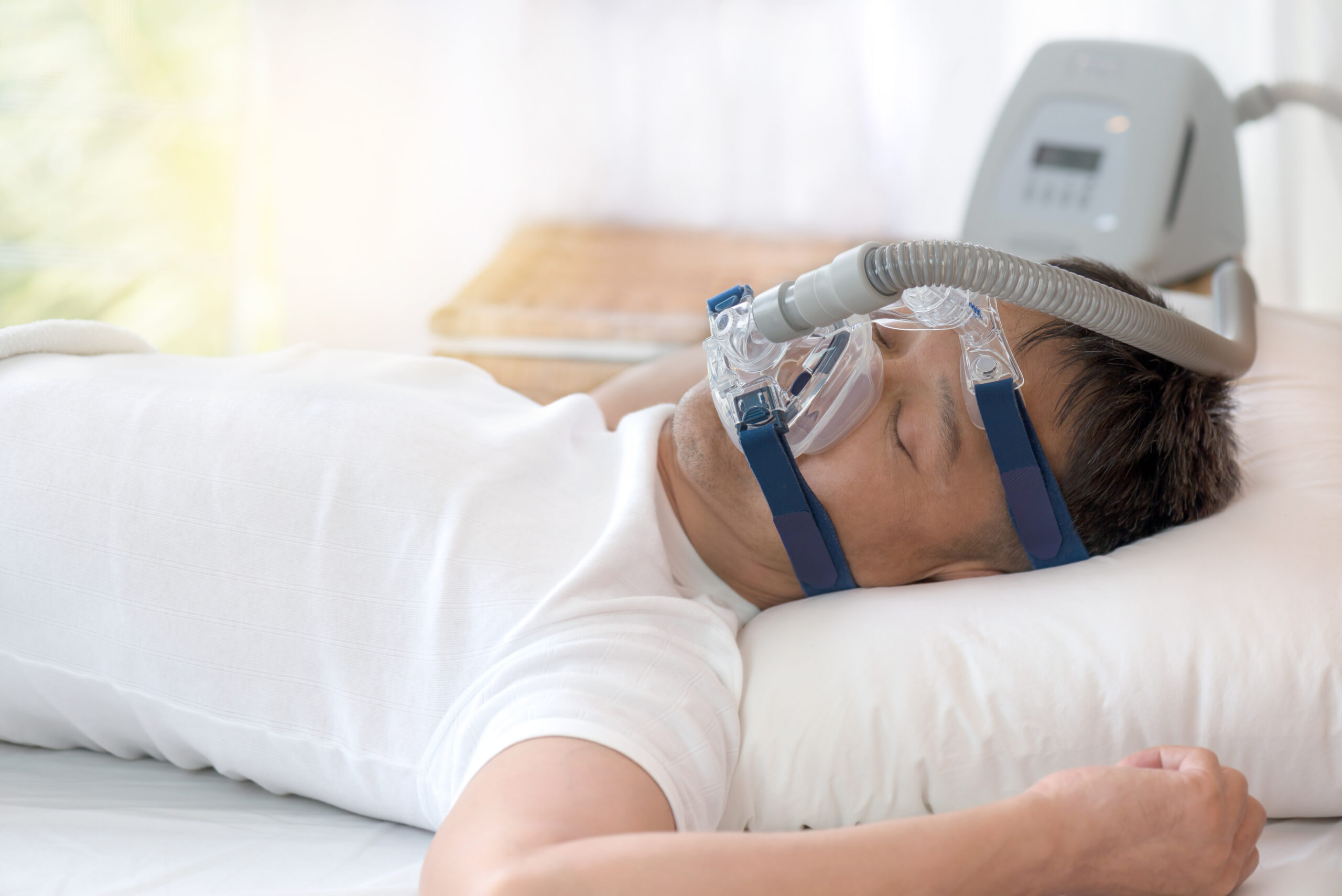
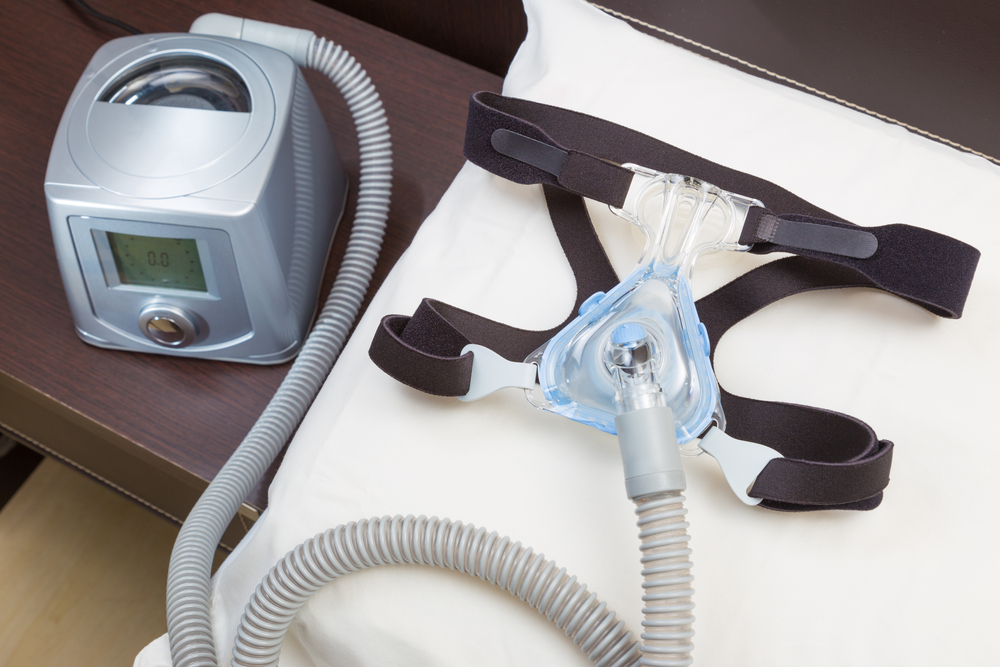
CPAP masks are held in place by elastic straps, and if these straps aren’t tight enough, you can experience a CPAP mask leak. Additionally, if your mask doesn’t fit your face well, air can leak around it, decreasing the amount of pressure available to keep your airways open. Signs of a leak or poor fitting mask may include dry eyes, whistling sounds and red marks on your face.
Wrong Type of CPAP Mask
If your mask leaks or doesn’t fit well, it may mean you need a different mask type. Using the wrong style of mask can allow air to escape or fail to deliver pressure. For example, people who breathe through their mouth may continue to snore when using a nasal mask without adequate support, while others may struggle with bulkier masks that shift during sleep.
Mouth Breathing While Using CPAP
If you use a nasal CPAP mask but breathe through your mouth, air may escape from your open mouth instead of staying in your airways, which causes dryness and also lessens the effectiveness of your therapy.
Nasal Congestion
CPAP therapy can come with some side effects, including nasal congestion. CPAP can irritate the nasal passages causing swelling and mucus to block airflow. When your nose gets stuffy, it can be harder to breathe through it, and your CPAP may not work as well. A blocked nose can also cause mouth breathing.
Alcohol or Sedative Use
When you drink alcohol or use sedative medications (especially benzodiazepines), you can increase your sleep apnea symptoms. Alcohol and sedatives relax throat muscles and makes the airway more likely to collapse. Alcohol causes more frequent and longer pauses in breathing, and can even lower your oxygen levels and increase snoring.
CPAP Machine or Equipment Issues
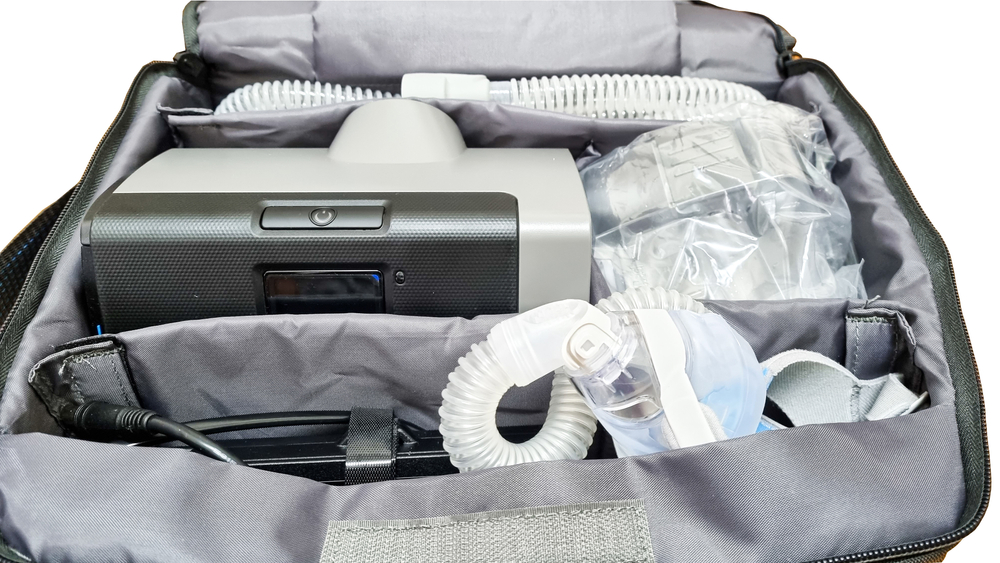
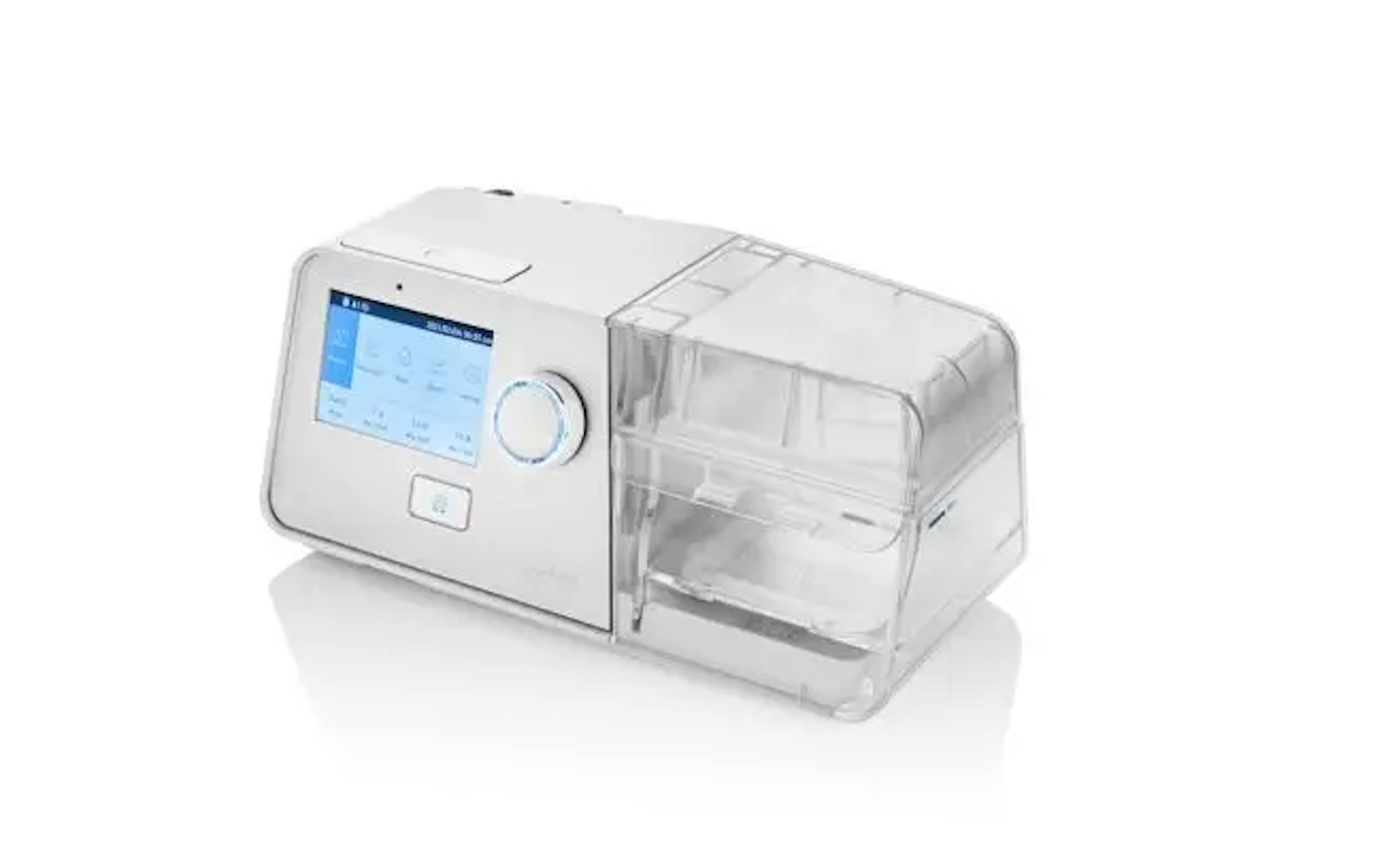
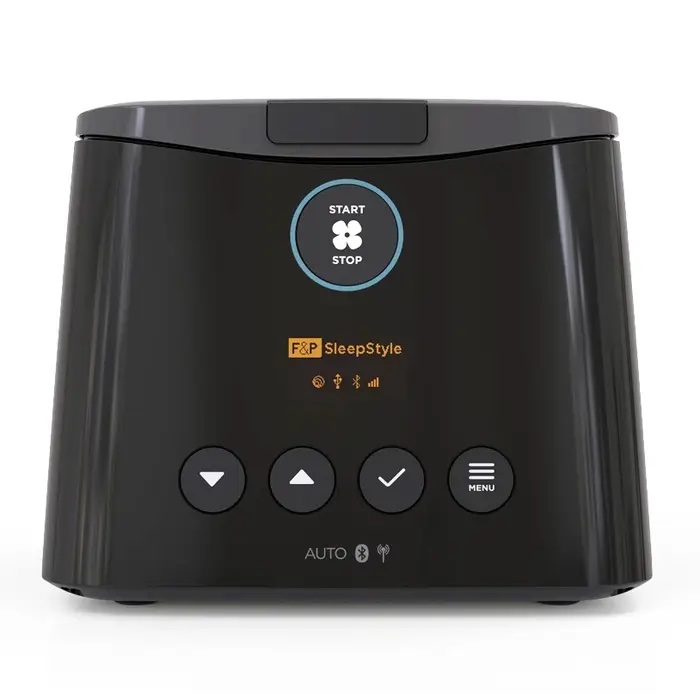
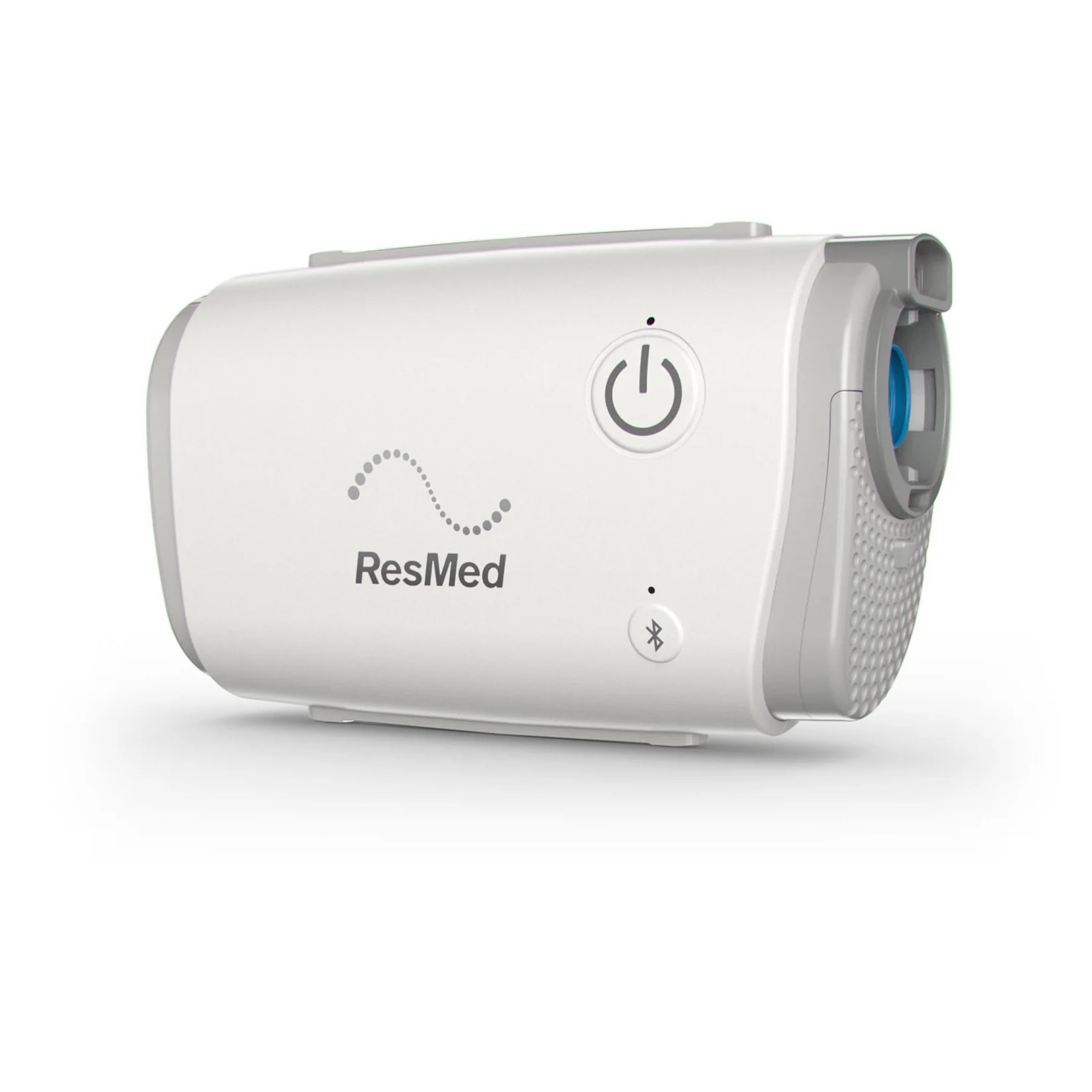
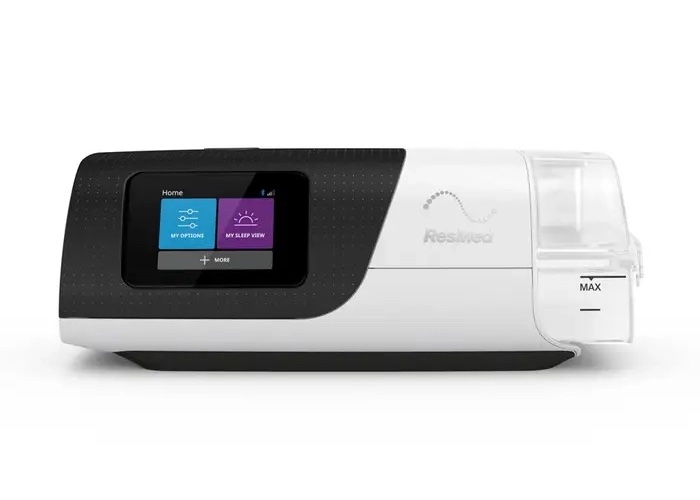
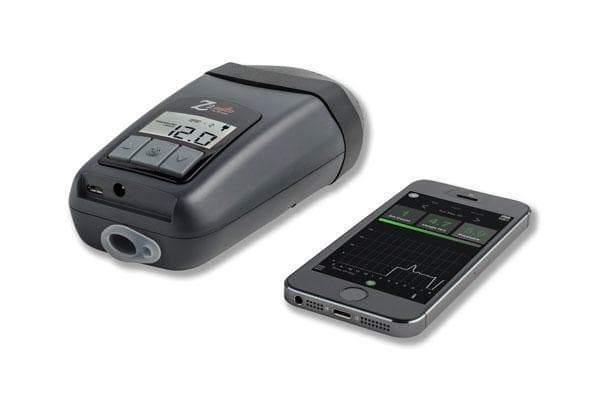
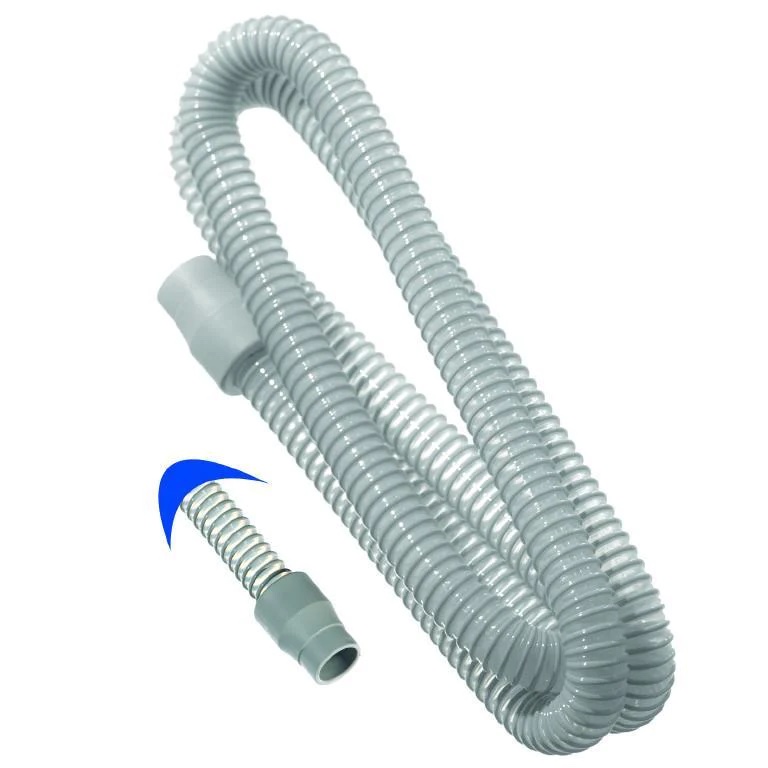
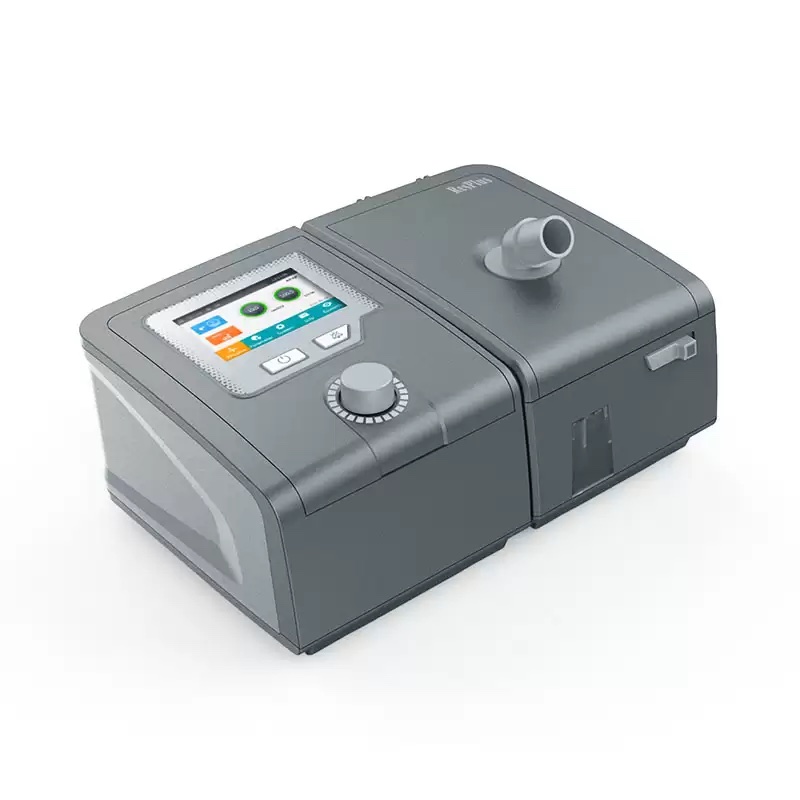
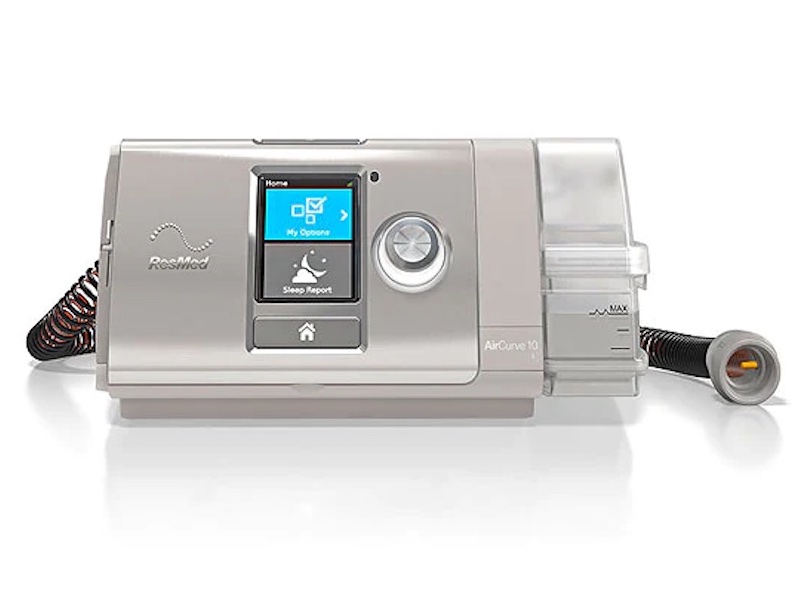
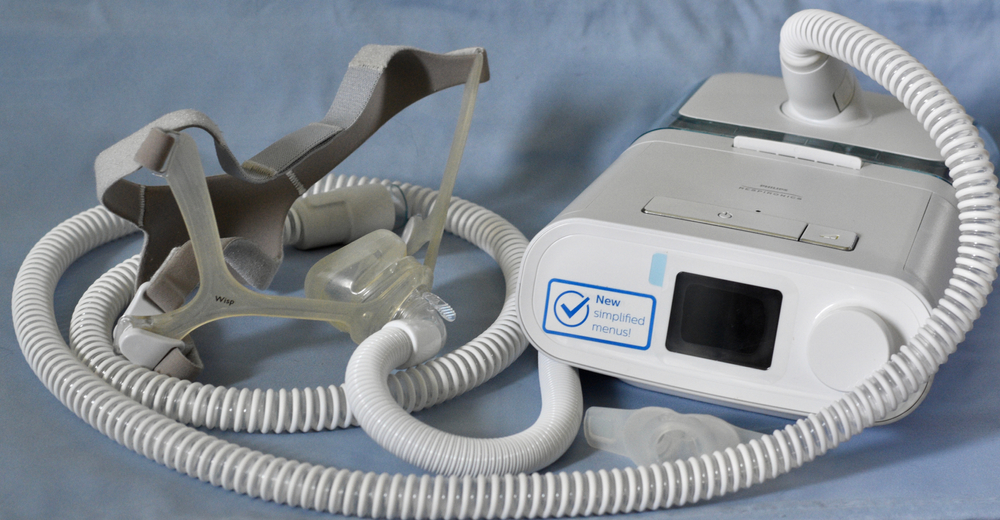
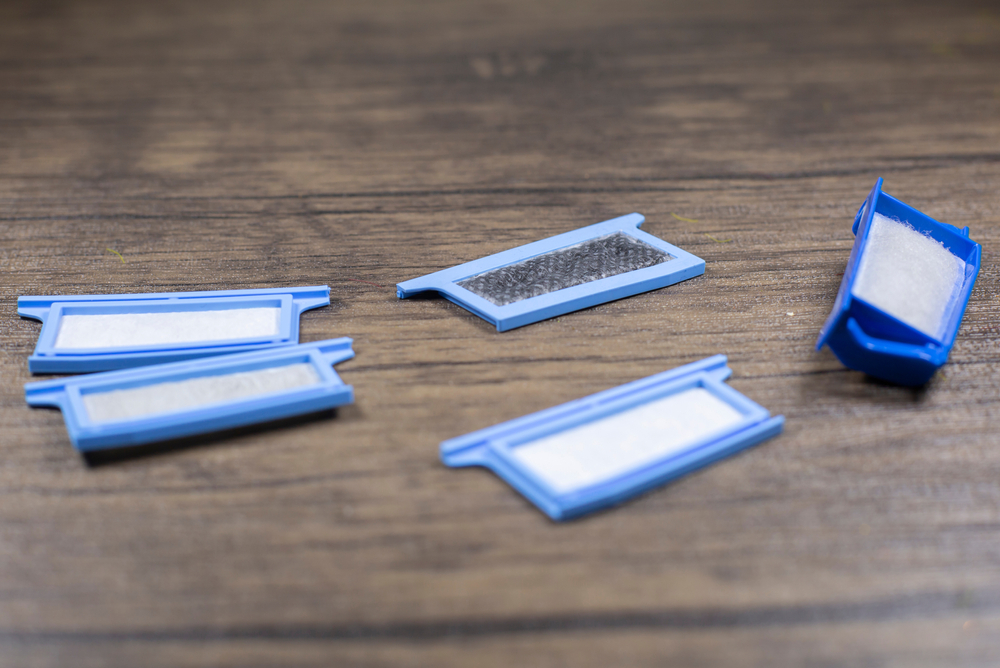
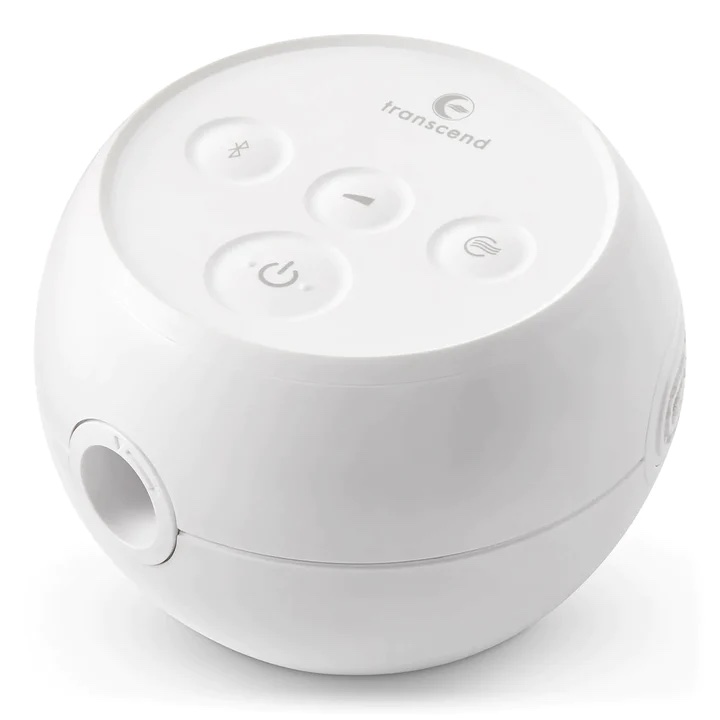
An older or malfunctioning CPAP machine may not deliver the pressure you need to keep your airway open, which can allow snoring to continue. Worn, dirty, or damaged equipment can also interfere with effective therapy, either by reducing airflow or causing air leaks. Equipment should be checked yearly and replaced when worn or with high usage hours.
How Do I Stop Snoring While Using CPAP?
You can stop snoring with CPAP by making sure your mask fits well, your pressure settings are high enough, you use humidified air, and you follow lifestyle changes that maximize your nighttime sleep.
Check CPAP Pressure Settings
Reviewing your pressure settings with a healthcare provider or sleep specialist can help determine whether adjustments are necessary. In some cases, switching to an auto-adjusting CPAP (APAP) machine may help by automatically increasing pressure when your airway begins to narrow.
It’s important not to change pressure settings on your own without guidance, as improper settings can reduce treatment effectiveness or cause discomfort.
Improve Mask Fit and Reduce Leaks
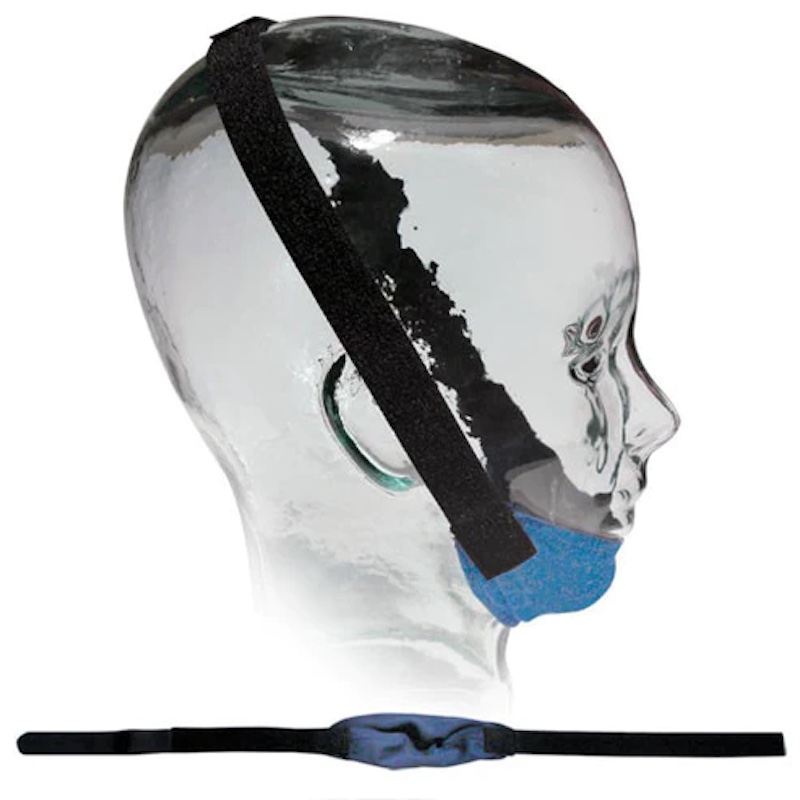
For snoring because of air leaks or a mask that doesn’t fit right, you can talk to your doctor about tightening your straps or adding a chin strap to keep your mouth closed while you sleep. Often, you can stop leaks with some minor adjustments.
Address Mouth Breathing
If you breathe through your mouth during sleep, your provider may recommend a chin strap. This addition keeps your mouth closed, allowing the pressurized air to prop open your airways. Some providers recommend using mouth tape if you prefer, but no current studies have shown mouth tape is as effective as a chin strap.
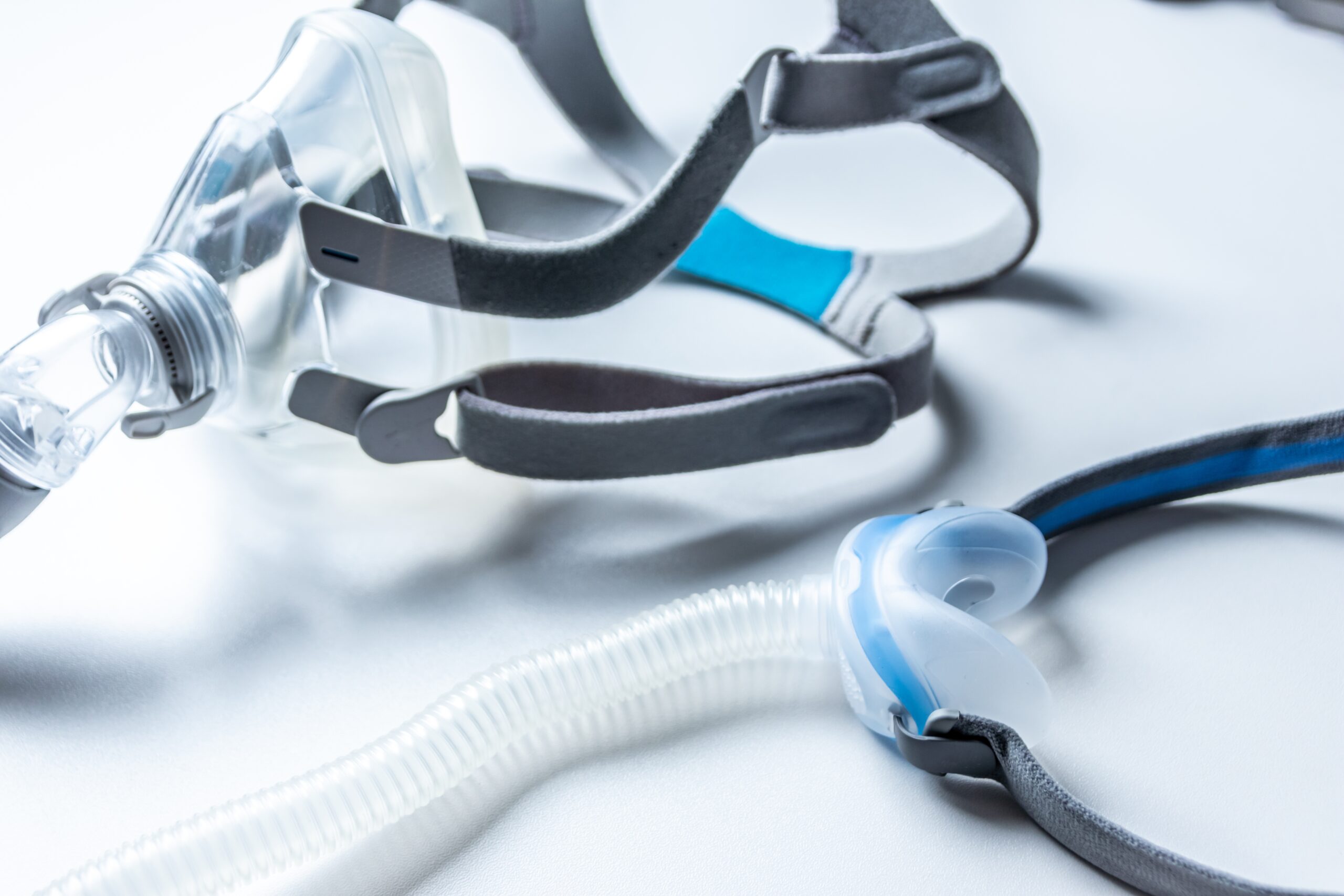
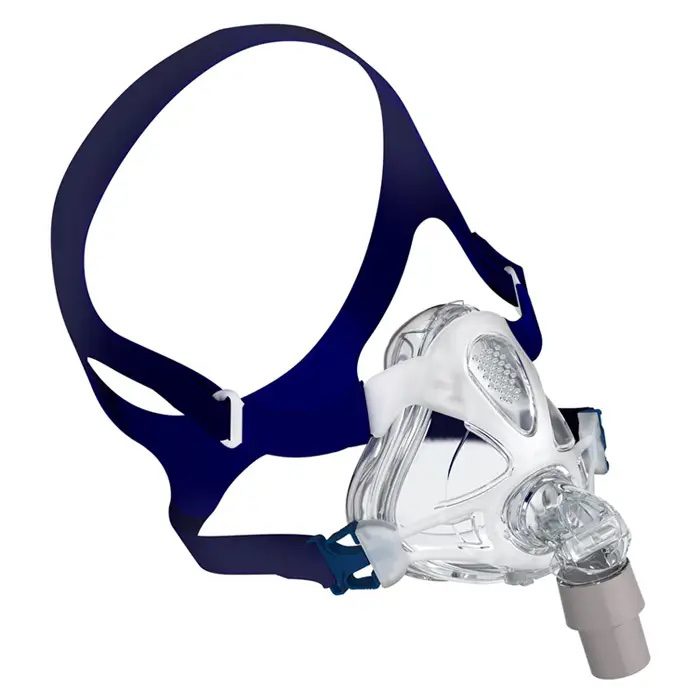
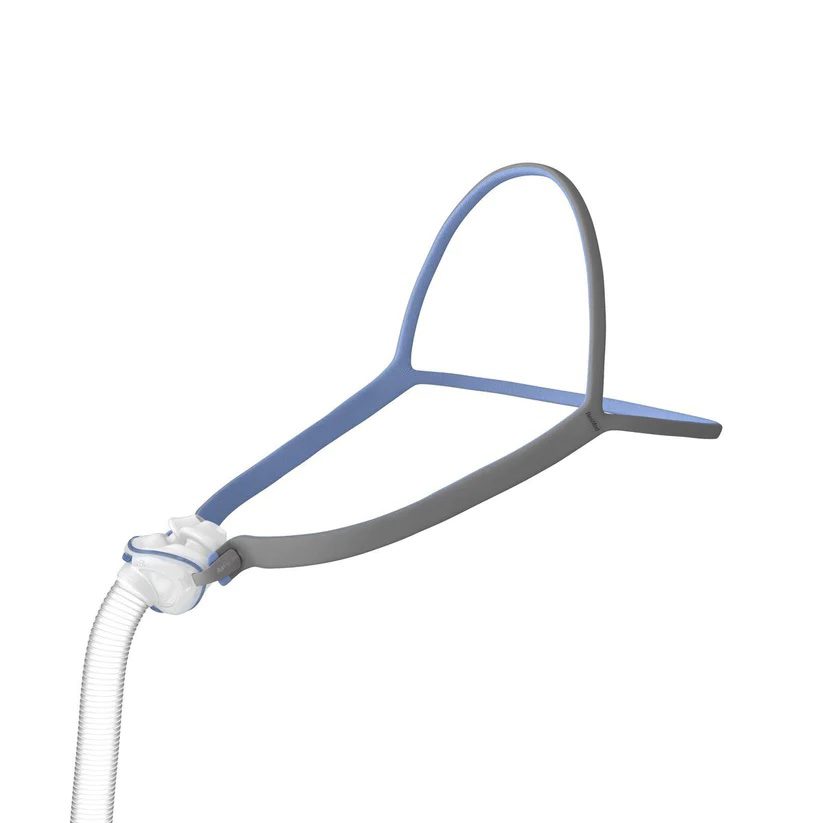
Consider Switching Mask Types
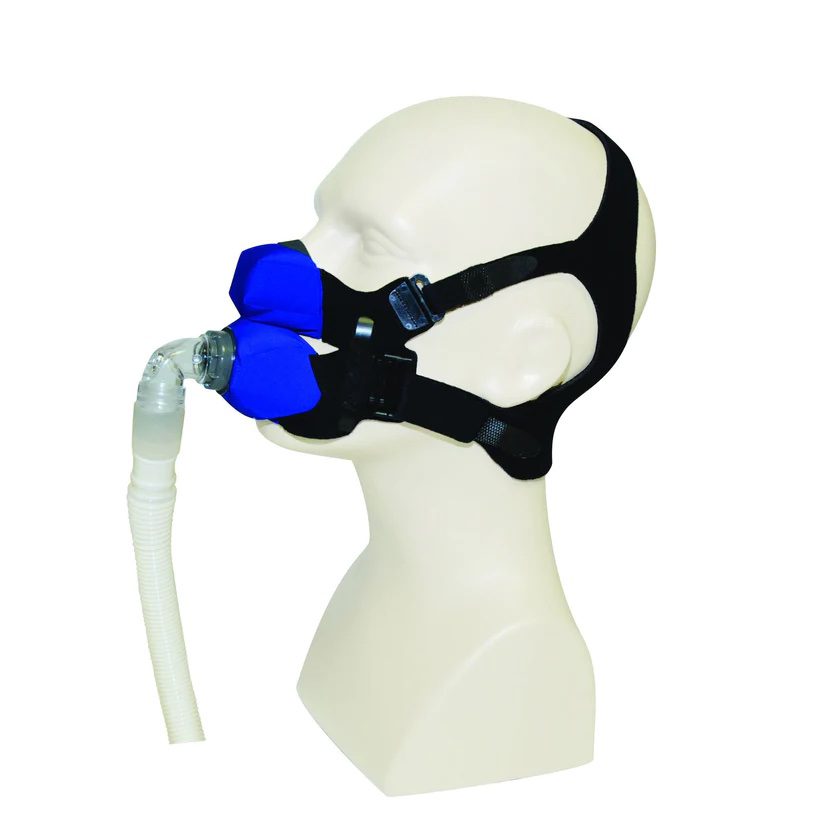
If your mask keeps giving you problems, your provider may recommend a different type.
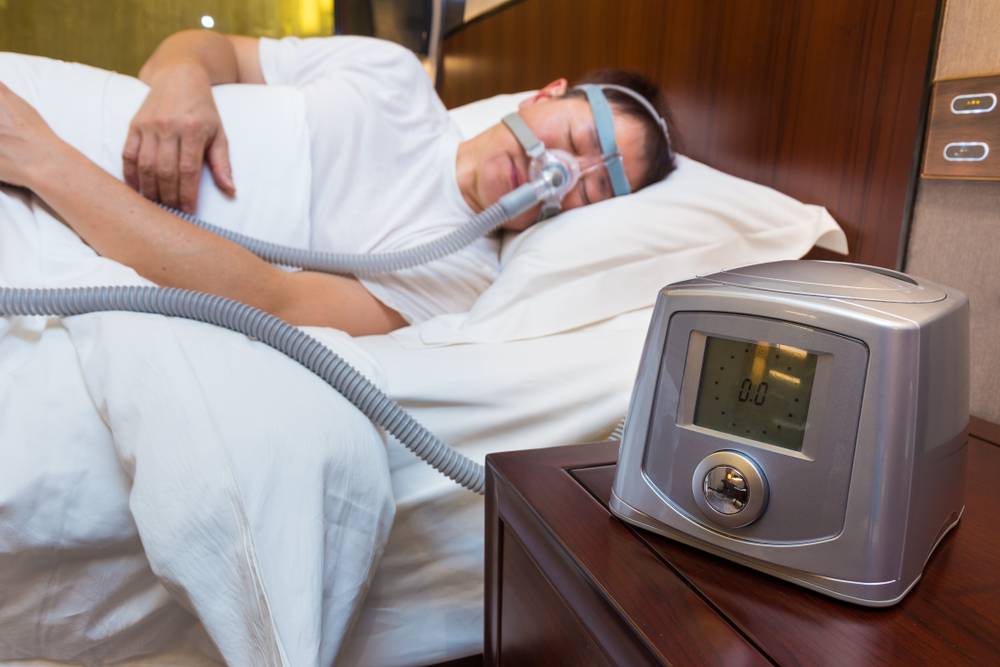
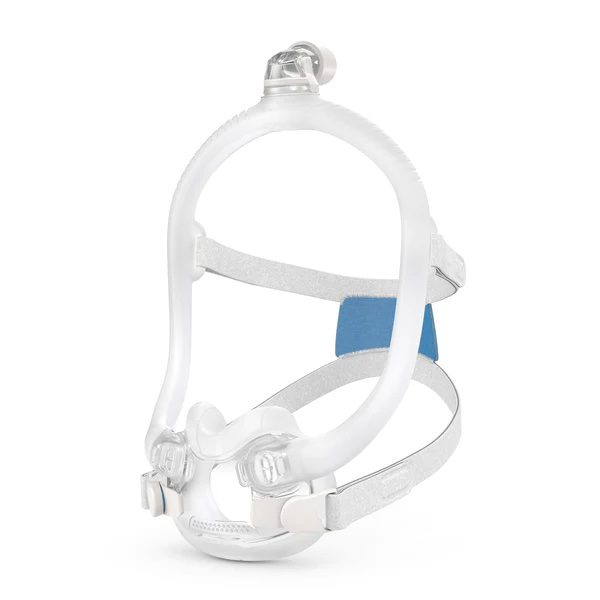
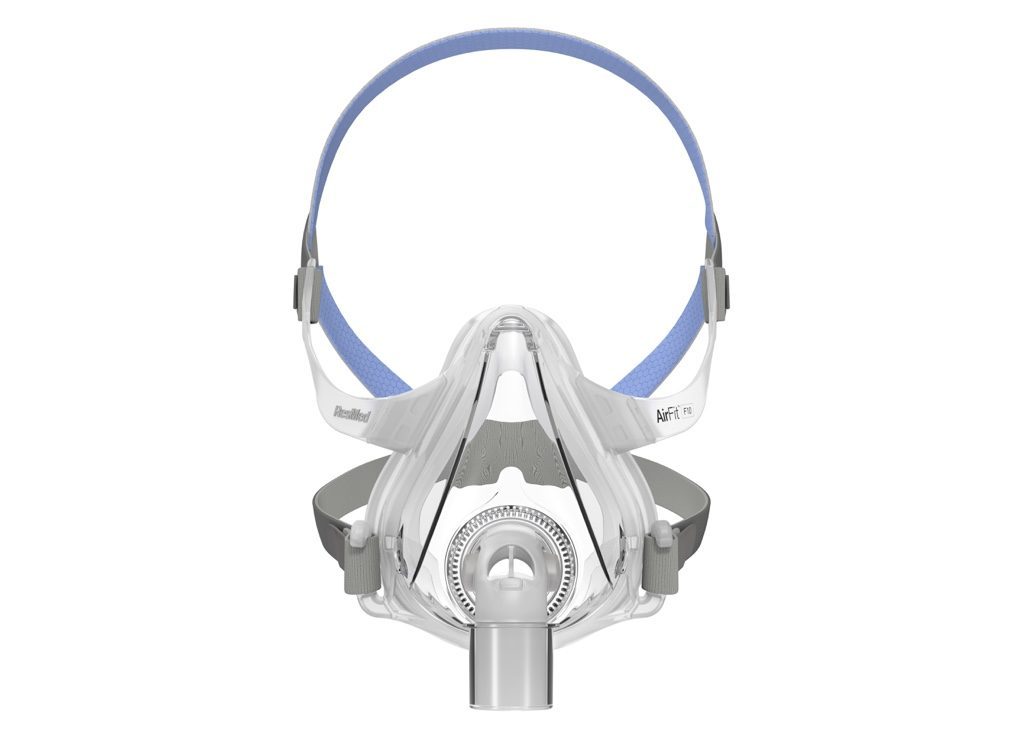
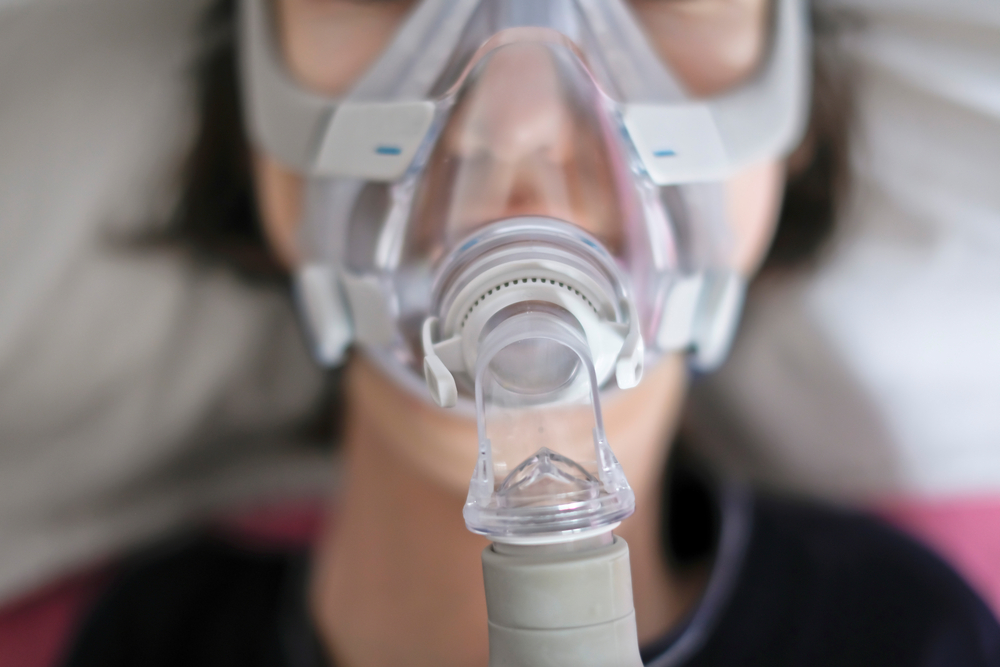
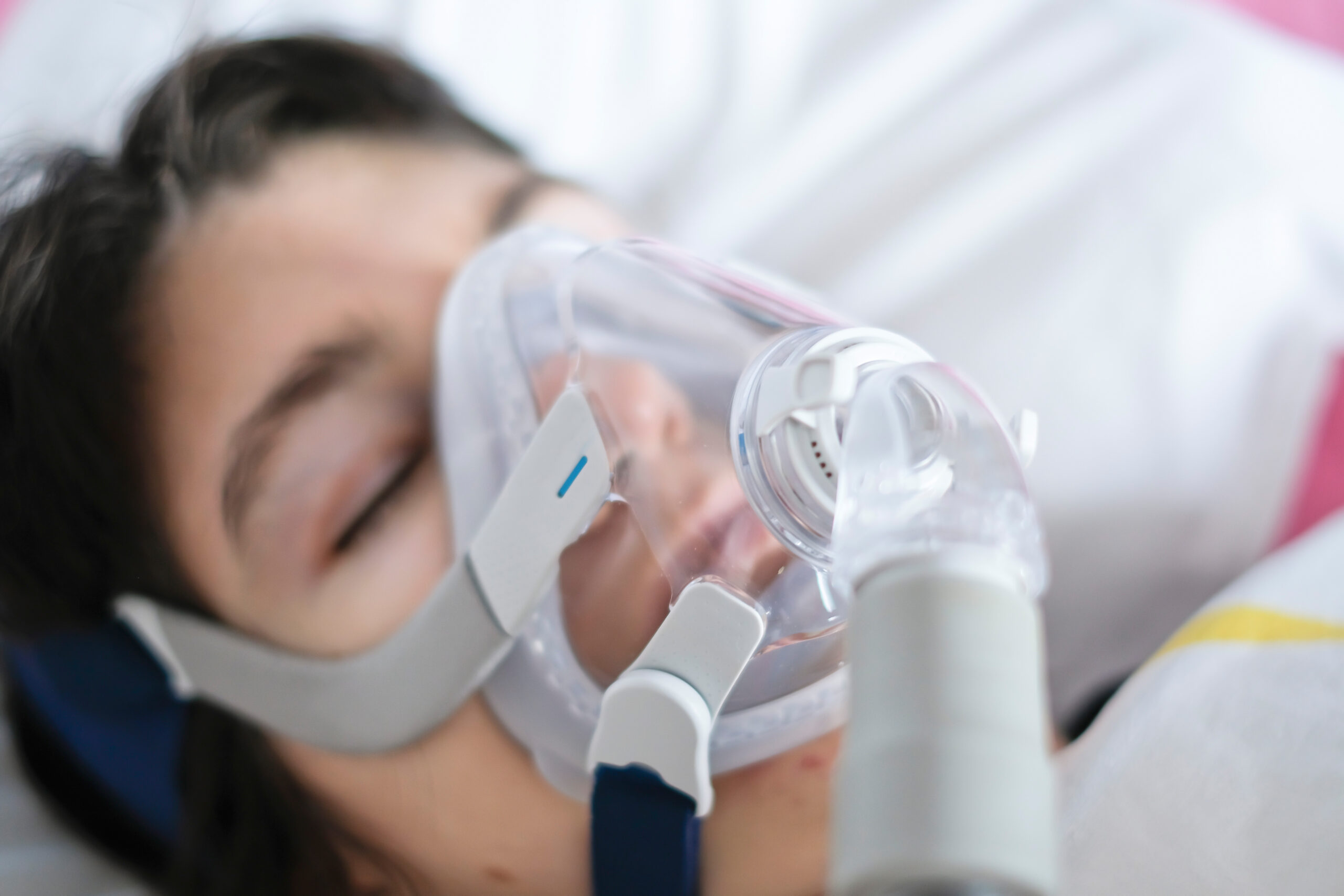
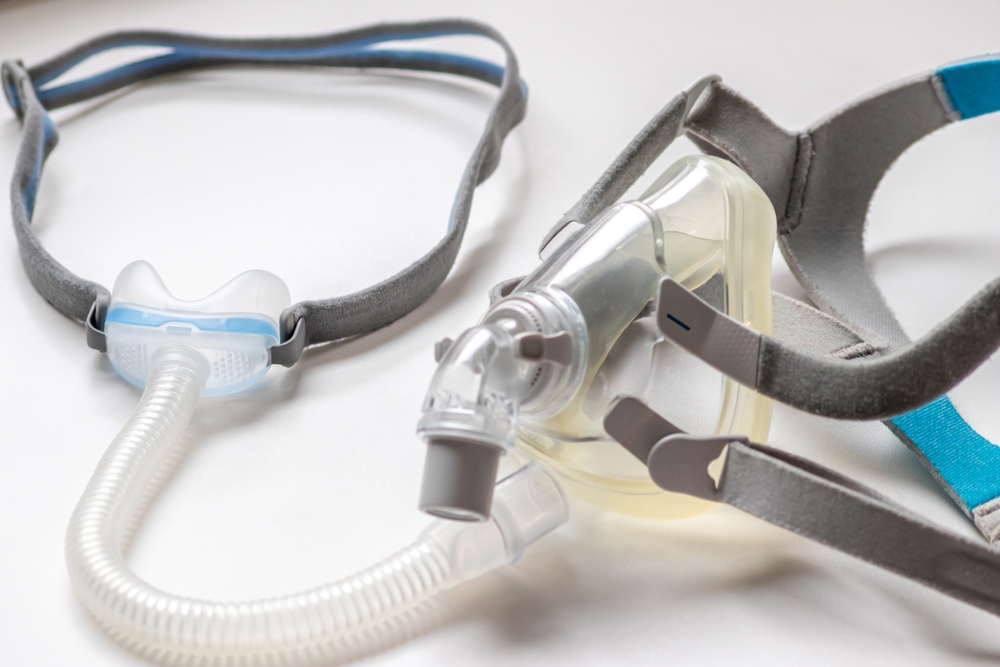
- Full face masks: cover both the nose and mouth and are often recommended for people who breathe through their mouth at night, have frequent nasal congestion, or need higher pressure settings
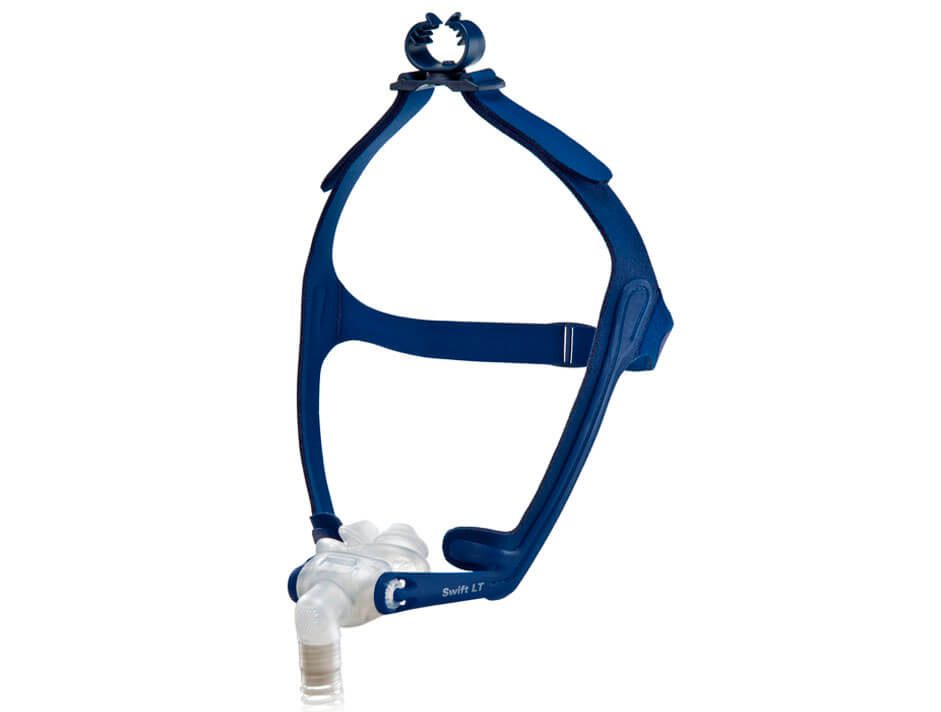
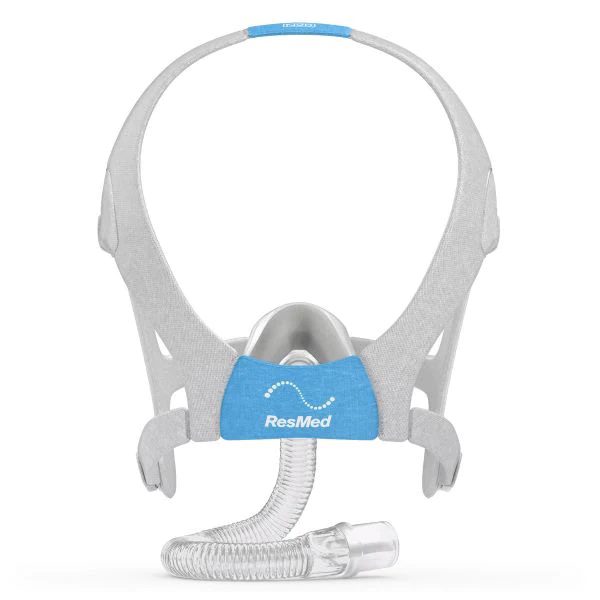
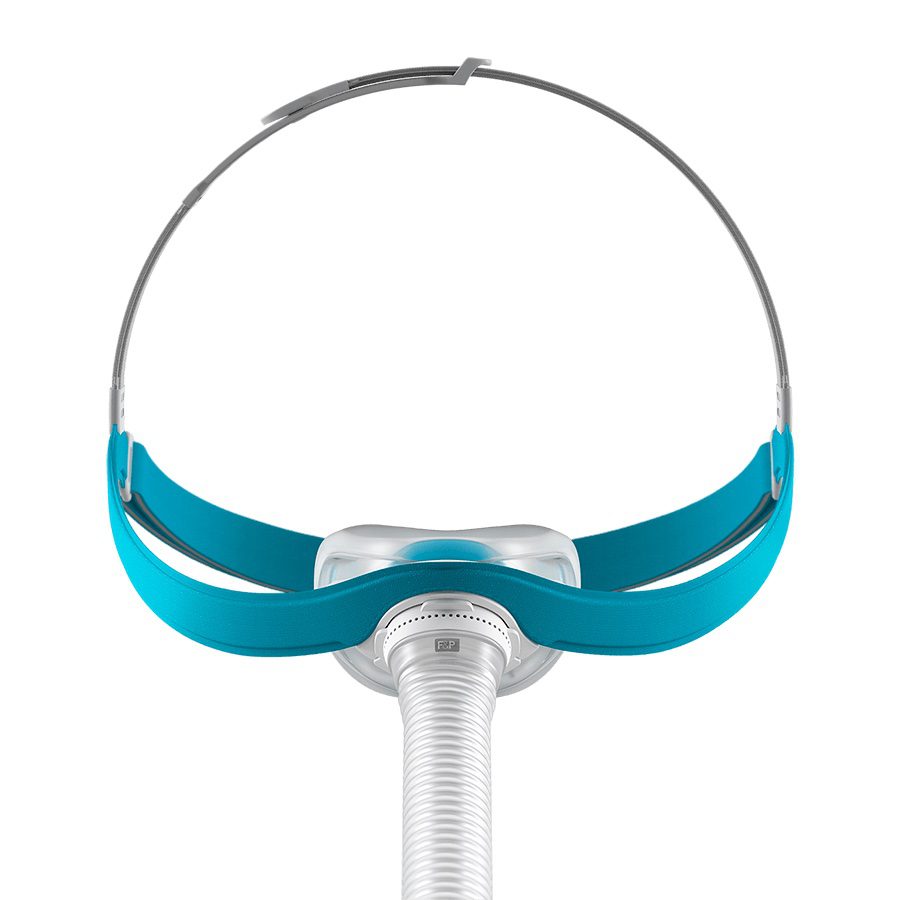
- Nasal masks: cover only the nose and are a common choice for people who breathe primarily through their nose
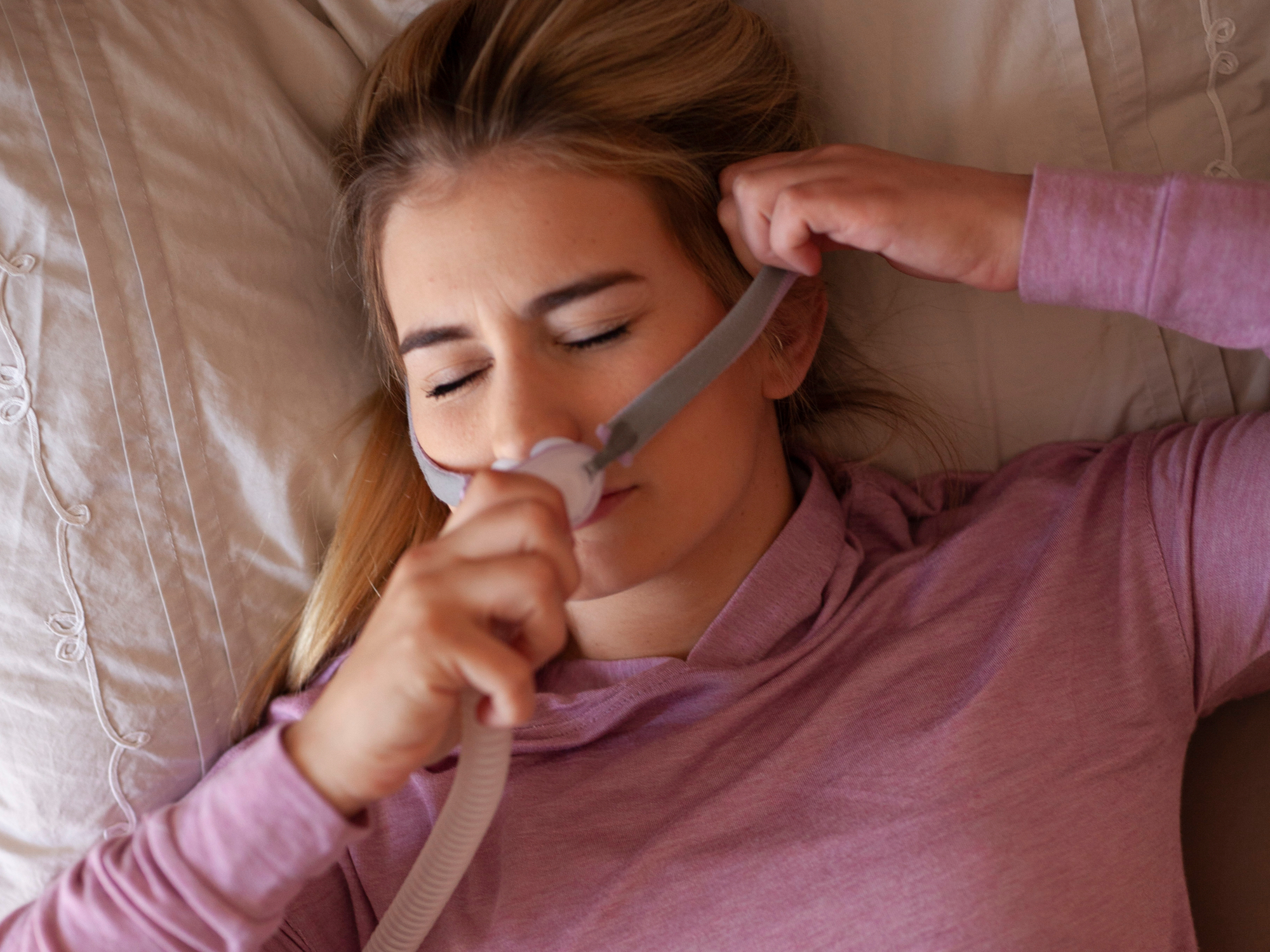
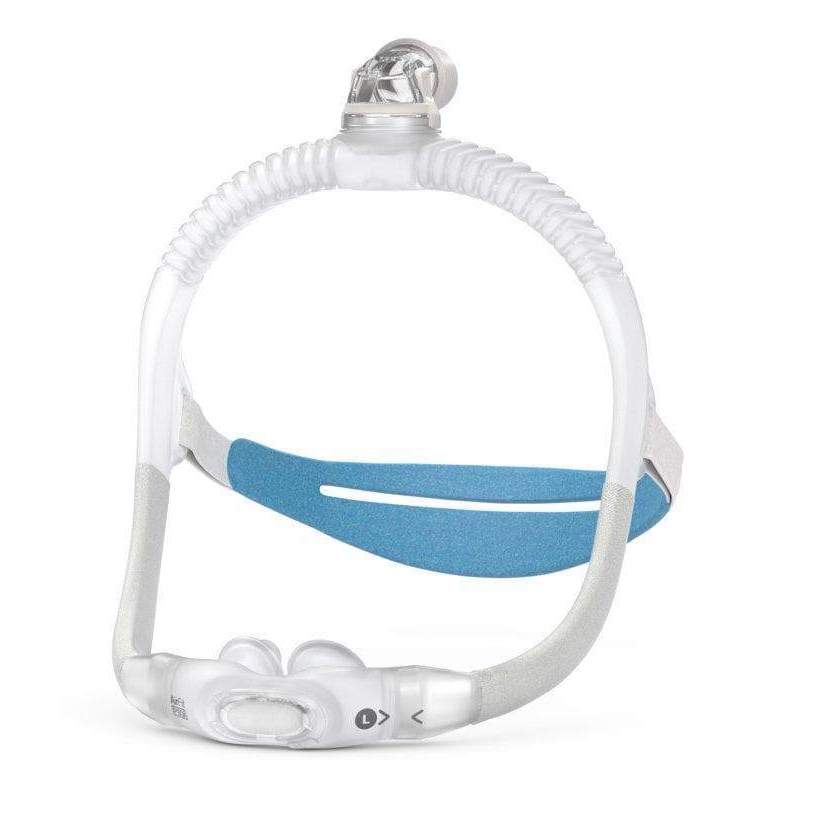
- Nasal pillows: sit just inside the nostrils and are preferred by people who feel claustrophobic with larger masks or who sleep on their side or stomach
If you switch masks, you may need another sleep study to find the right pressure for the new mask — full face masks typically need more pressure than a nasal mask or nasal pillows, which fit into the nostrils.
Treat Nasal Congestion
If you experience nasal congestion with your CPAP, you have several options for relief. Providers often recommend saline or steroid nasal sprays that decrease swelling or nasal strips, which hold nasal passages open. If over-the-counter remedies don’t work, your provider may recommend switching to a full face mask or oronasal mask, which puts less pressure on the nasal passages.
Use the Humidifier and Adjust Humidity Levels
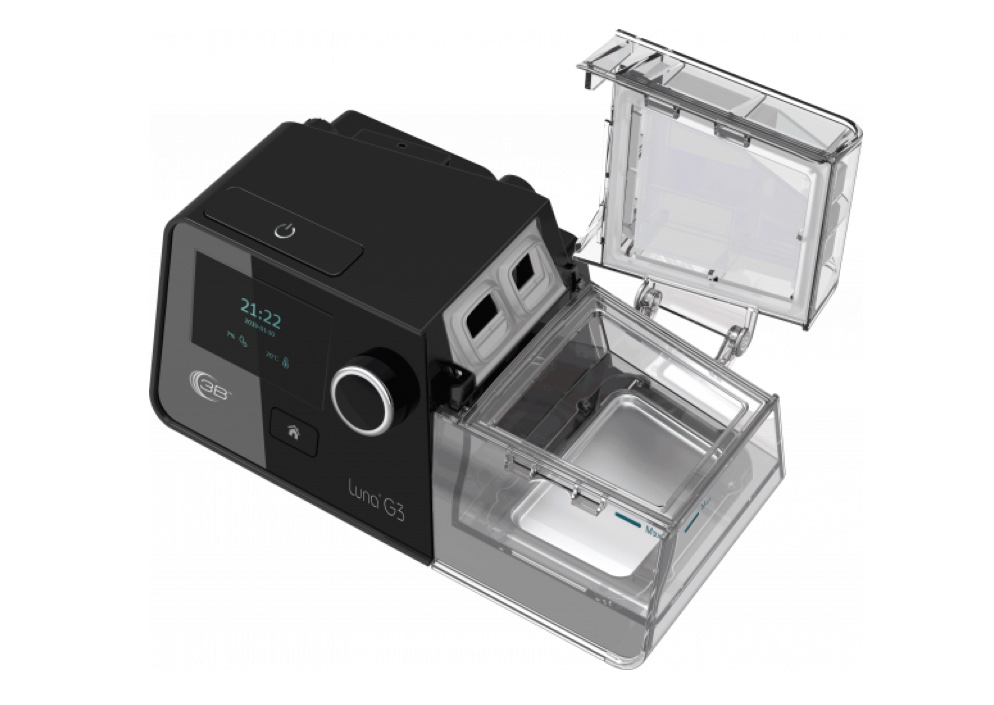
The American Academy of Sleep Medicine recommends using heated, humidified air with CPAP therapy, which decreases nasal congestion and can increase comfort. This addition also improves other CPAP side effects, like dry mouth.
Avoid Alcohol Before Bed
Try to take your last drink of the night at least two hours before bedtime. By giving your body time to process alcohol, you can avoid some of its side effects that can make sleep apnea symptoms worse.
When to Talk to Your Doctor
To get its full benefit, you must use your CPAP regularly. So if you feel tempted to stop using it because of side effects or continued snoring, let your doctor know. They can help you determine if you can resolve your symptoms through something simple like a mask adjustment or equipment cleaning, or if you need further evaluation to adjust pressure or mask type.
Have a question for our experts? Submit it to the Sleep Doctor Forum.
Written by
Abby McCoy, RN, Contributing WriterAbby McCoy is an experienced RN who has worked with adults and pediatric patients encompassing trauma, orthopedics, home care, transplant, and case management. She holds a Bachelor’s of Science in Nursing from St. Louis Univeristy and has practiced nursing all over the world from San Francisco, CA, to Tharaka, Kenya. She now writes health content for trusted health outlets like Everyday Health and Next Avenue.

Reviewed by
Lulu Guo, MD, Medical ReviewerDr. Lulu Guo is a graduate of the prestigious Medical Scholars program at Michigan State University and was admitted into medical school at the age of seventeen after completing undergraduate studies in two years. She is double board-certified in Family and Sleep Medicine.