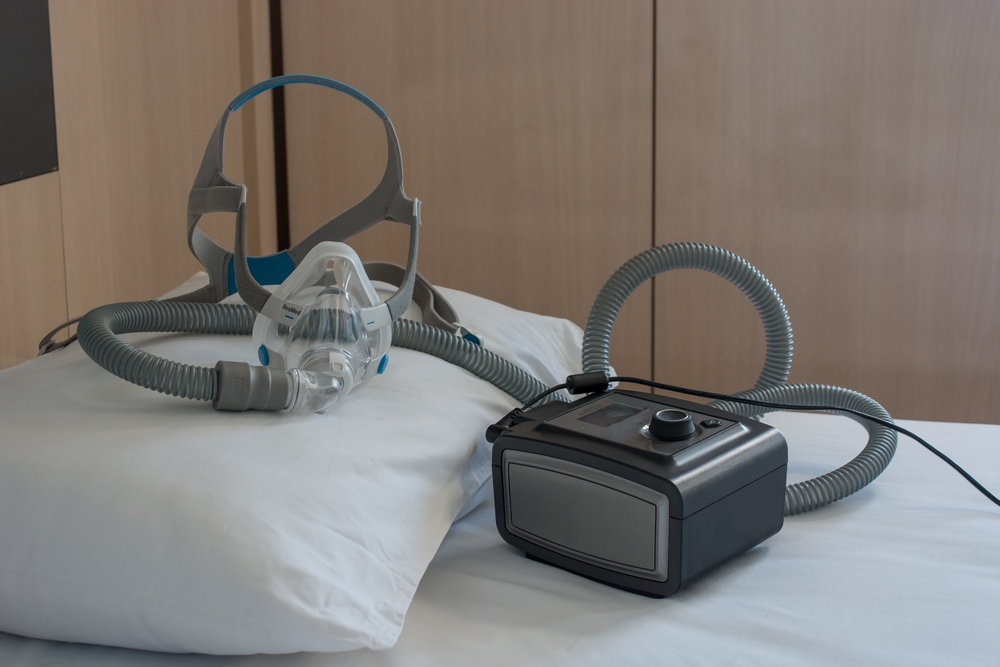
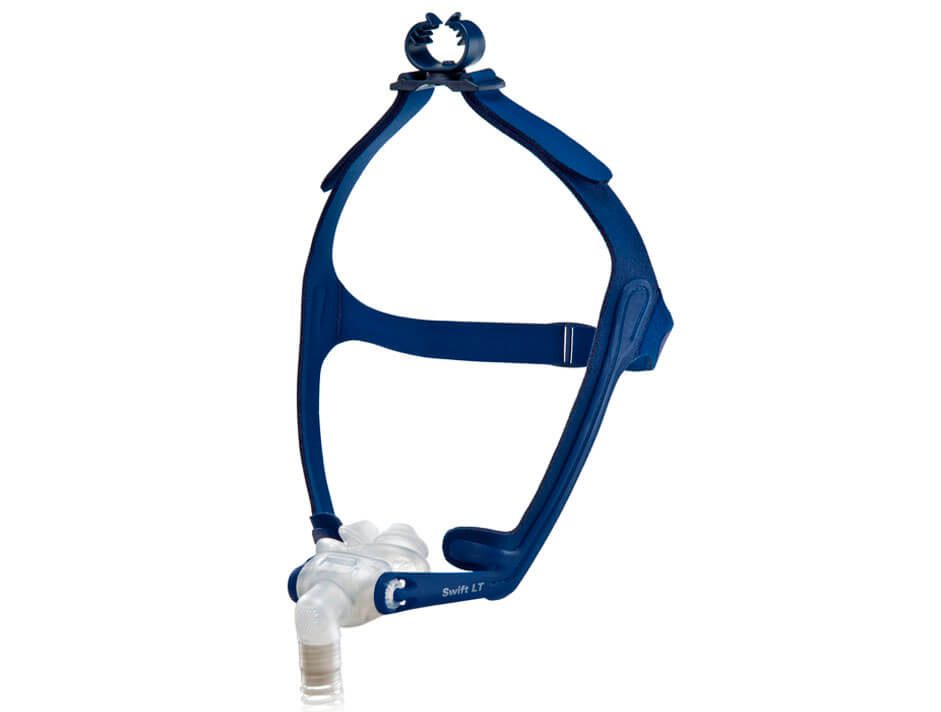
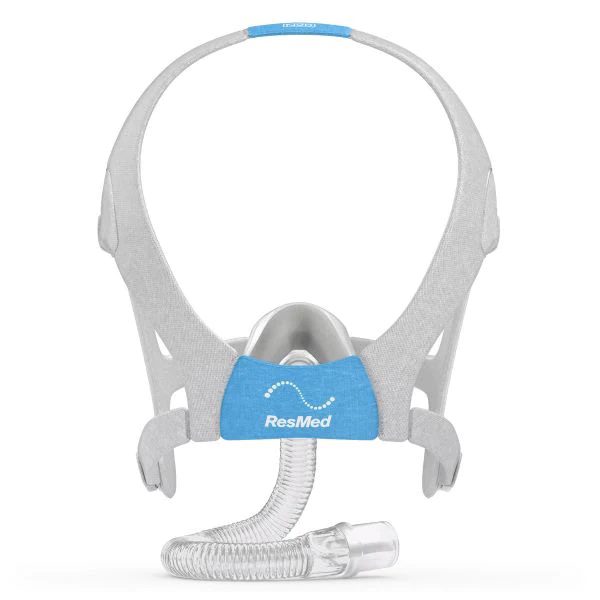
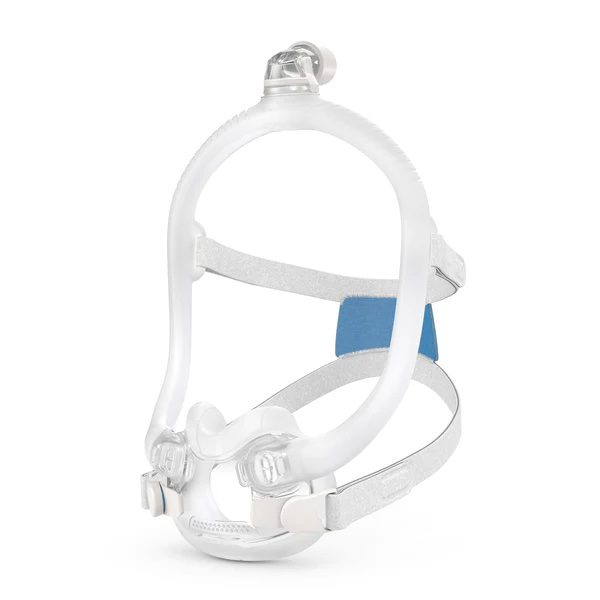
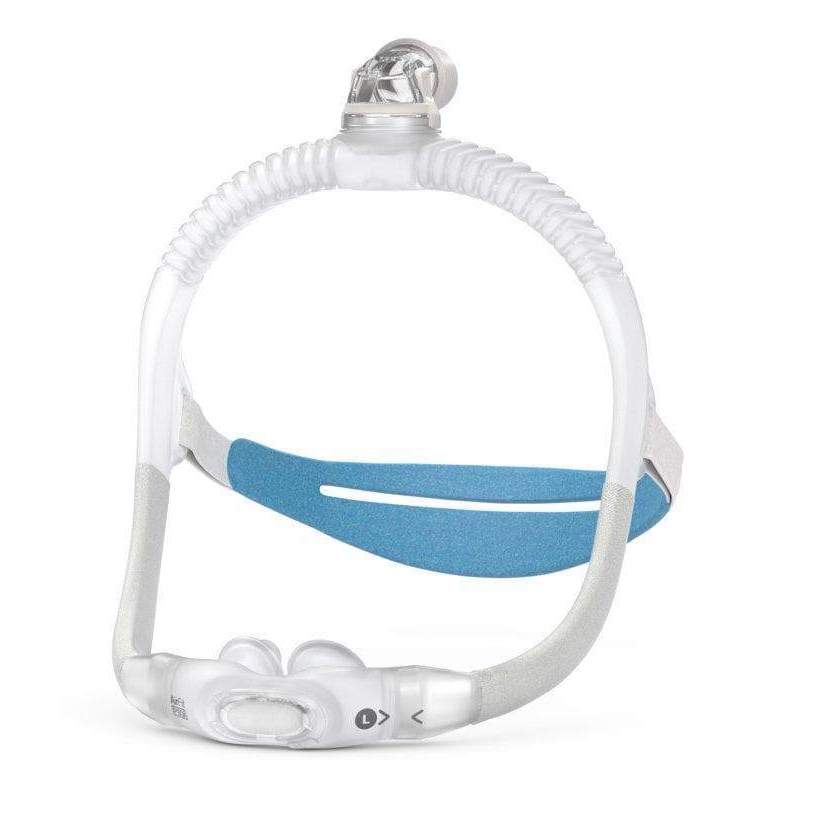
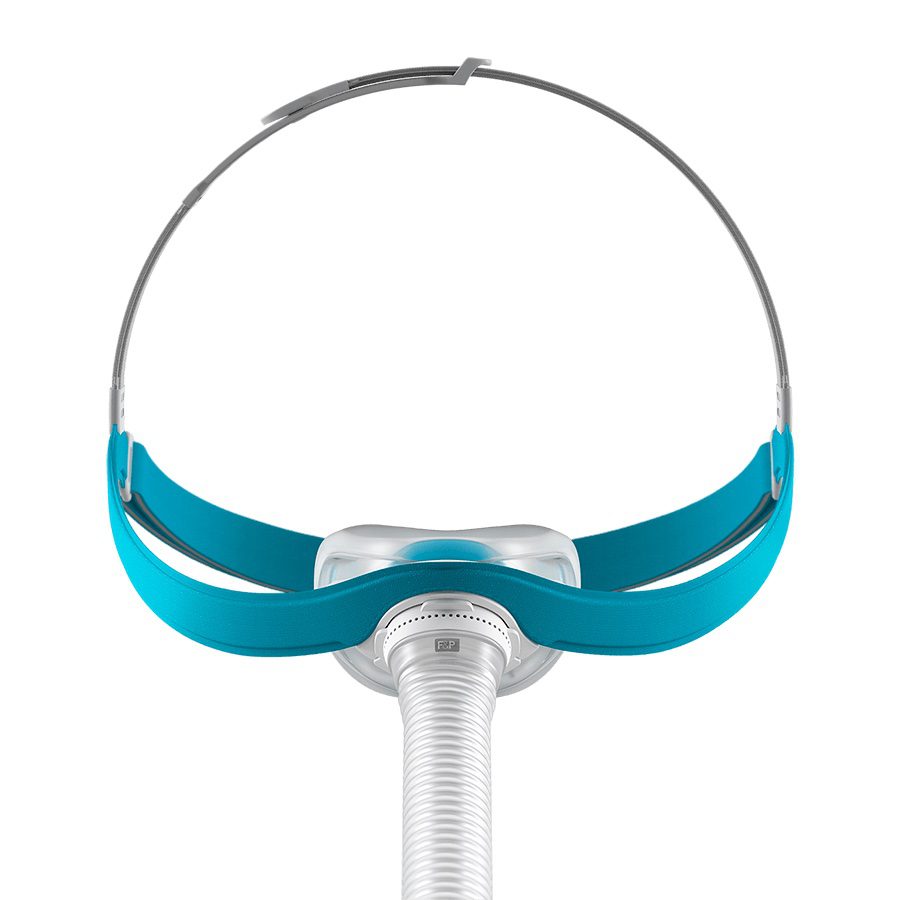
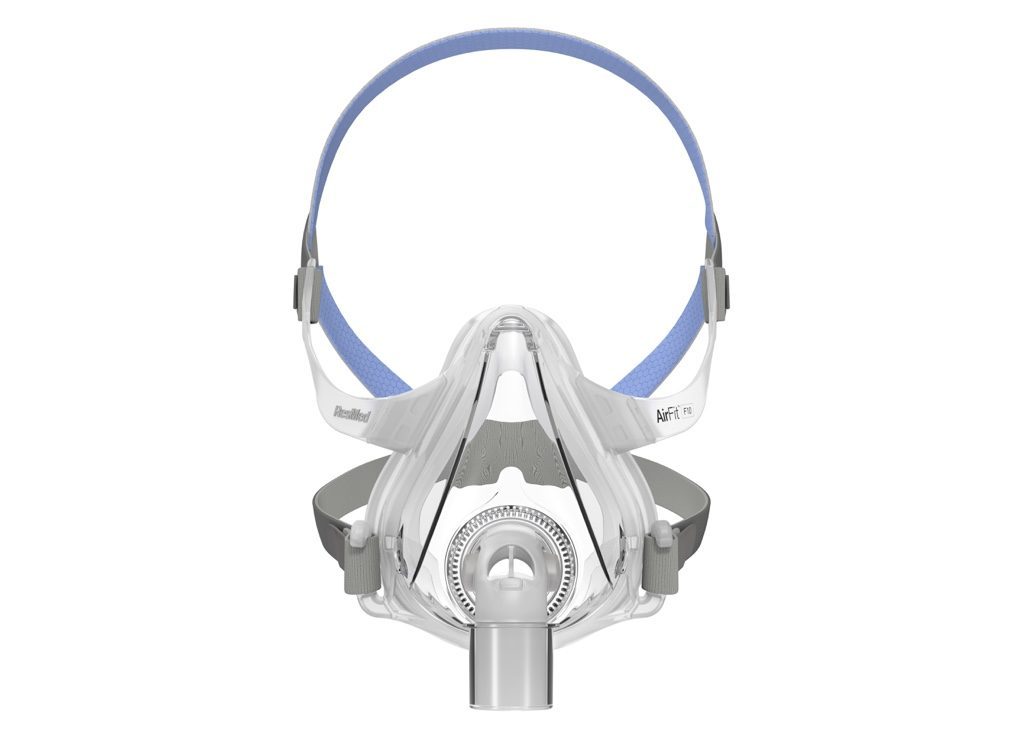
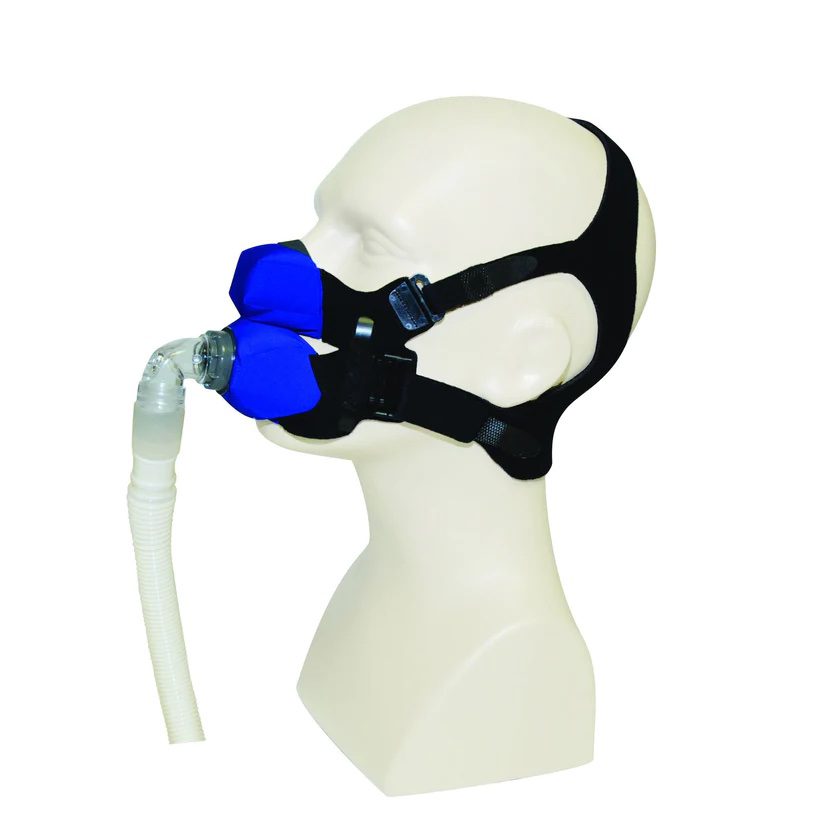
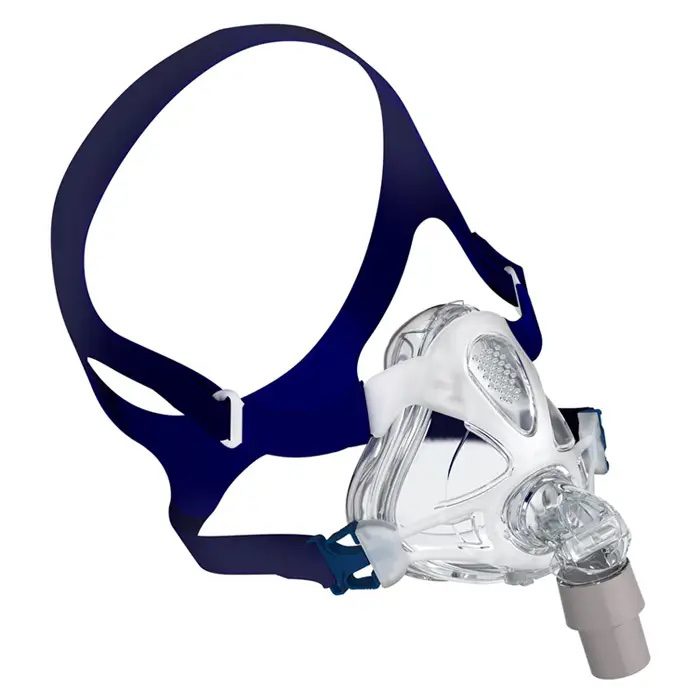
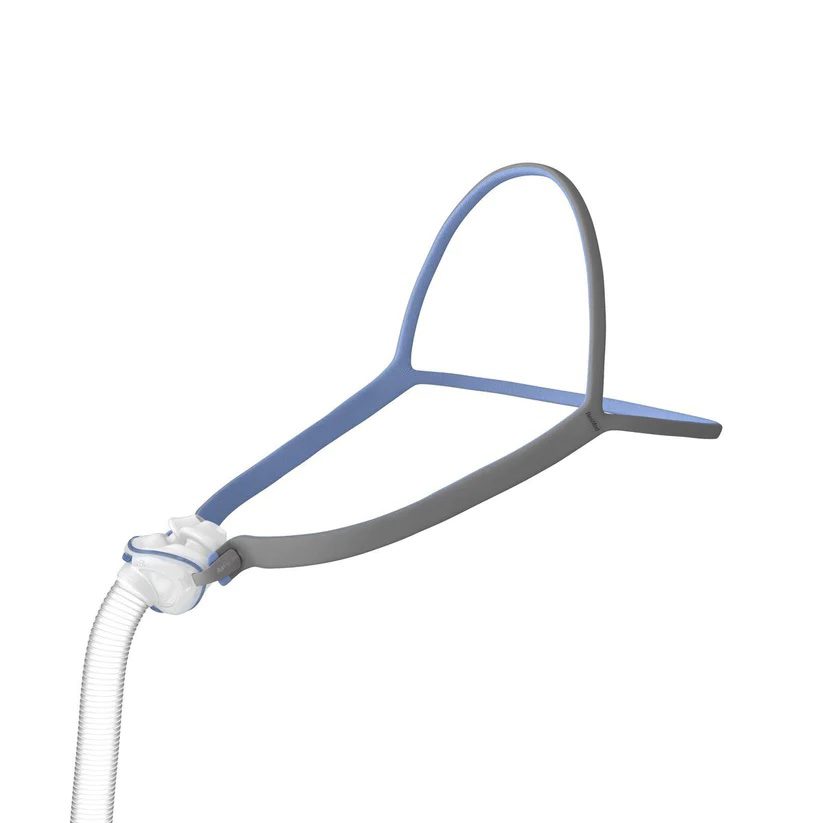
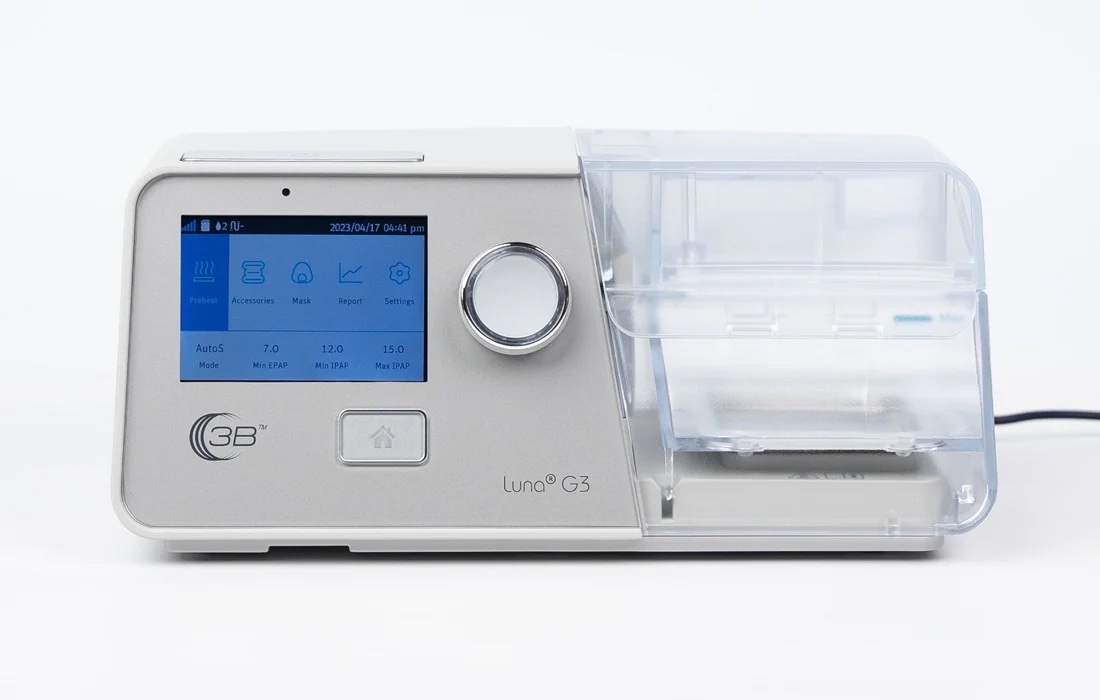
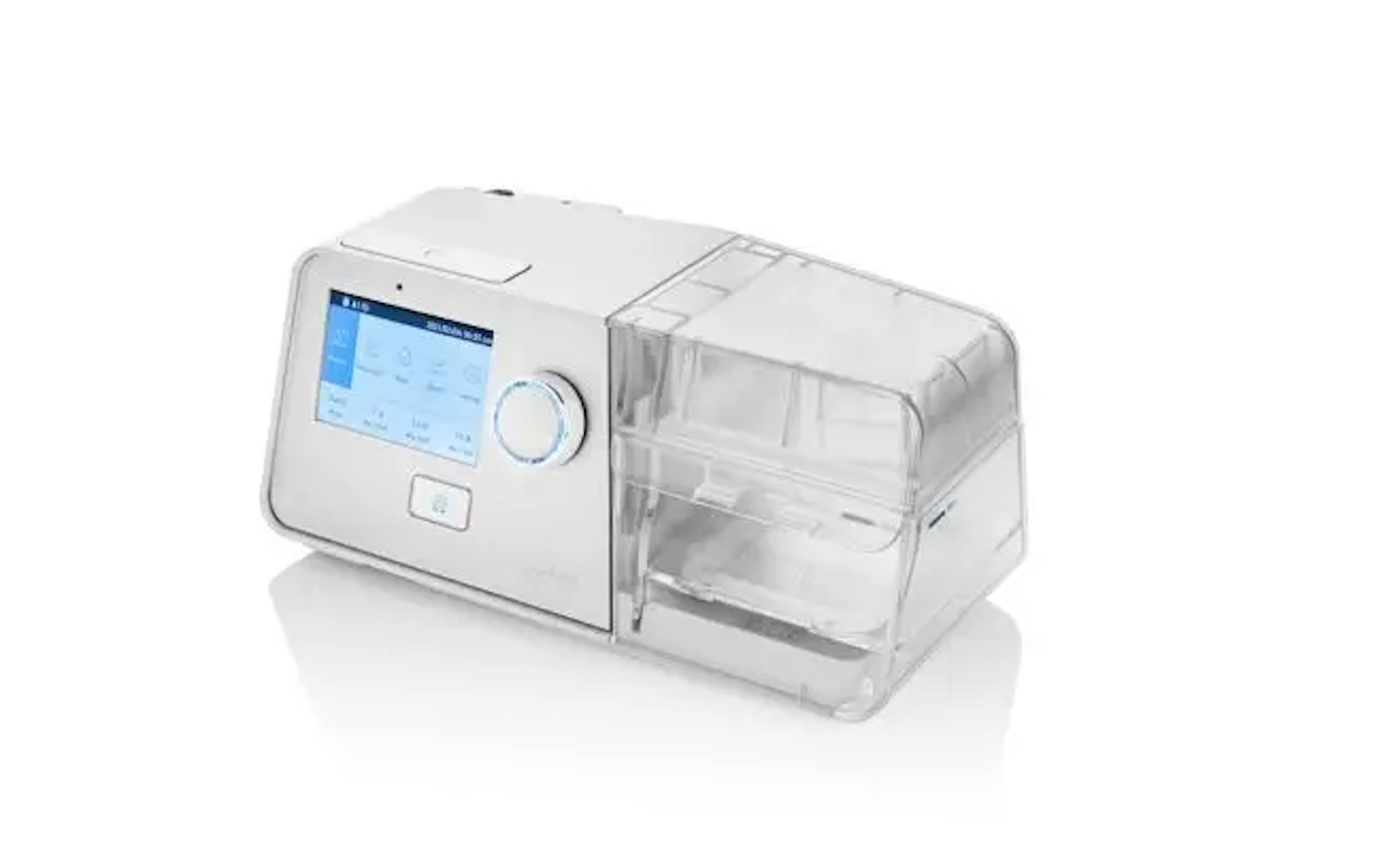
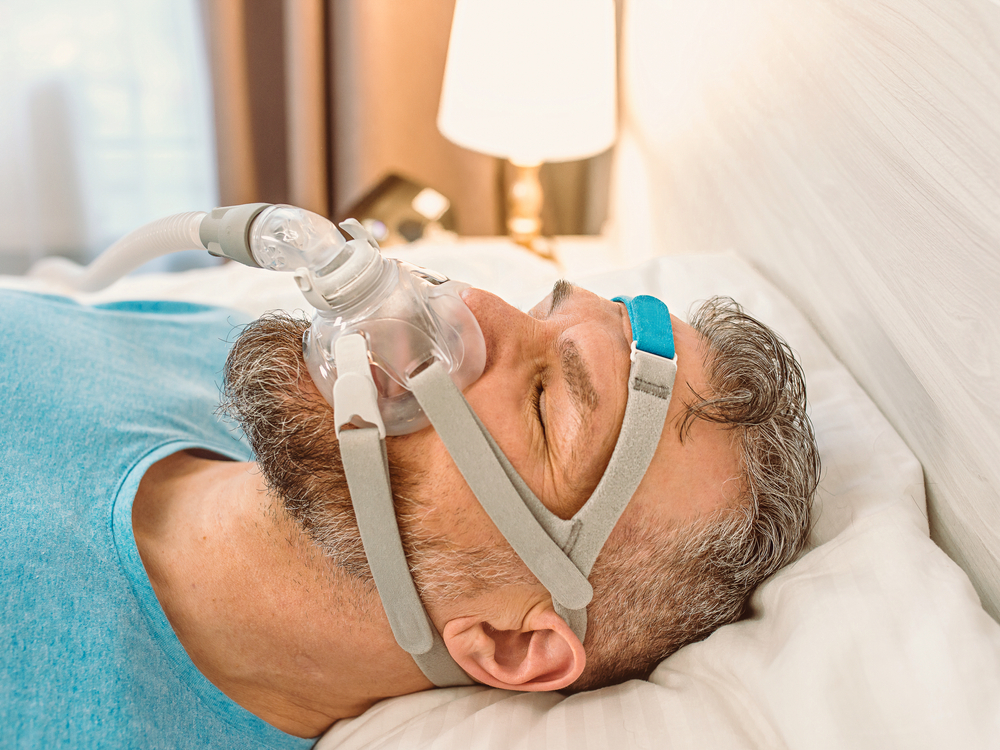
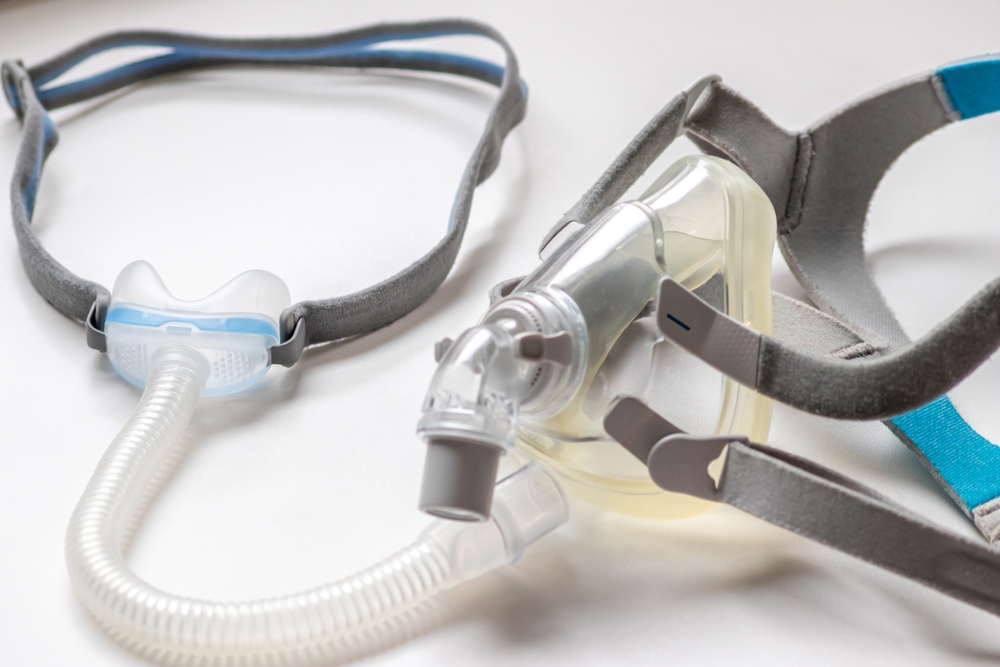
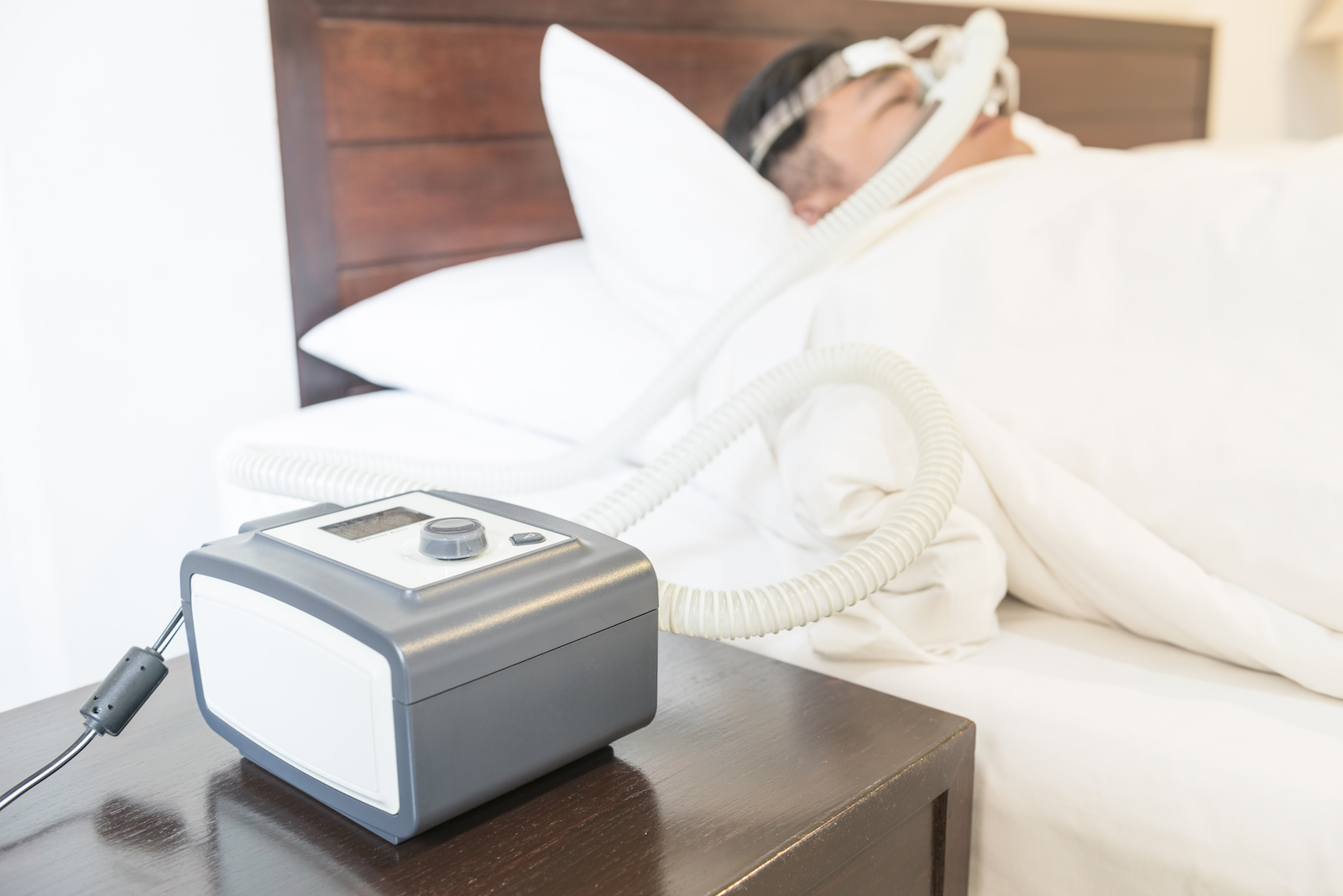
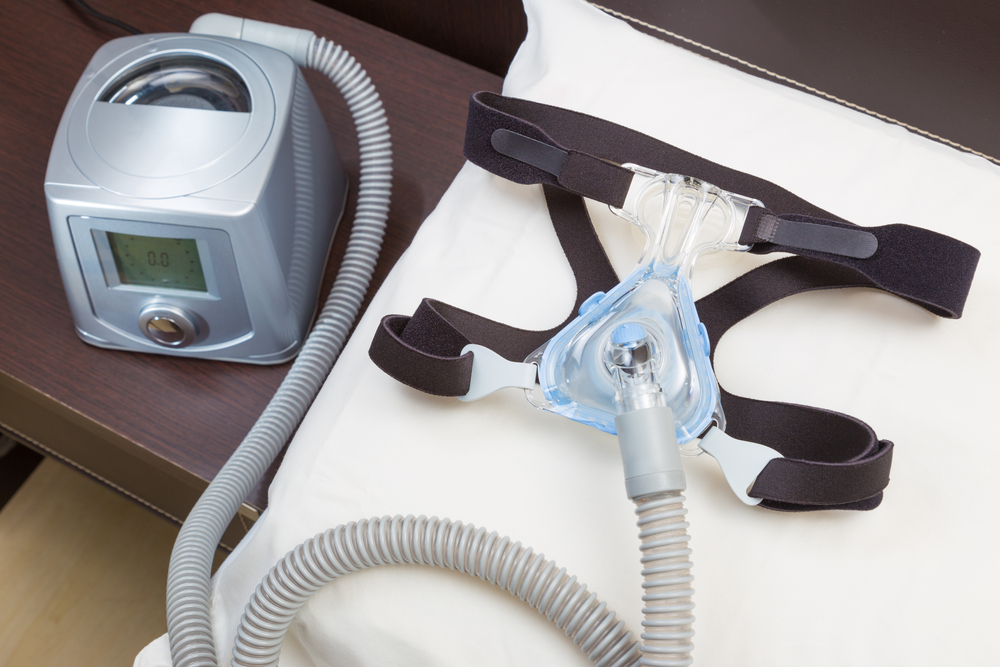
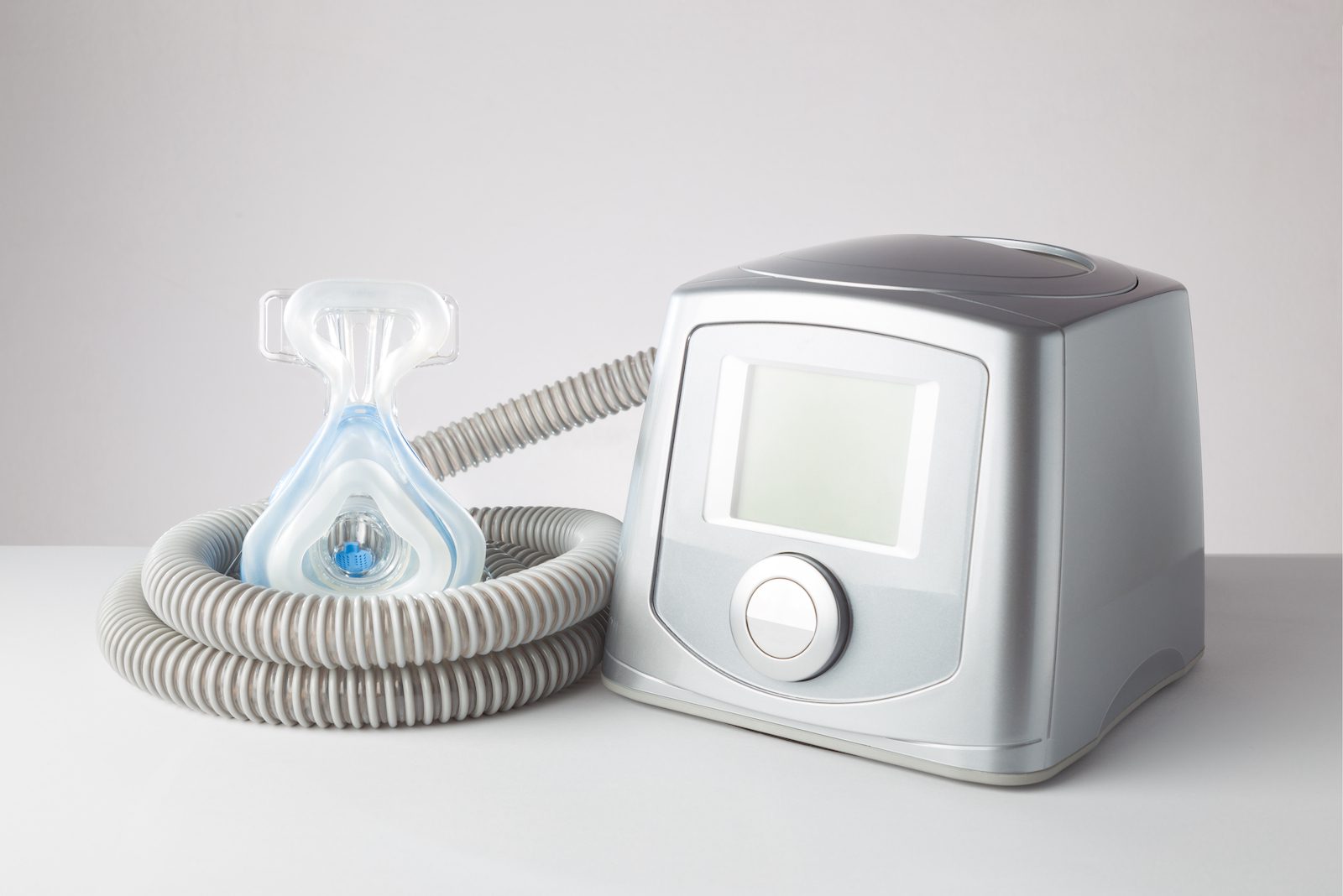
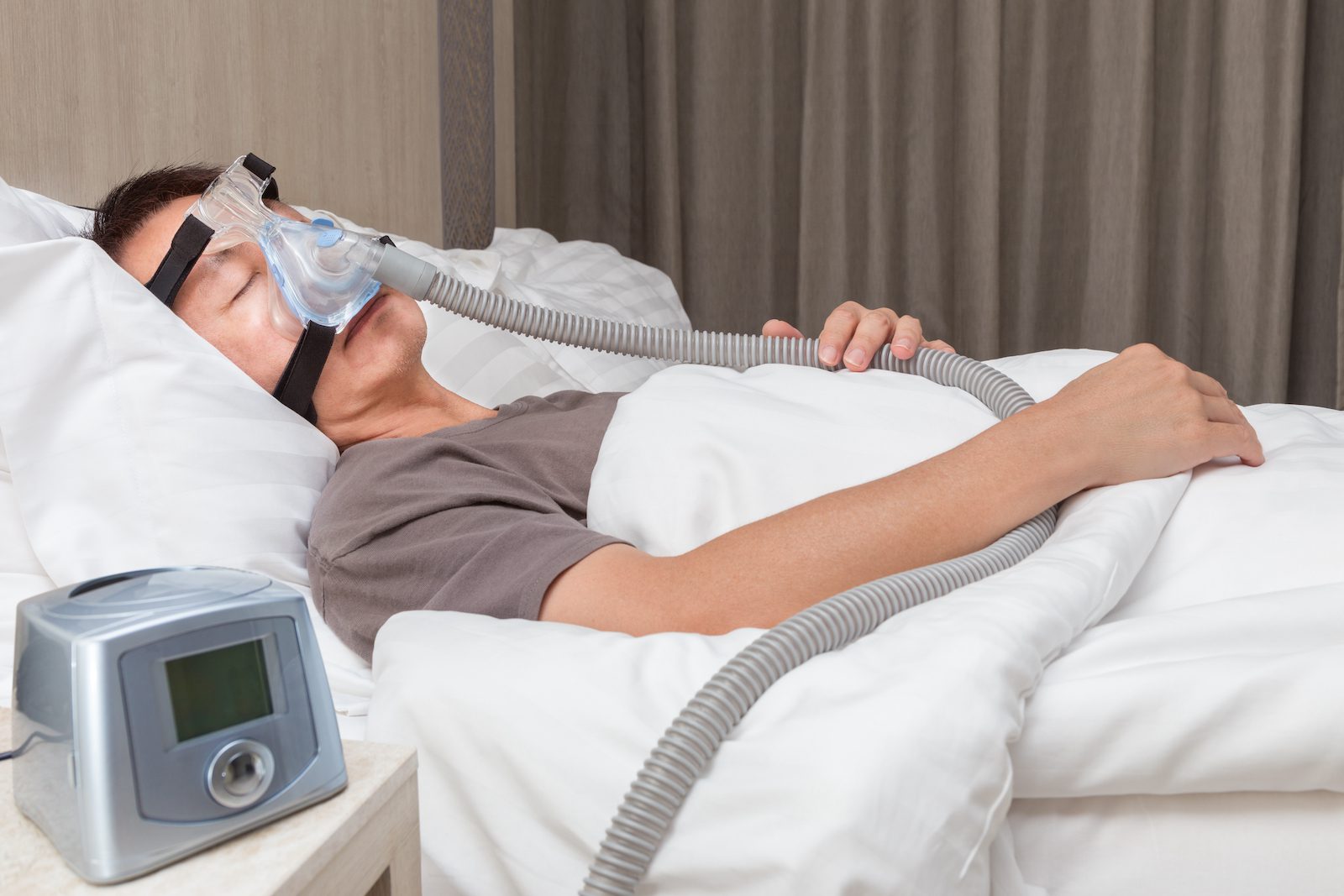
Camping with a CPAP machine may seem intimidating, but with some planning and the right accessories, you can enjoy the great outdoors and still get the nightly therapy you need.
To help you plan your trip, we’ll walk you through what you should know and the factors you should consider beforehand. We’ll also cover the pros and cons of travel CPAP machines, ways to access electricity while camping, and tips for taking your CPAP machine off the grid.
Planning Your Camping Trip With a CPAP Machine
As long as you plan ahead, camping with your CPAP machine doesn’t need to be stressful. However, there are a number of factors you should consider while planning your trip and gathering your CPAP supplies.
Type of Trip
The style of camping trip affects whether you can use your regular CPAP machine or will need a travel CPAP machine. It also influences the CPAP supplies you should bring.
For example, if you’re sleeping in a recreational vehicle at a campground, you may only need your at-home CPAP machine, an inverter, and an external battery in case of power outages. On the other hand, if you're backpacking, you may benefit from a lightweight travel CPAP machine and may need to bring several batteries and a solar charger.
Trip Length
Longer trips may require more CPAP supplies, particularly if you cannot go into town or do not have access to electricity. Consider how many batteries you'll need, how much distilled water you should bring if you use a humidifier, and if any of your CPAP components will need to be replaced during your camping trip.
For longer trips, you might need to bring along your own power source, such as a generator if you're traveling by RV or a solar charger if you're backpacking.
Weather Conditions
Camping sometimes means dealing with extreme temperatures and weather events like thunderstorms. Excessively hot or cold weather can lead to problems with your CPAP machine, batteries, or other accessories. Extremely high or low humidity levels can also cause issues like mask condensation or airway irritation.
Check the user manual or contact the manufacturer if you do not know your CPAP equipment’s ideal temperature range. Not only may your equipment not work outside this range, but it may also become damaged or void your warranty.
Altitude
The higher you are above sea level, the thinner and less oxygenated the air will be. While most modern CPAP machines automatically adjust to altitude changes, older models may have to be manually adjusted before your trip.
High altitudes can also cause people with obstructive sleep apnea to experience central sleep apnea events. If you plan on camping at a significantly higher altitude than where you live, it may be worth speaking to your doctor before your trip.
What to Bring When Camping With Your CPAP
Packing the right gear ensures your CPAP therapy stays consistent and effective. Beyond the basics of your CPAP machine, mask, and tubing, campers often need extra items like backup power sources, extension cords, or cleaning supplies to keep everything running smoothly. Thinking ahead about what to bring can help you avoid interruptions in therapy and let you focus on enjoying your camping trip.
Standard vs. Travel CPAP Machine
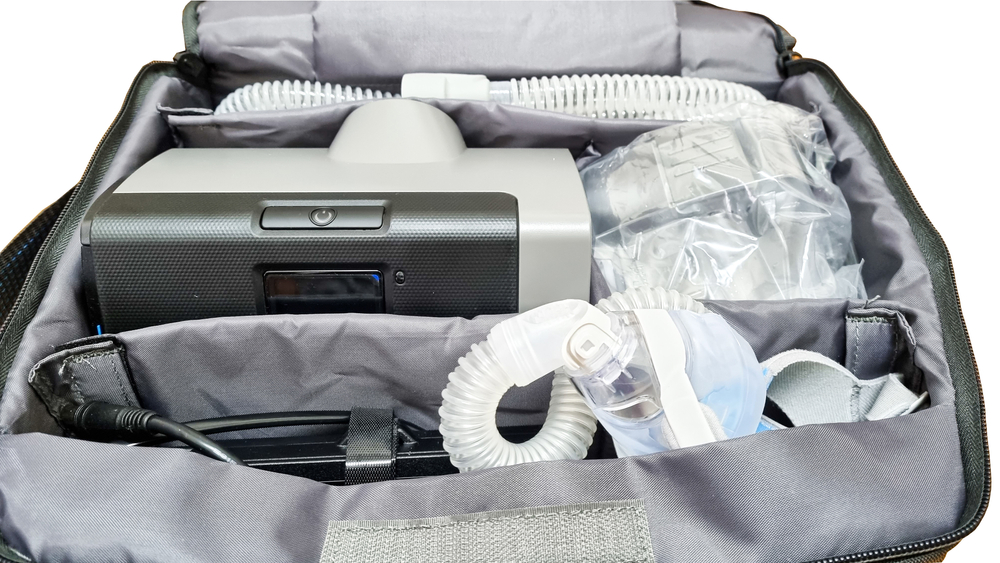
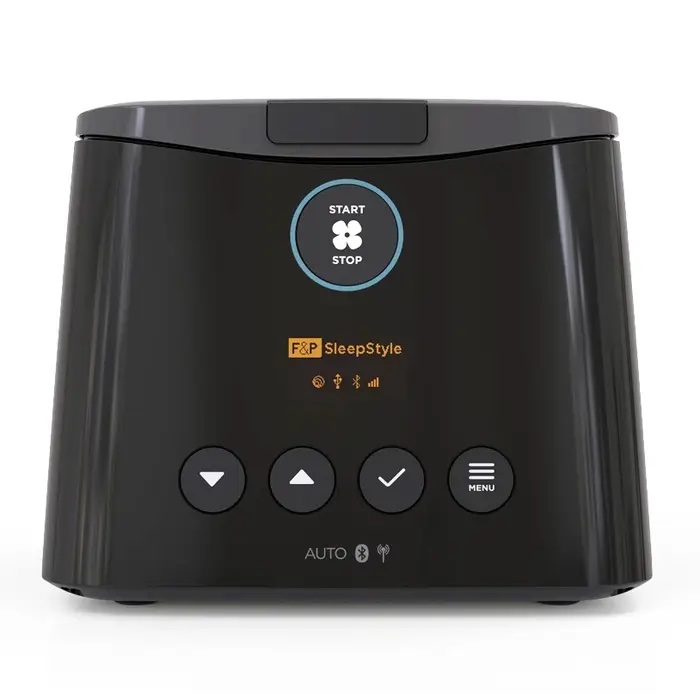
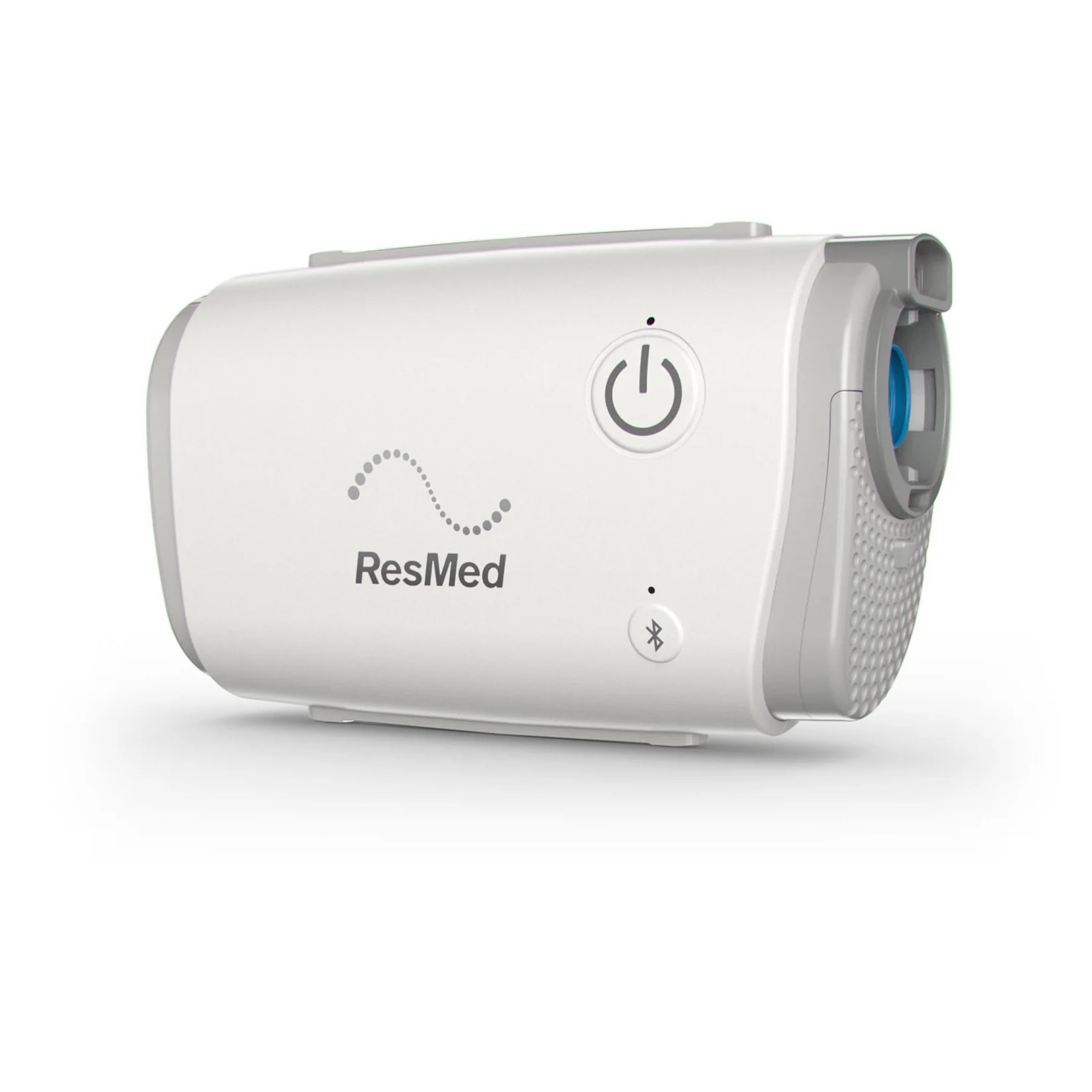
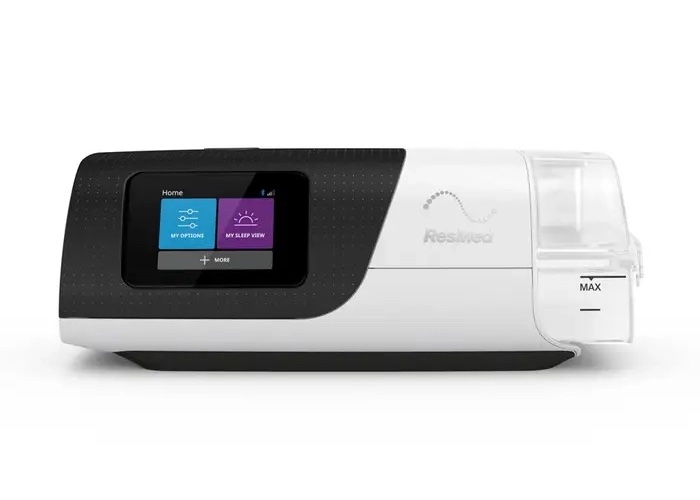
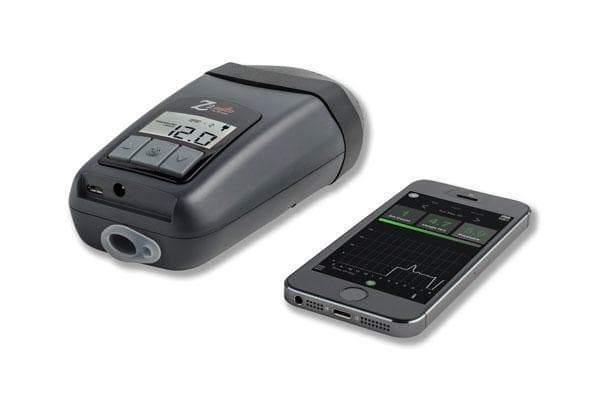
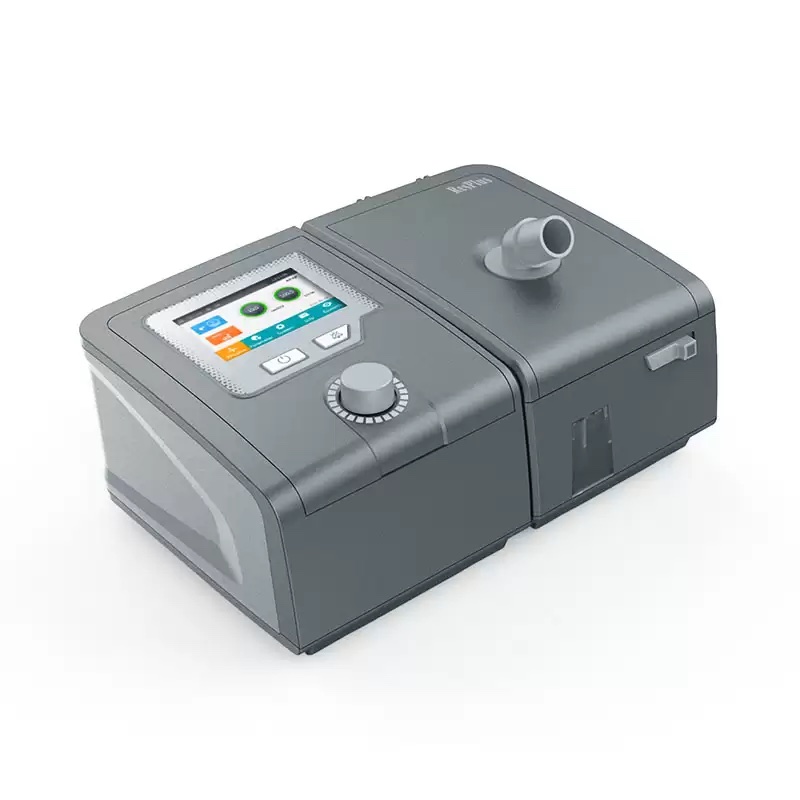
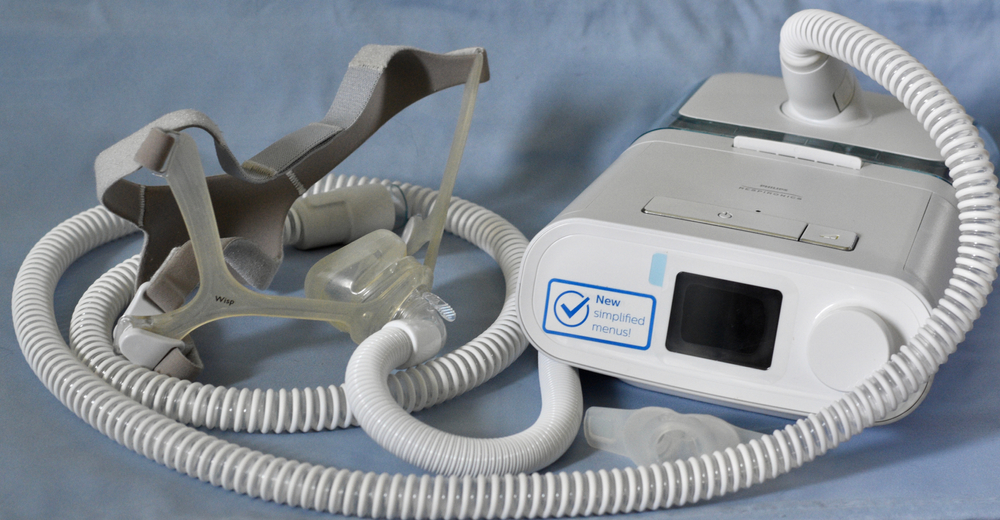
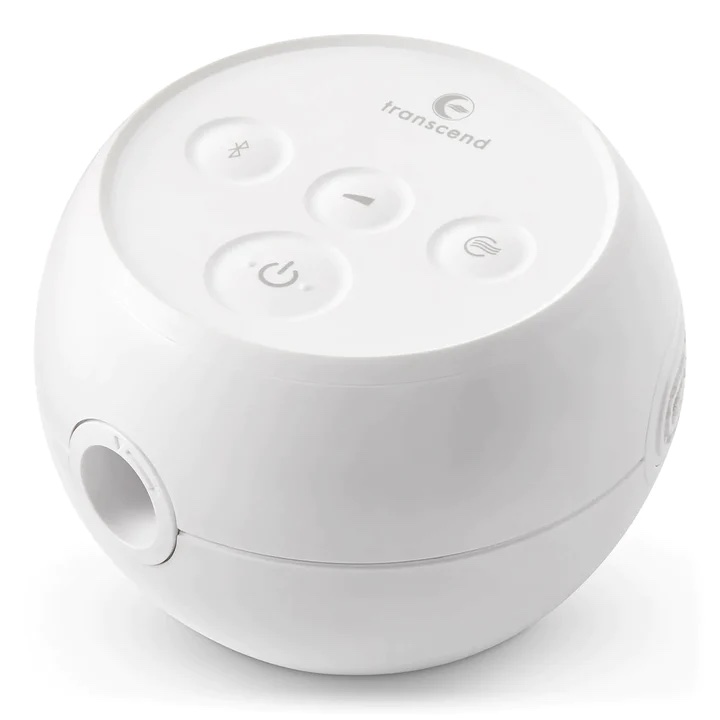
Travel CPAP machines can be significantly smaller and more lightweight than standard CPAP machines. Some travel models are also designed for off-the-grid use and come with accessories helpful for camping such as a waterless humidification device.
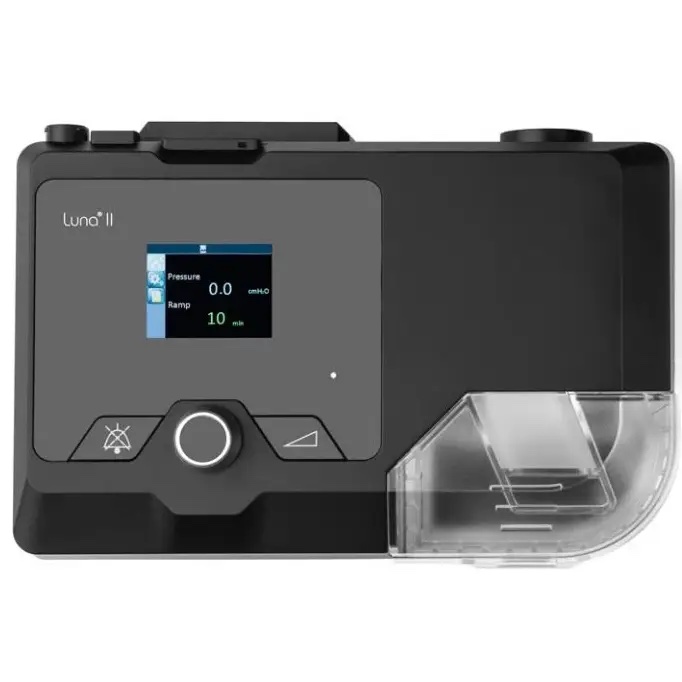
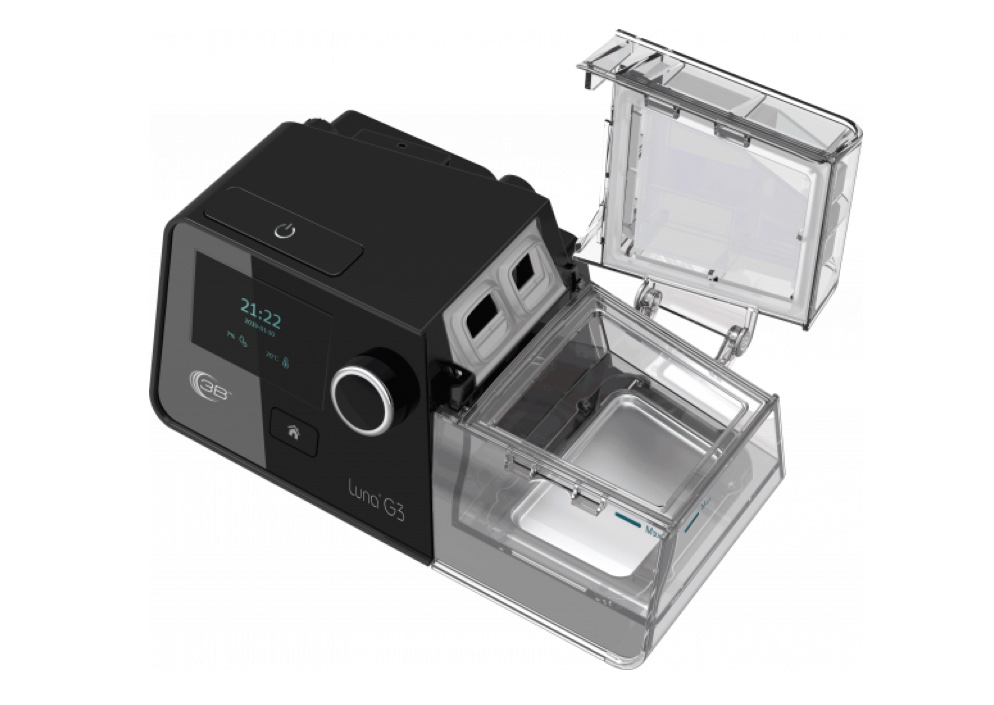
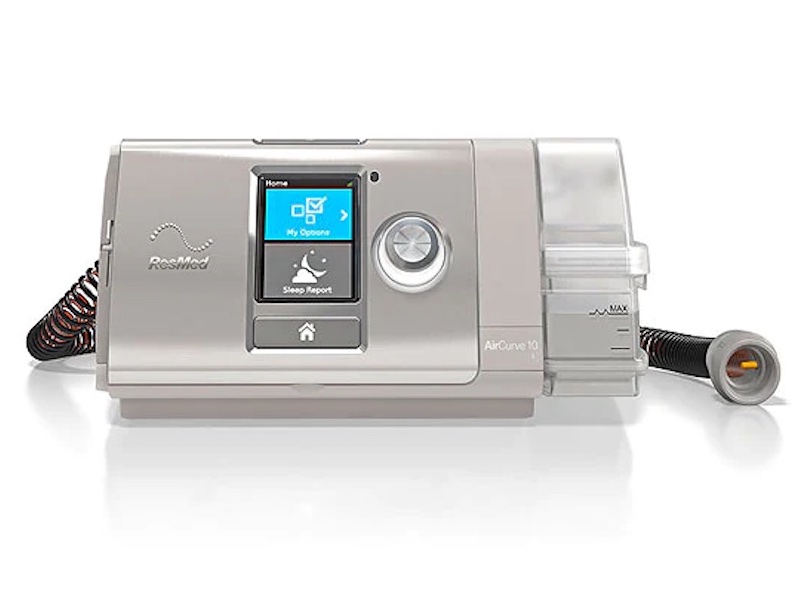
Travel and standard CPAP machines have a similar price range, but most travel machines should not replace a standard machine, as they aren't made to withstand daily use at home.
Travel CPAP Devices Are Better For:
- People who need a small and lightweight machine while camping
- CPAP users who want a machine that’s conducive to off-grid camping
Home-Use CPAP Devices Are Better For:
- Anyone who will be camping with easy access to electricity
- People who do not camp or travel very often
Extra CPAP Batteries
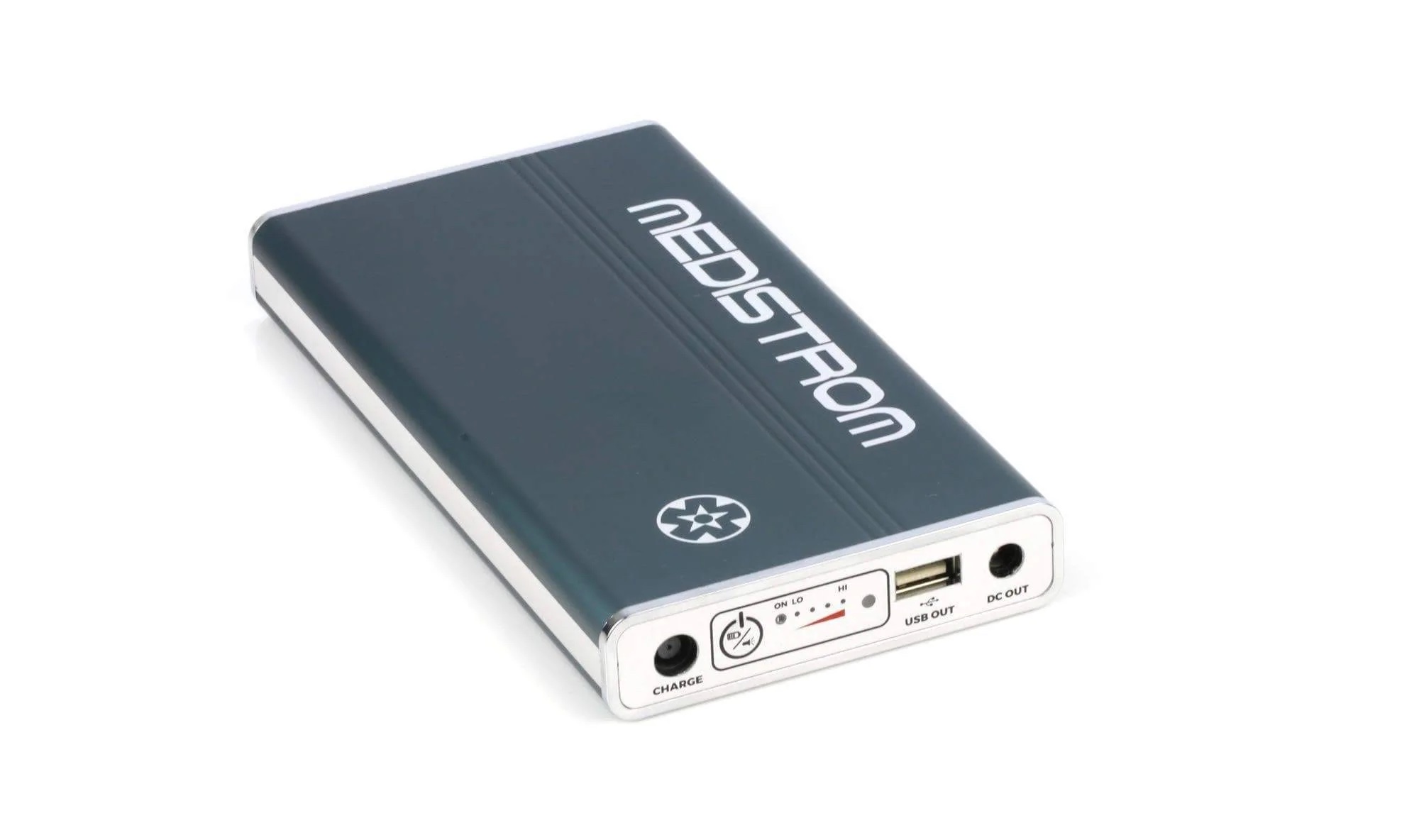
Extra CPAP batteries are an easy way to ensure you're prepared for power outages or equipment failures while camping. You may be able to recharge CPAP batteries with an inverter, a USB port, or a solar charger — but it’s important to keep in mind that the time it takes to charge varies significantly by battery and power source.
Not all batteries are compatible with all CPAP machines, so it’s crucial to double-check your machine’s requirements before purchasing and to test your batteries before your trip to ensure that they work and to see how long they last.
CPAP Humidifier
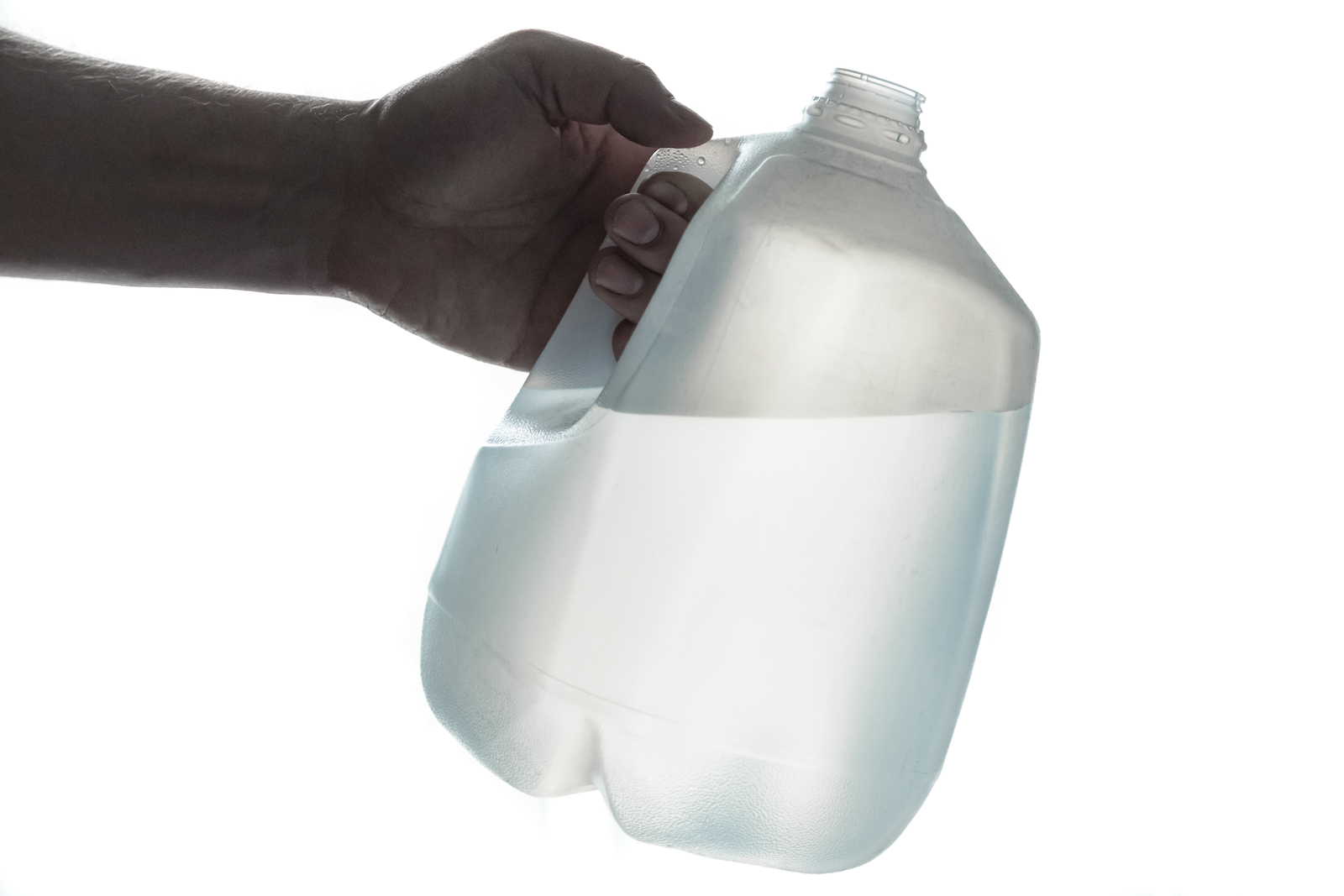
Many CPAP users find that a humidifier makes their treatment more comfortable, particularly when the air around them is very dry. However, standard CPAP humidifiers require distilled water and add weight and bulk to your machine, which may be prohibitive while backpacking.
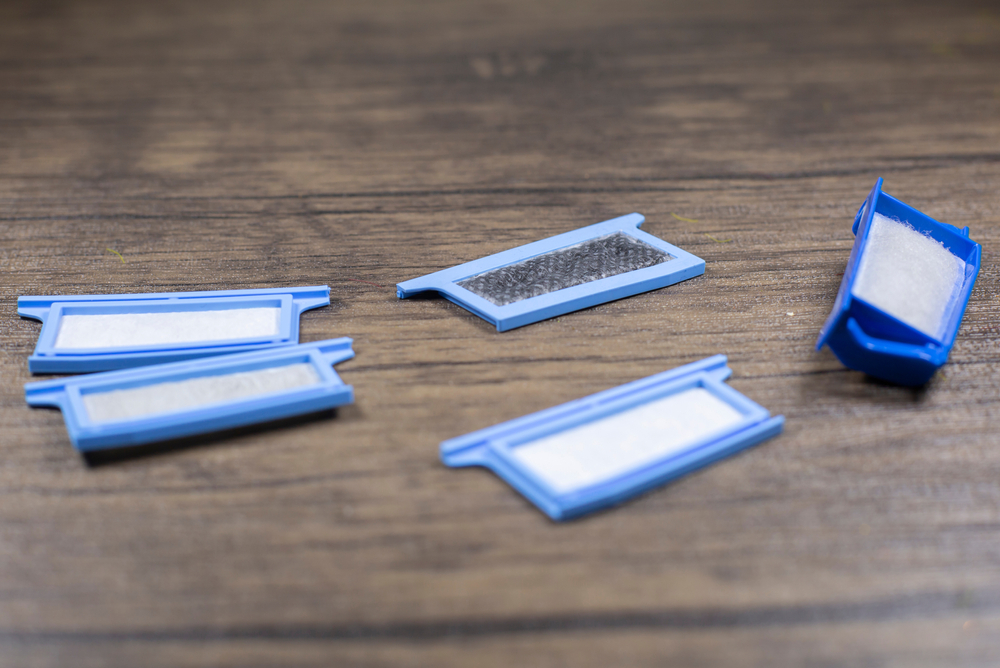
Waterless humidifiers can be a useful alternative to standard humidification. Instead of using a tank of water, a heat and moisture exchanger recycles the warm moisture from your own breath. HME cartridges are lightweight and work with many, though not all, CPAP machines.
Weight and CPAP Accessories
Every ounce counts when you’re backpacking, so campers who hike to their camping site may have to limit the size and weight of their CPAP equipment.
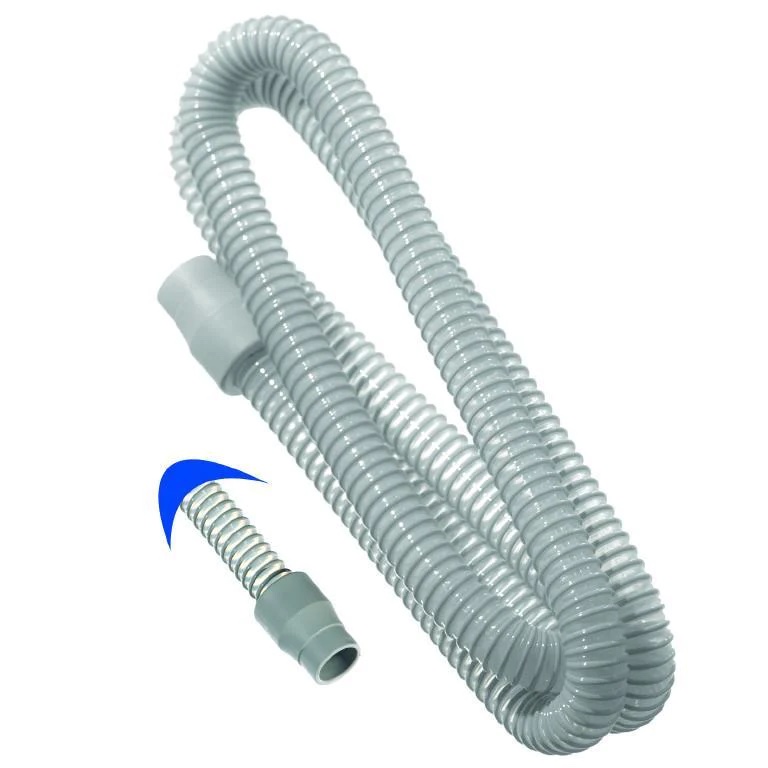
If weight is a consideration for you, consider investing in a lightweight travel CPAP machine. It’s also worth investigating whether any of your CPAP accessories might require additional supplies. Heated hoses, for example, weigh only slightly more than standard tubing but may require a heavier battery with more capacity.
Tips for Camping With a CPAP Machine
From managing power sources to keeping your equipment clean and protected, a few simple strategies can make camping with a CPAP just as comfortable as sleeping at home. These tips can help you stay consistent with your therapy while making the most of your adventure.
Consider Reserving Campsites With Electrical Access
Not all campgrounds offer electrical hookups. Among those that do, electrical access may be limited to specific sites within the campground.
Check your chosen campground’s website to see if there’s access to electricity. Additionally, you may need to bring an extension cord if you're tent camping at a site with electrical hookups. Before doing so, verify that you can use an extension cord with your CPAP machine by checking the user guide or contacting the manufacturer.
Pack Extra Accessories for Off-Grid Camping
Camping off the grid with a CPAP machine can be safe and easy, but it does require additional planning and consideration.
- Solar chargers: Solar chargers use solar panels to charge CPAP batteries and sometimes other small electronics. The panels fold up for portability and are often extremely lightweight, making them an easy addition to your backpack. It’s advisable to have a backup battery in case cloudy weather prevents you from fully charging your CPAP battery each day.
- Gas-powered generators: If you’re driving to an off-grid campsite, a gas-powered generator can provide you with electricity, even when you’re far from civilization. It’s important to observe safety precautions and adhere to campsite rules about portable generator use.
- Multipurpose batteries: Some campers find that a multipurpose battery with a high charge capacity and both USB and AC outlets is worth the additional cost and weight. In addition to powering your CPAP machine, a multipurpose battery can be used to charge electronic devices and run small camping appliances.
- CPAP cleaning wipes: While CPAP cleaning wipes do not take the place of soap and water, they can be an easy way to remove dirt and dust from your CPAP mask and other machine components when you're camping in areas with limited potable water. If you use CPAP wipes while camping, bring a waterproof bag to store the used wipes until you can properly dispose of them.
- Biodegradable camp soaps: Ordinary soaps can damage the environment, so CPAP users who wish to leave no trace should clean their CPAP equipment with biodegradable camping soap. However, even biodegradable soap must be disposed of according to best practices or campsite directions so that it does not negatively affect water quality, plants, or animals in the area. Be sure to choose a mild, nonabrasive camp soap.
Inverters Are Useful When Camping With a CPAP Machine
Inverters can switch the direct current generated by car or RV batteries into the alternating current used by most CPAP machines and battery chargers, making them a useful tool for campers.
Frequently Asked Questions
Yes, you should bring your CPAP machine when camping if you’ve been prescribed therapy for sleep apnea. Skipping CPAP, even for a few nights, can cause poor sleep, daytime fatigue, and put your health at risk. The good news is that many CPAP machines are portable and can be powered with battery packs or other travel-friendly solutions, making it easier to stay on therapy even outdoors.
No. Lake or stream water that has been filtered or treated to remove contaminants may be safe to drink, but you should avoid using it in your humidifier, as it may contain minerals that can damage your equipment.
Most CPAP humidifier manufacturers recommend using distilled water, which is free of organic materials as well as salt and other minerals. If the amount of distilled water you’d need to bring with you is prohibitive, there are portable water distillers available in various sizes that can easily fit into an RV or even a backpack.
RV and car batteries produce DC power, while most CPAP machines require AC power. You can use a DC-to-AC converter to run a CPAP machine off of your vehicle’s battery. RV and car batteries can also be used to charge an external CPAP battery, which is a better option for most people since it does not require that you keep your vehicle running overnight.

Still have questions?
Sleep apnea products can be confusing. If you need individualized assistance, post your question to the Sleep Doctor forum.

Written by
Tochukwu Ikpeze, MD, Contributing WriterTochukwu grew up in New York and has a passion for creative and scientific writing. Tochukwu holds an undergraduate degree in Biology and Psychology, a Master’s degree in Biomedical Science, and a Medical Degree as well. In his free time, Tochukwu enjoys reading, learning, exploring various topics pertaining to the human condition and conveying that information to the public through writing.