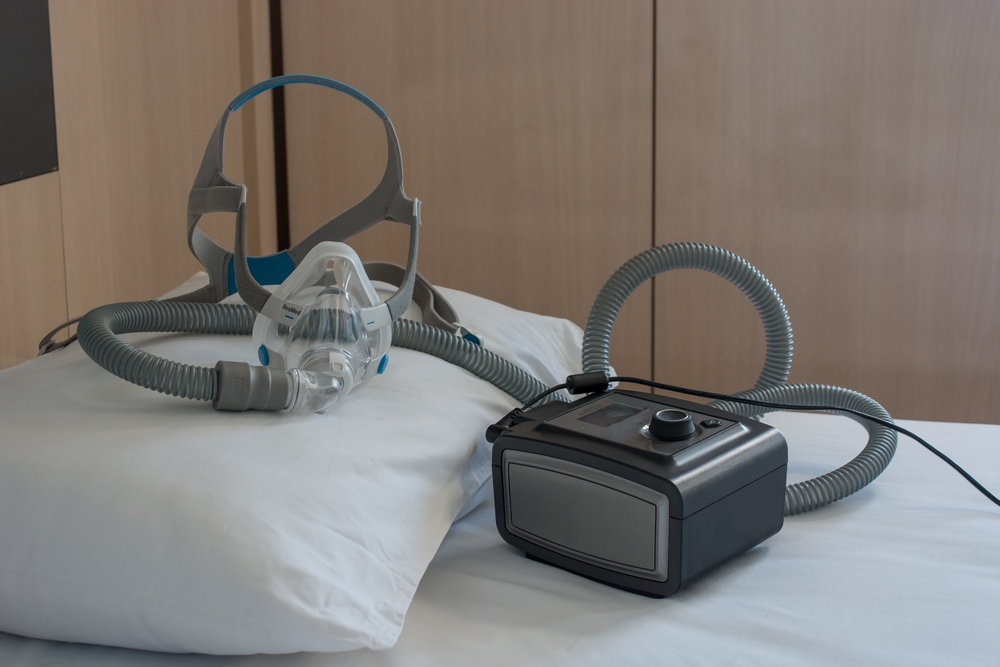
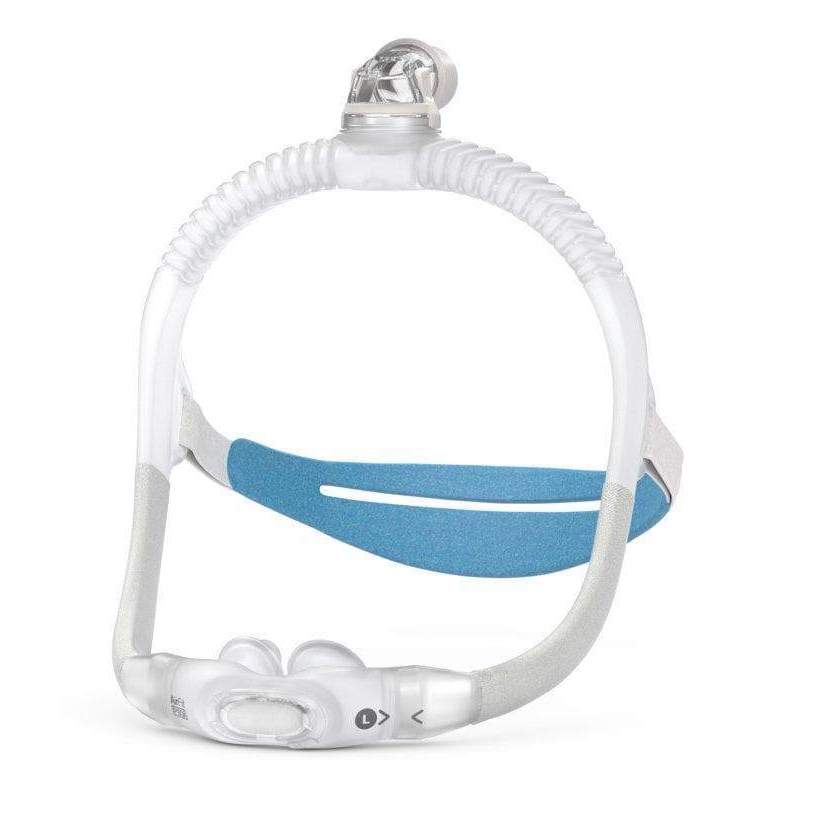
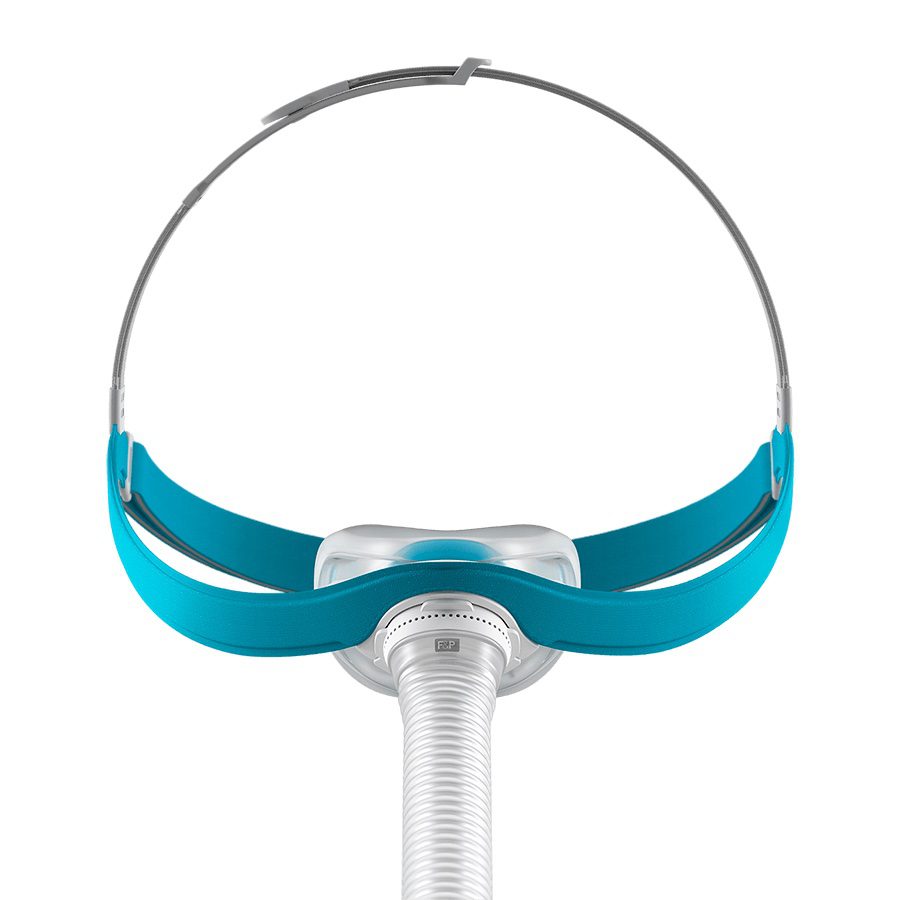
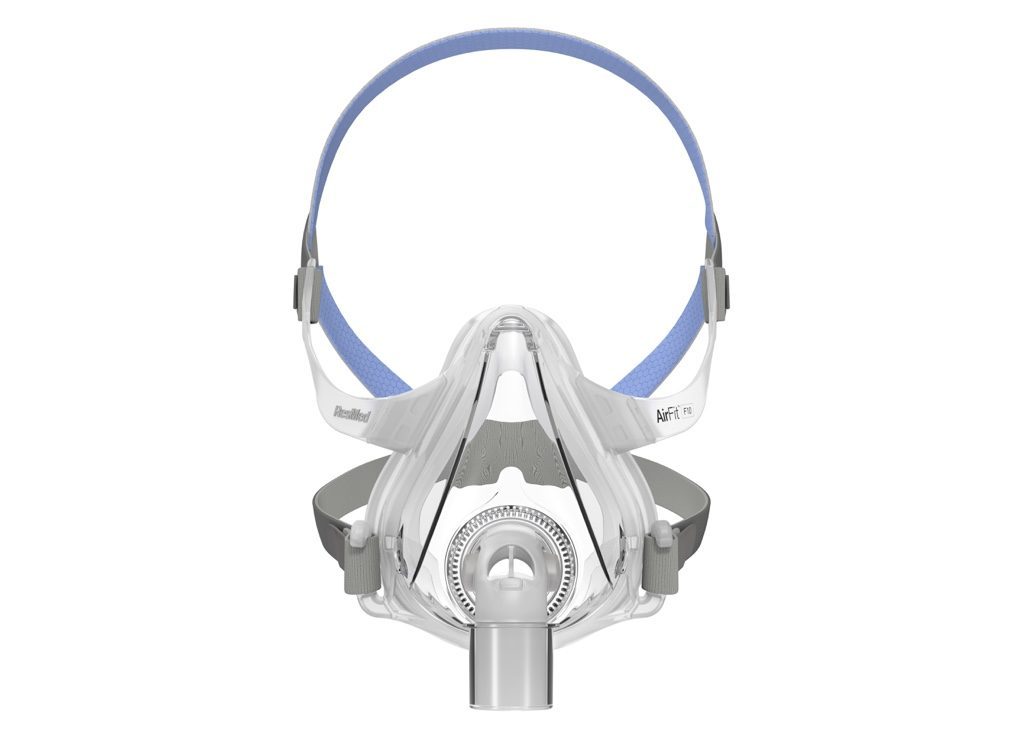
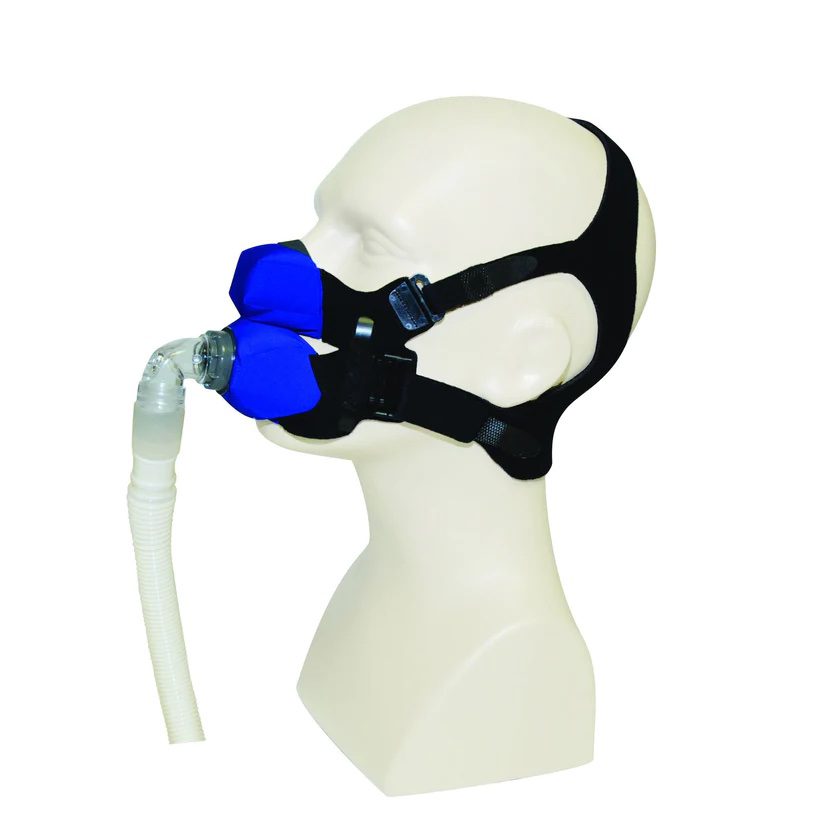
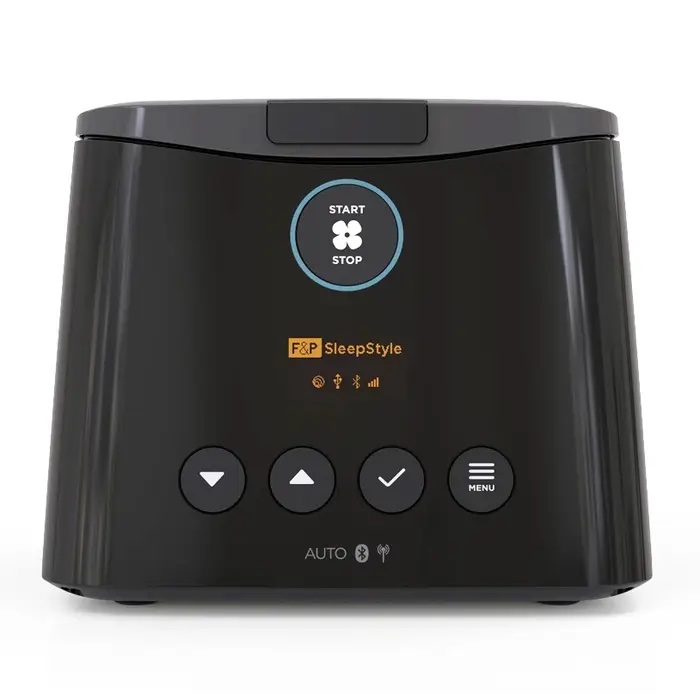
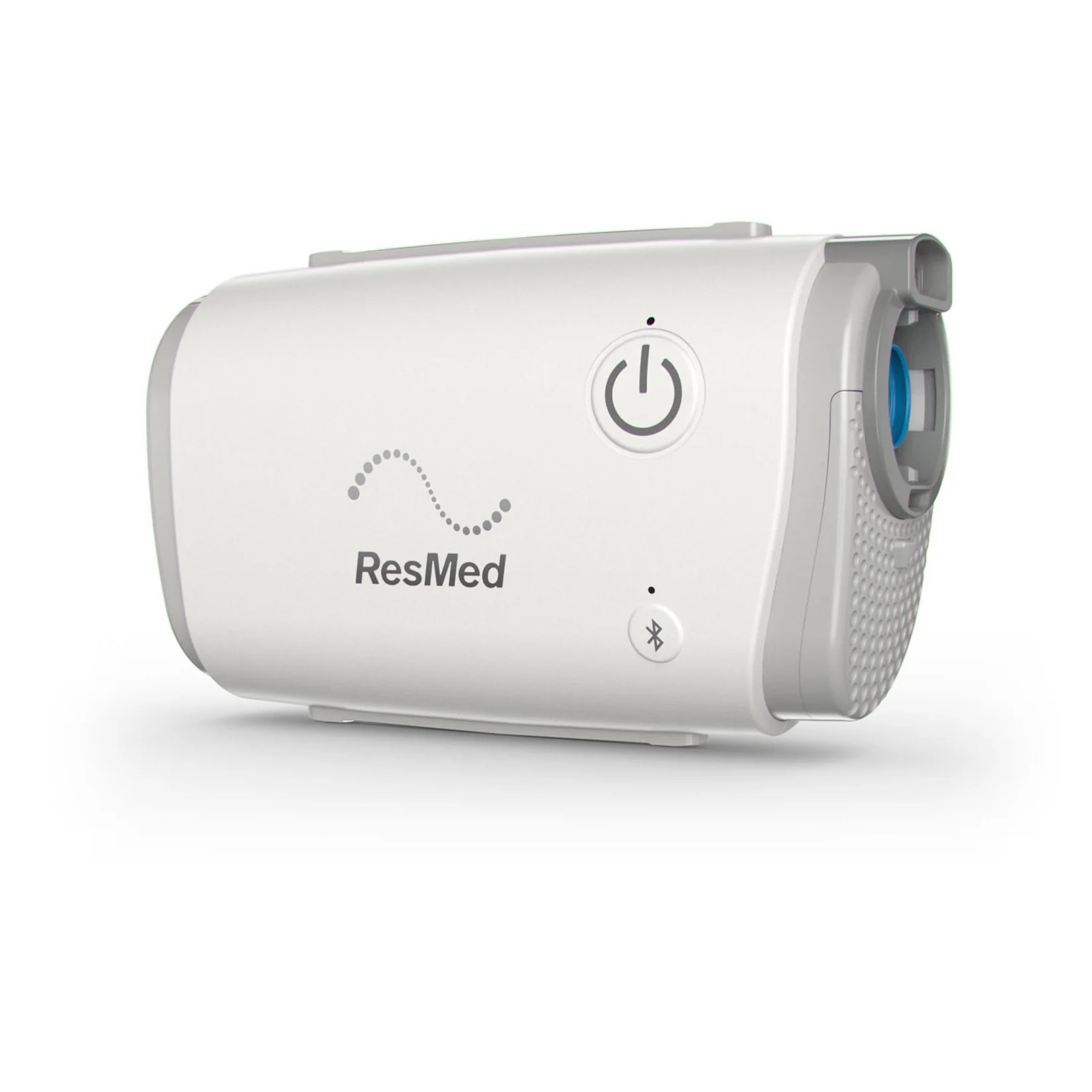
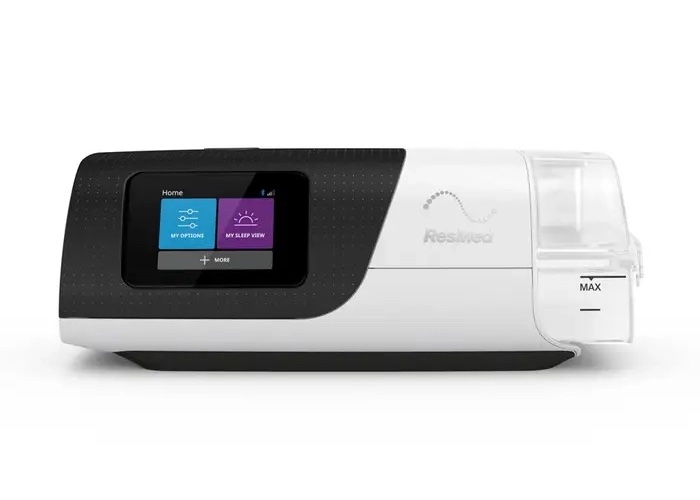
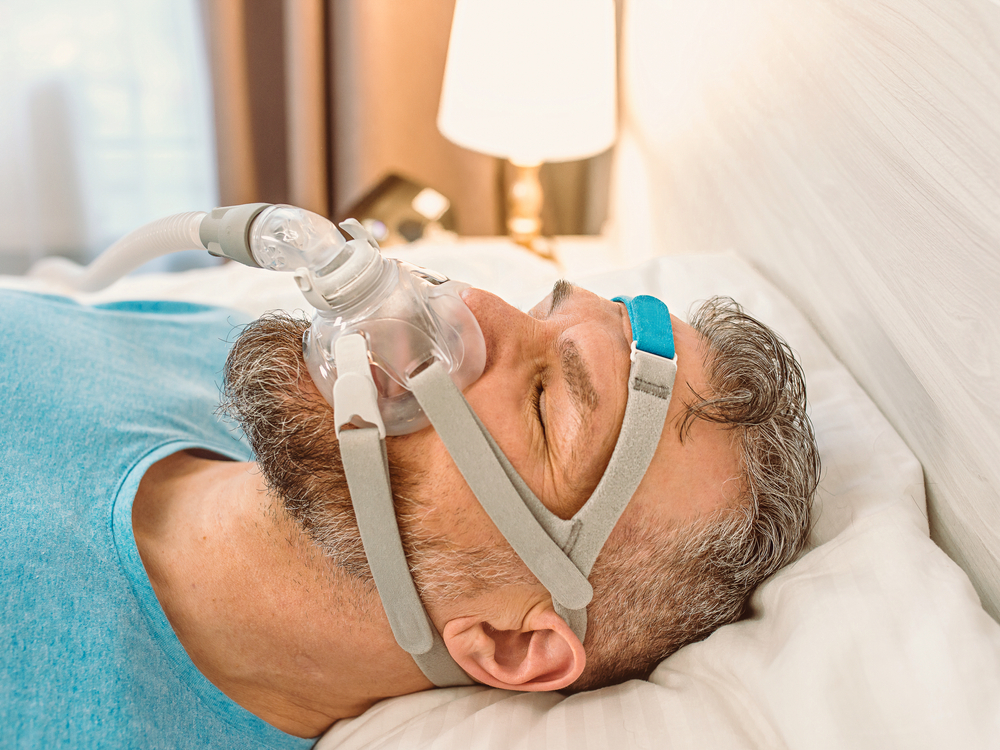
Some people with obstructive sleep apnea lack insurance coverage and must purchase a CPAP machine without health insurance. Others opt to not use their insurance policy to buy CPAP equipment for various reasons, such as wanting a travel CPAP machine model that isn't covered.
Buying equipment out of pocket gives you more control over machine type, accessories, and vendor choice, but costs vary widely. Learn how much CPAP accessories and a CPAP machine cost without insurance.
Need a CPAP Prescription? Start Here.
our partner at sleepdoctor.com
10% off Home Sleep Tests
Buy Now“Truly grateful for this home sleep test. Fair pricing and improved my sleep!”
Dawn G. – Verified Tester

Simple and convenient
- Equipment delivered to your doorstep
- One overnight test in the comfort of your own bed

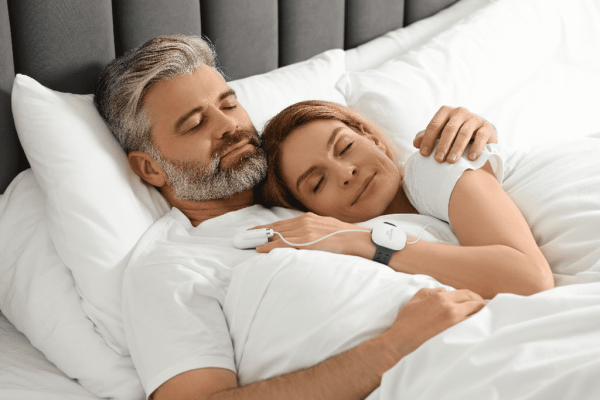
Uncover sleep apnea
- Quietly collects data while you sleep
- 98% effective in detecting sleep apnea

Affordable & ships fast
- Arrives in 2-4 business days
- In-lab sleep tests cost ~$3,000+ (this one’s $189), HSA/FSA eligible


CPAP Machine Cost Without Insurance
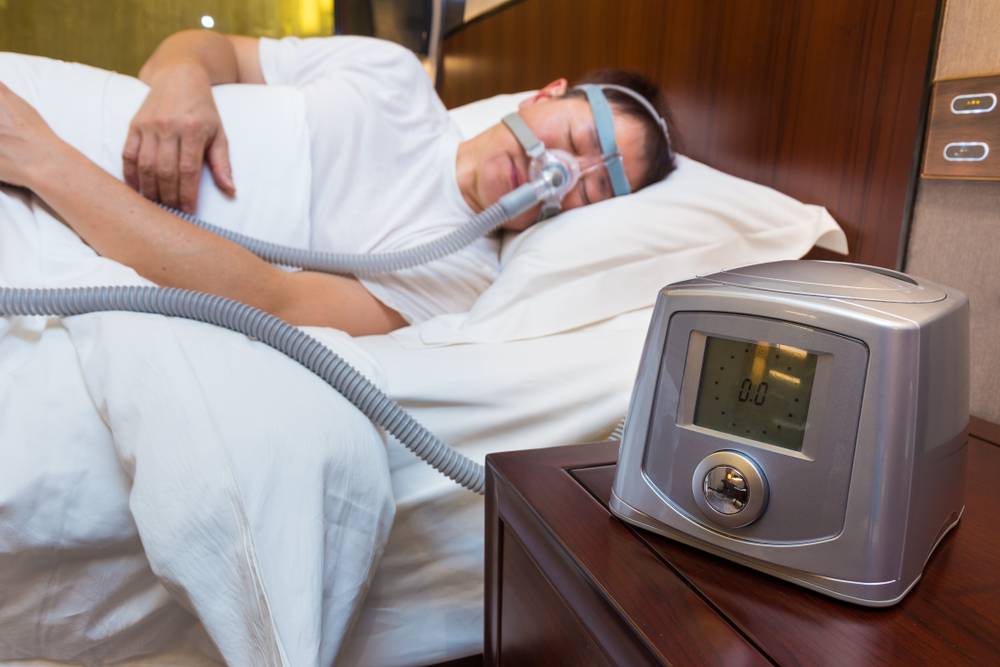
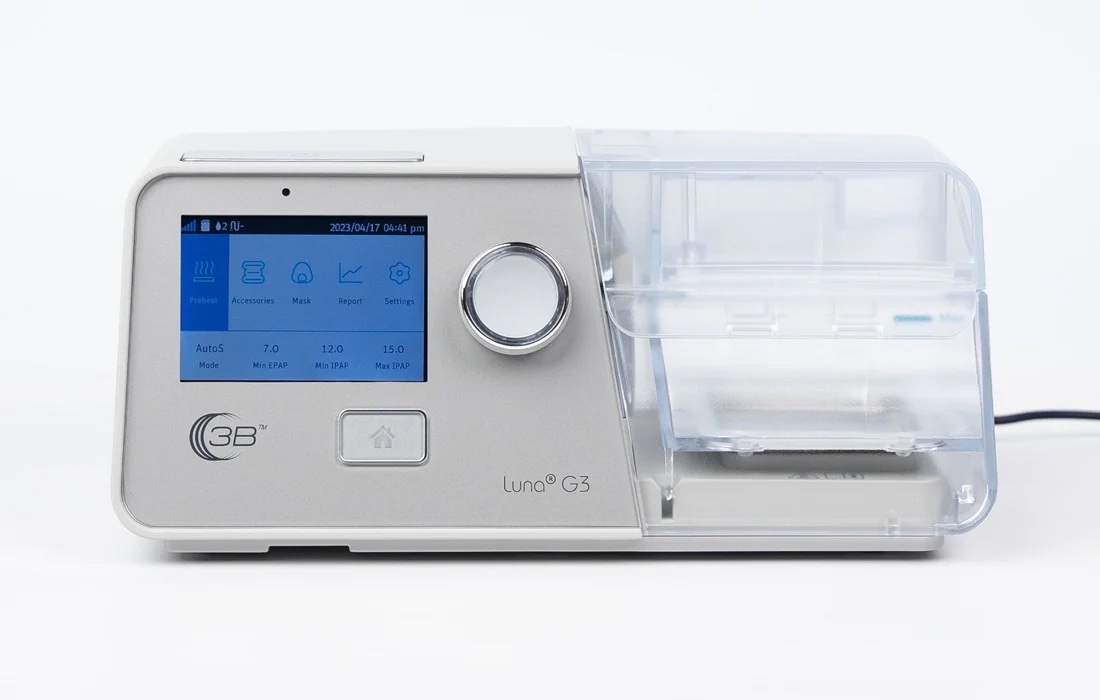
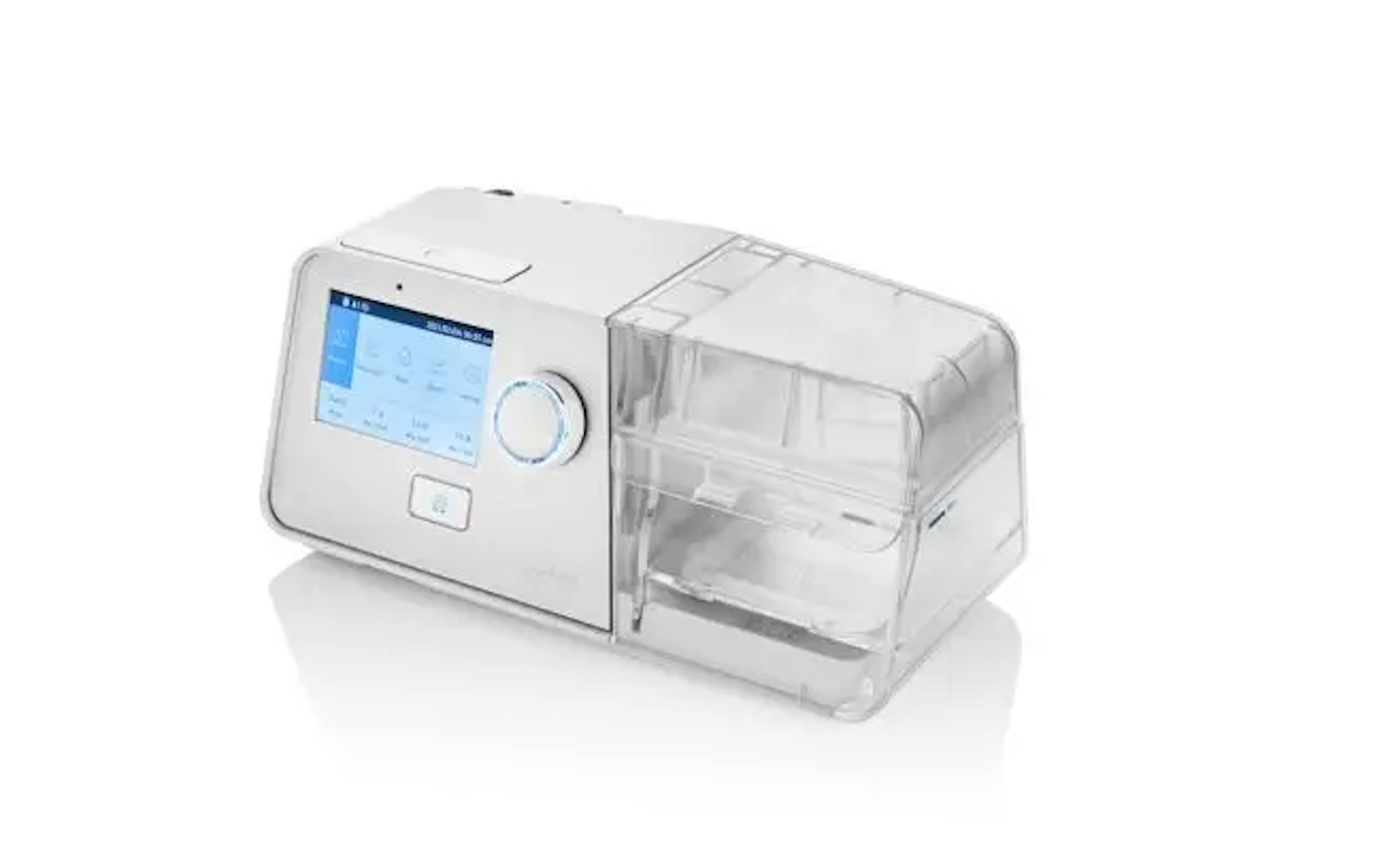
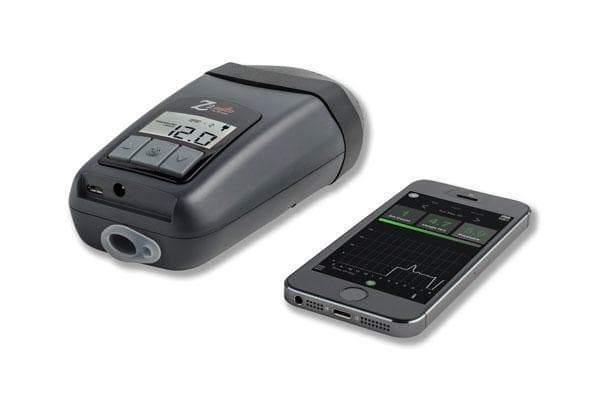
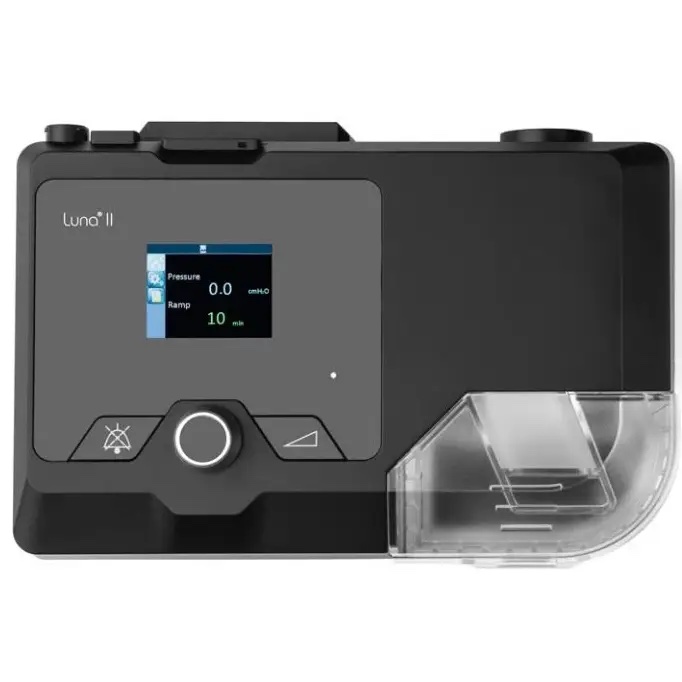
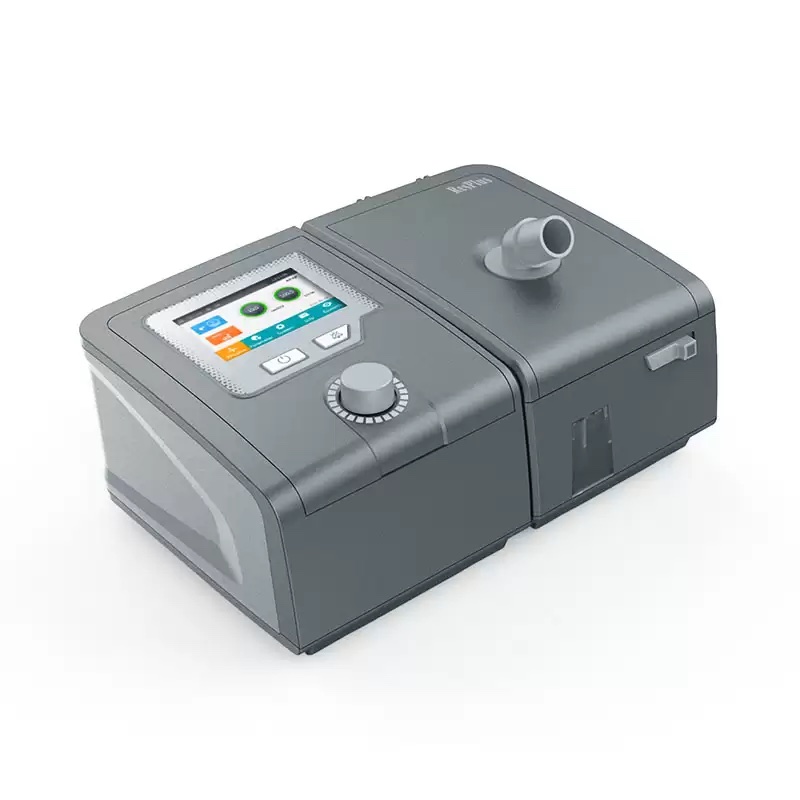
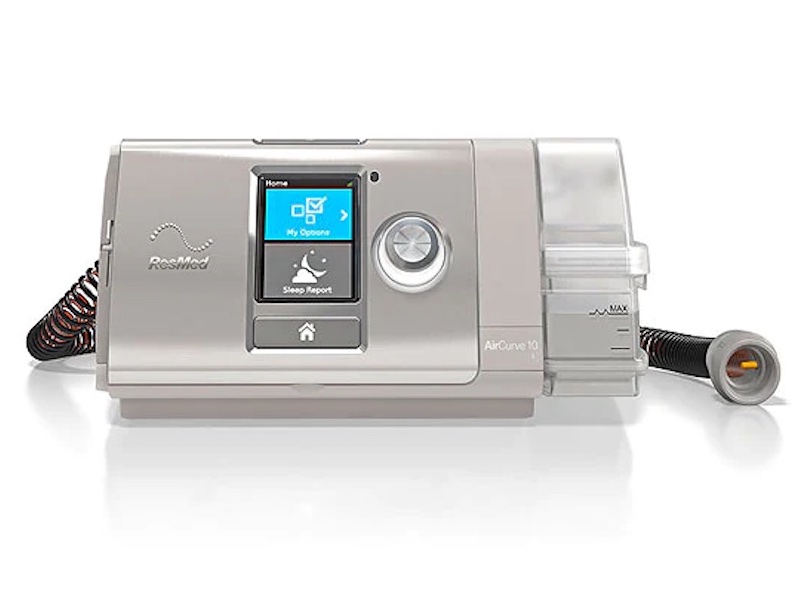
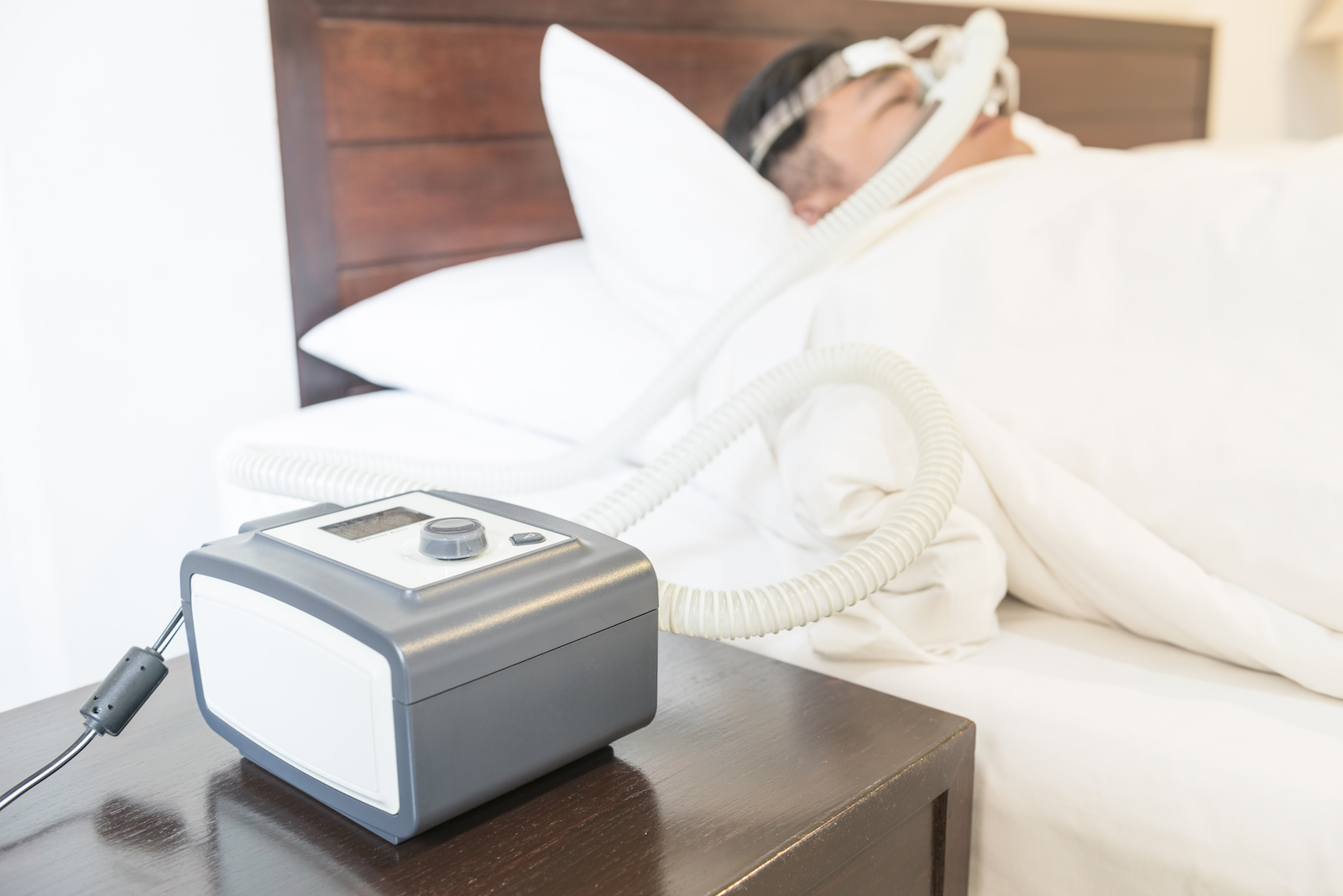
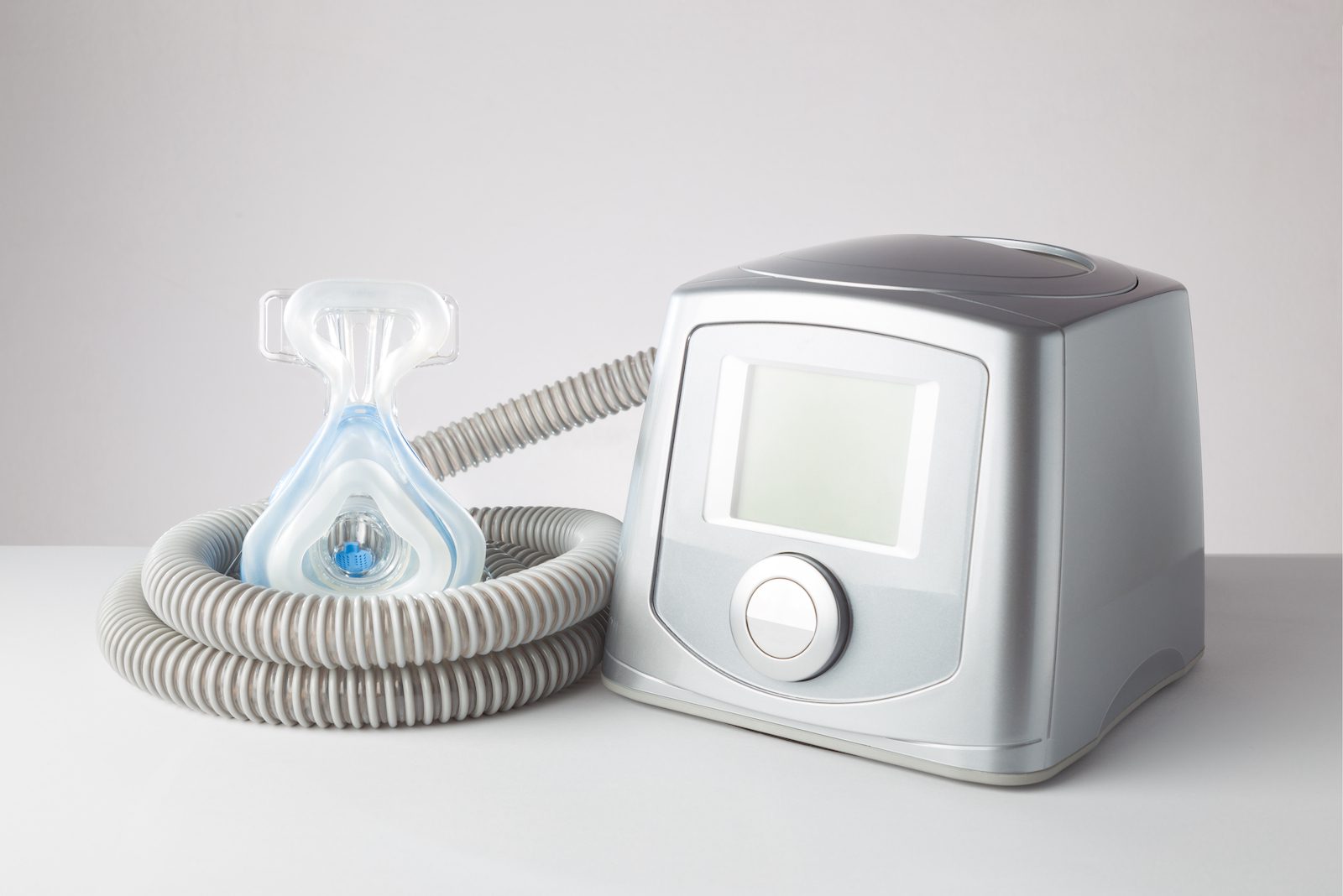
The full cost of a new CPAP machine without insurance coverage ranges from about $300 to $1,500, with most models priced between $500 and $1,000. Certified pre-owned and refurbished machines, which have been previously used and thoroughly cleaned, tend to cost between $200 and $900. Many sellers provide short warranties on refurbished units, often between three and twelve months.
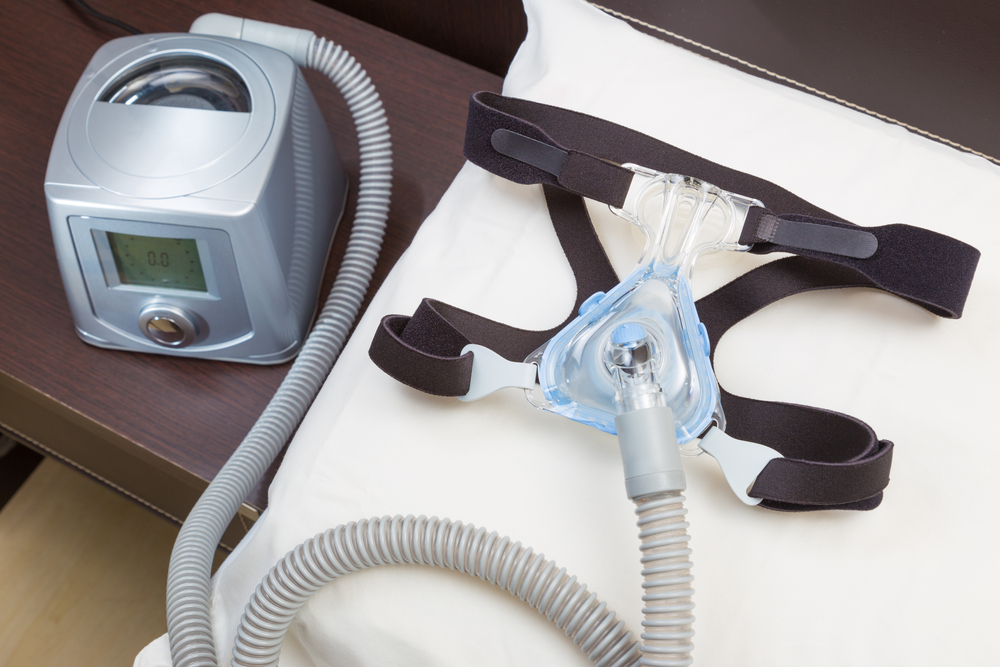
People sometimes use the term “CPAP” to refer to all PAP therapy devices, but technically, CPAP devices pressurize air at a fixed rate. Auto-CPAP (APAP) machines deliver air at an automatically adjusting rate. BiPAPmachines supply two pressure levels, a higher pressure when inhaling and a lower pressure when exhaling.
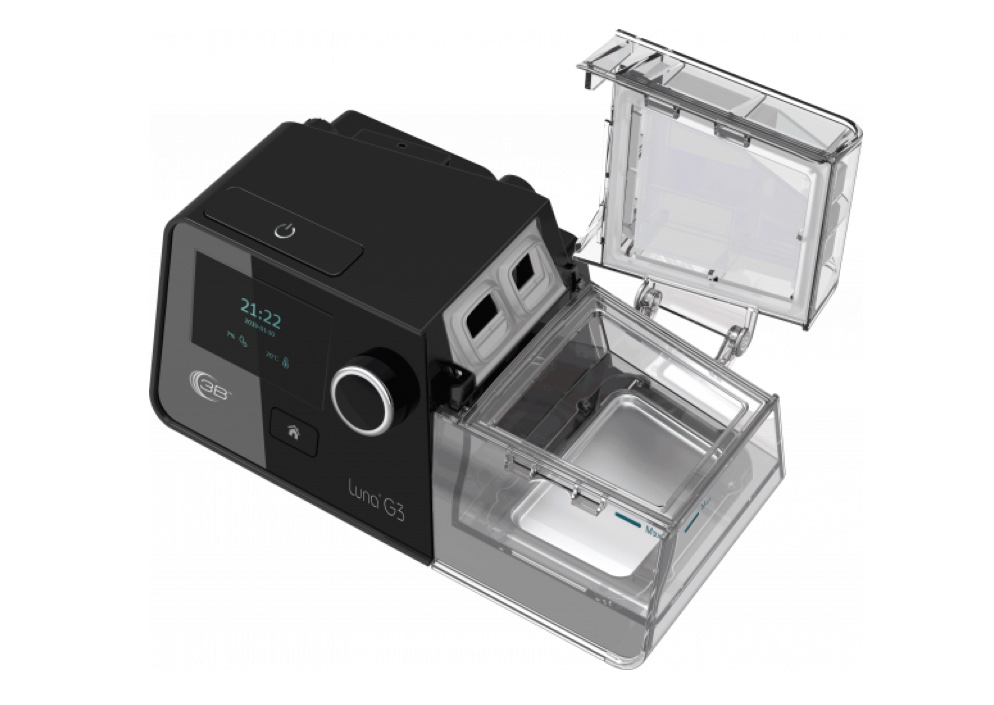
New APAP or CPAP machines generally fall between $400 and $1,600, with the average device priced around $1,000. New BiPAP machines are significantly more expensive than both CPAP and APAP devices. New BiPAP devices begin around $900 and can cost as much as $3,000. BiPAP is usually prescribed for people with more complex breathing disorders. Refurbished APAP and BiPAP devices are available at much lower prices.
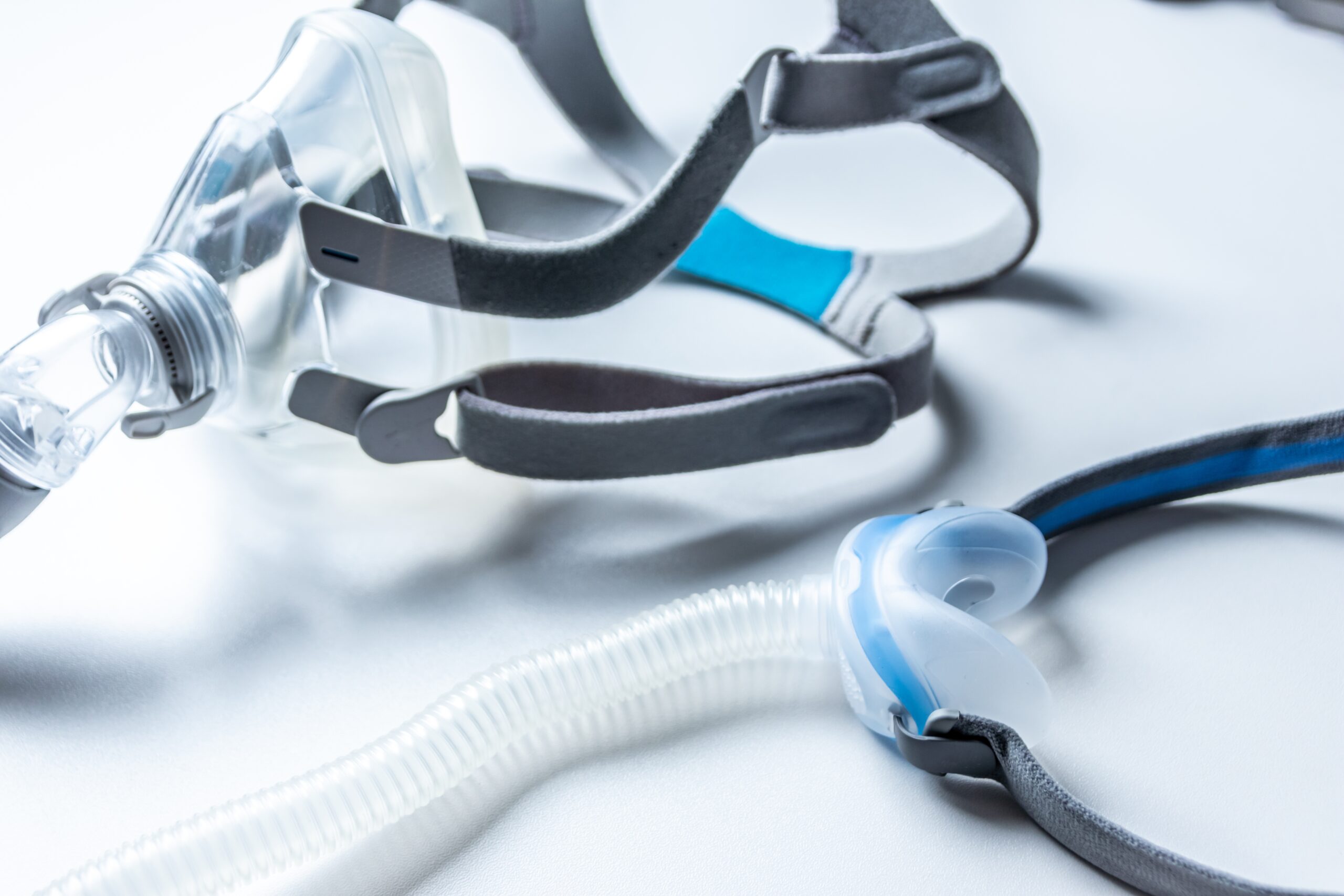
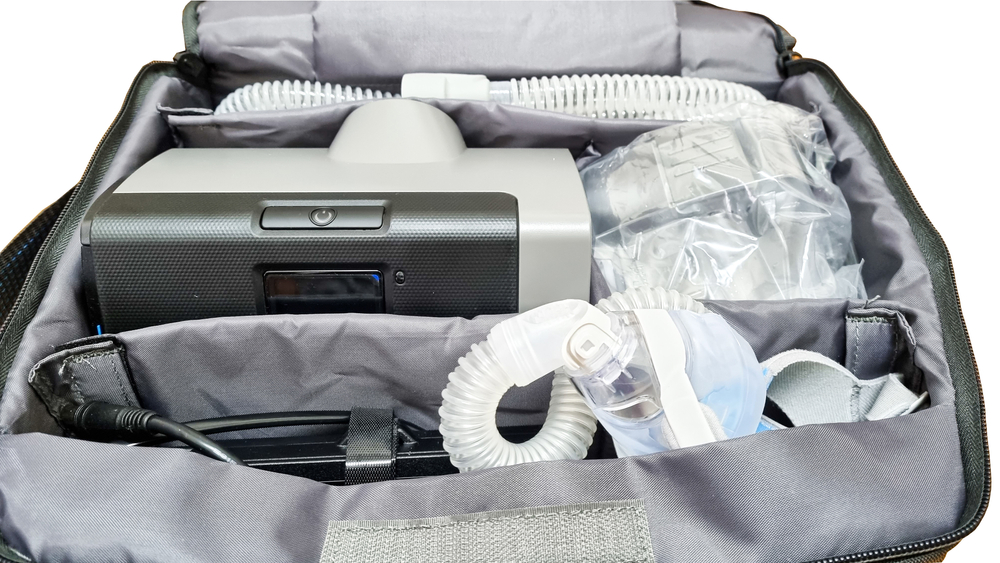
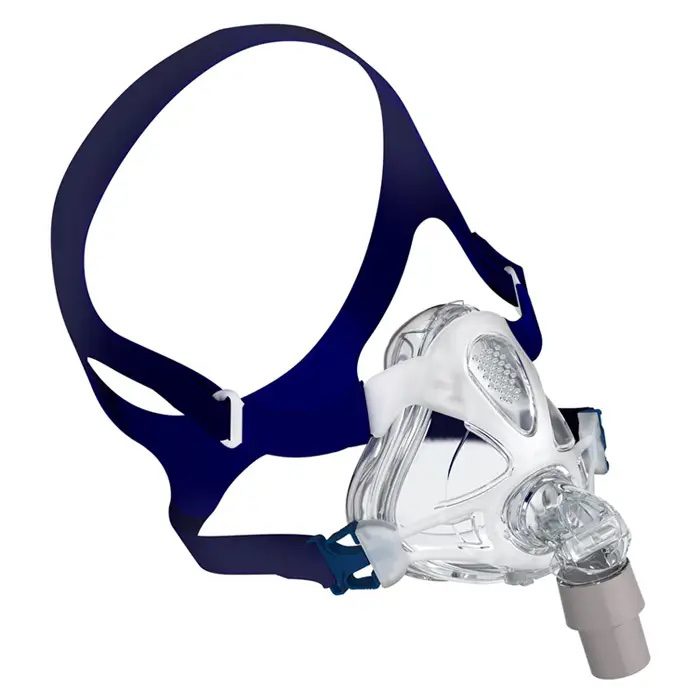
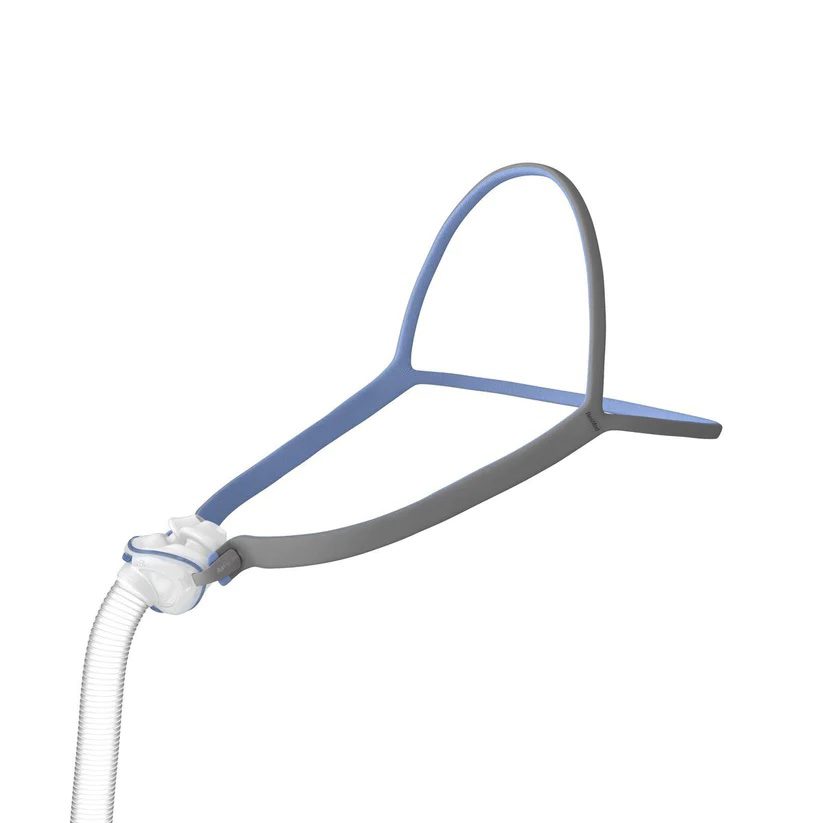
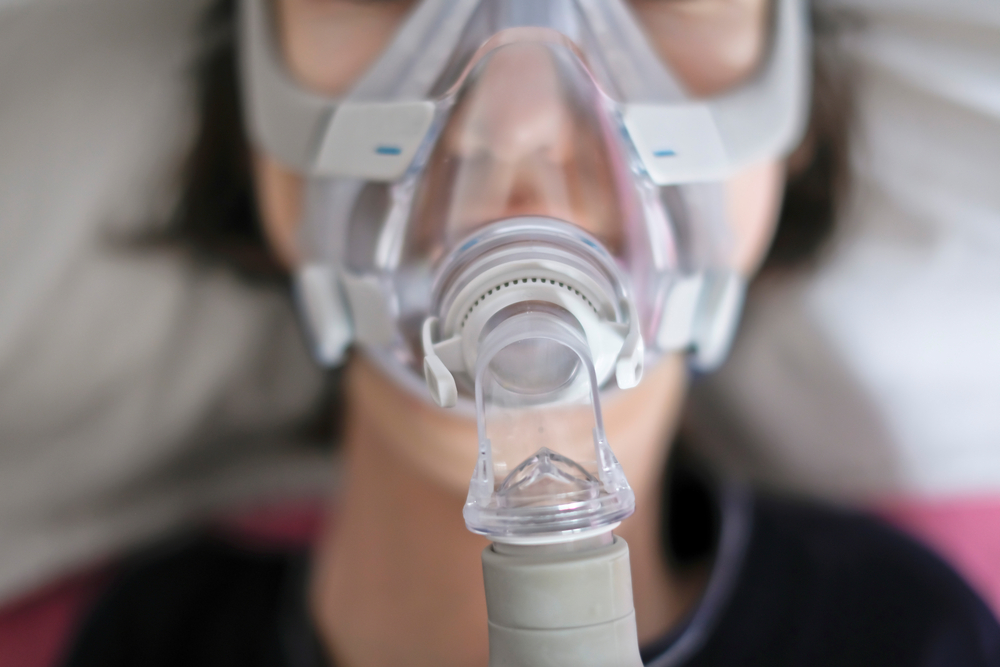
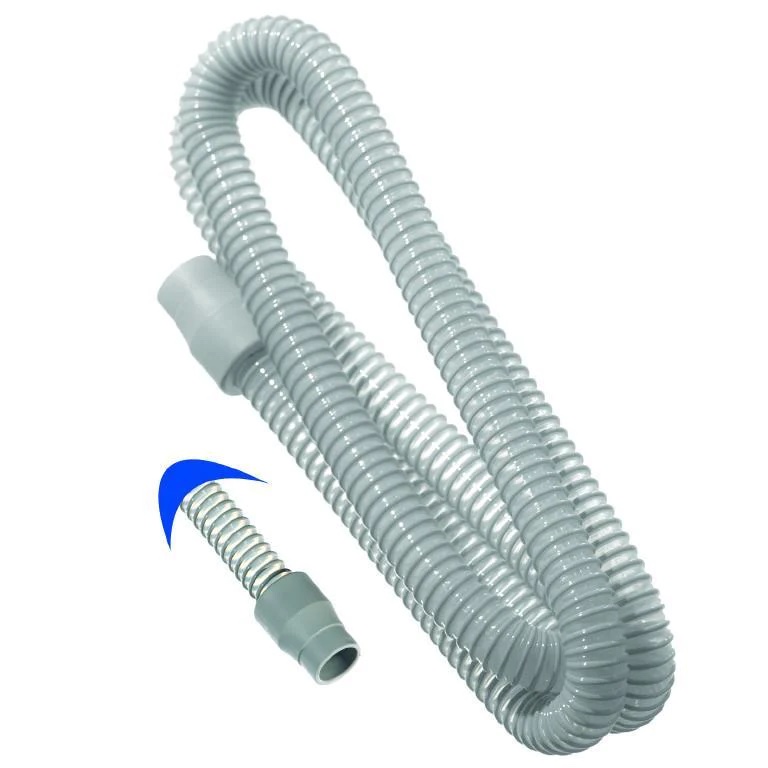
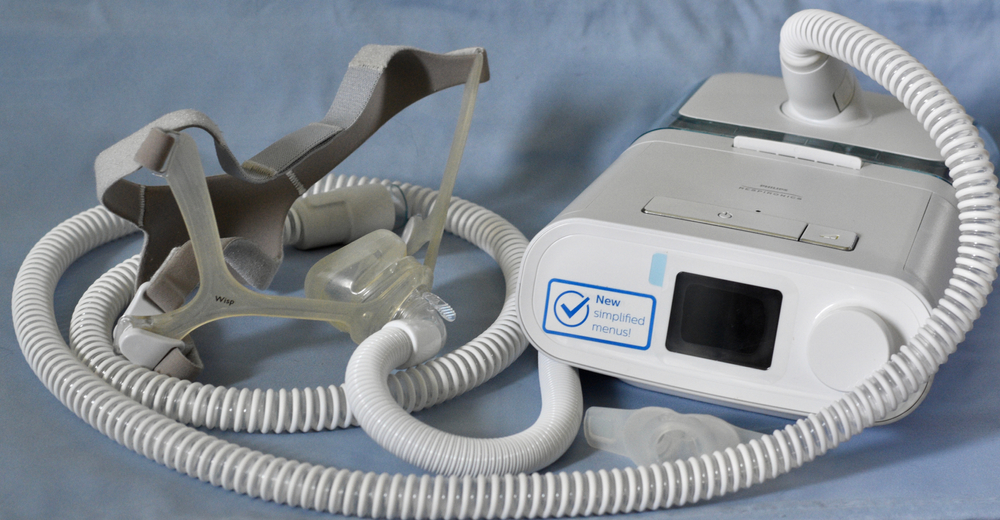
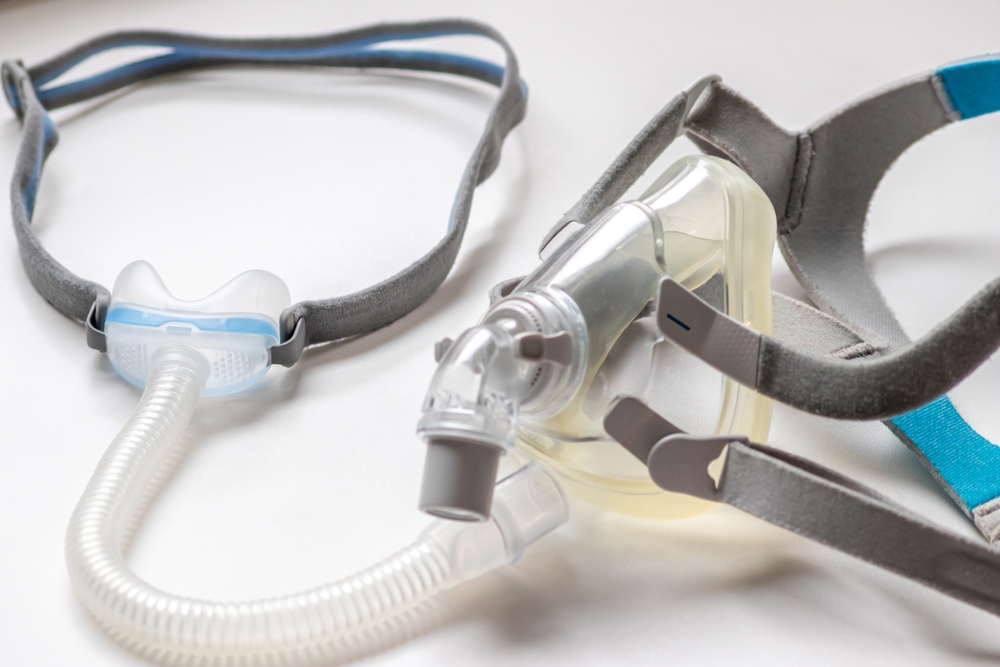
The full price of a new or refurbished PAP device usually includes some, but not all, accessories. For example, PAP machines often come with a humidifier water chamber, CPAP tubing, and an air filter. Masks are almost never included because sizing and fit vary. You will also need to purchase replacement supplies regularly to maintain hygiene and performance. Most CPAP machines also don't come with optional items like CPAP cleaning supplies.
Factors Affecting the Cost of a CPAP Machine
The full cost of a PAP machine varies due to multiple factors.
- Machine type: Fixed CPAP devices are generally the most affordable. APAP machines tend to cost more, and BiPAP machines cost the most, due to the advanced technology of these devices.
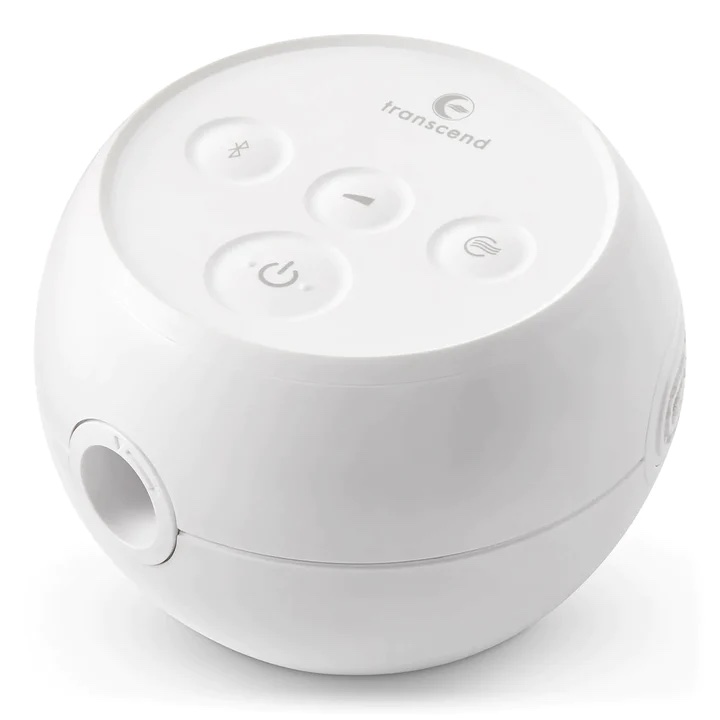
- Features and technology: Special features such as integrated humidifiers, heated tubing, Bluetooth connectivity or noise reduction increase the price of a PAP machine. Machines with advanced data tracking and smartphone apps also cost more.
- Brand and model: Some brands price higher because of product quality, brand reputation, and long warranties. Newly released models usually cost more than older models.
- Seller: Different vendors may sell the same PAP machines at different price-points. Common places to buy a PAP machine include brick-and-mortar medical supply stores, online PAP suppliers, and in-person sleep labs or clinics.
- Bundled supplies: Sometimes CPAP machines cost more because they are bundled with needed supplies like a mask and extra filters. These supplies increase the overall price of the machine, but tend to result in cost savings compared to buying the machine and supplies separately.
Cost of Additional CPAP Supplies
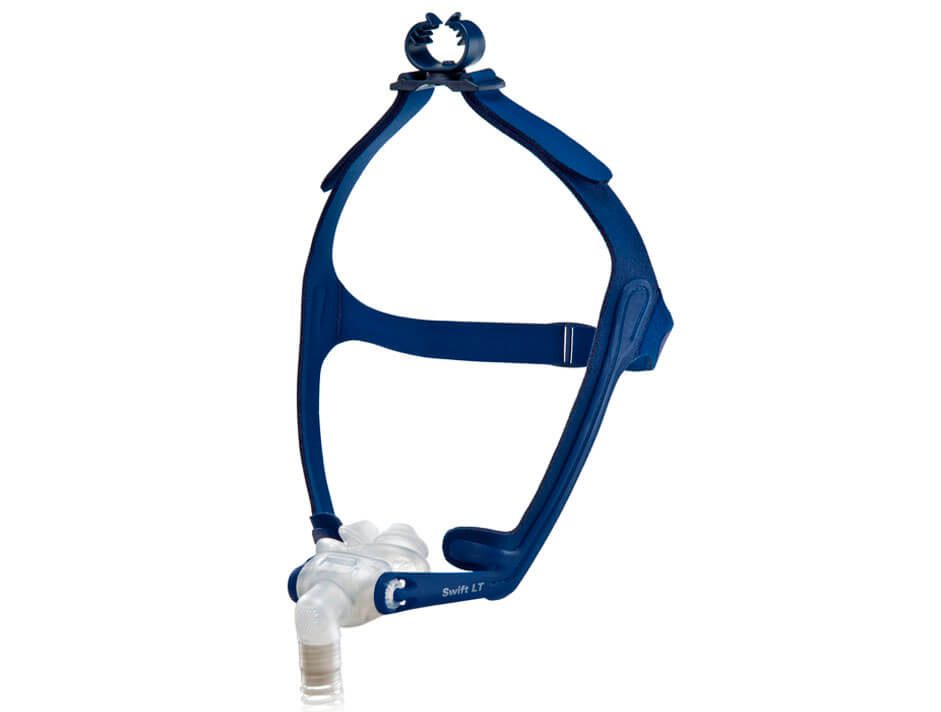
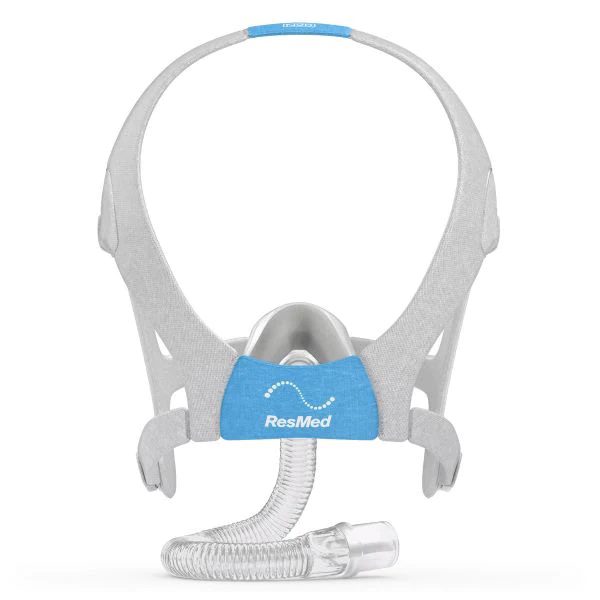
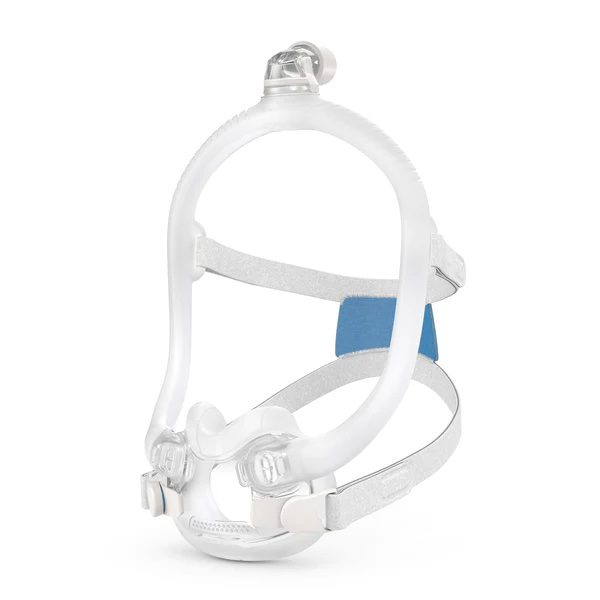
When buying a CPAP machine, the machine alone is not enough. You must purchase essential CPAP supplies, and there are optional accessories you might want to consider. Average prices for common CPAP supplies include:
| CPAP Component | Average Price |
|---|---|
| Mask frame, cushion, and headgear | $50 to $200 |
| Cushion or nasal pillow masks | $20 to $75 |
| Tubing | $5 to $50 |
| Disposable filters | $5 to $25 |
| Water chamber | $15 to $40 |
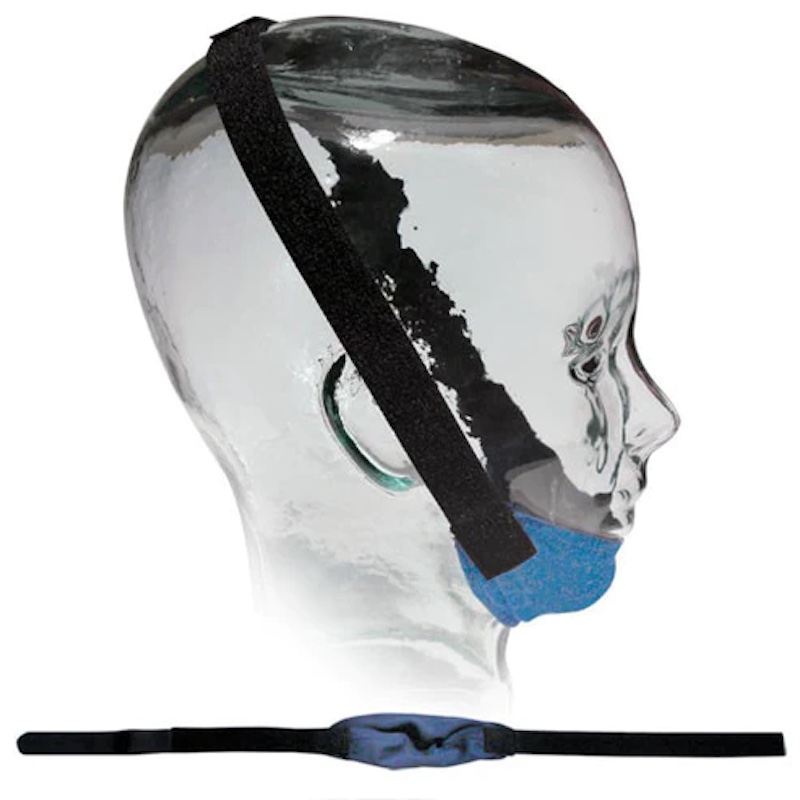
| Optional chin strap | $10 to $30 |
| CPAP cleaning supplies | $10 to $50 |
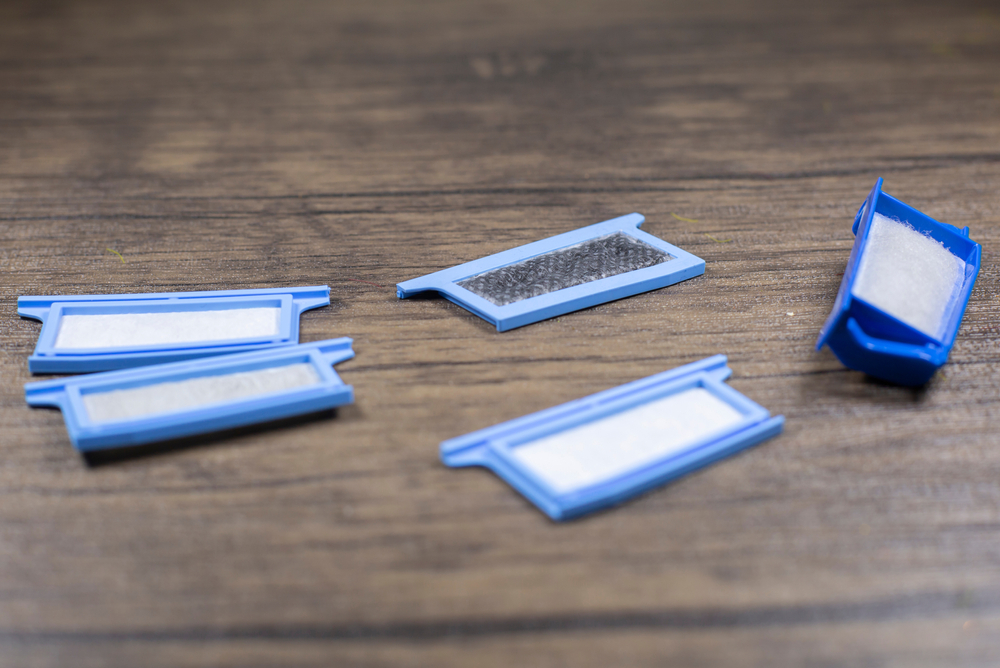
Keep in mind that you'll need to replace supplies on the schedule provided by your CPAP manufacturer. Mask cushions often require monthly replacement, filters every one to three months, and tubing every three to six months. Factoring these recurring costs into your budget prevents performance issues and reduces infection risk.
How to Save Money on a CPAP Machine
If you need to buy a CPAP machine without involving insurance companies, prices might seem a little steep. However, there are ways to save money on CPAP equipment even if you don’t have health insurance.
Buy a Refurbished CPAP Machines
Used and refurbished CPAP machines are sold at much lower prices than new machines. In some cases, the same CPAP machine model could cost half as much when purchased used. Many used and refurbished CPAP machines are in like-new condition. A doctor must still calibrate the pressure settings based on your sleep apnea diagnosis.
If you opt for a used or refurbished CPAP, make sure to purchase it through a legitimate company selling certified devices. These companies deep clean CPAP machines, replace worn parts, and verify function. Reputable sellers also include usage-hour disclosures so you know how heavily the machine was used.
Do not buy a used CPAP machine directly from a friend, family member, or online marketplace. Buying a used CPAP machine that hasn't been properly inspected or cleaned can be both unsanitary and dangerous.
Consider Rent-to-Own Options
Some online CPAP shops have rent-to-own options that allow you to pay a lower price upfront, when you receive the machine. Instead of paying for a CPAP device in full, you’ll make a monthly payment until the cost is paid off.
While the monthly payments might be easier initially, check the total cost. Some rent-to-own programs involve high-interest financing and hidden fees, which mean you end up paying more in the long run. Always review the full contact and compare the final price with purchasing outright.
Comparison Shop
If you’re working with a limited budget, compare prices across multiple sellers. Sometimes, the same CPAP device differs by hundreds of dollars depending on the vendor.
If you underwent a sleep study at an in-person sleep lab or clinic, ask staff if they sell CPAP equipment directly. If they do, ask if there are any coupon or rebate programs available. When CPAP shopping online, look for digital coupon codes and sales at the end of the year or on big shopping days like Black Friday.
Use FSA or HSA Funds
Because CPAP machines are considered durable medical equipment, you may pay for them with a health savings account (HSA) or flexible spending account (FSA). These payment methods don't impact the total cost of the CPAP machine, but they can save you money by allowing you to pay for healthcare-related costs using pre-tax income.
Look for Manufacturer Promotions or Bundles
Some CPAP manufacturers sell their machines directly to the public through their websites. Check these sites to compare prices with the devices sold in stores or online shops.
Manufacturers tend to lower the prices of older models when a new CPAP model comes out. They may also offer special, temporary promotions or sell machines with bundles of supplies, saving you money in the long-term.
Buy Supplies in Multi-Packs or Subscriptions
CPAP manufacturers aren't the only sellers that offer CPAP accessory deals and bundles. Many online CPAP retailers also offer lower prices if you buy multi-packs of accessories like nasal pillows or disposable air filters. They may also provide a discount when you sign up for a subscription, which can also help you maintain your CPAP supply replacement schedule.

How to Buy a CPAP Machine Without Insurance
The process of buying a CPAP machine without health insurance is very similar to buying a CPAP machine with insurance coverage, but there are some differences.
CPAP Prescription
Once you've received an obstructive sleep apnea diagnosis, you must obtain a prescription for CPAP equipment from a sleep specialist. The prescription must also include your pressure settings or specify that the machine should auto adjust. People without a prescription cannot buy a CPAP machine because the U.S. Food & Drug Administration (FDA) classifies it as durable medical equipment.
Where to Buy a CPAP Machine Without Insurance
Once you have your CPAP prescription, you can look into buying a CPAP machine a few different places.
- An online CPAP shop
- A brick-and-mortar medical equipment store
- An in-person sleep lab or clinic
- A CPAP manufacturer's website
Keep in mind that you’ll need a valid doctor’s prescription to purchase a CPAP machine from all of these types of vendors.
Buying a CPAP out of Pocket vs. Through Insurance
There are pros and cons to buying a CPAP machine out of pocket rather than through health insurance.
Pros of Paying out of Pocket
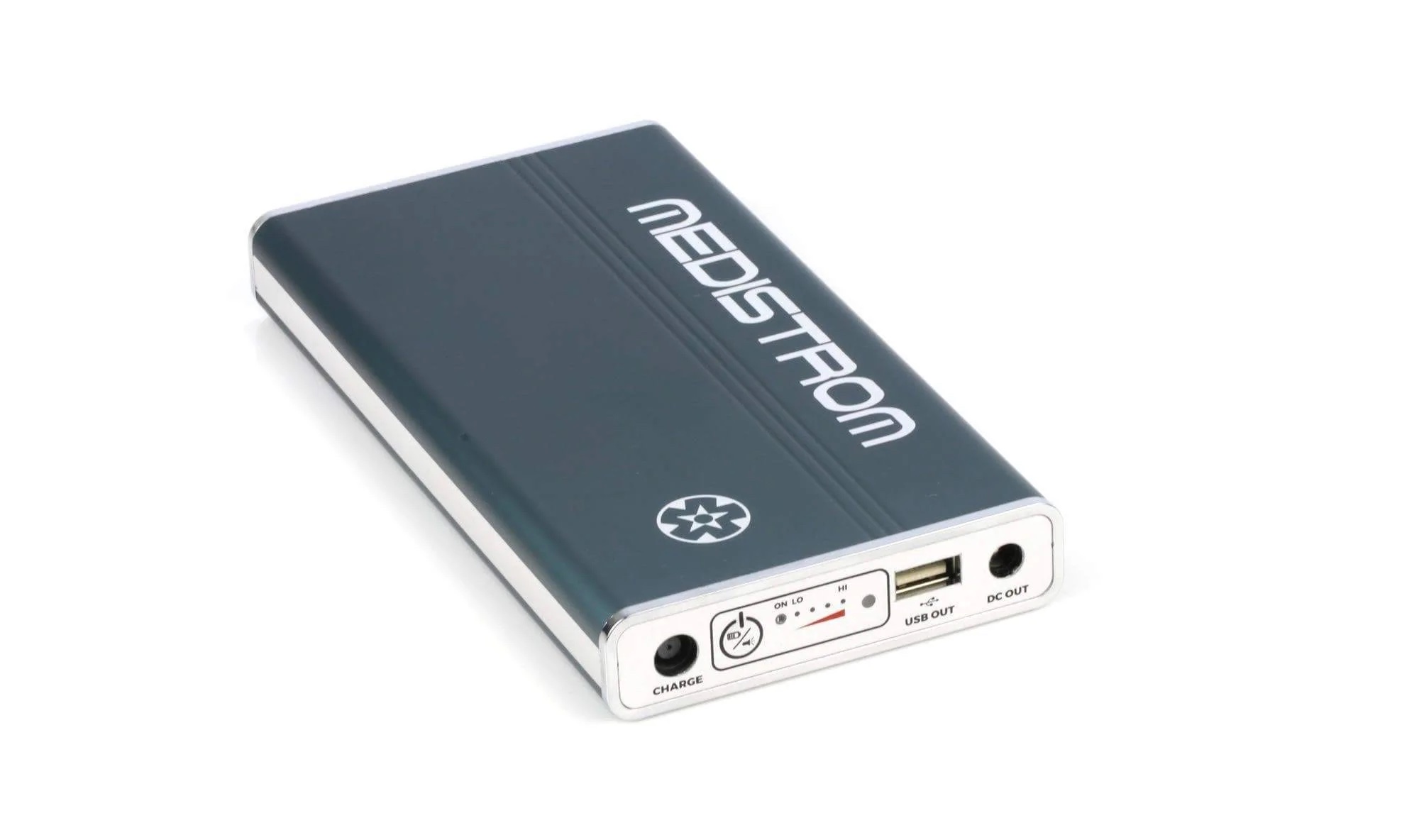
A major benefit of buying a CPAP machine without insurance is that there are no limitations on which machine you can purchase, or which seller you can purchase it from. Insurance providers may limit where you can shop and which models are covered. You also avoid mandatory compliance monitoring, which some insurers require to continue coverage. Travel CPAP machines, which insurance rarely covers, become an option.
Pros of Going Through Insurance
The biggest benefit of buying a CPAP machine using insurance is the total out-of-pocket cost is significantly lower because the insurance company helps pay. Many insurance companies also spread your payments out over 13 months, so you can pay lower individual payments instead of one lump sum. Some plans also include free replacement supplies on a fixed schedule, which reduces ongoing expenses.
Have a question for our experts? Submit it to the Sleep Doctor Forum.
Written by
Jay Vera Summer, Contributing WriterJay Vera Summer is a writer, editor, and wellness coach. She holds a Bachelor's of Science in psychology and Master's degrees in both writing and public policy. As a wellness coach, she's certified by the Mayo Clinic and the National Board for Health and Wellness Coaching (NBHWC). She's been writing about sleep and other health topics for six years. Previously, she taught undergraduate writing courses for five years at the University of South Florida.

Reviewed by
Lulu Guo, MD, Medical ReviewerDr. Lulu Guo is a graduate of the prestigious Medical Scholars program at Michigan State University and was admitted into medical school at the age of seventeen after completing undergraduate studies in two years. She is double board-certified in Family and Sleep Medicine.