At a Glance
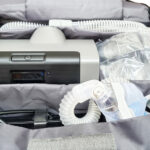
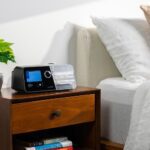
Yes, you need a prescription to buy a CPAP machine in the United States. Because CPAP devices are considered Class II medical devices by the FDA, a doctor must evaluate your sleep apnea with a sleep study and write a prescription before you can purchase one. This ensures you get the correct pressure settings, mask type, and equipment for safe and effective treatment.
If you’ve been diagnosed with sleep apnea or suspect you may need CPAP therapy, you might be wondering whether you can simply buy a CPAP machine online or if a prescription is required. Unlike many other sleep products, CPAP machines are considered medical devices and are regulated accordingly.
Understanding when a prescription is needed — and how to get one — can help you take the next steps toward effective treatment.
Need a CPAP Prescription? Start Here

our partner at sleepdoctor.com
10% off Home Sleep Tests
Buy Now“Truly grateful for this home sleep test. Fair pricing and improved my sleep!”
Dawn G. – Verified Tester

Simple and convenient
- Equipment delivered to your doorstep
- One overnight test in the comfort of your own bed

Uncover sleep apnea
- Quietly collects data while you sleep
- 98% effective in detecting sleep apnea

Affordable & ships fast
- Arrives in 2-4 business days
- In-lab sleep tests cost ~$3,000+ (this one’s $189), HSA/FSA eligible


Why Do You Need a Prescription for a CPAP Machine?
Sleep apnea is a medical condition that requires evaluation and proper management. Like most medical treatments, you need a prescription to get a CPAP device. These machines, as well as CPAP masks and humidifiers, are tailored for your specific needs. Only a doctor familiar with your history can prescribe the appropriate machine settings.
The U.S. Food and Drug Administration classifies medical devices based on their potential risks. CPAP devices are classified as Class II, or moderate to high risk. Class II medical devices require less regulation than Class III devices but still need a prescription to rent or purchase.
Doctors consider the severity of sleep apnea, your comfort and CPAP tolerance, and pre-existing health conditions before prescribing CPAP. They also provide guidance on how to use the CPAP machine correctly and effectively, including mask fitting, maintenance, and CPAP system troubleshooting.
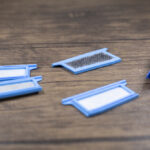
Most insurance policies and durable medical equipment suppliers require a prescription to validate your need for the device. For that reason, having a prescription enables insurance coverage or reimbursement for the CPAP machine and supplies, though accessories such as water chambers, tubing, chin straps, and filters can be purchased without a prescription.
How Do You Get a Prescription for a CPAP Machine?
Getting a CPAP prescription starts with confirming whether you have sleep apnea and then working with a qualified health care provider to determine the right treatment. The process may look different depending on whether you already have a diagnosis or are starting from scratch, but in either case a doctor must evaluate your needs before issuing a prescription.
Already Diagnosed With Sleep Apnea
If you’ve already been diagnosed with sleep apnea, the process of getting a CPAP prescription is usually pretty straightforward. You’ll need to provide documentation of your diagnosis to your health care provider, who can then write a prescription for CPAP therapy. In many cases, your sleep specialist or primary care doctor can issue this directly, especially if they have access to your sleep study results.
If your diagnosis was made some time ago, your doctor may recommend a follow-up appointment or updated sleep study to ensure your therapy settings are accurate. Once your prescription is written, you can use it to purchase a CPAP machine, mask, and related supplies through a durable medical equipment (DME) provider, sleep clinic, or accredited online retailer.
Not Yet Diagnosed With Sleep Apnea
If you believe you may have sleep apnea but don't have an official diagnosis, it's important to talk to a healthcare provider who can discuss your symptoms, order tests, and prescribe CPAP therapy if necessary. However, only the following healthcare providers can write prescriptions:
- Primary care physicians (MDs and DOs)
- Sleep specialists
- Pulmonologists
- Neurologists (when sleep apnea is related to brain or nervous system conditions)
- Nurse practitioners (NPs) and physician assistants (PAs) under physician supervision
1. Health History and Physical Exam
To diagnose sleep apnea, a qualified provider will first look at your medical history and sleep patterns, and identify patterns of sleep-disordered breathing. During a physical exam, your doctor will evaluate your overall health, as well as more specific indicators of sleep apnea and its causes.
- High blood pressure: Although less common than snoring or sleepiness, an increase in blood pressure could indicate complications of untreated sleep apnea.
- Increased weight: Having obesity is a risk factor for developing obstructive sleep apnea. Your provider may track your weight and note increases in your neck or waist size that could contribute to airway blockage.
- Airway obstructions: Your doctor will look for features in your mouth and nose that could cause a partial blockage. A large tongue, narrow palate, small jaw, or swollen tonsils and adenoids can make breathing more difficult when lying down.
- Infection: Particularly in infants, infection and inflammation of the nose and throat might obstruct airflow.
2. Sleep Study
Once your doctor has completed an evaluation, the next step in diagnosing sleep apnea is a sleep study. This test is performed overnight either in a dedicated sleep lab or at-home with a monitoring device.
Sleep studies are used to assess the quality of your sleep and any overnight breathing disruptions. Equipment is attached to your head, face, neck, chest, fingers, and legs. While you sleep, devices monitor your heart and brain activity, breathing effort, snoring, oxygen levels, and muscle movements.
In a sleep lab setting, a technologist will be nearby to record your sleeping activity and monitor your vital signs. Home sleep apnea testing, on the other hand, does not require a sleep technician and can be completed with portable equipment. Once testing is complete, a sleep specialist will interpret the results to determine the type and severity of sleep apnea.
3. CPAP Prescription
A valid CPAP prescription must include specific details so that suppliers know what equipment and settings are required. While requirements can vary slightly, most prescriptions include:
- Patient information: full name and date of birth
- Diagnosis: confirmation of obstructive sleep apnea (OSA) or another sleep disorder, along with the ICD (International Classification of Diseases) code
- Therapy type: CPAP, APAP, or BiPAP, depending on your needs
- Pressure settings: prescribed pressure level (for CPAP) or pressure ranges (for APAP/BiPAP)
- Device specifications: any special features needed, such as a heated humidifier
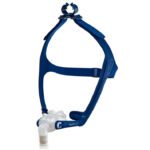
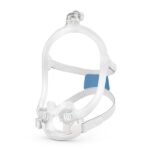
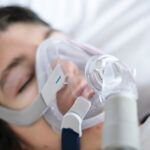
- Mask type: full-face, nasal, or nasal pillow mask, if specified by the provider
- Duration of use: often written as “lifetime need” or a set period (e.g., 12 months)
- Prescriber details: Doctor’s name, signature, and licensing information

Where Do You Buy a CPAP Machine?
You can buy or rent a CPAP machine from a variety of retailers, so long as you have a valid prescription and the supplier is fully authorized to sell medical equipment.
- Online: Many online retailers offer convenient shipping and return policies. However, they may not be the best option if you need more information about the quality, materials, and fit of a product.
- Directly from manufacturers: CPAP manufacturers occasionally provide direct-to-consumer options, potentially cutting down on the price charged to you or your insurance plan.
- Brick-and-mortar stores: A salesperson at a physical location can offer insight into specific models and give you the opportunity to test the equipment in-person before buying.
- Sleep clinics: Some sleep clinics offer in-house supplies, so you can get your prescription and CPAP device in one location.
Frequently Asked Questions
In most cases, a CPAP prescription is written as a “lifetime” prescription, meaning it does not expire and can be used to purchase machines and supplies as long as your therapy continues. However, some providers may set a specific duration, such as one year, so it’s always best to confirm with your doctor or equipment supplier.
CPAP masks, along with the machine and humidifier, are considered Class II medical devices by the FDA and require a prescription. The good news is that most CPAP prescriptions cover both the machine and masks, so you typically don’t need separate paperwork—unless your provider specifies otherwise.
You should avoid borrowing a CPAP device or purchasing a unit from an unauthorized reseller. CPAP machines and certain supplies require a prescription to ensure their safety and effectiveness.
Because your CPAP settings are individualized, borrowing or purchasing a used machine means you are receiving a device that is not set-up for your unique needs. Likewise, it is difficult to know how well second hand CPAP units were cleaned and maintained. Old or unclean equipment can lead to skin or respiratory infections.

Still have questions?
Sleep apnea products can be confusing. If you need individualized assistance, post your question to the Sleep Doctor forum.

Written by
Audra Sarver, MHS, PA-C, Contributing WriterAudra is a licensed, certified physician assistant and freelance health writer. She has specialized in psychiatry since completing her clinical training in 2018. Her passion for writing was born from the desire to make complex medical information more accessible and understandable to patients and their loved ones. Audra likes to write about all things related to behavioral health and physical wellness.

Reviewed by
Gerard J. Meskill, MD, FAASM, Medical ReviewerDr. Gerard J. Meskill is a neurologist and sleep medicine physician specializing in the diagnosis and treatment of sleep disorders, including narcolepsy, obstructive sleep apnea, and insomnia. He is board-certified in both neurology and sleep medicine and has extensive experience helping patients manage complex sleep conditions and disorders of excessive daytime sleepiness.