At a Glance
CPAP pressure settings determine how much pressurized air your machine delivers to keep your airway open during sleep. These settings are usually prescribed after a sleep study or titration test and typically fall within a range of about 4 to 20 cm H2O, with many people needing around 8 to 10 cm H2O to prevent breathing interruptions without causing discomfort.
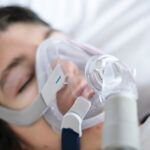
Finding the right CPAP pressure is key to getting the full benefits of your sleep apnea treatment. Continuous positive airway pressure (CPAP) machines work by delivering a steady stream of air through a mask to keep your airway open while you sleep.
The air pressure is measured in centimeters of water pressure (cm H2O), and the ideal setting varies from person to person, depending on the severity of their sleep apnea, their breathing patterns, and even their sleeping position. In this article, we’ll break down what pressure settings mean, how they’re prescribed, and how to tell if your current setting is working for you.
Need a CPAP Prescription? Start Here.

our partner at sleepdoctor.com
10% off Home Sleep Tests
Buy Now“Truly grateful for this home sleep test. Fair pricing and improved my sleep!”
Dawn G. – Verified Tester

Simple and convenient
- Equipment delivered to your doorstep
- One overnight test in the comfort of your own bed

Uncover sleep apnea
- Quietly collects data while you sleep
- 98% effective in detecting sleep apnea

Affordable & ships fast
- Arrives in 2-4 business days
- In-lab sleep tests cost ~$3,000+ (this one’s $189), HSA/FSA eligible


How CPAP Pressure Settings Are Determined
Your CPAP pressure level should be tailored to your specific needs. The traditional — and most accurate — way of establishing CPAP pressure settings is by trying out different pressure levels during an overnight sleep study in a specialized sleep lab.
CPAP Titration
The process of determining the right pressure level is known as CPAP titration, and the goal of titration is to find the minimal level of pressure required to fully treat obstructive sleep apnea (OSA). CPAP titration sometimes happens during the same sleep study that can determine whether you have sleep apnea. In other cases, you may have to return to the sleep lab for a second overnight study.
During CPAP titration, you use a CPAP device while sleeping in the laboratory. At first, the pressure level is set very low. A technician then monitors your breathing and gradually increases the pressure until breathing disruptions are resolved. Your prescribed pressure level depends on the severity of your symptoms, the type of CPAP mask you use, and a range of other factors.
One of the key metrics used during titration is the apnea-hypopnea index (AHI), which measures the number of breathing interruptions per hour of sleep. The goal is to find a pressure setting that reduces your AHI to fewer than five events per hour, which is considered effective treatment.
A CPAP’s pressure level is a numeric value measured in centimeters of water (cm H2O). Many CPAP machines can operate at pressures ranging from 4 to 20 cm H2O. While there is considerable variation between individuals, the average CPAP setting is between 8 and 10 cm H2O.
APAP Device
In some cases, CPAP pressure levels can be determined at home using an auto-adjusting positive airway pressure (APAP) device. APAP machines detect breathing interruptions and automatically increase or decrease air pressure as needed. People with moderate or severe OSA without other respiratory conditions may be presented with this option.
Based on data collected by the device, it may automatically change pressure levels, or your doctor may suggest an update to the settings. In certain instances, the data may indicate a need to return to the sleep lab for another CPAP titration.
Factors That Affect CPAP Pressure Settings
There's no standard CPAP pressure level that works for everyone. Instead, multiple factors influence the proper pressure level.
- Sleep apnea severity: The CPAP settings are calibrated to resolve all breathing disruptions, so pressure levels must be established to match the severity of sleep apnea.
- Mask type: Not all masks can be used to deliver the same amount of pressure, so the kind of mask you use may impact pressure settings. Pressure levels may also need to be adjusted to account for air that leaks out from your mouth or from around your mask.
- Body weight: Having obesity can exacerbate breathing disruptions during sleep, and pressure levels may need to be modified in response to changes in body weight.
- Sleeping position: Sleeping on your back can worsen OSA, and a person’s sleep position may influence how much air leaks out from around the mask. CPAP pressure is usually configured to eliminate breathing disruptions in every sleeping position.
- Facial anatomy: Pressure levels may need to account for certain aspects of facial anatomy that can impact breathing during sleep and how effectively air from a CPAP can be delivered.
- Use of sedatives or alcohol: Substances that have a sedative effect, including alcohol, may contribute to disrupted breathing. Regular evening use of alcohol or sedatives may require a higher CPAP pressure to adequately treat obstructive sleep apnea.
- Nasal congestion: When the nasal passageways are congested or irritated, it can create added resistance to the stream of air from the CPAP, and air pressure levels may have to be adjusted as a result.
- Altitude: Air pressure is directly affected by altitude, so a CPAP’s pressure may need to be modified based on the location where it's being used. For most devices, though, the settings allow users to automatically make altitude-related adjustments.
Because so many different factors can play a role in finding the proper CPAP settings, it's important to always work with your health care team if you have concerns about CPAP pressure or are interested in making an adjustment to the pressure level.

How to Know if Your CPAP Pressure Is Correct
Setting the proper pressure level on your CPAP machine is important for increasing the effectiveness of treatment for obstructive sleep apnea. It's also important for reducing side effects from CPAP therapy. There are potential downsides to CPAP pressure that is too high or too low.
Signs Your CPAP Pressure Is Too High
The higher the CPAP pressure level, the more forceful the flow of air will feel when you breathe in or out. CPAP pressure that's too high can cause multiple unwanted effects.
- Discomfort: Some people experience difficulty when exhaling against higher CPAP air pressure levels, which can make using the CPAP uncomfortable.
- Nasal irritation and congestion: The stream of pressurized air can irritate the inside of the nose and increase nasal congestion. Being congested can make it harder to breathe normally, which may affect CPAP usage.
- Dryness of the nose or mouth: High-pressure airflow through the mask may dry out the inside of the nose or mouth. Most CPAPs now have a built-in humidifier to try to reduce this drying effect.
- Bloating and gas: When using a CPAP, some people swallow pressurized air, which may lead to feeling bloated or gassy.
- Eye irritation: Higher pressure can cause more air to leak out from around an ill-fitting mask. If this occurs, the air may reach the eye and cause dryness or irritation.
These types of side effects of excess air pressure may pose a challenge to sticking with CPAP therapy, which can prevent this treatment from addressing the symptoms of sleep apnea.
CPAP pressures that are too high can also lead to a type of central sleep apnea called complex sleep apnea. If you have concerns about your CPAP pressure being too high, talk with your doctor.
Signs Your CPAP Pressure Is Too Low
If CPAP pressure is too low, then using the device may not effectively keep the upper airway open during sleep. In this situation, the symptoms of obstructive sleep apnea may continue despite consistent CPAP use. These symptoms can include:
- Frequent and loud snoring
- Gasping, choking, or lapses in breathing
- Waking up unrefreshed
- Daytime sleepiness
- Morning headaches
If CPAP pressure is too low to resolve breathing disruptions during sleep, then there may also be risks of health complications from obstructive sleep apnea such as high blood pressure and other cardiovascular problems.
How to Set CPAP Pressure
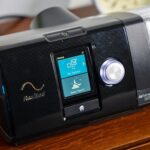
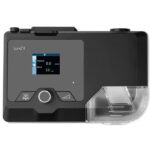
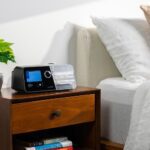
When you receive a CPAP device, it will usually be pre-programmed to the pressure level recommended by your healthcare team. You can view the pressure level on the machine’s screen, but you should avoid making any changes to the settings without first consulting with your doctor.
Remember that your CPAP’s pressure has been set in accordance with your specific needs and the severity of your sleep apnea. Making modifications without the guidance of your health care team could interfere with the effectiveness of CPAP therapy.
If you believe that your pressure settings needs adjustment, your doctor may be able to suggest changes and guide you through changing your CPAP machine’s settings. Examples of two changes that may be available on CPAP machines are pressure ramp and pressure relief.
- Pressure ramp: This setting allows for a slow buildup of pressure over a period of around 5 to 45 minutes. The goal of the pressure ramp is to allow you to fall asleep before the highest pressure level sets in.
- Pressure relief: The pressure relief setting enables a small reduction in air pressure when you exhale, which may make breathing more comfortable. However, pressure relief settings aren't standard, so it’s important to consult with a doctor to ensure that pressure relief is properly set up on your device.
APAP Pressure Settings
While a CPAP machine provides a fixed level of air pressure, an auto-adjusting positive airway pressure (APAP) device uses sensors to monitor your breathing and then automatically adjusts the pressure level to resolve breathing disruptions. APAP is now the most common way to treat obstructive sleep apnea in the U.S.
An APAP device is also sometimes called an auto-titrating PAP because the device itself can find the necessary air pressure level to keep your breathing uninterrupted. In this way, an APAP machine can avoid the need to do CPAP titration in a sleep lab.
When you receive an APAP machine, it's frequently set to a pressure range, such as 5 to 20 cm H2O, and the pressure moves up or down within that range as needed. Sometimes the initial settings will be based on your sleep study. Depending on your circumstances and the data recorded by the APAP device, the doctor can suggest changes to the pressure range.
When to Get Your CPAP Pressure Settings Adjusted
While your health care team will work to make your initial CPAP pressure settings as effective as possible, there are times when the pressure level may need to be changed.
In some cases, your doctor will suggest making an adjustment to your CPAP based on their assessment of how well CPAP treatment is working. This may involve reviewing data collected by your CPAP or APAP device that indicates how often you are using it and the frequency of any breathing disruptions during sleep.
You should also talk to your doctor if you notice any issues that may suggest a pressure adjustment is needed, including:
- Discomfort that affects your ability to consistently use your CPAP
- Side effects from CPAP use
- Persistent sleep apnea symptoms like snoring or daytime sleepiness
- Air leaks or a mask with a poor fit
- An increase or decrease in body weight
- Changes in evening alcohol consumption
- Changes to daily medications, especially any sedatives
These issues may not always require a change in pressure levels. Sometimes other steps may be available to troubleshoot CPAP problems and make it easier and more comfortable for you to use your device as intended.
In some situations, your doctor may ask you to do another overnight sleep study in order to more accurately assess your breathing and find the right pressure level.
If it's necessary to change your device’s pressure settings, your health care team will either make those changes for you or provide direct assistance so that you can update the settings on the machine yourself.
Frequently Asked Questions
Your ideal CPAP pressure is determined through a sleep study and CPAP titration conducted by a healthcare provider. They will determine the lowest level that effectively eliminates breathing disruptions during sleep. For most people, this falls between 4 and 20 cm H2O, with an average around 8 to 10 cm H2O.
Changing CPAP pressure settings yourself is not illegal, but it is not recommended without guidance from a healthcare provider. Adjusting the pressure incorrectly can make treatment less effective or cause discomfort, so it’s best to consult a sleep specialist before making any changes to your prescribed settings.
CPAP users often refer to their “score” as the apnea-hypopnea index (AHI), which reflects the number of breathing interruptions per hour. A normal CPAP score is an AHI of less than 5, which indicates effective treatment of sleep apnea. Many CPAP machines also give additional scores — like usage hours, mask fit, and leak rates — to help track therapy effectiveness.
Yes, many modern CPAP machines with wireless connectivity allow your sleep doctor or equipment provider to adjust your pressure settings remotely. This makes it easier to fine-tune your therapy based on your nightly data without requiring an in-person visit.
Medical Disclaimer: This content is for informational purposes and does not constitute medical advice. Please consult a health care provider prior to starting a new treatment or making changes to your treatment plan.

Written by
Audra Sarver, MHS, PA-C, Contributing WriterAudra is a licensed, certified physician assistant and freelance health writer. She has specialized in psychiatry since completing her clinical training in 2018. Her passion for writing was born from the desire to make complex medical information more accessible and understandable to patients and their loved ones. Audra likes to write about all things related to behavioral health and physical wellness.

Reviewed by
Gerard J. Meskill, MD, FAASM, Medical ReviewerDr. Gerard J. Meskill is a neurologist and sleep medicine physician specializing in the diagnosis and treatment of sleep disorders, including narcolepsy, obstructive sleep apnea, and insomnia. He is board-certified in both neurology and sleep medicine and has extensive experience helping patients manage complex sleep conditions and disorders of excessive daytime sleepiness.