At a Glance
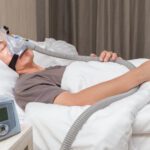
CPAP filters are small components inside the machine that trap dust, pollen, pet dander, and other airborne particles before the air reaches your airway. Cleaning or replacing these filters regularly helps maintain clean airflow and ensures the CPAP machine works properly throughout the night.
CPAP filters play an important role in keeping the air you breathe clean and your machine running smoothly. These small but essential components trap dust, pollen, pet dander, and other airborne particles before they enter your device, helping protect both your lungs and the machine’s motor.
Regularly replacing or cleaning your filters not only improves air quality but also ensures your CPAP system delivers consistent, reliable pressure throughout the night. Below, we'll cover the different types of CPAP filters, their replacement schedules, and strategies for selecting the right models.
Our Top Picks

What Do CPAP Filters Do?
A CPAP filter helps ensure the air you breathe is clean and free of irritants. As the CPAP machine draws in room air to pressurize and deliver through the tubing and mask, the filter traps particles such as dust, pollen, pet hair, and other allergens. This prevents debris from entering both the machine’s motor and your airway.
Depending on the type of filter—disposable or reusable—it may use fine mesh or foam materials to capture these particles. Clean, well-maintained filters not only protect your health but also keep your CPAP machine running efficiently and quietly.
Types of CPAP Filters
CPAP machines may contain both a reusable and a disposable filter, although many machine models require just one type. These filters are often located at the back or on the side of a CPAP machine and may be layered so that air first passes through the reusable filter and then the disposable filter.
A third, optional type of filter is an in-line bacteria filter, sometimes called a bacterial viral filter. In-line bacteria filters tend to connect to one end of the CPAP machine’s tubing. Each of these filter types serves a specific purpose and must be cared for in a particular way.
Reusable (Non-Disposable) Filters
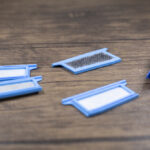
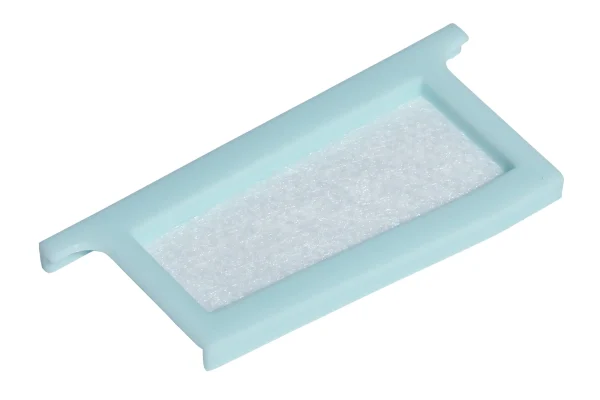
Reusable filters, also sometimes called non-disposable filters, are designed to be used many times before disposal and replacement. These small, rectangular filters are made of foam. They trap large particles, such as pollen and dust, as air passes through them.
There are several recommendations regarding the care and cleaning of reusable filters, which should take place once a week. Regularly cleaning your reusable filter can help it last longer and work as intended. Some reusable filters may have additional or different care instructions, so make sure to review the manufacturer's directions before cleaning your reusable filter.
- First, unplug the machine to avoid electrical shock.
- Shake or brush off any visible debris from the filter.
- Clean with warm water. If you want, you can add unscented, non-toxic, and residue-free soap to the water. Rinse thoroughly.
- Gently squeeze the filter to remove water, then pat with a paper towel. Let the filter air dry out of direct sunlight. To discourage mold growth, make sure it is completely dry before inserting it back into the CPAP machine.
Disposable Filters
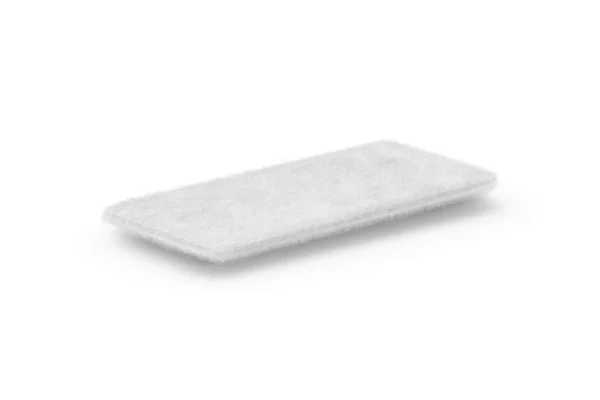
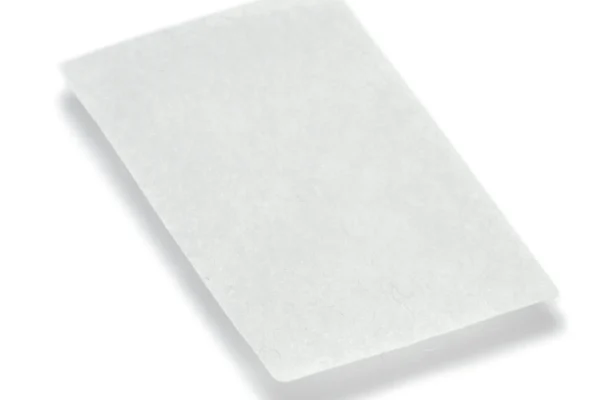
Disposable or fine filters are designed to capture small particles, such as tobacco smoke. They're usually made with fine mesh paper. As their name suggests, disposable filters must be replaced regularly. They cannot be washed, and over a series of uses, they become discolored. When this happens, it’s time to change the filter.
Care for disposable filters is straightforward: Change the filter every 30 days or as soon as the paper has become discolored. As with reusable filters, make sure to unplug your CPAP machine before changing the filter.
In-Line Bacteria Filters
In-line bacteria filters are an optional addition for many CPAP machines. These filters trap very small particles that might not be blocked by other filter types, including bacteria and viruses.
Some manufacturers recommend that these filters be used on shared or rented CPAP devices. People who use CPAP devices with humidifiers may also benefit from these filters, as bacteria can grow in humidifier chambers.
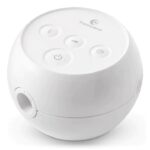
Made of fine paper, in-line bacteria filters are typically encased in a hard plastic ball with connection points on both sides. Depending on the machine model and filter design, an in-line bacteria filter may be placed in one of several locations:
- Between the CPAP machine and the hose
- Between the CPAP humidifier and the hose
- Between the CPAP hose and the mask
While most CPAP machines are compatible with in-line bacteria filters, use of these filters may result in a lower air pressure than your healthcare provider has prescribed. Some machines have a setting called “AB Filter” to make up for the decrease in pressure and ensure you receive the appropriate treatment.
When using a bacteria filter on your CPAP machine, keep the following care instructions in mind.
- Avoid moisture: In-line bacteria filters don't work correctly when wet. If you use a CPAP machine humidifier, be sure to regularly check the in-line bacteria filter for moisture. If the filter paper is wet, remove the filter from its plastic case and allow it to air dry before using the machine again.
- Check for discoloration: If your in-line bacteria filter becomes discolored or fills with debris, it should be replaced. Check the filter weekly for discoloration.
- Don't wash the filter: A bacterial filter cannot be sanitized or washed. You can wipe off the outer plastic case with a damp cloth as part of regular machine maintenance.
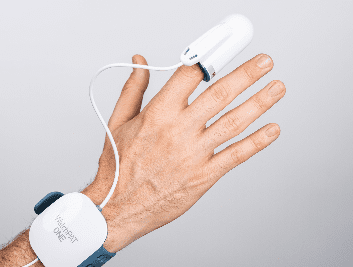
Need a Prescription for CPAP? Try an At-Home Sleep Test
our partner at sleepdoctor.com
Save 10% + FREE 2-Day Shipping
Add to Cart“Truly grateful for this home sleep test. Fair pricing and improved my sleep!”
Dawn G. – Verified Tester

Simple and convenient
- Equipment delivered to your doorstep
- One overnight test in the comfort of your own bed

Uncover sleep apnea
- Quietly collects data while you sleep
- 98% effective in detecting sleep apnea

Affordable & ships fast
- Arrives in 2-4 business days
- In-lab sleep tests cost ~$3,000+ (this one’s $189), HSA/FSA eligible


How Often to Change CPAP Filters
Properly caring for CPAP filters and replacing them on schedule can help you avoid inhaling irritants or harmful bacteria. Some machines will indicate on their displays when it's time to replace a filter. However, these are usually scheduled reminders and not real-time assessments of filter performance.
- Reusable filters: These foam filters should be cleaned weekly and replaced every 90 days to six months. If the foam cannot be cleaned or shows signs of wear, a filter should be replaced sooner.
- Disposable filters: These paper filters should be replaced every month. Discolored or worn-out filters must be replaced sooner.
- In-line bacterial filters: These plastic-encased filters must be discarded and replaced monthly. If the filter shows wear or its color changes it should be replaced ahead of schedule.
The right time to replace a CPAP machine filter depends on the filter brand and filter condition. Several factors can affect the condition of a filter.
- Pets: The more pet hair and dander a filter has to remove from the air, the sooner it will need to be replaced.
- Smoke: Cigarette smoke can also shorten the lifespan of a CPAP filter.
- Air Pollution: CPAP filters may wear out more quickly in environments with high amounts of air pollution, like places near construction zones, interstates, and factories.
- CPAP Humidifier: Humidifiers can contribute to moisture in CPAP filters, which means they must be completely dried before each use and may degrade more quickly than usual.
If your sleep environment contains any of these potential irritants, or if your CPAP machine has a humidifier, make sure to check the filters on your CPAP machine each week for dirt, damage, and discoloration. Also be sure to consult the manufacturer’s guidelines for both your CPAP machine and your filters to confirm the appropriate replacement schedule for the products you use.
How to Replace a CPAP Filter
The steps for replacing a CPAP filter vary among filter types and CPAP machine models. In all cases, you should unplug the CPAP machine before changing any filters.
Generally, you can remove a reusable or disposable filter from its position at the back of the machine or behind a filter door. Then you can install a new filter. If your machine uses both filter types, you may need to snap them together or stack them before insertion.
To replace an in-line bacteria filter, remove the old filter from its position along the CPAP hose. Then, install the new filter by attaching it at the proper connection points.
Make sure to review the manufacturer’s guidelines for replacing your CPAP filters, as machine designs vary.


How to Choose a CPAP Filter
The requirements of your CPAP device, your sleep environment, and your budget may all influence the CPAP filter you choose. You can also talk with your healthcare provider to identify what CPAP device and filters are right for your treatment needs.
Manufacturer Recommendations
To ensure proper therapy, be sure to follow the guidelines that come with your CPAP machine regarding filters. For example, some manufacturers advise against using in-line bacteria filters with their devices because they can decrease the air pressure received by the user.
Device Compatibility
Some CPAP devices require either a reusable filter or a disposable filter, while other models accommodate both. The manufacturer’s guidelines for your device identify which filter styles and brands are compatible with the device. Filter manufacturers may also provide a list of compatible devices.
Sleep Environment
Because the three filter types target different sizes and types of air particles, you may consider your sleep environment in addition to your health needs when deciding which filters to purchase. Reusable filters capture larger particles, disposable filters target smaller irritants, and in-line bacteria filters intercept microscopic germs and allergens.
Cost
Health insurance providers or programs such as Medicare may cover some or all of the cost of replacement CPAP filters. Medicare covers two disposable filter replacements per month and a reusable filter replacement every six months. However, some insurers may not cover both filter types.
Bacteria filters are typically not covered by insurance. These filters cost around $3 to $5 each and must be replaced at least monthly.

Written by
Allyson Hoffman, Staff WriterAllyson is a freelance writer and editor as well as an educator based in Norway. She has a master’s degree in creative writing and a certificate in professional and technical communication from the University of South Florida. She is a teaching assistant for Communication for Engineers at the Norwegian University of Science and Technology and was previously a Fulbright English teaching assistant grantee in Norway. Allyson is passionate about empowering people to take care of their health and get a good night’s sleep.

Reviewed by
Gerard J. Meskill, MD, FAASM, Medical ReviewerDr. Gerard J. Meskill is a neurologist and sleep medicine physician specializing in the diagnosis and treatment of sleep disorders, including narcolepsy, obstructive sleep apnea, and insomnia. He is board-certified in both neurology and sleep medicine and has extensive experience helping patients manage complex sleep conditions and disorders of excessive daytime sleepiness.