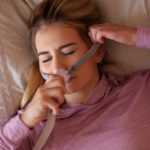
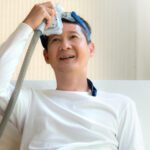
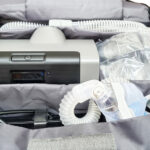
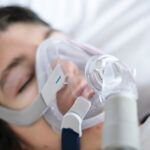
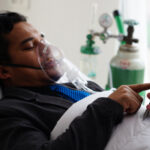
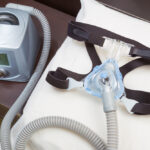
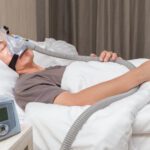
BiPAP is unique among PAP machines in that it has separate air pressure settings for inhalation and exhalation, allowing it to be used for more conditions than the more common continuous positive air pressure (CPAP) machines.
Through in-depth research and review, we’ve selected two of the best BiPAP machines on the market today. Since choosing and using a BiPAP machine can be complex and confusing, we’ll cover the buying process, as well as what you need to know before buying. In addition, we’ll discuss how to take care of your BiPAP machine and accessories.
Our Top Picks

Best Overall
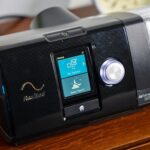
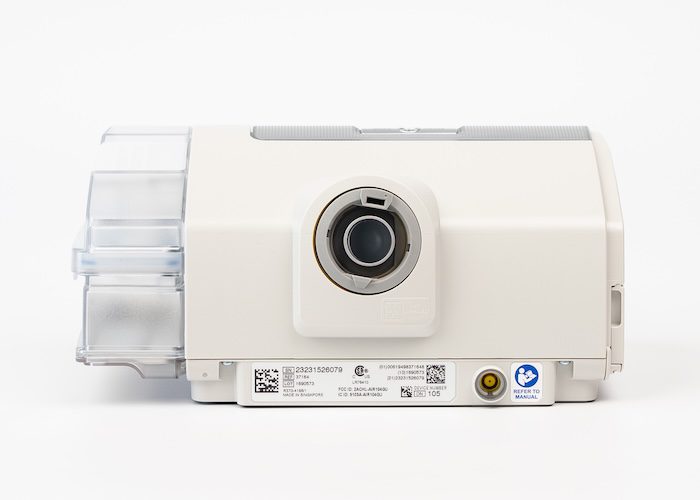
ResMed AirCurve BiPAP 10 VAuto with Heated Humidifier

Ideal For
- People interested in in-depth data tracking
- Travelers who are often away from their healthcare team
- Customers looking for a well-built BiPAP machine with luxury features
Who should keep looking
- Shoppers on a budget
- People who prioritize temperature control features over data tracking
- Users who dislike using smartphone apps
-
Price
$2,495
-
Diameter
2.75 lbs.
-
Dimensions
4.57″ x 10.04″ x 5.91″
-
Noise Rating
27 dBA
Manufactured by ResMed, the AirCurve BiPAP 10 VAuto is a top-of-the-line choice for users interested in advanced comfort and data-tracking features. Although it has an above-average price point for a BiPAP machine, the AirCurve BiPAP’s well-built design is comparable with higher-priced competitors.
The AirCurve has a removable, integrated heated humidifier with adjustable humidity levels, allowing users to choose and change settings depending on the weather and their daily needs. While the AirCurve doesn't include heated tubing, it's compatible with ResMed’s ClimateLine Air heated tubing for greater temperature control.
Two of the defining features of the AirCurve BiPAP are the robust smart features and data-tracking capabilities. The machine is equipped for cellular communication, wirelessly sending your healthcare team your data and allowing them to change your settings as needed. It also syncs with ResMed’s myAir app, where users can access information such as sleep time, mask fit and leakage, and apnea events.
The AirCurve also includes an automatic start by breathing into the mask, a mask fit test, advanced event detection, and automatic ramp settings. ResMed backs the AirCurve BiPAP 10-VAuto with a two-year warranty, with included accessories covered under a 90-day warranty.
Use this SleepApnea.org link for the most current discount on ResMed products
Shop NowBest for Travel
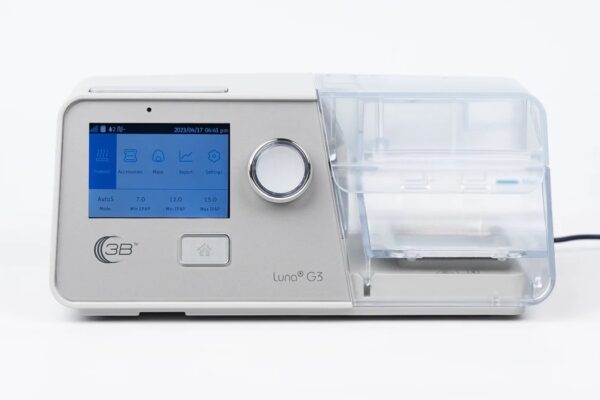
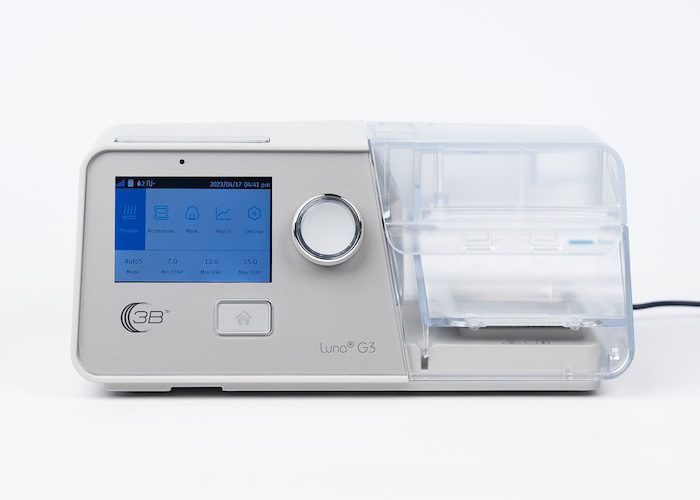
Luna G3 BiPAP Machine

Ideal For
- People who experience dry mouth or sore throat with other BiPAP machines
- Light sleepers looking for a very quiet BiPAP machine
- First-time BiPAP users
Who should keep looking
- People who want advanced smart features
- Frequent travelers who prioritize size over an integrated humidifier
- Users looking for an inexpensive BiPAP machine
-
Price
$1,999
-
Dimensions
10.43″ x 5.71″ x 4.49″
-
Noise Rating
26 dBA
-
Weight
3.75 lbs.
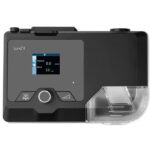
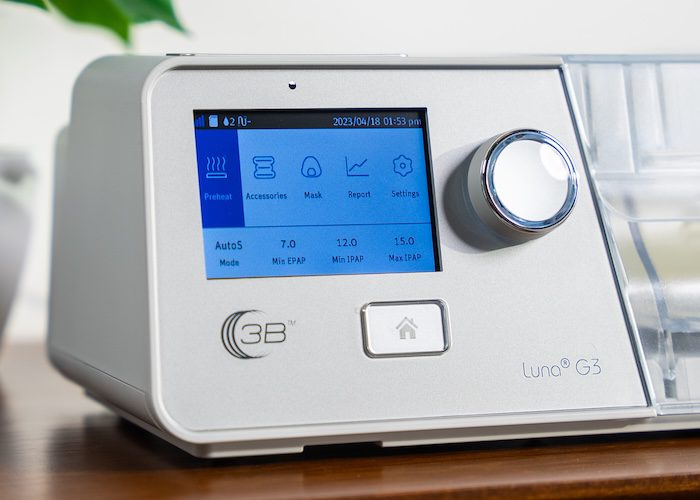
The Luna G3 BiPAP Machine, manufactured by 3B Medical, is a sleek and portable BiPAP machine with multiple advanced features. At only 26 decibels, the Luna is also one of the quietest BiPAP machines. Plus, it’s heated tubing, integrated heated humidifier, preheat settings, and adjustable humidity controls provide users with a comfortable, customizable therapy experience.
The Luna features an automatic ramp setting that slowly increases air pressure once the user has fallen asleep. Supply and accessory replacement reminders help keep users on top of maintenance, while on-screen data display provides easy access to information.
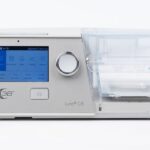
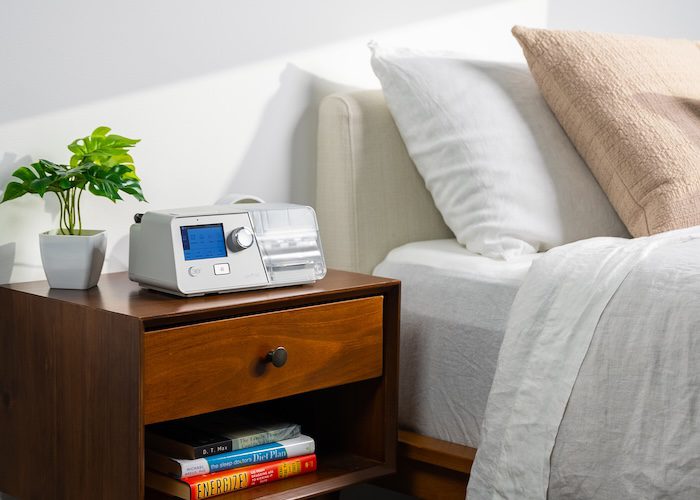
At less than 11 inches long and weighing less than 4 pounds — including the humidifier — the Luna is a travel-friendly BiPAP machine that's compatible with external batteries. The white plastic case has a modern look, while the forward-facing display is easy to read and allows for convenient setting adjustment.
3B Medical backs the Luna G3 BiPAP Machine with a two-year manufacturer’s warranty. The included accessories are covered by a separate three-month warranty.
Use this SleepApnea.org link for the most current discount on React Health products
Shop NowWhy We Picked These
Our team has decades of combined experience researching sleep apnea treatments and PAP therapy, and we draw on this expertise to better understand what people need from their BiPAP machine. We closely examine products and feature those that are backed by a long history of positive user experiences and excellent support. We also factor in recent recalls or supply chain concerns when determining the best BiPAP machines.
Think You May Have Sleep Apnea? Try an At-Home Test
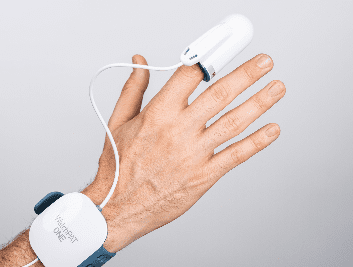
our partner at sleepdoctor.com
Save 10% + FREE 2-Day Shipping
Add to Cart“Truly grateful for this home sleep test. Fair pricing and improved my sleep!”
Dawn G. – Verified Tester

Simple and convenient
- Equipment delivered to your doorstep
- One overnight test in the comfort of your own bed

Uncover sleep apnea
- Quietly collects data while you sleep
- 98% effective in detecting sleep apnea

Affordable & ships fast
- Arrives in 2-4 business days
- In-lab sleep tests cost ~$3,000+ (this one’s $189), HSA/FSA eligible


What Is a BiPAP Machine?
Bi-level positive airway pressure machines, also known as BPAP or BiPAP machines, are non-invasive ventilation devices used to treat breathing disorders such as central sleep apnea (CSA), obstructive sleep apnea (OSA), and other conditions that cause disordered breathing.
Types of BiPAP Machines
BiPAP machines provide a different amount of pressure depending on whether the user is inhaling or exhaling. These pressure settings are set by the user’s health care team. There are two main types of BiPAP machines, each designed to meet different treatment needs:
- BiPAP S (Spontaneous): This type delivers air pressure based on your natural breathing pattern. It provides one pressure level when you inhale (IPAP) and a lower one when you exhale (EPAP). It’s most often used for people with obstructive sleep apnea who need extra breathing support beyond standard CPAP therapy.
- BiPAP ST (Spontaneous/Timed): In addition to responding to your breathing, this model includes a backup respiratory rate that triggers a breath if you stop breathing for a set period. It’s typically prescribed for people with central sleep apnea, complex sleep apnea, or certain neuromuscular or respiratory disorders.
Some advanced BiPAP machines also include adaptive servo-ventilation (ASV) technology, which continuously monitors your breathing and fine-tunes pressure in real time to treat complex cases of sleep-disordered breathing.
CPAP vs. BiPAP Machines
BiPAP and continuous positive airway pressure (CPAP) machines both are forms of positive airway pressure (PAP) therapy and can be used to treat similar conditions. However, the two are not interchangeable and are prescribed for different reasons.
While BiPAP machines have separate settings for inhalation and exhalation, CPAP machines stay at the same air pressure throughout the night. Some advanced CPAP models allow for a lower pressure during exhale, but the exhalation pressure cannot be set by the user, and the difference is significantly less than that of a BiPAP machine. BiPAP machines also tend to be more expensive than CPAP machines due to their more complex design.
Most people with OSA are prescribed a CPAP machine, though BiPAP machines may be recommended to people who struggle to adapt to their CPAP machine. BiPAP machines are more commonly used by people with CSA, as well as those with disorders such as chronic obstructive pulmonary disease (COPD), congestive heart failure, and Parkinson’s disease.
Other Types of Sleep Apnea Machines
While CPAP and BiPAP machines are some of the most commonly used PAP devices, there are other options.
- Travel CPAP: Travel CPAP machines are small, lightweight models intended for easy use while traveling or even camping. Many are approved for in-flight use, and some are compatible with alternate power sources.
- APAP Machine: APAP machines use sensors and advanced algorithms to determine the air pressure a user needs to keep their airways open. The pressure can change breath to breath, making APAP machines more comfortable than CPAP machines for many users.
What to Consider When Choosing a BiPAP Machine
Choosing the right BiPAP machine can be a confusing process, but understanding how BiPAP machines work and how various models differ can make it easier to select the right option for you. It’s a good idea to consider what factors are most important to you, as well as which special features you might appreciate.
Pricing and Sizing
The average price-point of a BiPAP begins around $800 for a basic model with few features, while feature-heavy luxury machines can cost upwards of $2000. This range is significantly more expensive than that of CPAP machines, which average between $350 and $1000.
BiPAP machines differ in size depending on whether they have a humidifier. Those with a humidifier are usually slightly smaller than a toaster, while those without a humidifier are closer in size to a large alarm clock. Either option can fit comfortably on most nightstands or in headboard storage.
| Price Range | $800-$2000 |
| Average Size | Without humidifier: 7.5″ x 6″ x 4″With humidifier: 11″ x 7.5” x 4.5″ |
Noise Level
Modern PAP machines, including BiPAP machines, are much quieter than older models. Most machines have a sound level between 25 and 30 decibels, around the level of a whisper or a quiet natural area. Even very light sleepers are unlikely to be disrupted by the sound of their machine.
To keep a BiPAP machine quiet, the filter and accessories should be cleaned and replaced regularly.
Pressure Ranges and Ramp Settings
Most BiPAP machines have a pressure range of 4 to 25 cm H2O, or centimeters of water pressure. This range is slightly above that of the average CPAP machine, which is 4 to 20 cm H2O.
Ramp settings are available on many BiPAP machines. When using a ramp setting, the machine increases the air pressure levels slowly as the user falls asleep. People who struggle to fall asleep while using a BiPAP machine might benefit from ramp settings. However, these settings are not the right choice for everyone and must be approved by a user’s health care team.
Data Tracking and Smart Features
Data tracking allows users and their health care team the ability to monitor and adjust the treatment as necessary. Many insurance providers also require proof that the machine is being used properly as part of the reimbursement process.
Depending on the BiPAP model, the data features may be limited to tracking usage hours. However, they may also include data points such as the number of apnea events, whether the mask remains properly sealed, and an overall score for the sleeper’s breathing over the course of a night. These details can help a user’s team determine whether the treatment is effective and how they can improve it over time.
Many modern BiPAP machines also have smart features such as Bluetooth connectivity with a smartphone app that displays and explains the collected data. And some BiPAP apps offer additional features alongside data display. For example, machines with humidifiers or other climate control features may allow users to control the temperature or adjust other settings via the app.
How to Buy a BiPAP Machine
Buying a BiPAP machine involves more than just choosing a device. It’s about finding the right model, pressure settings, and accessories to match your medical needs and comfort preferences.
Do You Need a Prescription for a BiPAP Machine?
A formal prescription from your medical provider is required to purchase a BiPAP machine. PAP machines are classified by the U.S. Food and Drug Administration (FDA) as Class II medical devices, meaning they're restricted due to their ability to cause injury when used without medical supervision.
Because BiPAP machines are prescription-only medical devices, you’ll need to work with your doctor or sleep specialist to confirm your diagnosis and ideal pressure range.
Where Can You Buy a BiPAP Machine?
Once you have a prescription, you can purchase a BiPAP machine through durable medical equipment suppliers, sleep clinics, or reputable online retailers.
| Location | Pros | Cons |
|---|---|---|
| Sleep specialist | Personalized, educated advice on model choiceStreamlined setup and treatment integration | High cost and few opportunities for deals or salesMinimal selection |
| Brick-and-mortar store | No wait between purchase and taking the device homeOnly need to show your prescription to purchase | Smaller selection and higher cost than online retailersThe closest PAP device store may be a significant distance away |
| Online Retailer | Very large selection and excellent pricesShipping is available in many remote regions | Requires customers to upload and send their prescriptionShipping may take longer |
Will Your Insurance Cover the Cost of a BiPAP Machine?
BiPAP machines are covered or partially covered by some insurance providers, though the approval and reimbursement process can be complex.
Since BiPAP machines are a more complicated and expensive form of PAP treatment, most insurance providers will only approve them if CPAP therapy is shown to be ineffective, or if CPAP is not recommended for the user’s condition by their doctor.
Users also usually rent their BiPAP machine rather than owning it outright. Each insurance provider has different policies, but most require monthly payments towards the machine as well as data to prove compliance.
Does Medicare Cover the Costs of Your BiPAP Machine?
Medicare covers 80% of the cost of a BiPAP machine, provided that you have undergone a sleep study that indicates the need for BiPAP and that you show improvement with the use of BiPAP therapy.
BiPAP machines are rent-to-own through Medicare. Users pay off their portion of the machine’s cost for 13 months, after which they own it outright.
BiPAP Accessories and Compatibility
Some BiPAP accessories, such as masks and filters, are necessary to use and maintain the device, while others are optional purchases that may make using a BiPAP easier or more effective. Depending on your BiPAP model, it may already have integrated accessories like a humidifier or advanced data tracking.
BiPAP Accessories
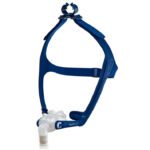
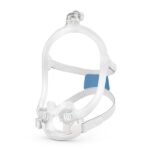
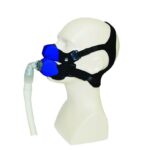
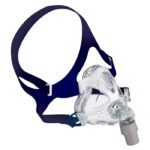
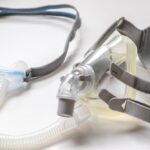
| Masks | CPAP masks are one of the most important BiPAP accessories. Choosing the right mask has a significant impact on the treatment’s comfort and efficacy. The right mask differs for each individual depending on a range of factors. Your health care team can offer advice on what may work best for your needs. |
| Headgear | Headgear keeps a BiPAP user’s mask secured to their face. Most masks come with the appropriate headgear, though the best headgear style varies on an individual basis. Your health care team can advise users on choosing the right headgear. |
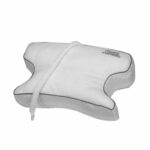
| PAP Pillows | BiPAP users can keep their standard pillow if it works well for them, but many people find a PAP pillow more comfortable and effective. PAP pillows are contoured to support the user’s head and neck while leaving space for the mask, even when the user is sleeping on their side. |
| Cleaner | PAP cleaners use ozone or UV light and are marketed as an easy way to keep the device clean. However, the FDA does not approve PAP cleaners and has expressed concerns about their efficacy and safety. Usage of these cleaners may also void the machine’s warranty. |
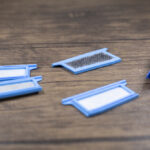
| Filters | CPAP filters prevent contaminants, such as dust and pollen, from being sent into the user’s airway during the night. Reusable filters must be washed every two weeks and replaced every three months, while disposable filters can be used for a month before being replaced. |
| External Batteries | External batteries can power BiPAP machines while users are traveling — including while camping — and during power outages. Not all BiPAP machines are compatible with external batteries, or they may require a specific type of external battery. |
| Humidifier | Dry and scratchy airways are a common side effect of PAP therapy that can be relieved by using a humidifier. Many BiPAP machines feature integrated humidifiers, though humidifier accessories can also be purchased for machines that don’t come with them. BiPAP humidifiers are available with heating and temperature control for a more comfortable experience. |
| Hosing | Although BiPAP machines come with the hosing used to deliver pressurized air to the user’s mask, these hoses eventually wear out and must be replaced. Hoses can be purchased in different sizes and lengths, and heated hoses are available to make using the machine more comfortable. Nearly all PAP hoses use a 22-millimeter connector for compatibility. |
Compatibility of Your BiPAP Device With Accessories
While most PAP accessories are compatible with all PAP devices, including BiPAP and CPAP machines, other accessories have more limited compatibility. For example, not all machines are compatible with external batteries, and those that are may require a specific kind.
If you plan to purchase accessories for your BiPAP machine, it’s important to ensure that the accessories you choose are compatible with your machine. Information on compatibility is usually available through the machine’s official website, though online BiPAP retailers may also provide this information on their store pages.
Frequently Asked Questions
BiPAP machines are considered non-invasive ventilators. Due to their ability to change pressure between inhalation and exhalation, as well as their settings that ensure a certain number of breaths per minute, BiPAP machines are used to treat a wider range of serious conditions than CPAP machines.
While BiPAP machines are rarely available in the small travel sizes CPAP machines come in, many BiPAP machines are small and lightweight enough to tuck into a suitcase.
If you plan to use your BiPAP machine while traveling, it may be worthwhile to choose a model without a humidifier. BiPAP machines with integrated humidifiers are larger, and an external humidifier accessory can detach and be left at home when you travel. You may also want to ensure your BiPAP machine is compatible with an external battery, particularly if you plan to camp or travel in areas without electricity.
No. Purified water can contain minerals that can build up in your BiPAP machine, so it’s crucial to always refill your BiPAP humidifier with distilled water. Distilled water is inexpensive and can be purchased in grocery stores, online, or even through PAP supply stores. Subscription services can help ensure that you never run out.
Cleaning your BiPAP machine and accessories regularly is critical, since the machine’s warm and humid atmosphere can easily breed mold and bacteria. Proper maintenance will keep your machine and accessories from breaking down earlier than expected.
BiPAP hosing, as well as your mask and headgear, should be cleaned daily with gentle liquid soap, rinsed with distilled water, and air-dried before using again. Heated hosing may require a different cleaning routine.
Humidifier tanks should also be cleaned daily with warm, soapy water before being rinsed, air-dried, and refilled with distilled water. Once a week, users should fill their tank with a mixture of vinegar and water and let it soak for half an hour before rinsing and refilling. Some humidifier tanks can also be washed on the top rack of a dishwasher.
Reusable air filters should be washed at least every two weeks, though people with pets and those in areas with high pollen counts may need to clean their filter more often. To clean a filter, wash it with a small amount of liquid soap before rinsing under running water until the water runs clear.
The BiPAP machine itself requires little cleaning beyond regularly wiping it with a damp cloth. Always ensure that the BiPAP machine and all components are unplugged before cleaning.
Medical Disclaimer: This content is for informational purposes and does not constitute medical advice. Please consult a health care provider prior to starting a new treatment or making changes to your treatment plan.

Still have questions?
Sleep apnea products can be confusing. If you need individualized assistance, post your question to the Sleep Doctor forum.

Written by
Tochukwu Ikpeze, MD, Contributing WriterTochukwu grew up in New York and has a passion for creative and scientific writing. Tochukwu holds an undergraduate degree in Biology and Psychology, a Master’s degree in Biomedical Science, and a Medical Degree as well. In his free time, Tochukwu enjoys reading, learning, exploring various topics pertaining to the human condition and conveying that information to the public through writing.

Reviewed by
Dustin Cotliar, MD, MPH, Medical ReviewerDr. Dustin Cotliar is a board-certified emergency medicine physician with more than eight years of clinical experience across emergency departments and urgent care settings. He earned his medical degree from the State University of New York (SUNY) Downstate College of Medicine and a Master of Public Health from Columbia University.