At a Glance
Untreated sleep apnea affects nearly every system in your body. Over time, repeated drops in oxygen and fragmented sleep increase the risk of serious health problems, including high blood pressure, heart disease, stroke, type 2 diabetes, and cognitive decline. Early diagnosis and treatment can improve symptoms, reduce these risks, and help protect your long-term health.
Every time untreated sleep apnea interrupts your breathing, it puts stress on your body. Over months and years, those repeated interruptions — called apneas and hypopneas, depending on whether breathing pauses or becomes shallow — can increase your risk of serious health complications, ranging from high blood pressure to stroke and type 2 diabetes.
In obstructive sleep apnea (OSA), these breathing disruptions are due to a physical obstruction, like your tongue or soft palate, blocking your breathing passage. With central sleep apnea (CSA), the brain fails to signal the respiratory muscles. OSA is by far the most common type.
Below, we’ll explain why people develop obstructive sleep apnea, how it impacts the body, and what can happen if sleep apnea isn’t treated.
Is It Sleep Apnea? Find Out for as Low as $0
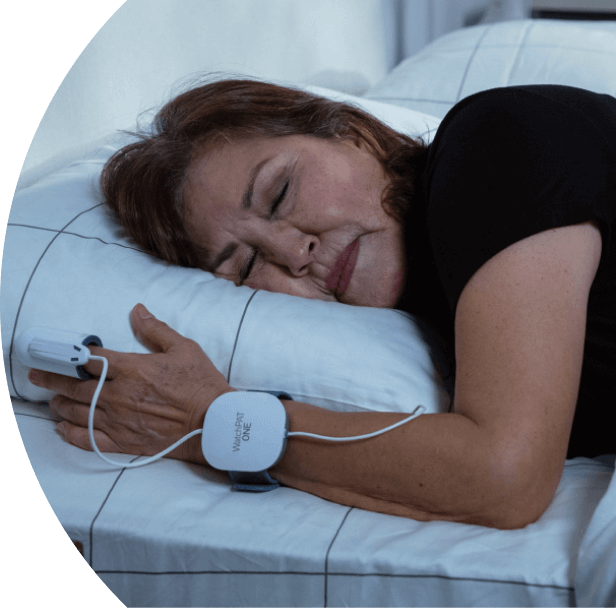
Sleep Doctor’s home sleep study helps diagnose obstructive sleep apnea, and it's covered by most major insurance plans.
What Happens if Sleep Apnea Goes Untreated?
When you stop breathing while sleeping, it causes a chain reaction that has wide-ranging impacts on your health. Your brain wakes your body up just enough so that you gasp or choke for breath, leading you to end up with fragmented sleep and poor sleep quality.
These repeated drops in oxygen can also cause your body’s stress response to activate. It sends out increased levels of cortisol and adrenaline, which keeps your body in flight-or-flight mode.
There’s also evidence showing that people with sleep-disordered breathing may have increased inflammation and endothelial dysfunction, in which the lining of the blood vessels doesn’t function normally. Either of these can contribute to cardiovascular problems and heart disease.
Why Sleep Apnea Often Goes Undiagnosed
Further complicating this issue is how underdiagnosed sleep apnea is. Currently, it’s estimated that 80% of OSA cases are undiagnosed. One reason is that sleep apnea doesn’t look the same in everyone.
While loud snoring, gasping during sleep, and daytime sleepiness are well-known signs, women with OSA may be more likely to report fatigue, insomnia, morning headaches, or mood changes. And although obesity is an important risk factor, OSA can affect people across a range of body types.
OSA is also underrecognized in children. Risk factors include obesity, enlarged tonsils or adenoids, and a history of premature birth. Children may snore or have disrupted sleep but may also have difficulty concentrating, become hyperactive, or develop behavioral or school problems that can resemble symptoms of ADHD.
Short-Term Effects of Untreated Sleep Apnea
If left untreated, sleep apnea can have numerous short-term effects, some of which compound on one another.
Excessive Daytime Sleepiness
Pauses in breathing cause restless, poor quality sleep. Many people with sleep apnea report feeling groggy in the morning and tired throughout the day. The rate of workplace accidents is higher in people with sleep apnea, which is linked to excessive daytime sleepiness.
Poor Concentration and Memory
Sleep apnea can negatively impact executive functioning, memory, and cognition. Researchers hypothesize that repeated pauses in breathing lead to low oxygen levels, which then affects how well your brain functions.
Morning Headaches
Headaches are a widely reported symptom among people with OSA. Around 18% of people with OSA report experiencing headaches, with many saying they feel pressing pain across both sides of the head, as well as dull aches.
Mood Changes and Irritability
Mood changes are a common symptom of OSA. Some people with OSA say that they feel easily irritated and experience frequent changes in mood.
Reduced Work and School Performance
Adults, teens, and children with sleep apnea can all feel its impact during their days. Excessive sleepiness, memory problems, and cognitive decline are challenges that can accompany untreated sleep apnea, and they’re challenges that make school and work more difficult.

Pregnancy Complications
OSA is underdiagnosed in pregnant people, and it can have serious impacts on the health of the parent and baby. Sleep-disordered breathing is associated with gestational diabetes, gestational hypertension, preeclampsia, and early delivery. Babies carried by a person with OSA are 1.5 to 2 times more likely to be underweight than those carried by a person without OSA.
Increased Accident Risk
People with untreated OSA are at a higher risk for motor vehicle accidents than those without the disorder. They’re also more likely to have workplace accidents that are a result of daytime sleepiness, forgetfulness, or differences in judgement.
Long-Term Health Risks of Untreated Sleep Apnea
Along with short-term symptoms and effects, there are significant long-term health consequences that can come from untreated sleep apnea.
High Blood Pressure
An estimated 50% of people with OSA also have hypertension, or high blood pressure. Experts studying the two disorders think that repeated breathing pauses and low oxygen levels put stress on the circulatory system and contribute to higher-than-average nighttime blood pressure and elevated daytime blood pressure.
Heart Disease
Hypertension is a risk factor for heart disease, and researchers think that OSA can lead to above-average nocturnal blood pressure that increases potential for cardiovascular problems.
The two disorders have a bi-directional relationship, so heart disease can worsen OSA, and OSA can worsen heart disease. Additionally, heart failure is associated with both central sleep apnea and Cheyne-Stokes breathing, an abnormal breathing pattern often associated with CSA.
Stroke
Those who have had a stroke are at higher risk for developing OSA and CSA than people who haven’t. However, OSA is also an independent risk factor for stroke, meaning people with OSA are at risk of stroke simply because they have OSA. Like other major long-term risk factors, the connection between stroke and OSA appears to be low oxygen levels and breathing pauses.
Heart Rhythm Disorders
Atrial fibrillation (AFib), a heart rhythm disorder, and OSA have similar risk factors. People with OSA are more likely to have AFib, but researchers don’t have explicit proof of or explanation for the connection yet. Untreated OSA is also associated with reduced response to anti-arrhythmic drugs and cardioversion (a procedure done to correct arrhythmia), as well as AFib recurrence.
OSA also appears to be related to other heart rhythm disorders and slow heart rates, but like AFib, the jury is still out on exactly why this occurs.
Type 2 Diabetes
There’s a strong connection between OSA and type 2 diabetes, and having OSA can increase both the severity of Type 2 diabetes as well as your risk of developing the disease. There’s evidence supporting the hypothesis that lower-than-average oxygen levels affect how well your body processes glucose.
Cognitive Decline and Dementia
OSA is associated with both poor memory and an elevated risk for dementia, though there isn’t a clear pathway between the two. Researchers think OSA-related breathing pauses could have a negative impact on neurological function, which increases dementia risk. Other long-term effects of OSA, like hypertension and cardiovascular disease, are also independent risk factors for dementia.
Depression and Anxiety
Estimates show that as many as 25% of people with OSA also experience depression. Fragmented sleep and low oxygen levels affect your brain and cognition enough to lower mood and increase instances of anxiety.
Who Is Most at Risk for Complications?
Sleep apnea has many comorbidities, or other conditions that often occur at the same time. The people most at risk for sleep apnea complications are those with sleep apnea and another disorder. Having a history of stroke, hypertension, cardiovascular disease, or type 2 diabetes can make complications more likely.
When to Talk to a Doctor
Loud, chronic snoring, as well as gasping, choking, and snorting are all symptoms of sleep apnea. If you experience any of these or a partner says that you do, you should seek out a sleep test and talk to a doctor. Other OSA symptoms include excessive sleepiness, irritability, and morning headaches.
Frequently Asked Questions
It’s unlikely to die directly as a result of sleep apnea. However, there are many secondary factors and comorbidities that can cause people to die from sleep apnea indirectly. Sleep apnea often exists alongside obesity, heart disease, and type 2 diabetes — all of which can increase the risk of early death. Those with sleep apnea are also more likely to die in a motor vehicle accident than those without sleep apnea.
Obstructive sleep apnea may improve or even resolve in some people after significant weight loss, treatment of an underlying medical condition, or surgery to remove airway obstructions. In particular, the success rate for adenotonsillectomy — a surgery that removes the tonsils and the adenoids and the preferred treatment for OSA in children — is more than 85% for children without obesity.
However, many people continue to need long-term treatment, such as CPAP therapy or an oral appliance, to keep their airway open during sleep.
Central sleep apnea often requires treatment for the underlying condition causing, and it's less likely to be reversed in heart failure patients and.
Untreated sleep apnea may increase the risk of health problems that can shorten life expectancy. In some studies, people with untreated severe obstructive sleep apnea were three times more likely to die early from any cause than those without the disorder. However, the impact on a person’s lifespan depends on the severity of their sleep apnea and other health conditions. In addition, treating OSA greatly reduces this risk.
Medical Disclaimer: This content is for informational purposes only and isn't a substitute for professional medical advice. Consult your healthcare provider with questions about any symptoms you're experiencing or before changing or stopping an existing treatment.

Written by
Cassandra Burns, Contributing WriterCassandra is a health writer who writes about sleep products and reads emerging research to develop science-based articles that help demystify the connection between health and sleep. She's happy to report that she sleeps well most nights, which is probably thanks to her energetic dog and her other work managing a family-owned whitewater rafting business in Upstate New York.

Reviewed by
Pranshu Adavadkar, MD, Medical ReviewerDr. Pranshu Adavadkar is a board-certified sleep medicine physician and pediatrician with more than two decades of clinical experience diagnosing and treating sleep disorders in both children and adults. His clinical work focuses on conditions such as obstructive sleep apnea, insomnia, and other sleep-related breathing disorders.