At a Glance
Sleep apnea can affect multiple aspects of sexual health, including sex drive, sexual performance, and relationship satisfaction. Researchers believe that poor sleep, reduced oxygen levels, and hormonal changes associated with sleep apnea may contribute to these issues, and studies have linked sleep apnea to erectile dysfunction and other forms of sexual dysfunction.
The effects of sleep apnea don't stop when you wake up, and for some people, they may include changes in sex drive, sexual function, and relationship satisfaction. Repeated breathing disruptions during sleep can affect energy levels, hormone regulation, mood, and cardiovascular health, all of which play important roles in sexual well-being.
As a result, people with sleep apnea are more likely to experience sexual health concerns than those without the condition. In this article, we explore the connection between sleep apnea and sexual health, including how treatment may help improve intimacy and quality of life.
Is It Sleep Apnea? Find Out for as Low as $0
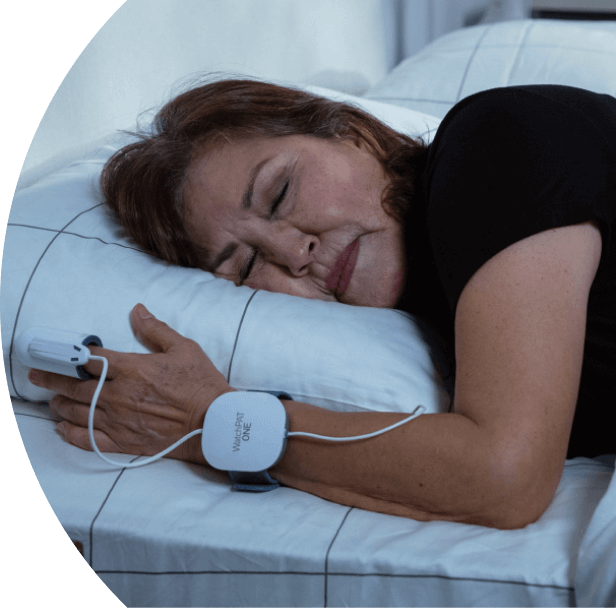
Sleep Doctor’s home sleep study helps diagnose obstructive sleep apnea, and it's covered by most major insurance plans.
Does Sleep Apnea Affect Sex Drive?
How a person experiences and expresses themselves sexually is affected by their emotional and physical health. Obstructive sleep apnea (OSA) can affect both a person’s physical health and ability to have sex, as well as their sexual desire and how they feel about sex.
Physical Health and Sex
If left untreated, OSA can have significant effects on a person’s health, which in turn can make it more difficult to have sex.
- Sleep loss: Obstructive sleep apnea can cause a person to wake up repeatedly at night and lead to sleep deprivation. Not getting enough sleep can make it difficult to have enough energy for sex, it can lead to lower testosterone levels, and it may cause strife in a relationship.
- Cardiovascular disease: Having untreated OSA increases the risk of cardiovascular diseases like high blood pressure, heart failure, and stroke. These conditions can restrict the blood supply to the sex organs and contribute to difficulties with sexual function.
- Diabetes: People with untreated OSA have a significantly higher likelihood of developing type 2 diabetes. Over time, diabetes can damage nerves and blood vessels in the body, contributing to difficulties getting and maintaining an erection as well as other sexual difficulties across genders.
Medications for physical and mental health issues that are more common in people with sleep apnea may have side effects that can also make it more difficult to have sex. These include blood pressure medications, heart medicines, and certain antidepressants.
Sex and Emotional Health
Sexual functioning isn’t just about the physical ability to have sex, it’s also impacted by a person’s emotions, stress levels, and how they experience both themselves and their partners. Obstructive sleep apnea can contribute to a variety of mental and emotional health challenges that can impact a person’s libido and sexual satisfaction.
- Sex drive: Obstructive sleep apnea can reduce a person’s sex drive and sexual satisfaction. Although more research is needed, experts suggest that the loss of libido in people with OSA may be related to the severity of breathing disruptions, medications, and psychological factors.
- Self-image: Having obstructive sleep apnea may affect a person’s self-image and feelings about their health. Research shows that a person’s beliefs about their own health and body correlate with their level of sexual satisfaction.
- Mood: Sleep loss due to OSA can also affect a person’s mood. They may feel depressed, stressed, irritable, and have difficulty being patient. Stress and other mood changes may leave a person uninterested in sex.
Treating Sexual Problems in People With Sleep Apnea
Treatments for sexual issues depend on the type of sexual problem a person is experiencing and its underlying cause in the body.
For people with OSA, doctors commonly recommend continuous positive airway pressure (CPAP) therapy to reduce disruptions in nighttime breathing. Research has shown that CPAP may help to resolve some sexual issues.
While OSA can affect a person’s sex life, it’s important to remember that issues related to the desire and ability to have sex are usually affected by multiple factors. When deciding on an appropriate treatment for sexual issues, doctors will consider the effects of sleep apnea, as well as:
- Mental health concerns
- Relationship conflict
- Fatigue
- Stress levels
- Any previous trauma
- Medications and substance use
- Coexisting health issues
Based on an evaluation of sexual issues, a doctor may adust medications, recommend physical therapy, or suggest seeing a counselor or sex therapist who specialized in treating sexual issues.
When to Talk to Your Doctor
It’s important to talk with your doctor if you have concerns about your sex life. While you may be hesitant or unsure if your doctor can help you with issues related to sexual desire and performance, remember that these are common challenges. Your doctor may be able to help with a wide range of issues related to sex, including:
- Concerns about a lack of sexual desire
- Challenges becoming and staying aroused during sex
- Erectile dysfunction
- Pain or discomfort during sex
- Difficulty having an orgasm or ejaculating
- Discomfort, headache, or chest pain after sex
Frequently Asked Questions
There is no evidence that sex treats or cures sleep apnea. However, treating sleep apnea may improve energy levels, sexual function, and overall quality of life, which can have positive effects on intimacy and relationships.
Yes. Obstructive sleep apnea doesn’t need to prevent you from having sex. However, untreated OSA can affect your desire and ability to have sex. If you have any unwanted problems with having sex, talk with your doctor about potential lifestyle changes and treatment options.
Treating sleep apnea with CPAP may improve energy levels, sexual function, and overall quality of life, which can have positive effects on sex drive, intimacy, and relationships. While research on CPAP's direct effects on libido has shown mixed results, better sleep and improved daytime functioning may help some people feel more interested in and engaged with sexual activity.
Obstructive sleep apnea can decrease testosterone levels by reducing deep sleep and REM sleep. Testosterone is a sex hormone that is important for people of any gender. It is important for erections, sexual arousal, and sperm production among other bodily functions. When testosterone levels are low, people may experience sexual dysfunction.
Some people with low testosterone take testosterone replacement therapy. Although more research is needed, testosterone replacement therapy may worsen obstructive sleep apnea in some people. For this reason, people with sleep apnea should talk to their doctor about the risks and benefits of testosterone replacement therapy.
Medical Disclaimer: This content is for informational purposes only and isn't a substitute for professional medical advice. Consult your healthcare provider with questions about any symptoms you're experiencing or before changing or stopping an existing treatment.

Written by
Martinique Edwards, Contributing WriterMartinique writes content focused on sleep health, science, and trends. She graduated from the University of Georgia with a bachelor’s degree in Ecology and master’s degree in Environmental Health and has research experience in environmental microbiology and aquatic science. Martinique loves to view the world through an ecological lens, where everything is interconnected. In her free time, she enjoys outdoor activities such as running and parkour.

Reviewed by
Howard J. Hoffman, DDS, Medical ReviewerDr. Howard J. Hoffman is a dentist specializing in dental sleep medicine and the treatment of obstructive sleep apnea and temporomandibular joint (TMJ) disorders. With more than four decades of experience in dentistry and over 25 years focused on sleep apnea treatment, he works with physicians and sleep specialists to help patients manage sleep-disordered breathing using oral appliance therapy.