At a Glance
Sleep apnea and erectile dysfunction (ED) frequently occur together, and research suggests that repeated drops in oxygen levels during apnea events may affect blood vessels and hormone levels involved in sexual function. Treating sleep apnea may improve erectile function for some people.
Trying to improve erectile dysfunction (ED) can be discouraging, especially when the cause isn't clear. While many people focus on factors like stress, medications, or lifestyle habits, another potential contributor may be hiding in plain sight: sleep apnea.
Obstructive sleep apnea (OSA) causes repeated pauses in breathing throughout the night, disrupting sleep and placing strain on multiple systems in the body. And evidence suggests that men with sleep apnea are more likely to experience ED. Fortunately, treating sleep apnea may help improve both sleep quality and erectile function.
Below, we’ll dive into why ED and sleep apnea are often related, and how you can potentially improve ED by addressing sleep apnea.
Is It Sleep Apnea? Find Out for as Low as $0
Sleep Doctor’s home sleep study helps diagnose obstructive sleep apnea, and it's covered by most major insurance plans.
Can Sleep Apnea Cause Erectile Dysfunction?
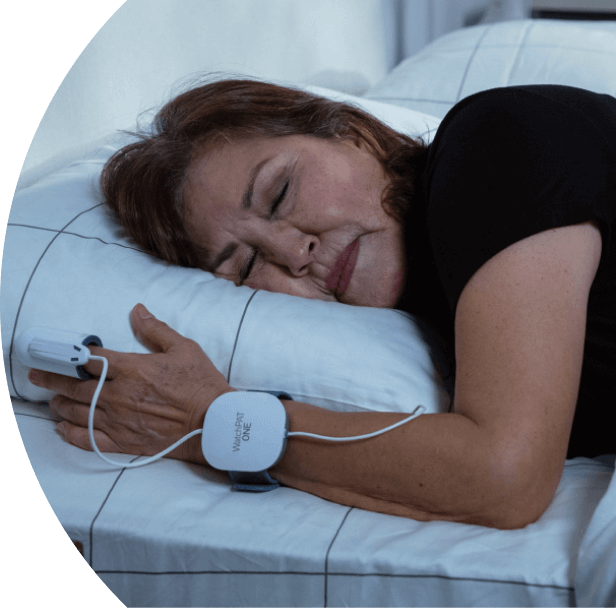
Sleep apnea is strongly linked to ED, with research finding that 41% to 82% of males with OSA have ED. Sleep apnea affects many of the body’s systems, and some of these effects may contribute to erectile dysfunction. Because the two conditions so commonly coexist, experts recommend testing for ED in adult males with OSA, and vice-versa.
However, experts are still unsure whether the risk of ED increases as OSA becomes more severe. And because erectile dysfunction often arises due to a combination of factors rather than a single cause, it can be difficult to determine the extent to which sleep apnea contributes to ED in any one person.
How Erectile Dysfunction and Sleep Apnea May Be Connected
Erections occur when the arteries that supply blood to the penis widen, and the veins that drain blood from the penis narrow. Blood rapidly flows into the penis and stays there, keeping it stiff. For the system to work, you need to have ongoing communication and teamwork between your hormones, cardiovascular system, and nervous system. Unfortunately, OSA can interfere with all of these systems.
Researchers believe that OSA and ED are primarily linked through low testosterone levels, nerve damage, or damaged blood vessels from fluctuations in blood oxygen. OSA and ED also share multiple risk factors, including diabetes, obesity, older age, and comorbid conditions such as high blood pressure. Having these risk factors makes you more likely to develop one or both conditions.
Cardiovascular Damage
For one in two men over 50 years old, ED can be traced back to conditions that affect the blood vessels, such as atherosclerosis or high blood pressure. Obstructive sleep apnea is known to contribute to many of these conditions.
Research suggests OSA prematurely ages blood vessels through dips in blood oxygen levels and partial awakenings that trigger the fight-or-flight system. This repeated stress causes inflammation and pressure in the chest cavity, affecting heart function and leading to stiffer, thicker arteries and plaque buildup.
Lower Testosterone
Because OSA causes repeated awakenings and disruptions in breathing throughout the night, it can interfere with the normal progression through the sleep cycle. Deep sleep plays an important role in repairing blood vessels, while rapid eye movement (REM) sleep is associated with testosterone production and nocturnal erections, which help maintain healthy penile tissue.
When OSA fragments sleep, people may spend less time in these restorative sleep stages, potentially leading to lower testosterone levels and contributing to erectile dysfunction. Research has found that people with insomnia, circadian rhythm disorders, or sleep apnea are more likely to experience testosterone deficiency and/or ED.
Nervous System Dysfunction
Since it’s constantly jolting you awake, OSA prevents the nervous system and the arteries that supply blood to the penis from fully relaxing during sleep. This means less blood can enter the penis.
Experts also believe that dips in blood oxygen from OSA may cause direct damage to the principal nerve in the pelvis. Testing has revealed that males with OSA are more likely to present signs of nerve dysfunction, disrupting signals between the brain and the genitals.
Increased Inflammation
Inflammation is the immune system’s response to something that threatens damage. Studies have found that people with both OSA and ED show signs of chronic inflammation, which may indicate that OSA has caused damage to the lining of the blood vessels, in turn precipitating ED.
On a related note, dips in blood oxygen from OSA also cause another type of damage called oxidative stress. Oxidative stress reduces levels of nitric oxide, a molecule that facilitates blood flow by relaxing smooth muscles and widening the blood vessels. With less nitric oxide, the penis has a harder time becoming erect.
Does CPAP Help Erectile Dysfunction?
CPAP therapy may help improve erectile dysfunction in some people with obstructive sleep apnea, but it isn’t considered a standalone treatment for ED. Rather, it should be used in combination with ED-specific treatments. CPAP is the primary treatment for OSA, and it works by delivering pressurized air through a mask worn during sleep to keep the airway open.
Because research hasn’t found a significant improvement in ED with CPAP therapy alone, many people benefit from combining CPAP treatment with other approaches to ED management, such as lifestyle changes, medications, or testosterone therapy when appropriate.
How CPAP May Improve Sexual Function
CPAP therapy effectively reduces nighttime breathing pauses and daytime sleepiness from OSA. The connection between CPAP therapy and ED is less clear-cut, with results varying by study. CPAP therapy is often found to improve some aspects of erection, but not all of them.
Notably, CPAP therapy may help improve nocturnal erections, which are important for maintaining the ability for voluntary erections. CPAP therapy also stabilizes blood oxygen levels and reduces sleep disruption, which may prevent some of the damage to your blood vessels.
Other Treatments for Sleep Apnea
Other treatments for obstructive sleep apnea include:
- Weight loss: If you have overweight or obesity, losing 15% or more of your total weight can help with OSA symptoms and can also lower your risk of cardiovascular disease. Talk to your doctor about using weight-loss medication like Zepbound or bariatric surgery to help achieve a healthy weight.
- Lifestyle changes: Lifestyle changes to help curb sleep apnea symptoms include getting more exercise, avoiding back sleeping, and cutting out alcohol and certain sedating medications. Always check with your doctor before stopping medication.
- Oral appliances: Oral appliances are custom-fitted devices worn during sleep that keep the airway open by shifting the lower jaw forward or holding the tongue away from the back of the throat. These devices should be fitted by a dentist with experience in treating sleep apnea.
- Surgery: Surgery for sleep apnea may be recommended when other treatments aren’t effective. There are a wide variety of surgeries that may be used depending on the personal anatomical features that are blocking your airway.
Treatment for Erectile Dysfunction
To determine the best treatment for erectile dysfunction, a doctor starts by identifying the cause and understanding your individual preferences. They can then discuss lifestyle changes, medications, and other treatments that help people get and maintain an erection. If you have a sexual partner, it’s a good idea to involve them in discussion of your treatment.
- Lifestyle changes: Research shows that getting more exercise, working toward a healthy weight, and quitting smoking and recreational drugs may reduce erectile dysfunction. It’s important to keep good control of your blood sugar levels if you’re diabetic.
- Medications: There are several medications used to treat erectile dysfunction. These medications typically relax certain muscles while causing more blood to flow to the penis. Your doctor may also recommend injections.
- Erection devices: Vacuum devices, commonly known as penis pumps, create a vacuum around the penis, drawing blood into it. Once erect, a band is applied at the base to maintain the erection.
- Testosterone replacement: Doctors may recommend testosterone therapy in people who have low levels of this hormone. If you also have OSA, talk to your doctor before using testosterone supplements.
- Talk therapy: For some people, anxiety, stress, and other emotional challenges may contribute to erectile dysfunction. These feelings can be compounded by performance anxiety. Addressing these issues with a trained counselor may be helpful in reducing symptoms.
- Surgery: Doctors may recommend surgery when other treatments don’t reduce erectile dysfunction. Surgical options include a procedure to improve blood flow to the penis or the placement of a prosthetic penis, also called a penile implant.
Because treatment for ED is often rooted in lifestyle changes, it may take some time before you start to see tangible results. Be patient and continue to follow your doctor’s treatment plan, and you should eventually see improvements.
When to See a Doctor
Schedule an appointment with your healthcare team if you have ED or symptoms of sleep apnea, such as loud snoring, waking up gasping or choking, or daytime tiredness.
If you’re visiting a doctor for ED, be sure to mention any symptoms you have, even if they appear unrelated. Given that ED is often the first sign of damage to your arteries and veins, your doctor may send you for additional screening to see if you have other conditions that need to be treated.
If ED is suspected, your doctor will take a full history, run a blood pressure test, and examine your reproductive organs. They may perform an injection or nocturnal erection test to rule out psychological causes by seeing if you’re still physically able to get erections. If sleep apnea is suspected, they may refer you for a sleep study.
Frequently Asked Questions
Sleep apnea may interfere with testosterone production through sleep disruption and dips in blood oxygen levels, particularly in older men. Other risk factors such as obesity may be linked to lower testosterone in people with sleep apnea. Testosterone may or may not influence ED, as the level of testosterone required for an erection isn’t very high.
While CPAP therapy doesn’t directly or universally increase testosterone levels, it may indirectly increase testosterone levels by enabling you to spend more time in the sleep stages responsible for testosterone production.
Erectile dysfunction usually has more than one cause. However, lack of sleep may contribute to ED, as it means you spend less time in deep sleep and REM sleep, both of which are important for maintaining erectile function. People with sleep disorders like sleep apnea have been shown to have higher rates of ED.
Sleep apnea and sex may be connected through several pathways. A decreased libido is considered one of the symptoms of sleep apnea. OSA can also contribute to anxiety and depression, which may further complicate ED.
Medical Disclaimer: This content is for informational purposes only and isn't a substitute for professional medical advice. Consult your healthcare provider with questions about any symptoms you're experiencing or before changing or stopping an existing treatment.

Written by
Tochukwu Ikpeze, MD, Contributing WriterTochukwu grew up in New York and has a passion for creative and scientific writing. Tochukwu holds an undergraduate degree in Biology and Psychology, a Master’s degree in Biomedical Science, and a Medical Degree as well. In his free time, Tochukwu enjoys reading, learning, exploring various topics pertaining to the human condition and conveying that information to the public through writing.

Reviewed by
Pranshu Adavadkar, MD, Medical ReviewerDr. Pranshu Adavadkar is a board-certified sleep medicine physician and pediatrician with more than two decades of clinical experience diagnosing and treating sleep disorders in both children and adults. His clinical work focuses on conditions such as obstructive sleep apnea, insomnia, and other sleep-related breathing disorders.