At a Glance
Severe sleep apnea means you have 30 or more breathing events (pauses or shallow breaths) per hour of sleep. Severe obstructive sleep apnea may cause symptoms such as loud snoring and often leads to extreme daytime sleepiness, trouble focusing, and morning headaches. Doctors often treat severe sleep apnea with CPAP therapy or a surgical procedure called upper airway stimulation.
Severe sleep apnea is the most serious form of this sleep disorder, causing frequent disruptions in breathing throughout the night. About 15% of people with this sleep disorder have severe sleep apnea, which is associated with important health risks, particularly when left untreated, although the degree of risk varies among individuals.
However, with the right treatment, you can improve your nighttime breathing and get better sleep. Understanding what makes sleep apnea severe and how it’s treated can help you take steps to protect both your sleep and overall health.

What Is Severe Sleep Apnea?
Sleep apnea causes your breathing to pause or become shallow throughout the night. The number of these incidents, referred to as the apnea-hypopnea index (AHI), put you into sleep apnea categories: mild, moderate, or severe.
- Mild sleep apnea: AHI between 5 and 15
- Moderate sleep apnea: AHI between 15 to 30
- Severe sleep apnea: AHI over 30
When you have a higher AHI score, it can cause worse sleep apnea and more severe symptoms.
Severe Sleep Apnea Symptoms
Sleep apnea has two types — obstructive and central — and both cause symptoms like pauses in breathing and daytime sleepiness. But obstructive sleep apnea (OSA), which is caused by a narrowing or blockage of the airway, also causes gasping, snoring, and choking.
If you have severe obstructive sleep apnea, you may have symptoms like:
- Excessive daytime sleepiness
- Loud and/or frequent loud snoring
- Trouble with focus and memory
- Morning headaches
- Witnessed pauses in breathing
- Gasping or choking during sleep
Central sleep apnea (CSA) occurs when the brain temporarily fails to send appropriate signals to the muscles that control breathing. Its causes, evaluation, and treatment can differ substantially from those of OSA.
When it goes untreated, severe sleep apnea also increases your risk for other health conditions, including:
- High blood pressure
- Heart disease
- Congestive heart failure
- Heart attack
- Irregular heart rhythm
- Stroke
- Diabetes
- Liver disease
- Blood clots
- Depression
Is It Sleep Apnea? Find Out for as Low as $0
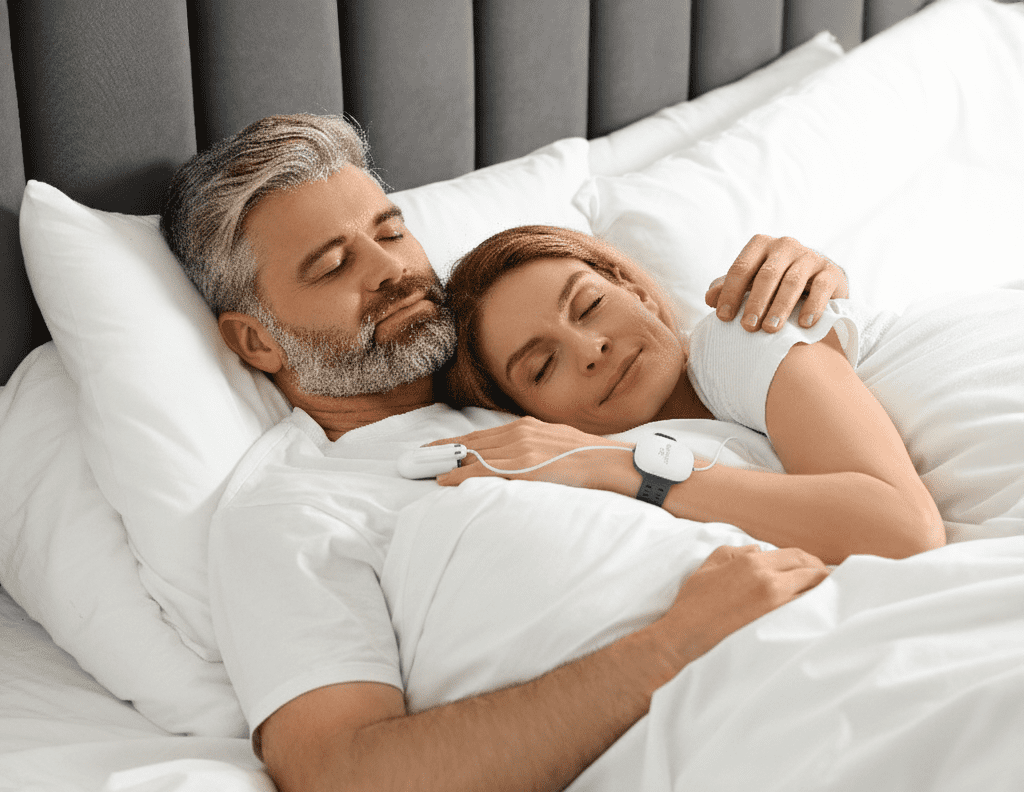
Sleep Doctor’s home sleep study gives your results reviewed by a sleep specialist and guidance on what to do next. Most major insurance plans accepted.
Causes of Severe Sleep Apnea
Severe sleep apnea has many of the same causes as mild or moderate sleep apnea. For example, you may have obstructive sleep apnea because of large tonsils, a naturally narrow upper airway, or excess body weight. A family history of severe OSA can also increase your risk.
But other risk factors can boost your chance of developing severe OSA, including:
- Age between 46 and 65
- Heavy smoking or smoking over many years
- Obesity, or a body mass index (BMI) over 30
- Elevated morning blood pressure
- Low oxygen levels during sleep
- Use of certain sedating medications
Diagnosing Severe Sleep Apnea
To diagnose severe sleep apnea, doctors generally begin with an assessment of symptoms, medical history, and risk factors. After an initial review of your symptoms and potentially a physical exam, doctors will recommend a sleep study to diagnose sleep apnea.
There are two types of sleep studies: at-home and in-lab. For a home sleep study, you wear an oxygen monitor, chest band, and other equipment that records information while you sleep in your own bed.
An in-lab sleep study (polysomnography) is performed in a sleep lab or clinic. Your care team will record important information while you sleep using several methods, like electrodes that measure brain waves, movement, heart rate, and breathing. They may also record movements with a camera and will measure your oxygen levels throughout the night.
Polysomnography may be preferred when another sleep disorder is suspected, certain significant medical conditions present, or a home sleep apnea test is negative or inconclusive.
Severe Sleep Apnea Treatment
Severe sleep apnea treatment can look different from options available for mild or moderate types. You can sometimes manage mild sleep apnea with weight loss, avoiding alcohol, and changing your sleep position. But severe sleep apnea can require other treatments.
You may need continuous positive airway pressure (CPAP) therapy while you sleep. To use a CPAP machine, you wear a mask that covers your nose or nose and mouth. The mask connects to a machine with tubing, and the machine pushes pressure through your airways to keep them open throughout the night.
If CPAP and other therapies do not provide enough of an improvement, your doctor may recommend a surgery called hypoglossal nerve stimulation (also called upper airway stimulation) to treat severe sleep apnea. This surgery involves placing a small electrical device next to the nerve that controls your tongue movements. By painlessly stimulating this nerve, the device helps keep your tongue out of the way during sleep.
When to Talk to Your Doctor
Talk to your doctor if you have (or if your bed partner notices you have) symptoms of sleep apnea, such as loud snoring, gasping or choking during sleep, excessive daytime sleepiness, morning headaches, or difficulty concentrating.
If you’ve already been diagnosed with severe sleep apnea, it’s important to follow your treatment plan and regularly check in with your doctor. Talk to your doctor if your symptoms worsen, you have trouble using your prescribed treatment, or your treatment no longer seems effective.
Frequently Asked Questions
Severe sleep apnea symptoms may not wake you up, but if they do, you may feel like you can’t breathe and gasp for air. Even if you sleep through your pauses in breathing, you may notice severe sleepiness and fatigue during the day, plus trouble concentrating and a dry mouth.
Most treatments don’t cure sleep apnea, but they relieve the symptoms and mitigate the risk of developing chronic health conditions. PAP therapy generally controls OSA only while it is being used. People who stop treatment typically notice breathing pauses return fast. Weight loss can improve sleep apnea, too, but it can’t reverse the condition.
Severe obstructive sleep apnea can almost double your risk of death of any cause. This kind of sleep apnea has an especially high risk of death caused by heart problems.
While no evidence proves that sleep apnea causes weight gain, sleep deprivation (which can occur with sleep apnea) has shown a link with obesity. Experts think they may be connected because missing out on sleep can affect hunger hormones like leptin and ghrelin, prompting you to eat when you’re not hungry.
Severe obstructive sleep apnea increases the risk of disease in the tiny blood vessels that bring oxygen to your brain. Experts have also connected OSA with increased protein deposits in the brain, which can lead to Alzheimer’s disease.
Inspire upper airway stimulation, an implanted electronic device, treats sleep apnea by stimulating a nerve that pushes your tongue forward, which keeps your breathing passages more open. Studies show Inspire decreases your AHI score, especially when you have severe sleep apnea.
The U.S. Social Security Administration lists sleep apnea as a potential disability. They don’t pay for sleep studies, but they may allow a disability claim if you also have other serious conditions like chronic heart failure and some mental disorders.
Medical Disclaimer: This content is for informational purposes only and isn't a substitute for professional medical advice. Consult your healthcare provider with questions about any symptoms you're experiencing or before changing or stopping an existing treatment.

Written by
Abby McCoy, RN, Contributing WriterAbby McCoy is an experienced RN who has worked with adults and pediatric patients encompassing trauma, orthopedics, home care, transplant, and case management. She holds a Bachelor’s of Science in Nursing from St. Louis Univeristy and has practiced nursing all over the world from San Francisco, CA, to Tharaka, Kenya. She now writes health content for trusted health outlets like Everyday Health and Next Avenue.

Reviewed by
Lulu Guo, MD, Medical ReviewerDr. Lulu Guo is a board-certified sleep medicine and family medicine physician who specializes in diagnosing and treating sleep disorders, including obstructive sleep apnea, insomnia, and other sleep-related breathing conditions. She is known for taking a patient-centered approach to sleep care, helping individuals improve their overall health and quality of life through better sleep.