At a Glance
Anxiety and mood disorders are more common among people with sleep apnea and vice-versa. Researchers have identified potential ways in which sleep apnea may contribute to anxiety, such as by causing low blood oxygen levels, fragmenting sleep, increasing inflammation, and altering brain structure. However, more research is needed to better understand the relationship, including whether sleep apnea directly contributes to anxiety or is simply associated with it.
Because sleep apnea affects breathing and sleep quality, it can also have an impact on mood and mental health, including anxiety. Repeated disruptions during sleep and drops in oxygen levels can place stress on the body and make it harder to regulate emotions.
In this article, we’ll explore the connection between sleep apnea and anxiety, including how the two conditions may influence each other and what treatment options may help improve both.
Is It Sleep Apnea? Find Out for as Low as $0
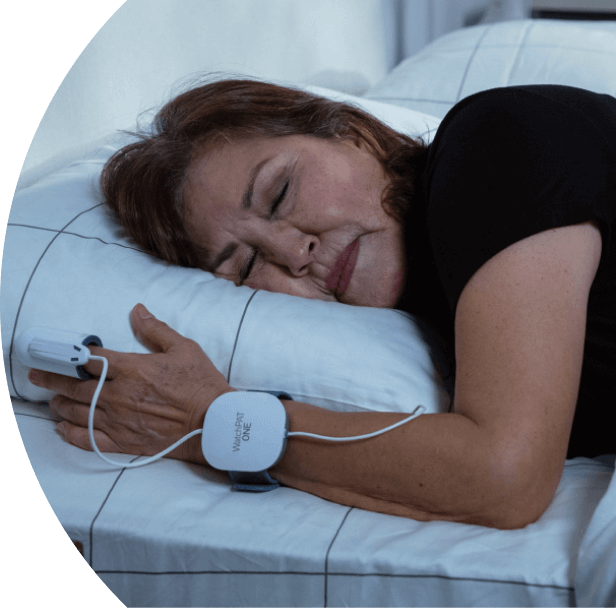
Sleep Doctor’s home sleep study helps diagnose obstructive sleep apnea, and it's covered by most major insurance plans.
Does Sleep Apnea Cause Anxiety?
Sleep apnea doesn't directly cause anxiety in everyone who has the sleep disorder, but the two issues are closely linked. Though the exact prevalence is hard to pin down, recent research suggests that about a third of people with obstructive sleep apnea (OSA) may also have symptoms of anxiety.
What's clear, though, is that people who have sleep apnea are more likely to experience stress and other anxiety symptoms than those without sleep apnea. Similarly, sleep apnea has been linked to anxiety disorders, like panic disorder and generalized anxiety disorder.
How Does Sleep Apnea Contribute to Anxiety?
Researchers have proposed multiple ways sleep apnea may contribute to or worsen anxiety.
Fragmented Sleep
Sleep apnea fragments sleep by prompting short awakenings throughout the night, and fragmented sleep has been found to increase anxiety. Sleep plays an important role in emotional regulation, and disruptions to normal sleep patterns may make it harder for the brain to process emotions and cope with stress effectively.
Fragmented sleep isn’t the same as sleep deprivation, though. A person with fragmented sleep may sleep for a healthy amount of time, but the interruptions to their sleep cause problems by altering their sleep architecture, or how much time is spent in each sleep stage.
Low Oxygen Levels
Research also suggests that the hypoxia, or low oxygen levels, experienced by those with sleep apnea could be a driver of anxiety. These recurring periods of low oxygen levels can injure the brain, changing its structure. Low oxygen levels may also prompt inflammation in the brain and nervous system, called neuroinflammation, which can contribute to mental health changes, including anxiety.
Nervous System Activation
After a person with sleep apnea experiences a lapse in breathing during sleep, they may experience a physiological fight-or-flight stress response, leading to an increase in adrenaline and physical changes, like an increased heart rate.
Normally, this response helps prepare the body to react to danger. In people with sleep apnea, however, the response can be activated repeatedly throughout the night due to breathing disruptions, even when no actual threat is present.
Stress From Managing Symptoms
The symptoms of sleep apnea may themselves contribute to stress or anxiety. Because having sleep apnea can make a person tired throughout the day and cause mood swings or irritability, they may struggle to face obstacles and manage daily stressors.
Their symptoms may negatively impact their social relationships or ability to perform well at work, which can also directly contribute to or worsen anxiety and depression.
Can Anxiety Cause Sleep Apnea?
While anxiety doesn’t directly cause sleep apnea, untreated anxiety can worsen sleep apnea in people who have both conditions. Experts have suggested that anxiety’s effects on areas of the brain involved in breathing regulation may intensify sleep apnea symptoms in some people. Over time, untreated anxiety and sleep apnea can create a cycle in which each condition contributes to poorer sleep and worsening symptoms of the other.
In some cases, anxiety may also make it difficult for a person to stick with CPAP therapy, a common sleep apnea treatment. CPAP therapy involves sleeping with a mask over the nose or nose and mouth that connects to a machine that delivers air into the airway. Feelings of claustrophobia, which can involve worries about being trapped, suffocating, or choking, can make a person not want to use CPAP, because of the mask, air pressure, or both.
Who Is Most at Risk?
People with untreated OSA may be most at risk for also experiencing anxiety. The presence of chronic stress, chronic pain, or another disorder, like insomnia or depression, may worsen the situation, though studies have returned mixed results. Some experts have noted that certain people may be more likely to develop these conditions due to previous trauma or a genetic predisposition.
Does Treating Sleep Apnea Help Anxiety?
Research suggests that CPAP therapy may help make anxiety symptoms more manageable by improving sleep quality, which can help lower cortisol levels, improve mood, and support emotional regulation. CPAP therapy has even been shown to reduce the number of panic attacks people with panic disorder and OSA have.
That said, CPAP therapy isn’t considered a direct treatment for anxiety, and people with anxiety disorders may still require targeted treatment, such as therapy, stress-management strategies, anti-anxiety medication, or a combination of approaches. If a person has sleep apnea, anxiety, and depression, all three disorders may need treatment to be properly managed.
When to See a Doctor
See a doctor if you suspect you have either sleep apnea or anxiety. A doctor can ask questions about your symptoms, evaluate your medical history, and possibly order tests to determine what might be going on, which is the first step toward receiving treatment and relief.
The most common symptoms of OSA include loud snoring, lapses in breathing during sleep that can be observed by a bed partner, gasping, and snorting. You may also feel unrefreshed when you wake up, feel tired throughout the day, fall asleep unintentionally while doing a repetitive activity like driving or watching TV, have headaches, or experience irritability and mood swings.
Frequently Asked Questions
As with anxiety more generally, sleep apnea may increase the likelihood that a person has panic attacks, but not everyone who has sleep apnea has panic attacks. This makes sleep apnea a risk factor for panic disorder, not a direct cause. Studies also show that treating sleep apnea with CPAP therapy may reduce how often a person has panic attacks or make treatment more successful.
For people with both sleep apnea and anxiety, treating sleep apnea with CPAP therapy may improve sleep quality and reduce some anxiety symptoms associated with poor sleep, such as fatigue, irritability, and daytime stress.
However, CPAP isn’t a treatment for anxiety. People with ongoing or severe anxiety symptoms will likely benefit from additional treatment approaches, such as therapy, stress management techniques, medication, or a combination of treatments recommended by a healthcare provider.
Studies have found that the more sleep deprived a person is, the more anxiety they’re likely to experience. Among people with sleep apnea, it’s often fragmented sleep rather than a lack of sleep that contributes to anxiety. Fragmented sleep is sleep that’s interrupted multiple times by lapses in breathing throughout the night, altering the amount of time a person spends in each sleep stage.
Anxiety may be a symptom of sleep apnea for some people, but more common sleep apnea symptoms include loudly snoring, gasping during sleep, feeling tired during the day, and waking up unrefreshed or with a headache. Some sleep apnea symptoms also overlap with anxiety symptoms, such as irritability, trouble focusing, and forgetfulness.
Medical Disclaimer: This content is for informational purposes only and isn't a substitute for professional medical advice. Consult your healthcare provider with questions about any symptoms you're experiencing or before changing or stopping an existing treatment.

Written by
Jay Summer, NBC-HWC, Contributing WriterJay Vera Summer is a writer, editor, and wellness coach. She holds a Bachelor's of Science in psychology and Master's degrees in both writing and public policy. As a wellness coach, she's certified by the Mayo Clinic and the National Board for Health and Wellness Coaching (NBHWC). She's been writing about sleep and other health topics for six years. Previously, she taught undergraduate writing courses for five years at the University of South Florida.

Reviewed by
Dustin Cotliar, MD, MPH, Medical ReviewerDr. Dustin Cotliar is a board-certified emergency medicine physician with more than eight years of clinical experience across emergency departments and urgent care settings. He earned his medical degree from the State University of New York (SUNY) Downstate College of Medicine and a Master of Public Health from Columbia University.