At a Glance
Atrial fibrillation is a type of heart arrhythmia in which the heart beats irregularly and too fast. Sleep apnea puts stress on the lungs and heart, which may interfere with atrial fibrillation treatment or contribute to new cases of atrial fibrillation. Researchers are currently investigating how sleep apnea therapy affects atrial fibrillation.
If you’ve been diagnosed with sleep apnea, you may have heard that this sleep disorder is closely linked to heart health. One heart condition that commonly co-exists with sleep apnea is atrial fibrillation (AFib).
Atrial fibrillation is a relatively common type of heart arrhythmia characterized by an irregular heartbeat. It’s estimated that at least 1 in 25 people over the age of 60 have atrial fibrillation, and it may be up to four times more common in people with obstructive sleep apnea (OSA).
Below, we’ll take a look at why sleep apnea and atrial fibrillation often occur together, and what you should do to reduce your risk of long-term health problems if you have these conditions.
Is It Sleep Apnea? Find Out for as Low as $0
Sleep Doctor’s home sleep study helps diagnose obstructive sleep apnea, and it's covered by most major insurance plans.
Can Sleep Apnea Cause AFib?
Sleep apnea is strongly linked to atrial fibrillation, and the two conditions often occur together and influence one another. People with sleep apnea are two to four times more likely to develop AFib or experience a recurrence after treatment, and the risk tends to increase with the severity of sleep apnea.
OSA is particularly common in people with AFib, with some studies estimating prevalence rates of 50% or higher. Having both conditions is associated with a greater risk of cardiovascular complications than having either condition alone.
To understand the connection, it’s helpful to explain some of the physiology of the conditions. First, sleep apnea is a disorder in which a person’s breathing slows drastically or stops completely, multiple times per night. These pauses in breathing can be due to a blocked airway — termed obstructive sleep apnea — or due to communication problems between the brain and the lungs, called central sleep apnea (CSA). Sleep apnea poses risks for heart health because impaired breathing affects oxygen levels, which stresses the heart.
Second, atrial fibrillation is a type of arrhythmia, or irregular heartbeat, in which the heart beats too fast and out of sync. It occurs when the electrical signals that control the heart’s rhythm become disorganized, causing the upper chambers (atria) to beat irregularly and ineffectively.
This disrupts the normal coordination between the upper and lower chambers of the heart, making it harder to pump blood efficiently. And because the heart is beating rapidly and irregularly, it may not fill properly between beats, which can reduce blood flow to the body.
AFib can be persistent (ongoing) or intermittent (coming and going). In intermittent cases, the heart may return to a normal rhythm between episodes, but certain triggers — like physical stress or underlying health conditions — can cause AFib to recur.
One such trigger is untreated OSA. Repeated drops in oxygen levels and disrupted breathing during sleep can place strain on the cardiovascular system, increasing stress on the heart and potentially contributing to abnormal electrical activity that triggers AFib.
In addition to sleep apnea, several factors can increase the risk of developing atrial fibrillation, including:
- Age over 65
- Family history of atrial fibrillation
- European ancestry
- Excessive alcohol intake and alcohol withdrawal
- Smoking and use of nicotine products
- Recent surgery
- Hyperthyroidism
- Comorbidities like diabetes, obesity, high blood pressure, and chronic kidney disease
- Underlying heart conditions like coronary artery disease, heart attacks, heart valve disease, and heart failure
- Chronic obstructive pulmonary disease (COPD)
AFib is also associated with serious complications, particularly an increased risk of stroke. Because blood may not flow smoothly through the heart, it can pool and form clots. If a clot travels to the brain, it can cause a stroke, which is why many people with AFib are prescribed blood-thinning medications.
How Does Sleep Apnea Cause AFib?
Untreated obstructive sleep apnea likely leads to long-term remodelling of the heart’s structure, as well as direct and timely changes that can trigger changes to the heartbeat. Repeated lapses in breathing from sleep apnea have three immediate effects on the body:
- Swings in blood oxygen and carbon dioxide levels
- Physical stress to the lungs, due to air pressure changes that occur when trying to breathe in when the airway is blocked
- Constant micro-awakenings that disrupt sleep quality
Over time, these effects are thought to generate changes in the nervous system, metabolism, and blood flow, and contribute to systemic inflammation and oxidative stress. Sleep apnea also contributes to structural changes in the heart, called atrial remodeling, that leave a person more vulnerable to AFib.
Some preliminary research even suggests that sleep apnea events may directly trigger heart arrhythmia episodes. For example, studies have found that after a night of severe sleep apnea symptoms, people appear more likely to experience AFib.
What Are the Dangers of Sleep Apnea and AFib?
Both sleep apnea and AFib can have serious health consequences on their own, and when they occur together, the risks may be even greater.
Over time, untreated sleep apnea can increase the risk of cardiovascular conditions like high blood pressure, heart disease, heart attack, stroke, diabetes, and heart failure. Poor sleep can also lead to daytime fatigue and a higher risk of accidents, especially when driving or operating machinery.
AFib also increases the risk of stroke, since irregular blood flow in the heart can lead to clot formation. In addition, AFib can cause symptoms like dizziness, shortness of breath, or fainting, particularly if the heart isn’t pumping efficiently. In more severe cases, especially when combined with other illnesses, AFib can lead to poor circulation (perfusion) to vital organs.


How Is AFib Treated?
AFib doesn’t usually pose a serious immediate risk in and of itself, but its effects on the heart can lead to serious, long-term complications. Treatment for atrial fibrillation combines lifestyle changes, medication, and sometimes surgery like cardiac ablation to regulate the heartbeat.
Primary approaches to atrial fibrillation aim to control the rhythm or the rate of the heartbeat. Rhythm control aims to bring the patient out of AFib and keep them in a normal (sinus) rhythm, while rate control only focuses on regulating the speed of the heartbeat. These methods may alleviate uncomfortable symptoms and help lower the risk of long-term damage to the heart and other complications.
- Rhythm control: Rhythm control can be done with anti-arrhythmic medication, electric cardioversion (controlled electric shocks to reestablish a normal heartbeat), or cardiac ablation, which destroys the tissues in the heart that are responsible for the irregular heartbeat.
- Rate control: Rate control is usually done with medications that slow down the heart rate, such as beta blockers or calcium channel blockers. Sometimes a pacemaker can be used to help control the rate.
- Blood thinner medications: When blood doesn’t flow properly (as is the case with AFib), it can lead to blood clots, which can, in turn, lead to stroke and other related complications. Blood thinners are commonly prescribed to people with AFib to lower the risk of clots forming.
- Surgery: Treatments like catheter ablation or the maze procedure aim to restore a normal heart rhythm, while devices like the Watchman can help reduce stroke risk in people who can’t take blood thinners. In some cases, a pacemaker may be used to help control heart rate.
- Lifestyle changes: To reduce the risk of complications from atrial fibrillation, your doctor may advise you to quit smoking, reduce alcohol consumption, follow a heart-healthy diet, manage stress, do regular exercise (with caution), and get to or maintain a healthy weight. They’ll also counsel you to stay away from stimulant drugs and medications that increase the heart rate.
Research on various types of AFib treatments suggests the treatments are more successful if co-occurring sleep apnea is also treated.
Can Treating Sleep Apnea Cure AFib?
Treating sleep apnea doesn’t cure AFib, but it can play an important role in reducing its severity and frequency by improving breathing and oxygen levels during sleep. Treatment can also help reduce the risk of other health conditions that can contribute to the development or worsening of AFib.
OSA is typically treated with continuous positive airway pressure (CPAP) therapy or oral appliances. Some cases may warrant surgery or an implanted device.
- CPAP therapy: CPAP therapy is the most common treatment for OSA. It helps keep the airway open by blowing pressurized air into a mask that you wear during sleep.
- Oral appliances: Oral appliances widen the airway by pushing forward the jaw or holding the tongue out of the way.
- Surgery: Surgery is an option for people who have an obvious structure blocking the passage of air, such as nasal polyps or enlarged tonsils.
- Implanted device: An implanted device can stimulate the nerve that controls the tongue to help prevent the airway from closing during sleep.
- Weight loss: Weight loss sometimes helps reduce OSA symptoms, especially if symptoms are due to excess fat around the neck.
When to Talk to a Doctor
You should talk to a doctor if you have symptoms of sleep apnea or atrial fibrillation.
Symptoms of sleep apnea include:
- Loud, chronic snoring
- Gasping, snorting, or choking during sleep
- Morning headaches
- Daytime tiredness or unrefreshing sleep
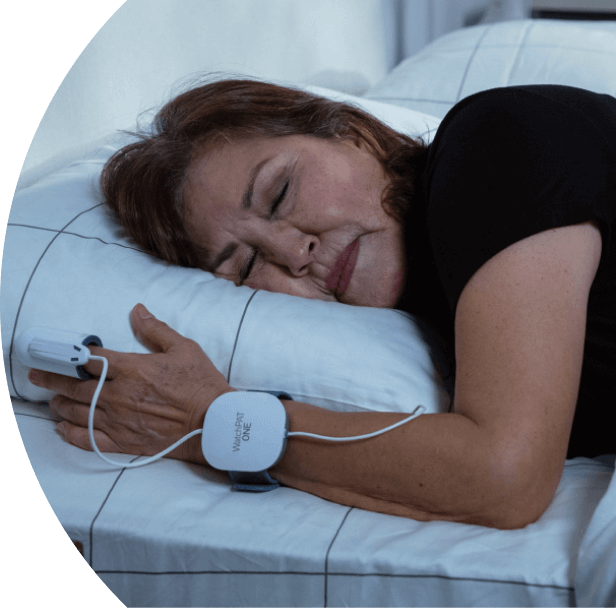
Sleep apnea is diagnosed with a sleep study that monitors key metrics while you sleep, like your breathing rate. The test is usually performed in a sleep lab. If your doctor suspects obstructive sleep apnea, it may be possible to do this test at home with an at-home sleep apnea test, easily available online.
AFib may cause symptoms only sporadically or not at all. Some possible symptoms of AFib include:
- Fatigue
- Feeling dizzy or faint
- Trouble breathing
- Chest pain
- Palpitations or irregular heartbeat
- Low blood pressure
Doctors may diagnose atrial fibrillation using an electrocardiogram (ECG) or heart monitor device (holter monitor), which tracks your heart rate. Because people with AFib often have sleep apnea as well, your doctor may decide to refer you for a sleep apnea test.
Frequently Asked Questions
AFib doesn’t directly cause sleep apnea, but the two conditions are closely linked and can influence each other. More commonly, sleep apnea contributes to AFib, rather than the other way around. Because they often occur together, people with AFib may be evaluated for sleep apnea as part of their overall care.
There is no evidence to suggest that CPAP therapy can worsen AFib. On the contrary, CPAP therapy to reduce sleep apnea symptoms may help ensure greater success with AFib treatment.
There are conflicting results on whether heart damage from sleep apnea can be reversed. Some studies have found that changes to the heart structure may improve with CPAP therapy, while other studies have found no effect. Perhaps more importantly, treating sleep apnea through CPAP or other methods is important to prevent future damage to the heart.
Medical Disclaimer: This content is for informational purposes only and isn't a substitute for professional medical advice. Consult your healthcare provider with questions about any symptoms you're experiencing or before changing or stopping an existing treatment.

Written by
Danielle Pacheco, Contributing WriterDanielle is originally from Vancouver, BC, where she has spent many hours staring at her ceiling trying to fall asleep. She channels her frustration into researching sleep solutions and sharing insights with fellow insomniacs. Danielle spends her downtime trying out new recipes and working off the calories on the soccer field. Danielle studied the science of sleep with a degree in psychology at the University of British Columbia.

Reviewed by
Dustin Cotliar, MD, MPH, Medical ReviewerDr. Dustin Cotliar is a board-certified emergency medicine physician with more than eight years of clinical experience across emergency departments and urgent care settings. He earned his medical degree from the State University of New York (SUNY) Downstate College of Medicine and a Master of Public Health from Columbia University.