At a Glance
ADHD and sleep apnea can both result in problems with attention, memory, and emotional regulation. If you or your child has been diagnosed with ADHD, it’s worth asking your doctor for a sleep study to see if you have sleep apnea. Sometimes, treating the underlying sleep apnea also helps reduce or eliminate ADHD symptoms.
Sleep apnea and attention deficit hyperactivity disorder (ADHD) are two common conditions that may seem unrelated at first glance but often share many of the same symptoms. Studies have found that people with ADHD are two to six times more likely to have OSA or symptoms that suggest sleep apnea, and vice-versa.
ADHD is characterized by mental and behavioral issues, such as a short attention span, hyperactivity, and poor organizational skills. Sleep apnea is a sleep disorder in which a person stops breathing multiple times a night. Most people with sleep apnea have obstructive sleep apnea (OSA), caused by soft tissues in the throat sagging during sleep and blocking the airway.
In this article, we’ll discuss similarities between the two conditions, when to suspect you might have one or the other, and how to establish a treatment plan that can address both disorders.
Is It Sleep Apnea? Find Out for as Low as $0
Sleep Doctor’s home sleep study helps diagnose obstructive sleep apnea, and it's covered by most major insurance plans.
How ADHD and Sleep Apnea Are Connected
Sleep apnea causes the sleeper to partially wake up multiple times a night to catch their breath. This leads to unrestful sleep, which in turn leads to daytime symptoms that are very similar to those seen in ADHD. Common overlapping symptoms between the two disorders include:
- Trouble concentrating or tendency to become easily distracted
- Mood swings
- Poor memory
- Impulsivity
- Daytime sleepiness
- Hyperactivity (especially in children)
Studies have found that adults with ADHD are more likely to have sleep problems like insomnia, snoring or breathing pauses, restless legs, or daytime sleepiness. ADHD and ADHD medications may also contribute to problems like difficulty falling asleep.
However, not much research has been done on how ADHD and sleep apnea are connected in adults. Sleep disruption and dips in blood oxygen levels may affect the areas of the brain that are responsible for controlling attention. Researchers are currently investigating if there are common genes or areas of the brain that are linked to the development of both sleep apnea and ADHD.
Because both disorders have similar symptoms, doctors may misdiagnose someone with ADHD instead of OSA. Alternatively, sleep problems might be part-and-parcel of ADHD, or people might have both conditions. Whatever the reason, if someone has OSA, it’s important to treat all conditions present.
ADHD vs. Sleep Apnea: How to Tell the Difference
There’s a lot of overlap between ADHD and sleep apnea symptoms. If you’re wondering which disorder you have, it’s helpful to know which symptoms belong to both disorders versus which symptoms are more likely to be associated with one or the other.
Some common sleep apnea symptoms aren’t representative of ADHD. These include:
- Loud snoring
- Witnessed pauses in breathing during sleep
- Waking up choking or gasping
- Morning headache
- Sore throat
- Dry mouth
- High blood pressure
Similarly, though sleep apnea has a negative effect on concentration and memory, the following symptoms are more likely due to ADHD:
- Making careless mistakes
- Poor listening skills
- Tendency to become sidetracked and not complete a task
- Poor organization and time-management skills
- Being messy
- Tendency to misplace keys, phone, and other important items
- Trouble sitting still
- Tendency to talk a lot or interrupt others
ADHD and Sleep Apnea in Children
Researchers have established a fairly clear link between ADHD and sleep apnea in children. OSA is considered a risk factor for ADHD, and research suggests that children with ADHD are about twice as likely to have OSA.
Whereas adults may complain of feeling sleepy when they don’t sleep well, children are more likely to show tiredness in other ways, such as by becoming hyperactive, aggressive, anxious, or having trouble socially.
This means doctors may be less likely to test for OSA, which is a problem, because OSA-related sleep disturbance and dips in blood oxygen levels can contribute to more severe ADHD symptoms. OSA also affects hormones and may have impacts on development, metabolism, mental health, and academic performance.
Treating OSA in children with adenotonsillectomy surgery, continuous positive airway pressure (CPAP) therapy, or an oral appliance can help reduce ADHD symptoms. Using nasal sprays or allergy medications to enable kids to breathe through the nose can also help.
The American Pediatric Association advises doctors to screen for OSA in any children diagnosed with ADHD.
Treating Sleep Apnea and ADHD
If you’re diagnosed with both ADHD and OSA, it’s possible to treat both conditions at the same time. OSA is usually treated with CPAP therapy or oral appliances, which help keep the airway open during sleep and reduce breathing interruptions. Improving sleep quality may also help reduce daytime fatigue and improve focus, attention, and overall functioning.
It’s also important to work with a doctor to develop an ADHD treatment plan tailored to your needs. While there’s no cure for ADHD, treatments such as therapy, medication, and behavioral strategies can help manage symptoms and improve day-to-day life.
When to Talk to a Doctor
Schedule an appointment with your healthcare provider if you or your child are experiencing symptoms of ADHD or sleep apnea, such as daytime sleepiness, difficulty concentrating, or problems with learning or memory.
There are no scans to diagnose ADHD, so doctors rely on surveys and medical history. This means it can be difficult to parse out whether someone has ADHD, sleep apnea, or both. If you’ve already been diagnosed with ADHD, consider asking your doctor about a sleep test to rule out additional sleep disorders.
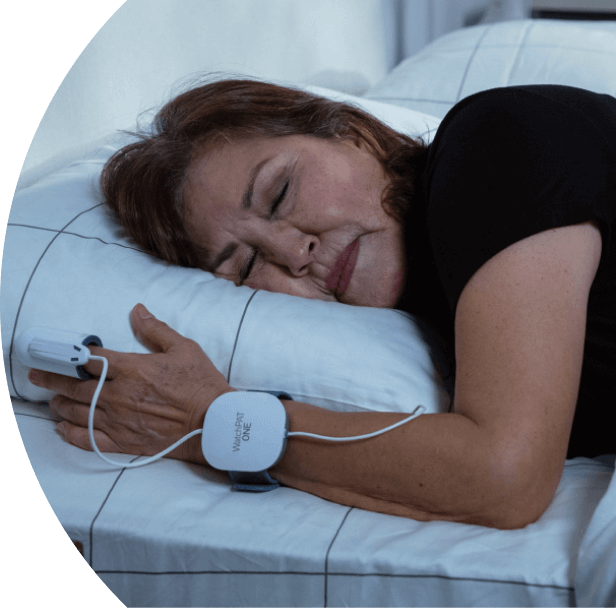
The only way to know for sure if you have sleep apnea is to do a sleep study, which involves monitoring your breathing and heart rate patterns while you sleep. Many experts recommend screening for sleep apnea and sometimes performing a sleep test as part of the ADHD diagnostic process.
Left untreated, sleep apnea eventually raises the risk of serious health problems, and ADHD can have significant impacts on day-to-day life. The good news is that there are effective treatments for both conditions. It's important to work together with your healthcare team to ensure you’re getting accurate and comprehensive treatment.
Medical Disclaimer: This content is for informational purposes only and isn't a substitute for professional medical advice. Consult your healthcare provider with questions about any symptoms you're experiencing or before changing or stopping an existing treatment.

Written by
Danielle Pacheco, Contributing WriterDanielle is originally from Vancouver, BC, where she has spent many hours staring at her ceiling trying to fall asleep. She channels her frustration into researching sleep solutions and sharing insights with fellow insomniacs. Danielle spends her downtime trying out new recipes and working off the calories on the soccer field. Danielle studied the science of sleep with a degree in psychology at the University of British Columbia.

Reviewed by
Dustin Cotliar, MD, MPH, Medical ReviewerDr. Dustin Cotliar is a board-certified emergency medicine physician with more than eight years of clinical experience across emergency departments and urgent care settings. He earned his medical degree from the State University of New York (SUNY) Downstate College of Medicine and a Master of Public Health from Columbia University.