At a Glance
Overlap syndrome occurs when a person has both chronic obstructive pulmonary disease (COPD) and obstructive sleep apnea (OSA). Together, these conditions can cause more severe drops in blood oxygen during sleep and increase the risk of health complications. Treatment typically involves managing both conditions, often with CPAP therapy for OSA and medications, lifestyle changes, or oxygen therapy for COPD.
Having two conditions that affect breathing at the same time is more common than you might think. The term overlap syndrome describes when multiple medical conditions occur together, creating a unique set of symptoms or changing the course of each disease. One type of overlap syndrome involves having both obstructive sleep apnea (OSA) and chronic obstructive pulmonary disease (COPD).
Below, we’ll explain how COPD and sleep apnea interact, the symptoms and risks of overlap syndrome, and the treatments that can help improve breathing and sleep.
Is It Sleep Apnea? Find Out for as Low as $0
Some breathing issues are connected to sleep apnea. Sleep Doctor’s home sleep study helps you get clear answers and may be covered by your insurance.
Sleep Apnea and COPD
COPD and obstructive sleep apnea are both common breathing-related medical conditions. OSA is the most common form of sleep apnea and causes brief reductions or pauses in breathing during sleep. It occurs in around a third of people in the United States. COPD is a chronic lung condition that affects between 4% and 6% of people in the U.S. and interferes with breathing both in the daytime and during sleep.
While estimates vary, studies suggest that less than 1% of people have overlap syndrome, meaning they've been diagnosed with both COPD and OSA. These conditions share several risk factors, including smoking, the use of opioids, heart-related conditions, and obesity.
Despite these similarities, experts are unsure if COPD and sleep apnea are truly an overlap syndrome, meaning that together they cause new symptoms or effects, or if the two conditions are frequently diagnosed together because both are common.
| Condition | Main Problem | When Symptoms Occur | Common Symptoms | Typical Treatments |
|---|---|---|---|---|
| Sleep Apnea | Airway repeatedly collapses during sleep | Primarily during the day and with activity | Shortness of breath, chronic cough, wheezing, mucus | Inhalers, oxygen therapy, pulmonary rehab |
| COPD | Lung damage that limits airflow | During sleep | Loud snoring, breathing pauses, gasping, daytime sleepiness | CPAP, oral appliances, lifestyle changes |
| Overlap Syndrome | COPD and sleep apnea occur together | Day and night, often worse during sleep | Severe oxygen drops during sleep, fatigue, breathing problems | CPAP, COPD medications, oxygen therapy |
Can COPD Cause Sleep Apnea?
Although several theories exist about possible relationships between COPD and sleep apnea, it's unknown whether COPD causes or contributes to the development of obstructive sleep apnea. While some studies have shown an increased risk of OSA in people with COPD, other studies haven't found this connection.
Does Sleep Apnea Cause COPD?
Sleep apnea doesn't cause COPD. COPD is a chronic lung disease most often caused by long-term exposure to irritants like cigarette smoke or air pollution. However, people with sleep apnea may also have COPD, and having both conditions can increase the risk of low oxygen levels and other health complications.
Symptoms of Sleep Apnea and COPD Overlap Syndrome
COPD and obstructive sleep apnea can cause different symptoms, but when both conditions occur together, they may lead to more noticeable breathing problems, especially at night and in the early morning. Some symptoms are related to lung function during the day, while others are linked to breathing disruptions during sleep.
Common symptoms of COPD include:
- Shortness of breath, especially during physical activity
- Chronic cough
- Wheezing
- Chest tightness
- Frequent respiratory infections
- Excess mucus production
Common symptoms of obstructive sleep apnea include:
- Loud, chronic snoring
- Gasping, choking, snorting while asleep
- Pauses in breathing during sleep
- Frequent nighttime awakenings
- Morning headaches
- Excessive daytime sleepiness
When a person has both COPD and sleep apnea, symptoms may overlap or become more severe. For example, people with overlap syndrome may experience more frequent nighttime breathing problems, lower oxygen levels during sleep, poor sleep quality, and increased daytime fatigue.
Risks of Sleep Apnea and COPD Overlap Syndrome
Studies have found that overlap syndrome affects sleep quality, COPD symptoms, the risk of other health issues, and a person’s overall quality of life.
- Sleep quality: Both COPD and OSA are associated with sleep issues. However, people with overlap syndrome tend to have more nighttime awakenings and worse sleep quality than those with either COPD or OSA on their own.
- COPD symptoms: Research suggests that overlap syndrome causes more frequent flare-ups of COPD. During a COPD flare-up, a person may cough more, spit up mucus, and have difficulty breathing.
- Health issues: Overlap syndrome is linked to an increased risk of potentially severe cardiovascular diseases, including heart failure, high blood pressure, and irregular heart rhythms. Together these conditions can also affect a person’s life expectancy.
Many of the risks associated with overlap syndrome stem from the lower blood oxygen levels people with COPD and OSA experience during sleep.
Lower blood oxygen levels happen with these disorders for a few reasons. COPD makes it more difficult to breathe and affects the lungs’ ability to exchange carbon dioxide for oxygen. These changes reduce the amount of oxygen in the blood, an effect that can be exacerbated by natural changes in breathing that happen after falling asleep.
OSA also interferes with the body’s ability to get enough oxygen during sleep. When the airway becomes blocked due to OSA and the sleeper’s breathing is briefly restricted or stopped, the level of oxygen in the blood decreases.
While both COPD and OSA can contribute to low oxygen levels, overlap syndrome is associated with more severe loss of oxygen than either condition on its own. Researchers believe that this is the primary reason why overlap syndrome may increase a person's risk of developing other health issues, like heart disease.
How Overlap Syndrome Is Diagnosed
Diagnosing overlap syndrome involves identifying both COPD and obstructive sleep apnea in the same person. The specific tests doctors recommend depend on a person’s medical history, symptoms, and whether they have already been diagnosed with one of the conditions.
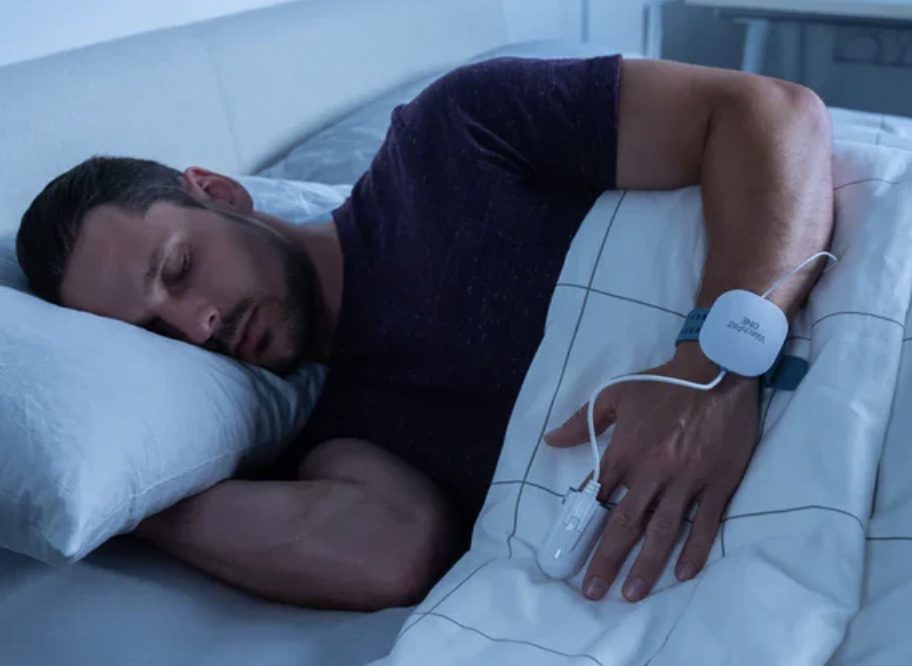
For people with COPD, doctors may recommend a sleep study if they notice symptoms of sleep apnea, such as loud snoring, pauses in breathing during sleep, or excessive daytime sleepiness. A sleep study — either performed overnight in a sleep laboratory or with a home sleep apnea test — is the primary way to diagnose OSA. Doctors may also use overnight pulse oximetry, which measures blood oxygen levels during sleep, to identify abnormal drops in oxygen that could suggest sleep apnea.
If you already have COPD and think you might also have sleep apnea, here's what the diagnostic process typically looks like:
- Talk to your doctor. Mention any sleep symptoms, including snoring, waking up gasping, or feeling exhausted even after a full night's sleep.
- Sleep study. Your doctor may refer you for an overnight sleep study (in a lab or at home) to check for OSA.
- Lung function test. If you're diagnosed with sleep apnea, your doctor may also run a spirometry test to measure how well your lungs work.
- Oxygen monitoring. Overnight pulse oximetry may be used to track blood oxygen levels during sleep.

Treatment for Sleep Apnea and COPD
Often, treating overlap syndrome involves treating OSA and COPD individually. To manage both conditions at the same time, doctors will consider an individual’s unique needs and the severity of each condition. Treatment goals are to improve sleep, normalize nighttime oxygen levels, and reduce the health consequences of both conditions.
Treatments that address OSA symptoms include behavior changes, like avoiding alcohol consumption, and positive airway pressure (PAP) therapy. COPD treatments may involve medication, advice to quit smoking, and oxygen therapy.
Positive Airway Pressure Therapy
PAP therapy is the cornerstone of treatment for people with overlap syndrome. By helping keep the airway open during sleep using pressurized air, PAP therapy has been shown to improve a person’s life expectancy, minimize nighttime breathing disruptions, reduce COPD flare-ups, and help people better tolerate exercise during the day.
Doctors typically start people with overlap syndrome on a continuous positive airway pressure (CPAP) device. Other types of PAP devices may be recommended for people who require a high level of air pressure during sleep. These include:
- BiPAP (bilevel PAP): BiPAP machines deliver air at two pressure levels: a higher one for inhalation and a lower one for exhalation. It's often used when CPAP pressure feels too high or when COPD is more severe.
- Auto-adjusting PAP (APAP): APAP machines automatically adjusts pressure throughout the night. Your doctor will advise which device suits your needs best.
Behavior Changes
Doctors may recommend several lifestyle changes in people diagnosed with overlap syndrome.
- Quit smoking: Quitting smoking is the most important way to slow the progression of COPD and can help people better manage the symptoms of OSA.
- Increase exercise: Exercise can reduce the effects of both COPD and OSA, as well as improve a person’s mood and quality of life. It’s important for people with COPD to work with a doctor to create a structured exercise program, which may be integrated into a broader program called pulmonary rehabilitation.
- Minimize triggers: To reduce COPD flare-ups, people should minimize triggers like exposure to high or low air temperatures, stress, pollution, and smoke from tobacco or fireplaces. Triggers for OSA include alcohol and medications that have a sedating effect.
- Get vaccinated: Illness can also trigger flare-ups of COPD and may exacerbate the severity of OSA. Experts recommend that people with both conditions get vaccinated according to their doctor’s recommendations.
Although behavior changes may be recommended for overlap syndrome, one important exception is weight loss. While weight loss is recommended for people with obesity and OSA, weight loss may not be recommended as a treatment for people with COPD or overlap syndrome.
Because overlap syndrome is associated with an increased risk of health complications, it’s important to follow your doctor’s recommendations related to treatment and lifestyle changes.
There is currently no cure for COPD and complete recovery from OSA is uncommon. However, treatment for these conditions can have a significant impact by reducing symptoms, improving sleep, and slowing the advancement of COPD.
If you've been prescribed a CPAP or other PAP device, it’s especially important to use it every night and reach out to your doctor if you have difficulty using it consistently. Consistent use of a PAP device has been shown to reduce COPD flare-ups, decrease hospital visits, and improve the life expectancy of people with overlap syndrome.
Frequently Asked Questions
No, COPD and sleep apnea are different conditions that affect breathing in different ways. COPD is a chronic lung disease that limits airflow due to lung damage, while obstructive sleep apnea (OSA) occurs when the airway repeatedly becomes blocked during sleep. However, some people have both conditions at the same time, which is known as overlap syndrome.
Overlap syndrome can increase the risk of health complications if it isn't treated. Because both COPD and sleep apnea can lower oxygen levels, having both conditions may lead to more severe drops in oxygen during sleep, which can strain the heart and lungs. With proper treatment, such as CPAP therapy and COPD management, many people are able to reduce these risks and improve their symptoms.
CPAP therapy can help many people who have both COPD and obstructive sleep apnea. By keeping the airway open during sleep, CPAP can reduce breathing interruptions and improve oxygen levels at night. In people with overlap syndrome, CPAP treatment may also help improve sleep quality and reduce the risk of complications related to low oxygen levels.
No, oxygen therapy does not replace CPAP for treating sleep apnea. While oxygen can help increase oxygen levels in people with COPD, it doesn't prevent the airway from collapsing during sleep. CPAP works by keeping the airway open, which addresses the underlying cause of obstructive sleep apnea. In some cases, doctors may recommend both CPAP and supplemental oxygen, depending on a person’s condition.
Medical Disclaimer: This content is for informational purposes and does not constitute medical advice. Please consult a health care provider prior to starting a new treatment or making changes to your treatment plan.

Written by
Rob Newsom, Contributing WriterRob writes about the intersection of sleep and mental health and previously worked at the National Cancer Institute.

Reviewed by
Gerard J. Meskill, MD, FAASM, Medical ReviewerDr. Gerard J. Meskill is a neurologist and sleep medicine physician specializing in the diagnosis and treatment of sleep disorders, including narcolepsy, obstructive sleep apnea, and insomnia. He is board-certified in both neurology and sleep medicine and has extensive experience helping patients manage complex sleep conditions and disorders of excessive daytime sleepiness.