At a Glance
CPAP isn't a weight-loss treatment and doesn't reliably cause people with sleep apnea to lose weight. Some people maintain their weight or even gain a small amount after starting therapy, although CPAP can improve sleep quality, energy, and other sleep apnea symptoms. If weight loss is a goal, CPAP works best alongside strategies such as a balanced diet, regular exercise, and, when appropriate, medical weight-loss treatment.
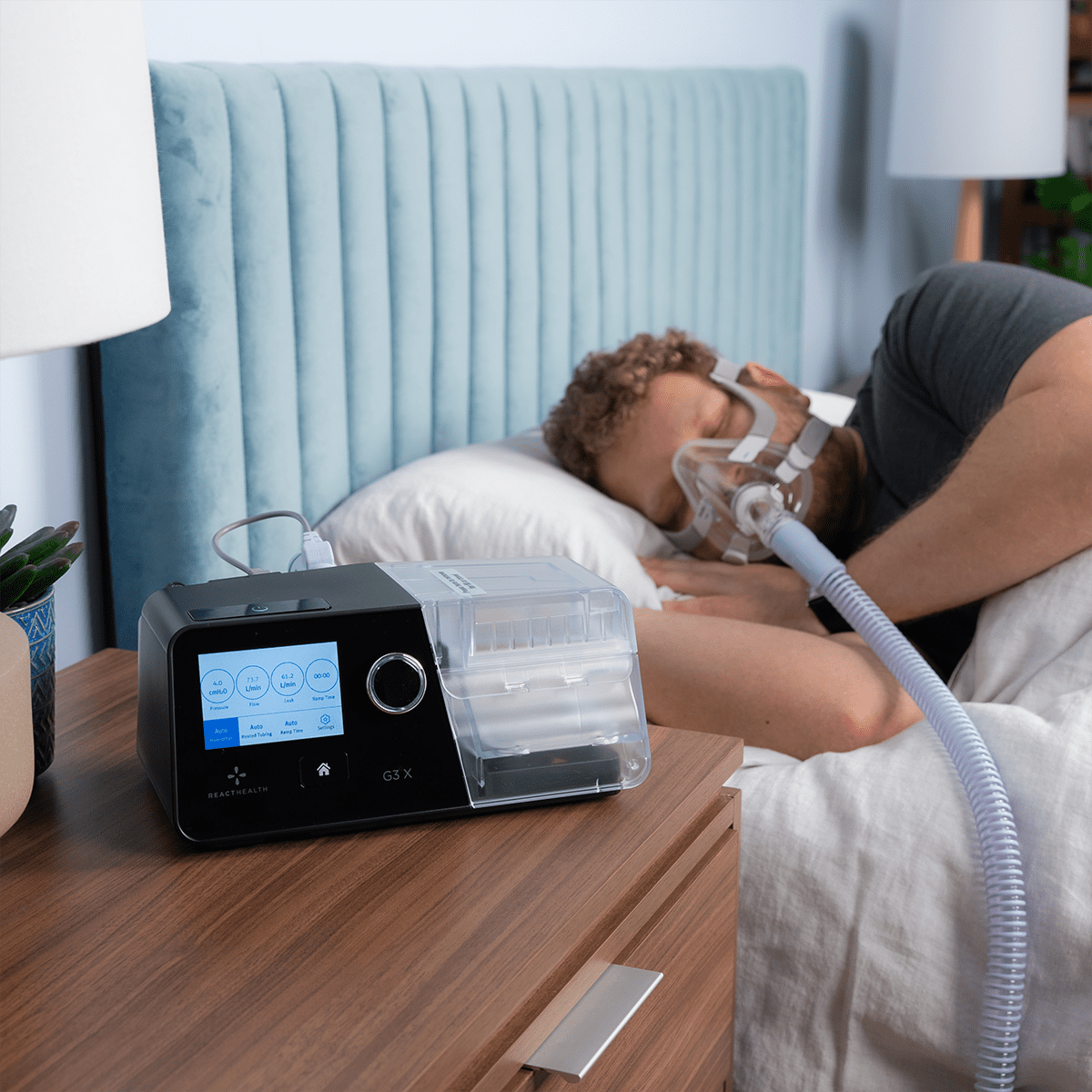
Starting CPAP therapy can improve your sleep quality and energy levels, but it doesn’t necessarily mean the number on the scale will go down. Obstructive sleep apnea (OSA) and obesity can each make the other worse, and losing weight may help improve OSA symptoms, but CPAP itself isn’t a weight-loss treatment.
Research on CPAP and body weight has produced mixed results. Below, we’ll explain how CPAP may affect your weight and how to manage sleep apnea alongside healthy weight-loss strategies.
Overwhelmed by Options? We Make CPAP Simple
Sleep Doctor helps you find the right machine, masks, and supplies, so you can start therapy with confidence from day one.
How Are Weight and Sleep Apnea Connected?
Sleep apnea and weight gain have a bi-directional relationship, meaning each affects the other. Research has found that obesity can increase your risk for developing OSA. Extra fat around your neck can narrow your airway and decrease how much air you can pull into your lungs with each breath.
OSA, in turn, prompts weight gain through:
- Interruptions in sleep
- Unbalanced appetite hormones like leptin and ghrelin
- Less physical activity because of fatigue from poor sleep
- Insulin resistance (less efficient use of sugar in your blood)
Does CPAP Help You Lose Weight?
Recent research has found that CPAP doesn’t cause weight loss without lifestyle changes or obesity treatments. In the past, experts thought OSA treatment would help you lose weight by lowering your appetite and giving you more energy to exercise. But some studies on sleep apnea treatment and weight loss came up with opposite results.
Some research found CPAP didn’t affect weight at all, while others showed a weight decrease or increase in people using this treatment. Experts found many who used CPAP didn’t do any more physical activity than they did before treatment, which may explain the lack of weight loss.
CPAP can improve sleep and decrease sleep apnea symptoms, but evidence on its weight-loss power is slim. However, you can lose weight with CPAP if you also adopt lifestyle changes like exercising more and eating fewer calories each day.
Can CPAP Cause Weight Gain?
CPAP can cause modest weight gain for some people, but its benefits far outweigh the risk of gaining weight. Untreated sleep apnea can increase your risk for health conditions like heart rhythm problems, heart failure, and stroke, so it’s important to keep using your CPAP even if you gain weight.
When you have sleep apnea, your body uses more calories while you sleep to fight a narrowed or blocked airway. So once CPAP helps you breathe easier, you use less of that energy. CPAP can also change the release of chemical messengers like antidiuretic hormone, leading to water retention and weight gain.
But these gains are relatively minor. One study of people with OSA found that those who used CPAP gained 0.77 pounds in six months. Another study review found that in addition to weight gain, people using CPAP also gained fat in their neck and waist. But you can take measures to keep your weight in check while staying consistent with CPAP therapy.
How to Lose Weight on CPAP
You can lose weight when you use CPAP by managing your calorie intake, exercising regularly, and asking your doctor about obesity treatment when needed.
Limit Calories, Fats, and Carbohydrates
The calories you eat or drink give your body the energy it needs to function well. But when you take in more calories than your body can use, the rest gets stored as fat, which adds to your weight.
You can lose weight by eating or drinking fewer calories each day and limiting foods high in saturated fats or ultra-processed carbohydrates. Some experts say it’s best to front-load your calories with a big breakfast, eating smaller lunches and dinners and fasting at night.
No single diet offers a gold standard for everyone; what works for some may not work the same for you. You can experiment with different dietary options and ask your doctor for help finding the best diet to lose weight.
Exercise Consistently
Your physical activity levels also play a vital role in weight loss. You gain weight when you have leftover calories, but exercise uses up those extra calories so they can’t go into storage.
Try for a minimum of 150 minutes of moderate-intensity exercise per week, like taking a brisk 30-minute walk five times weekly. You can shorten that time to 75 minutes a week if you up your exercise intensity, like swimming laps or running. You should also aim to incorporate some form of strength training like lifting weights or using resistance bands or your own body weight.
One study of 60 people with OSA who used CPAP found that those who followed a calorie restriction and did 30 minutes of moderate activity three times a week lost an average of 8.7 pounds over 12 months, more than the CPAP-only group.
Other Weight Loss Options
If diet and exercise don’t help you reach a healthy weight, your doctor can help you decide if other options might be right for you.
For example, you may be eligible for a glucagon-like peptide-1 receptor agonist (GLP-1) medication like tirzepatide (Zepbound), which can help you lose weight. In some cases, your doctor may recommend bariatric surgery, which involves placing a band around your stomach or bypassing it to help you feel full more quickly.
When to Talk to a Doctor
Whether you gain or lose weight after starting CPAP therapy, you can always reach out to your doctor with any concerns or questions about your health. No matter how your weight changes, keep using your CPAP every night as instructed.
If you feel you might not need it anymore, you can ask your doctor for their recommendations. They may suggest another sleep study to find out if you can stop using your CPAP, or if you need to continue with this treatment.
Frequently Asked Questions
Some people notice belly swelling after using their CPAP, which can be caused by aerophagia (swallowing air). In addition to a swollen belly, aerophagia can cause belching and gas pain. To lessen a swollen “CPAP belly,” your doctor may suggest trying a chin strap to keep your mouth closed or sleeping on your left side to prevent air swallowing. For gas pains, they may also suggest medication like simethicone (Gas-X).
Sleep apnea can lead to increased belly fat. When breathing interruptions disturb your sleep, your appetite hormones can get unbalanced, prompting you to eat more. When you take in more calories than your body can use, the extra turns into fat.
Fat distribution is genetically determined, however, so sleep apnea may not always result in belly fat.
There's no specific amount of weight loss that guarantees you can stop using CPAP. However, losing 10% of your body weight has been linked to a 20% lower apnea-hypopnea index (AHI) score — how many breathing disruptions you have per hour of sleep. Your AHI can improve even more with an additional 10% of weight loss. However, the effect decreases once BMI has been lowered by more than 20%, and even after that, you will likely still need CPAP.
Losing weight rarely cures sleep apnea. But weight loss can decrease the number of times that pauses in breathing disturb your sleep throughout the night.
Medical Disclaimer: This content is for informational purposes only and isn't a substitute for professional medical advice. Consult your healthcare provider with questions about any symptoms you're experiencing or before changing or stopping an existing treatment.

Written by
Abby McCoy, RN, Contributing WriterAbby McCoy is an experienced RN who has worked with adults and pediatric patients encompassing trauma, orthopedics, home care, transplant, and case management. She holds a Bachelor’s of Science in Nursing from St. Louis Univeristy and has practiced nursing all over the world from San Francisco, CA, to Tharaka, Kenya. She now writes health content for trusted health outlets like Everyday Health and Next Avenue.