At a Glance
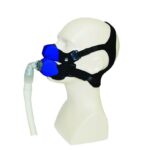
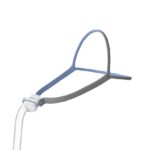
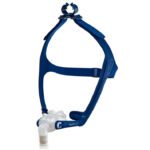
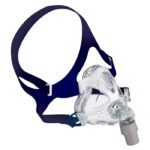
CPAP masks come in three main styles: nasal masks, nasal pillow masks, and full-face masks. Nasal masks cover the nose, nasal pillows sit at the nostrils with minimal facial contact, and full-face masks cover both the nose and mouth, making them a better option for people who breathe through their mouth during sleep.
Continuous positive airway pressure (CPAP) therapy, the gold-standard treatment for obstructive sleep apnea (OSA), requires both a CPAP machine and accessories like a mask and tubing. Choosing the right mask can make CPAP therapy significantly more comfortable and effective.
Below, we’ll walk you through the different types of CPAP masks, including their benefits and drawbacks, to help you understand which mask type might be best for your needs.
What Is a CPAP Mask?
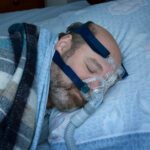

A CPAP mask fits over the nose, mouth, or both to deliver pressurized air during sleep. The mask creates a secure seal so the airflow from the CPAP machine keeps the airway open, preventing pauses in breathing caused by sleep apnea.
Parts of a CPAP Mask
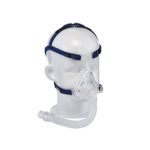
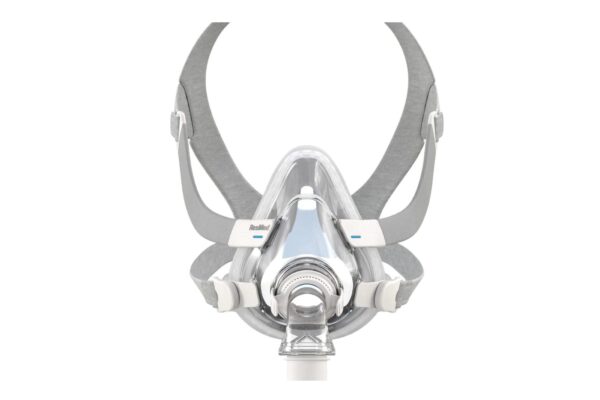
While each CPAP mask style is designed differently, most masks have the same three parts — a frame, a cushion or nasal pillows, and headgear — plus a port that connects the mask to the CPAP hose.
- Mask headgear: Headgear holds the CPAP mask to the user’s face, usually with an adjustable or elastic band that wraps around the back of the head.
- Mask frame: A CPAP mask frame provides the mask with its structure and has multiple connection points to hold the other mask components together.
- Mask cushion: Mask cushions or pillows protect the face while creating a seal that prevents air leakage. Depending on the mask, the cushion may be made from foam, silicone, or gel.
- Mask hose: CPAP machines deliver pressurized air to the user’s mask via a hose. Some feature connection points at the front of the mask that swivel freely, while others have a hollow frame with a connection at the top of head.
Need a CPAP Prescription? Start Here

our partner at sleepdoctor.com
10% off Home Sleep Tests
Buy Now“Truly grateful for this home sleep test. Fair pricing and improved my sleep!”
Dawn G. – Verified Tester

Simple and convenient
- Equipment delivered to your doorstep
- One overnight test in the comfort of your own bed

Uncover sleep apnea
- Quietly collects data while you sleep
- 98% effective in detecting sleep apnea

Affordable & ships fast
- Arrives in 2-4 business days
- In-lab sleep tests cost ~$3,000+ (this one’s $189), HSA/FSA eligible


Types of CPAP Masks
There are three main types of CPAP masks: full-face, nasal, and nasal pillow masks.
Full-Face CPAP Mask
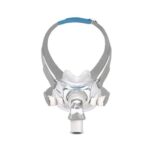
Also known as an oronasal mask, a full-face mask cover both the nose and mouth, making it a good option for people who breathe through their mouths at night or who have frequent nasal congestion. It delivers consistent air pressure but can feel bulkier than other styles.
Nasal CPAP Mask
A nasal mask covers just the nose and is one of the most commonly used designs. It provides a balance of comfort and stability, delivering pressurized air effectively without covering the mouth.
Nasal Pillow CPAP Mask
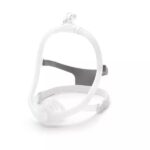
A nasal pillow mask seals at the nostrils with small, cushioned inserts. This lightweight design offers minimal facial coverage and works well for people who feel claustrophobic in larger masks or who want to wear glasses while using CPAP.
| Mask Type | Benefits | You Shouldn't Use One If: |
|---|---|---|
| Full-Face Mask | •Works well for people who naturally breathe through their mouth •Limits problems caused by nasal congestion •May be more comfortable for some users due to spreading out the feeling of pressure | •You have a full beard, as this may cause the seal to leak •You sleep on your stomach •You have sensitive, easily irritated skin |
| Nasal Mask | •Fits securely on a wide range of faces •Smaller footprint can be more comfortable or less claustrophobic for some users •Less direct airflow than a nasal pillow feels more natural to some sleepers | •You breathe through your mouth even when using a chin strap •You frequently experience nasal congestion •You have a full or bushy mustache |
| Nasal Pillow Mask | •Extremely lightweight design •Can accommodate facial hair •Often the best mask option for stomach sleepers | •You breathe through your mouth •You use a high air pressure setting •You are prone to nosebleeds or have sensitive nasal tissues |
Other Types of CPAP Masks
While the three main types of CPAP masks are the most common, there are other specialized styles that address specific needs.
- Hybrid CPAP masks: Hybrid CPAP masks combine the function of a full-face mask with the benefits of a nasal pillow mask. Instead of covering the entire nose and mouth, a hybrid CPAP mask starts below the nostrils and uses the sealing mechanism of a nasal pillow mask.
- Nasal prong CPAP masks: Nasal prong CPAP masks are similar to nasal pillow masks but are inserted deeper into the nostrils to create a seal against the walls of the nostrils rather than against the openings. This style may be a viable alternative for people who struggle to achieve a good seal with other mask types.
- Oral CPAP masks: Oral CPAP masks fit over the mouth and leave the nose entirely free, making them a practical choice for some people with nasal conditions that cause common CPAP mask styles to be painful or ineffective.
- Total face CPAP masks: Total face CPAP masks cover the entire face, including the eyes and forehead. Since the mask seals around the perimeter of the face, this mask type can be a good option for people whose facial features make standard mask types less effective.
Our Top Picks



How to Choose a CPAP Mask
Finding the right CPAP mask depends on a variety of factors, including:
- Breathing style: Mouth breathers often need a full-face mask, while nose breathers may do well with a nasal or nasal pillow mask.
- Sleep position: Side and stomach sleepers benefit from lighter, low-profile masks; back sleepers can usually tolerate larger designs.
- Comfort and fit: Look for adjustable headgear and the right cushion size to avoid leaks and pressure marks.
- Facial hair: Beards or mustaches can affect the mask seal — nasal pillows are often a better choice.
- Claustrophobia or sensitivity: Minimal-coverage masks reduce bulk and may feel less restrictive.
- Lifestyle needs: If you like to read or wear glasses in bed, nasal pillow or nasal masks leave more of your face unobstructed.
It’s also important to consider factors like mask size, headgear adjustability, and whether you move around a lot during sleep. A well-fitted mask should create a reliable seal without causing pressure marks or discomfort. Talking with your doctor or sleep specialist, and trying different mask styles, can help you find the best option for your therapy needs.
How to Buy a CPAP Mask
Buying a CPAP mask can feel confusing at first, especially if you’re unsure about prescriptions, insurance coverage, or where to purchase one. Here's what you need to know before buying a CPAP mask.
Do You Need a Prescription to Buy a CPAP Mask?
Like CPAP machines, CPAP masks can only be purchased with a prescription from a healthcare provider. Replacement mask components like headgear can be purchased without a prescription.
If you purchase your CPAP mask from an online CPAP specialist, they will require you to upload or fax them your prescription before you can make your purchase.
Buying a CPAP mask from a brick-and-mortar location works much like a pharmacy, as you can hand them a paper prescription or have your doctor send them the prescription in advance electronically.
Are CPAP Masks Covered by Insurance?
Many health insurance providers, including Medicaid and Medicare, cover the cost of necessary CPAP equipment such as masks. Coverage usually includes regular replacement of mask components, though the replacement schedule varies among providers and may vary from state to state for Medicaid recipients.
Reimbursement for CPAP supplies is often tied to compliance information recorded by your CPAP machine. If you’re unsure about your insurance provider’s CPAP coverage, it’s worth reviewing their literature or contacting them for further information.
Can You Use an FSA or HSA to Buy a CPAP Mask?
You can use a flexible spending account (FSA), health reimbursement arrangement (HRA), or health savings account (HSA) to buy a CPAP mask. If you pay out of pocket for your CPAP mask, your purchase is eligible for reimbursement through these types of plans.
Where Can You Buy a CPAP Mask?
Since you need a prescription to buy a complete CPAP mask, they are only available from doctors or sleep specialists, brick-and-mortar CPAP retailers, and online CPAP retailers. Replacement mask components can be purchased from more retailers, including some pharmacies and online retailers such as Amazon and Walmart.
- Sleep specialist: Some people purchase their CPAP mask through their sleep specialist to take advantage of the convenience and personalized advice. However, this option tends to have the smallest selection and highest prices.
- Brick-and-mortar CPAP retailer: Brick-and-mortar retailers usually offer a relatively large selection and advice from experienced staff. If you live near a CPAP retailer, going in person also means you can take your mask home that day.
- Online CPAP retailer: Online CPAP retailers often have the largest selection and lowest prices, in addition to offering perks like subscription services. However, customers must wait to receive their purchase and may have to pay shipping fees.

How to Clean a CPAP Mask
CPAP users should clean their mask regularly in order to keep it hygienic and in good condition. Some manufacturers recommend cleaning your CPAP mask at least once a week, while others suggest daily cleaning. Individual masks usually have cleaning instructions included in their manual, but almost all masks can be cleaned in a similar way:
- Disconnect the CPAP mask from the hose and separate the components.
- Fill a basin or sink with warm potable water and a mild soap that does not include moisturizers, harsh detergents, or strong fragrances.
- Gently wash each mask component until it is free of dirt, oil, and skin care product residue.
- Rinse each component with warm water.
- Lay each component flat on a clean towel to dry, turning the components at least once to ensure they dry fully.
CPAP users should avoid placing their equipment, including their mask, in direct sunlight. Sunlight can damage mask components and cause them to degrade more quickly. Consult manufacturer guidelines for recommendations on cleaning your other CPAP machine accessories.
How Often to Replace a CPAP Mask
Replacing CPAP mask parts according to the manufacturer’s recommended schedule helps ensure that CPAP therapy is effective and hygienic.
Regularly cleaning your CPAP mask helps keep it in good condition since dirt and skin oils can cause mask parts to break down faster than expected. However, wear and tear from ordinary usage will still degrade the components enough that they require periodic replacement.
Most CPAP mask manufacturers include a recommended replacement schedule in the mask’s user manual. The information may also be available on the manufacturer's website. When deciding on a new CPAP mask, you may want to look up the manufacturer’s recommended replacement timeline and compare it to the average lifespan for mask components.
| CPAP Mask Parts | Typical Replacement Timeline |
|---|---|
| CPAP Mask Frame | 3 to 6 months |
| Mask Headgear | 6 months |
| Mask Cushions | Varies by mask type |
| Hoses | 3 months |
CPAP Mask Accessories
While not everyone needs certain CPAP mask accessories, they can help make CPAP therapy more comfortable or effective. Some accessories can also allow people to use CPAP mask types that would otherwise not work well for them.
- Mask liners: CPAP mask liners are pieces of fabric that fit between the user’s face and their mask’s cushion. Some people may find that mask liners help prevent leaks, reduce irritation, or reduce moisture inside the mask. However, some people find mask liners uncomfortable or difficult to position.
- Chin straps: CPAP chin straps can allow people who breathe through their mouth to use a nasal or nasal pillow mask. While chin straps are available in many designs, most are adjustable and feature a comfortable chin rest. Chin straps work well for many people, but some find them uncomfortable or ineffective.
- CPAP pillows: These bed pillows have cutouts or irregular shapes to provide room for a CPAP mask. Most CPAP pillows are made from foam, and they come in various designs to support different mask types and sleeping positions.
Frequently Asked Questions
Since nasal and nasal pillow CPAP masks do not cover the mouth, air can leak out if a person breathes through their mouth, potentially making therapy less effective and leading to dry mouth and more frequent awakenings.
People who naturally breathe through their mouth during sleep may find that a CPAP chin strap helps keep their mouth closed and allows them to use a nasal mask or nasal pillow mask.
Yes, it’s possible to sleep on your side with a full-face CPAP mask, but the larger design may feel bulkier and is more prone to shifting or leaking in this position. Some full-face masks with slim profiles and flexible cushions are better suited for side sleepers than others.
Nasal CPAP masks are designed for nose breathing, so they may not be effective if you frequently breathe through your mouth at night. However, using a chin strap or mouth tape may help keep the mouth closed and make nasal masks more effective. If mouth breathing continues, a full-face mask may be a better option.
For people who feel claustrophobic, nasal pillow masks are often the best choice. They seal directly at the nostrils with minimal facial coverage, allowing more freedom to see, read, or wear glasses while using CPAP. Nasal masks with a lightweight design can also work for those who want less bulk than a full-face mask.

Still have questions?
Sleep apnea products can be confusing. If you need individualized assistance, post your question to the Sleep Doctor forum.

Written by
Audra Sarver, MHS, PA-C, Contributing WriterAudra is a licensed, certified physician assistant and freelance health writer. She has specialized in psychiatry since completing her clinical training in 2018. Her passion for writing was born from the desire to make complex medical information more accessible and understandable to patients and their loved ones. Audra likes to write about all things related to behavioral health and physical wellness.

Reviewed by
Gerard J. Meskill, MD, FAASM, Medical ReviewerDr. Gerard J. Meskill is a neurologist and sleep medicine physician specializing in the diagnosis and treatment of sleep disorders, including narcolepsy, obstructive sleep apnea, and insomnia. He is board-certified in both neurology and sleep medicine and has extensive experience helping patients manage complex sleep conditions and disorders of excessive daytime sleepiness.