At a Glance
Sleep apnea and erectile dysfunction (ED) frequently occur together, and research suggests that repeated drops in oxygen levels during apnea events may affect blood vessels and hormone levels involved in sexual function. Treating sleep apnea may improve erectile function for some people.
Erectile dysfunction (ED) is a condition in which a person can’t attain or keep an erection. While estimates vary, research suggests that about 52% of men and people with a penis experience erectile dysfunction. In people with obstructive sleep apnea (OSA), the percentage of those who have ED increases to as high as 92%.
Obstructive sleep apnea (OSA) and erectile dysfunction both affect millions of people in the United States, leading many to wonder about potential connections between the two conditions.
Can Sleep Apnea Cause Erectile Dysfunction?
Research on the connection between these two conditions is limited, so it’s still unclear whether obstructive sleep apnea can cause erectile dysfunction. However, research does suggest that OSA may be a risk factor for erectile dysfunction. This means that having OSA appears to increase the likelihood that a person will also have difficulty getting and maintaining an erection.
Think You May Have Sleep Apnea? Try an At-Home Test

our partner at sleepdoctor.com
10% off Home Sleep Tests
Buy Now“Truly grateful for this home sleep test. Fair pricing and improved my sleep!”
Dawn G. – Verified Tester

Simple and convenient
- Equipment delivered to your doorstep
- One overnight test in the comfort of your own bed

Uncover sleep apnea
- Quietly collects data while you sleep
- 98% effective in detecting sleep apnea

Affordable & ships fast
- Arrives in 2-4 business days
- In-lab sleep tests cost ~$3,000+ (this one’s $189), HSA/FSA eligible


How Erectile Dysfunction and Sleep Apnea are Connected
A common hypothesis is that OSA may lead to erectile dysfunction due to repeated drops in oxygen levels during sleep. Researchers suspect that drops in nighttime oxygen levels contribute to inflammation and changes in the blood vessels that boost the risk of ED.
Other theories point to shared risk factors, the effects of low testosterone, as well as how the effects of OSA on sleep quality, the nervous system, and a person’s mood may increase their risk of ED.
Treatment for Sleep Apnea
There are several treatments for obstructive sleep apnea that help to improve breathing during sleep.
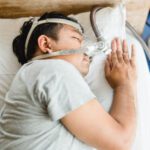
Positive airway pressure (PAP) therapy is usually the primary treatment for OSA. PAP therapy sends pressurized air through a mask worn during sleep to keep the airway open. There are several different types of PAP devices a doctor may prescribe, including CPAP, APAP, and BiPAP. Some studies have found that CPAP therapy can reduce ED in people with OSA.
Other treatments for obstructive sleep apnea include:
- Lifestyle changes: Depending on an individual’s risk factors for OSA, a doctor may recommend several lifestyle changes. These may include getting more exercise, weight loss, changing sleep position, and avoiding alcohol and certain medications.
- Oral appliances: Oral appliances are custom-fitted devices worn during sleep that keep the airway open by shifting the lower jaw forward. These devices must be fitted by a dentist or oral surgeon with experience in treating sleep apnea.
- Surgery: Surgery for sleep apnea may be recommended when other treatments aren’t effective. There are a wide variety of surgeries that may be used depending on an individual’s unique needs.
Treatment for Erectile Dysfunction
To determine the best treatment for erectile dysfunction, A doctor starts by identifying the cause and understanding a person’s individual preferences. They can then discuss lifestyle changes, medications, and other treatments that help people get and maintain an erection.
- Behavior changes: Research shows that increasing physical activity, weight loss, and quitting both smoking and recreational drugs may reduce erectile dysfunction.
- Medications: There are several medications used to treat erectile dysfunction. These medications typically relax certain muscles while causing more blood to flow to the penis.
- Erection devices: Vacuum devices, commonly known as penis pumps, create a vacuum around the penis, drawing blood into it. Once erect, a band is applied at the base to maintain the erection.
- Testosterone replacement: Doctors may recommend testosterone therapy in people who have low levels of this hormone.
- Talk therapy: For some people, anxiety, stress, and other emotional challenges may contribute to erectile dysfunction. Addressing these issues with a trained counselor may be helpful in reducing symptoms.
- Surgery: Doctors may recommend surgery when other treatments don’t reduce erectile dysfunction. Surgical options include a procedure to improve blood flow to the penis or the placement of a prosthetic penis, also called a penile implant.
Medical Disclaimer: This content is for informational purposes and does not constitute medical advice. Please consult a health care provider prior to starting a new treatment or making changes to your treatment plan.

Still have questions?
Sleep apnea products can be confusing. If you need individualized assistance, post your question to the Sleep Doctor forum.

Written by
Tochukwu Ikpeze, MD, Contributing WriterTochukwu grew up in New York and has a passion for creative and scientific writing. Tochukwu holds an undergraduate degree in Biology and Psychology, a Master’s degree in Biomedical Science, and a Medical Degree as well. In his free time, Tochukwu enjoys reading, learning, exploring various topics pertaining to the human condition and conveying that information to the public through writing.
Reviewed by
Pranshu Adavadkar, MD, Medical ReviewerDr. Pranshu Adavadkar is a board-certified sleep medicine physician and pediatrician with more than two decades of clinical experience diagnosing and treating sleep disorders in both children and adults. His clinical work focuses on conditions such as obstructive sleep apnea, insomnia, and other sleep-related breathing disorders.