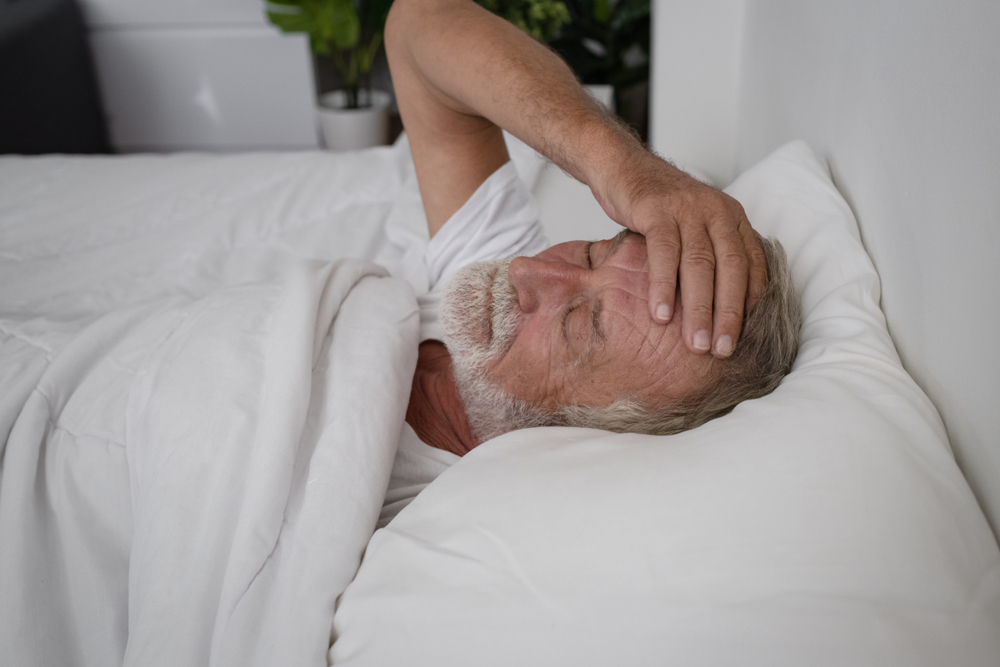
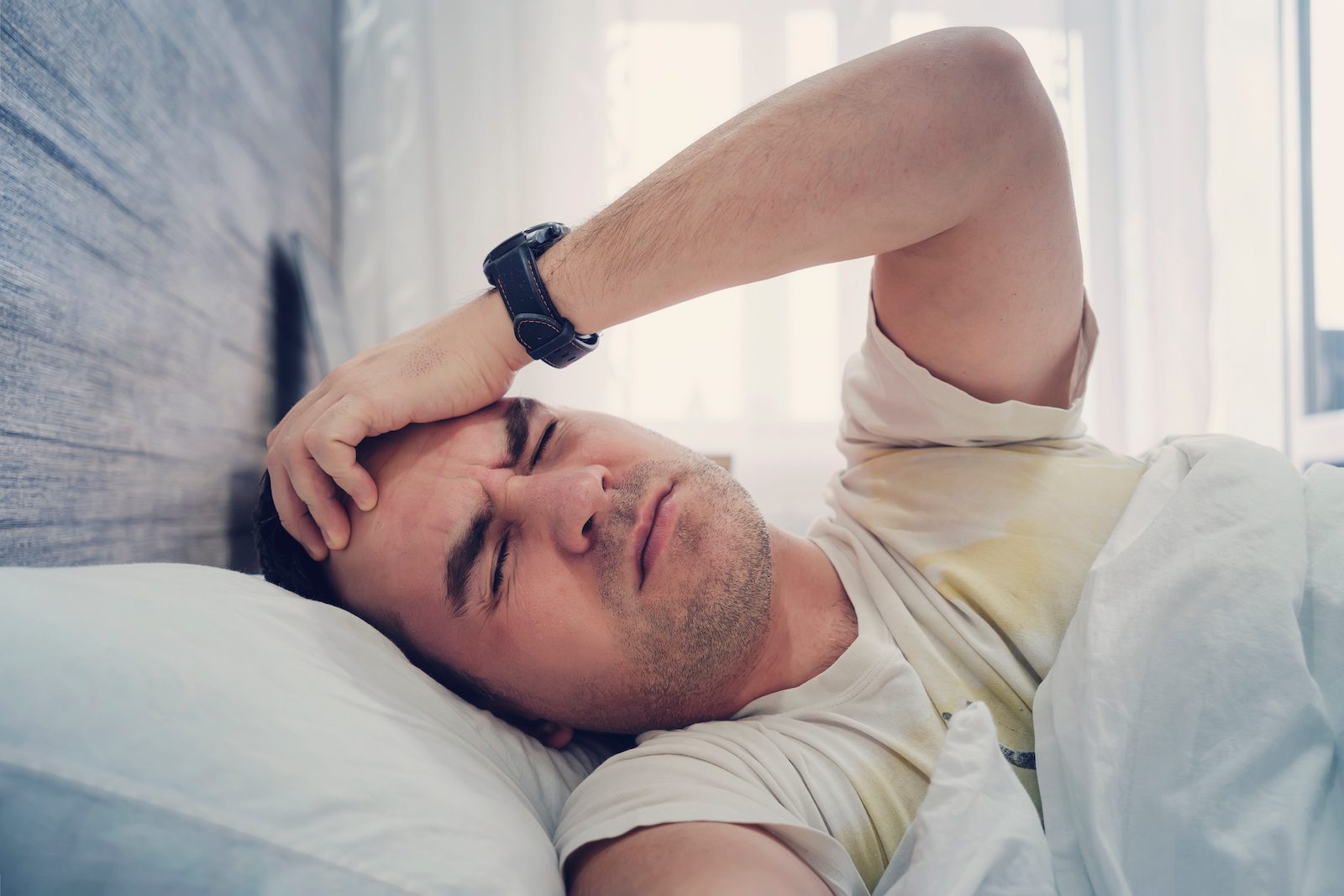
Morning headaches can be a sign of obstructive sleep apnea (OSA). Approximately 10 to 30% of people with untreated sleep apnea will wake up with a morning headache, compared to only 5% of the general population.
These headaches often result from disrupted breathing during sleep, which can lower oxygen levels, increase carbon dioxide levels, and strain the body’s systems overnight. They may also be linked to poor sleep quality, frequent awakenings, and nighttime oxygen fluctuations—all common features of OSA.
Below, we explore the relationship between sleep apnea and headaches and discuss possible treatment options.
Think You May Have Sleep Apnea? Try an At-Home Test

our partner at sleepdoctor.com
10% off Home Sleep Tests
Buy Now“Truly grateful for this home sleep test. Fair pricing and improved my sleep!”
Dawn G. – Verified Tester

Simple and convenient
- Equipment delivered to your doorstep
- One overnight test in the comfort of your own bed

Uncover sleep apnea
- Quietly collects data while you sleep
- 98% effective in detecting sleep apnea

Affordable & ships fast
- Arrives in 2-4 business days
- In-lab sleep tests cost ~$3,000+ (this one’s $189), HSA/FSA eligible


Does Sleep Apnea Cause Headaches?
Yes, obstructive sleep apnea can cause morning headaches due to repeated breathing disruptions during sleep. Poor sleep quality, frequent awakenings, and increased pressure inside the head during apnea events may also contribute to headaches.
Can Sleep Apnea Cause Migraine Headaches?
Sleep apnea doesn't directly cause migraines, but it may increase the likelihood or frequency of migraine attacks in people who are already susceptible. Disrupted sleep, nighttime drops in oxygen, and changes in blood flow can all act as triggers for migraine in some individuals.
Why Does Sleep Apnea Cause Headaches?
Researchers don't yet fully understand why some people with untreated obstructive sleep apnea experience morning headaches while others don't.
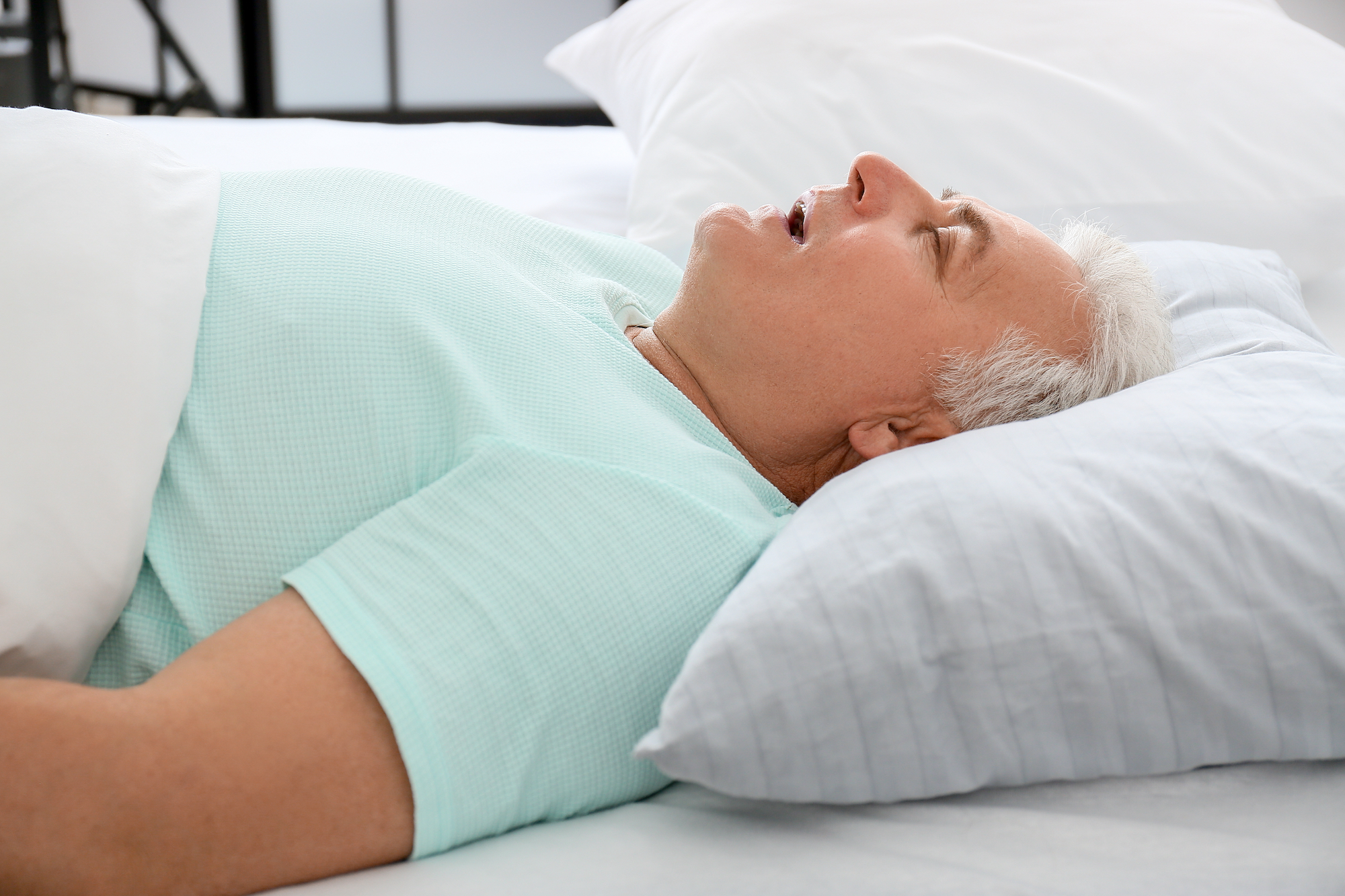
OSA is a condition where a person’s airway becomes partially or completely blocked during sleep, leading to repeated pauses in airflow. This may lead to symptoms, such as nighttime awakenings, gasping for air, or loud snoring.
Current research suggests that sleep apnea headaches may be caused by disrupted sleep, dilated (widened) blood vessels, increased intracranial pressure, or an excess of carbon dioxide in the bloodstream. However, the exact causes for sleep apnea headaches remain a mystery.
Experts have explored the potential link between morning headaches and low levels of oxygen in the bloodstream. However, studies have not discovered any significant difference in oxygen levels among people with OSA who experience morning headaches compared to those without. Therefore, low oxygen levels alone do not explain sleep apnea headaches.
There are several other factors that may increase the likelihood of sleep apnea headaches.
- Identifying at female: Sleep apnea headaches are reported more frequently in people identifying as female.
- Obesity hypoventilation syndrome: People with obesity are at risk for morning headaches due to obstructive sleep apnea and/or a disorder known as obesity hypoventilation, which reduces airflow into the lungs.
- Mood disorders: There also appears to be an association between sleep apnea headaches and mood disorders. People with sleep apnea and depression are more likely to suffer from morning headaches.
A variety of factors may contribute to sleep apnea headaches, highlighting the need for further research to better understand the relationship between OSA and morning headaches.

What Does a Sleep Apnea Headache Feel Like?
Sleep apnea headaches are usually felt on both sides of the head and are often described as a pressing or squeezing sensation in the temples. Unlike other types of headaches, they aren't usually accompanied by nausea or sensitivity to light and sound. A sleep apnea headache is present when you wake up and occurs at least 15 days a month.
In order to be diagnosed with a sleep apnea headache, a person must have a diagnosis of obstructive sleep apnea. Medical professionals rate the severity of a person’s sleep apnea based on the apnea-hypopnea index (AHI), a measurement that determines the number of breathing interruptions they encounter per hour during each night.
A person must have an AHI of 5 or higher to be diagnosed with a sleep apnea headache and often a doctor can see a clear association between the headache and the sleep apnea. For example, the headaches have worsened as the sleep apnea has worsened or the headaches have greatly improved or resolved with sleep apnea treatment.
How Do You Treat Sleep Apnea Headaches?
When sleep apnea is properly treated, the headaches often go away completely. If you're waking up with a morning headache, it's best to speak with your doctor. They can help you determine whether your headache is related to sleep apnea or another cause and prescribe the right treatment.
CPAP Therapy
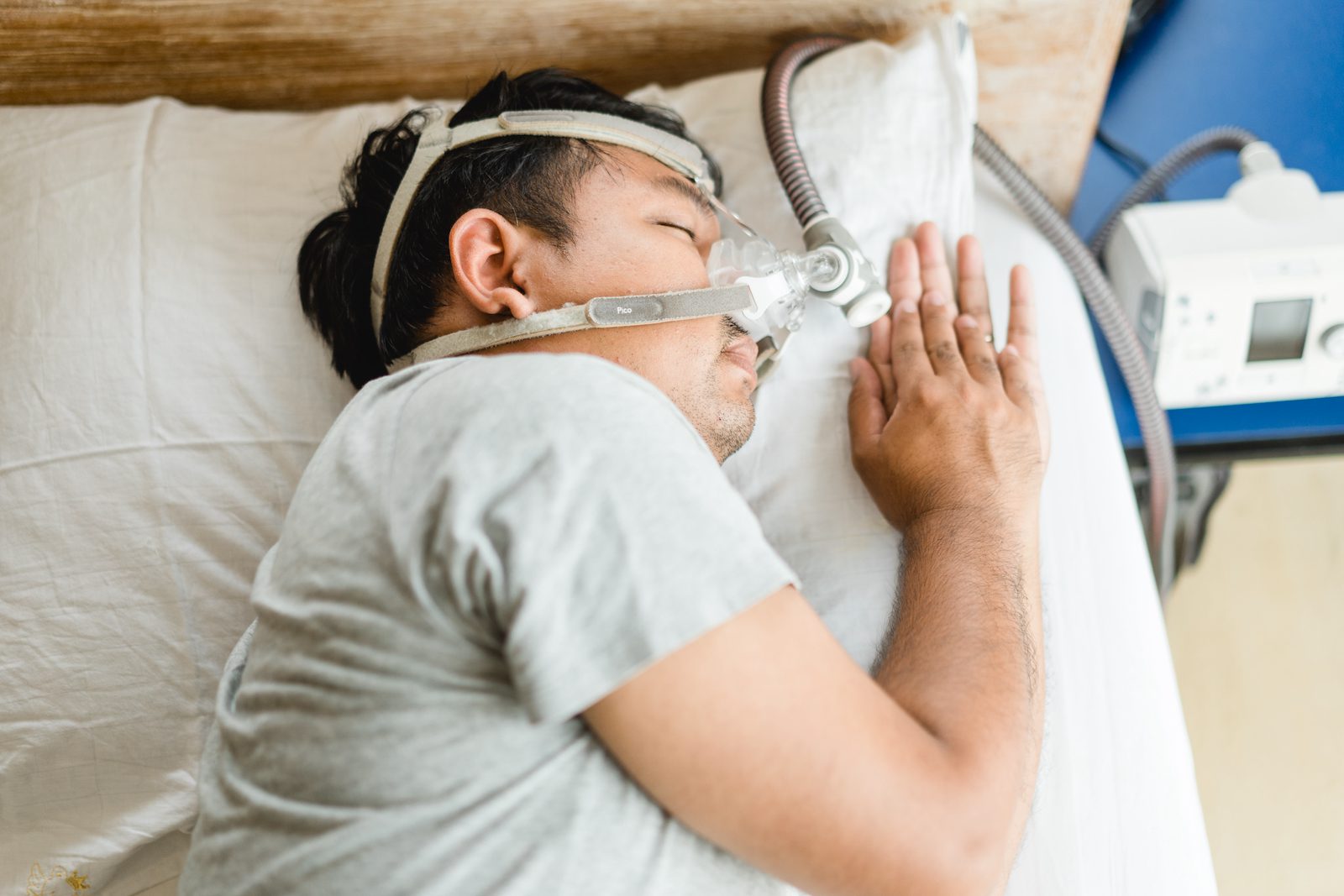
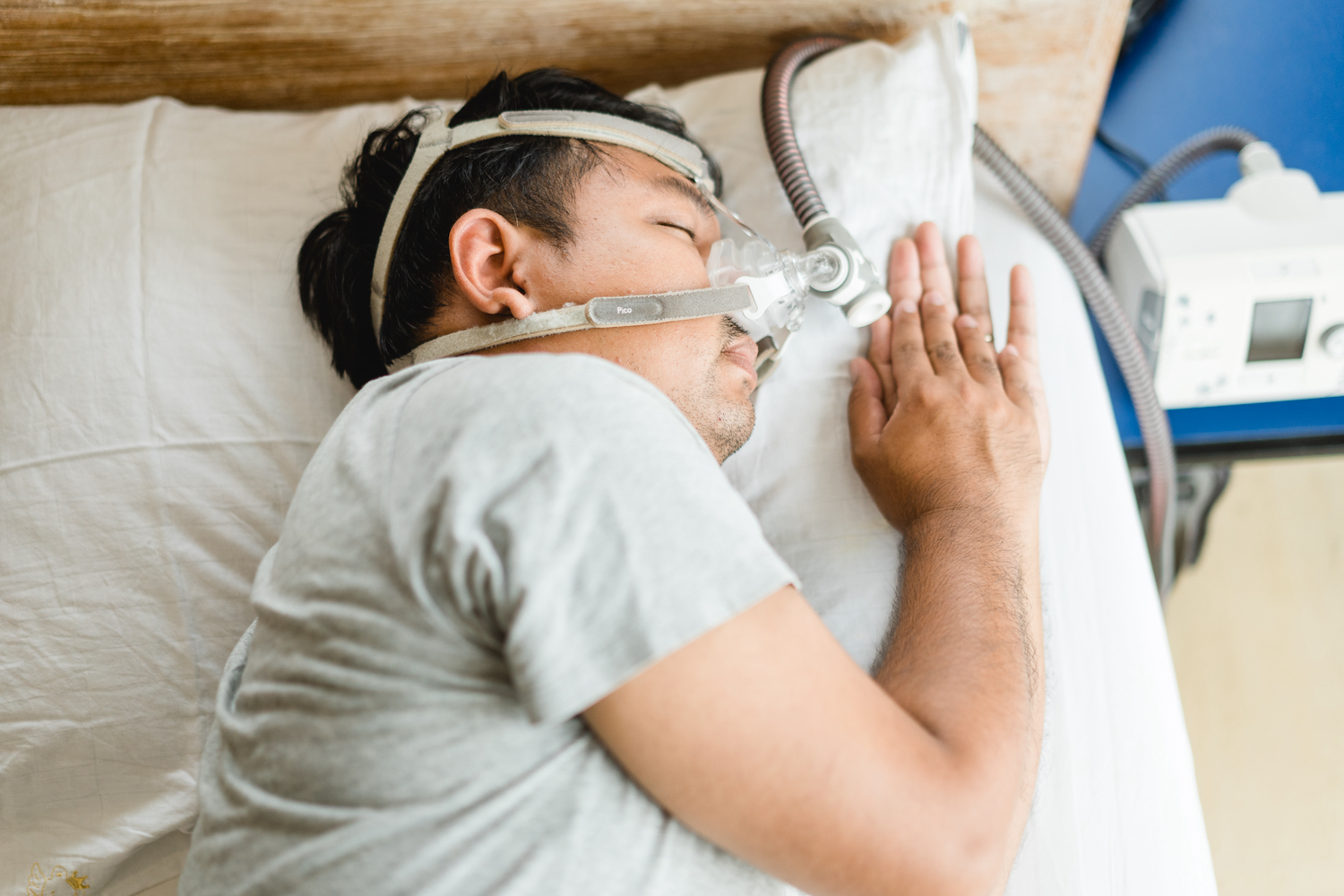
Continuous positive airway pressure (CPAP) therapy is considered the gold standard in treatment of obstructive sleep apnea. CPAP therapy delivers pressurized air through a facial mask during sleep. The pressurized air keeps the airway open and prevents respiratory AHI events.
CPAP treatment is highly effective in the treatment of OSA and studies have found that up to 90% of sleep apnea headaches resolve with CPAP treatment.
Lifestyle Changes
A doctor may also recommend lifestyle changes to help manage sleep apnea symptoms. Lifestyle suggestions may include:
- Avoiding or reducing alcohol within two to fours of bedtime
- Exercising and losing excess weight
- Avoiding sleeping on your back
Oral Appliances
Oral appliances may be a treatment option if you're unable to tolerate CPAP therapy. These dental devices keep the airway open during sleep by repositioning your jaw or tongue. Oral appliances are available over-the-counter but most sleep specialists recommend you have them custom fitted to ensure they are comfortable and effective.
Surgery
In rare cases, surgery may be a treatment option for sleep apnea. Surgery is often only considered for adults who have tried other treatment options and weren't successful. The type of surgery depends on several factors but may include removing extra tissue in the throat or removing the tonsils.
When to See a Doctor
You should consider seeing a doctor if you regularly wake up with morning headaches, especially if they occur alongside other symptoms of sleep apnea, such as loud snoring, gasping or choking during sleep, daytime fatigue, or difficulty concentrating.
Headaches that worsen over time, appear suddenly, or are accompanied by neurological symptoms, such as vision changes, dizziness, or weakness, should be evaluated promptly, as they may signal another underlying condition.
If you suspect you might have sleep apnea, a doctor or sleep specialist can recommend an overnight sleep study or an at-home sleep apnea test to determine whether breathing disruptions are contributing to your headaches. Treatment for sleep apnea often leads to a reduction in morning headaches, so early evaluation is key to improving your sleep and overall health.
Have a question for our experts? Submit it to the Sleep Doctor Forum.
Written by
Amber Garnett, Contributing WriterAmber is a freelance writer who resides in Seattle. Amber has worked as a clinical social worker in the medical field for over a decade. She loves long nature walks, traveling and reading poetry.

Reviewed by
Gerard Meskill, MD, FAASM, Medical ReviewerGerard J. Meskill, MD, is board certified in both neurology and sleep medicine, and he is the founder and CEO of Tricoastal Narcolepsy and Sleep Disorders Center. The “Tricoastal” moniker references his background: he completed neurology residency on the East Coast at Long Island Jewish Medical Center – where he served as chief resident, sleep fellowship on the West Coast at Stanford University, and he now practices sleep medicine and neurology on the Gulf Coast in the greater Houston, Texas area.