At a Glance
For many children with obstructive sleep apnea, sleeping on the side is the best position, because it may help keep the airway open and reduce breathing disruptions. Back sleeping with the upper body elevated may also help. However, the effect of sleep position varies, and changing positions should not replace evaluation or treatment recommended by a pediatric sleep specialist.
If your child has been diagnosed with sleep apnea, you’re probably busy navigating different treatment options and wondering which is the best. One of the simplest ways to help improve symptoms, along with any physician-recommended treatments, might be to identify whether your child’s breathing changes with sleep position.
Below, we’ll discuss how sleep position affects sleep apnea symptoms, which are the best sleeping positions for a child with sleep apnea, and tips to help keep your child in that position.
Can Sleeping Position Affect Sleep Apnea in Children?
Sleeping position can play an important role in childhood sleep apnea, especially obstructive sleep apnea (OSA), which occurs when the upper airway is partially or completely blocked during sleep.
During sleep, the muscles that help support the airway relax. The tongue and soft tissues become floppier and may drift into the airway, blocking the passage of air and causing sleep apnea. Sleeping positions that allow the tongue to fall back into the throat have a higher chance of blocking the airway.
Experts use the term positional OSA to refer to a type of OSA in which symptoms worsen in certain sleep positions, most often when a person is lying on their back or also called supine sleep position. Generally, someone is considered to have positional OSA if they have more than double the breathing interruptions when back sleeping versus when sleeping in other positions.
Although there’s less research on positional OSA in children than adults, it seems more likely to occur in older children and those who have obesity. Other factors include tonsil and adenoid size, craniofacial anatomy, muscle tone, sleep stage and the severity of sleep apnea can all influence whether position during sleep makes a meaningful difference.
What Is the Best Sleeping Position for a Child With Sleep Apnea?
The best sleeping position to reduce OSA symptoms in your child depends on their craniofacial and airway anatomy. However, many parents find their child’s symptoms improve when they’re sleeping on their side or on their back with their upper body elevated.
Although some children may find relief by switching to a different sleep position, positional therapy doesn’t have enough evidence to be considered a standard stand-alone treatment for pediatric OSA. It’s only likely to work for children with positional OSA, and it may need to be used along with other types of therapy, such as continuous positive airway pressure (CPAP) therapy.
Side Sleeping
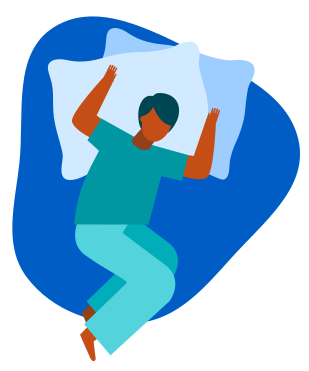
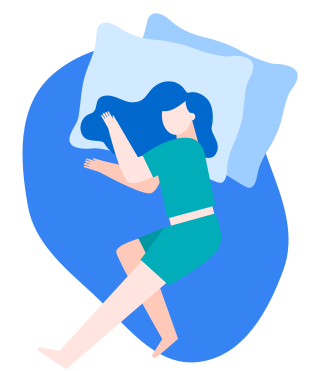
Side sleeping is generally considered the best sleeping position for a child with sleep apnea, as gravity is less likely to pull the tongue and soft palate into the throat in this position. Side sleeping also helps widen the rest of the upper airway.
However, side sleeping isn’t necessarily the best position for every child. A sleep study may show little difference between positions, and younger children can have OSA that’s strongly influenced by rapid eye movement (REM) sleep, rather than body position.
Additionally, infants should always be placed on their backs for sleep, even if they have sleep apnea, unless a physician gives different instructions for an exceptional medical circumstance.
Back Sleeping With the Head of the Bed Elevated
Sleeping with the upper body elevated helps keep the airway open by encouraging soft tissues to fall forward rather than back into the throat. You can elevate your child’s upper body with a wedge pillow or by using blocks to raise the head of the bed. Avoid elevating just their head, as this can place strain on the neck.
For infants, the sleep surface should remain firm, flat, level, and free of pillows or positioning devices. Inclined sleep surfaces and wedges aren’t considered safe for routine infant sleep. For an older child, a clinician may occasionally recommend elevation for a specific medical reason, but this should be individualized and shouldn’t substitute established OSA treatment.
Are There Sleep Positions Children With Sleep Apnea Should Avoid?
Experts recommend avoiding sleep positions that cause the airway to narrow. Many children find their sleep apnea improves if they avoid back sleeping, and some children may find their sleep apnea improves if they avoid stomach sleeping. This should ideally be confirmed by a sleep study rather than assumed from snoring alone.
Sleeping Flat on the Back
During back sleeping, gravity allows the tongue, soft palate, and other upper-airway tissues to move backward, reducing the space available for airflow. As a result, obstructive sleep apnea (and snoring) often worsens when lying on the back.
One study did find that turning the head to one side while back sleeping could help open up the airway. If your child is a diehard back sleeper and has trouble sleeping in other positions, this could be an option.
Sleeping on the Stomach
Research has found that some children may have worse OSA symptoms when stomach sleeping, though this varies from person to person. Stomach sleeping is also generally recognized as the position most likely to cause head and neck pain, and it’s dangerous for infants.
Other children may have fewer obstructive events in the prone position, so stomach sleeping cannot be broadly classified as harmful or beneficial for pediatric OSA based on the available evidence.
Tips for Helping a Child Stay on Their Side
Purposely adopting specific sleep positions to improve sleep apnea symptoms is called positional therapy. Although there isn’t much research yet on positional therapy for childhood sleep apnea, it has a low risk of side effects, and it’s not expensive or difficult to access. There are several positional therapy techniques you can use to help encourage side sleeping in your child.
- Pillows: For an older child who can safely sleep with pillows, try placing an elongated body pillow behind your child to prevent them from rolling onto their back or have them hug the pillow while they sleep on their side, being careful to keep it away from their face. Companies also sell a belt that inflates in the back to make it uncomfortable to sleep on the back.
- Wearable positional devices: Companies sell positional belts or vibrating devices intended to discourage back sleeping. These products are primarily studied in adults, and their safety, comfort, and effectiveness haven't been well established in children.
- Bedtime positioning strategies: When it’s time for bed, it may help to remind your child to sleep on their side. Remember that to reduce the risk of sudden infant death syndrome (SIDS), infants under the age of 1 year should always be placed on their back to sleep, never on their side or stomach.
- Avoid unsafe positioning devices: It’s important to avoid any pillows or other positioning devices that restrict movement or risk trapping the child, especially in a position where their nose or mouth is covered.
Other Treatments for Pediatric Sleep Apnea
Treatment for childhood obstructive sleep apnea depends on the underlying reason for the symptoms. The most common treatment options are surgery, CPAP therapy, and weight loss (for children with obesity). For selected mild cases, doctors may also recommend watchful waiting with supportive care and close follow-up.
Children are more likely to have OSA if they have certain anatomical features or neuromuscular conditions. In some cases, it may be necessary to address these conditions specifically.
Adenotonsillectomy
In preschool-aged children, OSA is often due to enlarged tonsils and adenoids. Tonsils and adenoids are part of the lymphatic system and help fight infections, but they’re not 100% necessary. Removing the tonsils and adenoids can effectively eliminate sleep apnea symptoms for about 50% of these children.
More rarely, your doctor may recommend other types of surgery, such as procedures that alter the tissues in the soft palate or remove physical structures that are blocking the airway.
CPAP Therapy
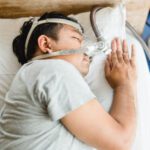
If adenotonsillectomy doesn’t work or if the problem isn’t caused by the tonsils and adenoids, doctors may prescribe CPAP therapy. During sleep, your child wears a mask that softly blows pressurized air into the nose or nose and mouth. The pressurized air helps prevent the airway from collapsing.
Children may have trouble getting used to wearing a CPAP mask. Working closely with your pediatrician and implementing tips for sleeping with CPAP can help them get the most out of this therapy, which can be very effective but only if it’s used consistently.
Gradual desensitization, positive reinforcement, age-appropriate explanations, careful mask fitting, heated humidification, and treatment of nasal congestion may improve tolerance. CPAP settings should be prescribed and monitored by a clinician experienced in treating children, since pressure needs and mask fit can change as a child grows.
Weight Management
Extra body fat around the throat and abdomen can contribute to airway narrowing and altered breathing mechanics. Children who are overweight, and especially those with obesity, may benefit from working toward a healthy weight.
OSA associated with obesity is more common in older children and teens. However, weight loss doesn’t usually cure OSA all by itself. It’s important to work with a doctor if you’re considering weight loss as an OSA treatment, because many children with OSA don’t need to lose weight.
Treating Allergies or Nasal Congestion
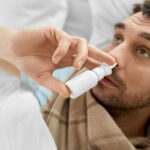
Seasonal allergies and exposure to irritants like tobacco smoke can be important drivers of sleep apnea symptoms, as they cause a stuffy nose and swollen airways. Though it’s not a full cure for sleep apnea, try to keep your child away from secondhand smoke and ask your doctor about nasal sprays and other allergy treatments.
Orthodontic and Other Specialist Treatments
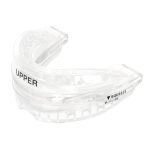
Under the guidance of a dentist, children may use specialized oral appliances to pull forward the tongue or the lower jaw. Younger children may also benefit from maxillary expansion, which involves wearing a metal dental appliance to gradually widen the jaw and the nasal cavities.
Another option is myofunctional therapy, which aims to strengthen the muscles in the mouth and throat. More research is needed to know if myofunctional therapy successfully reduces sleep apnea in children.
When to See a Pediatrician
Schedule an appointment with your pediatrician if your child is showing symptoms of sleep apnea, or if they’re already undergoing treatment but the symptoms aren’t going away. Symptoms to watch out for include:
- Persistent snoring or labored breathing, although not every child with OSA snores
- Witnessed breathing pauses or gasping that cause them to move or wake up
- Difficulty concentrating or hyperactivity
- Poor growth
- Learning or behavioral problems
- Moodiness and irritability
- Daytime sleepiness (more common in older children and adults)
- Movement of the rib cage or sleeping in odd positions, especially sitting up
- Sweating or morning headaches
- Bedwetting in children who had stopped bedwetting
- Mouth breathing during the day
- An ADHD diagnosis or symptoms that mimic ADHD
- Difficulty waking in the morning
- Frequent nighttime urination
Your doctor can evaluate your child’s symptoms and refer them for a sleep study if appropriate. Diagnosing and treating sleep apnea is important to ensure healthy development and avoid a higher risk of heart or lung problems down the road.
Medical Disclaimer: This content is for informational purposes only and isn't a substitute for professional medical advice. Consult your healthcare provider with questions about any symptoms you're experiencing or before changing or stopping an existing treatment.

Written by
Danielle Pacheco, Contributing WriterDanielle is originally from Vancouver, BC, where she has spent many hours staring at her ceiling trying to fall asleep. She channels her frustration into researching sleep solutions and sharing insights with fellow insomniacs. Danielle spends her downtime trying out new recipes and working off the calories on the soccer field. Danielle studied the science of sleep with a degree in psychology at the University of British Columbia.

Reviewed by
Lulu Guo, MD, Medical ReviewerDr. Lulu Guo is a board-certified sleep medicine and family medicine physician who specializes in diagnosing and treating sleep disorders, including obstructive sleep apnea, insomnia, and other sleep-related breathing conditions. She is known for taking a patient-centered approach to sleep care, helping individuals improve their overall health and quality of life through better sleep.