At a Glance
Mandibular advancement devices (MADs) treat mild-to-moderate sleep apnea by holding your lower jaw forward while you sleep, which creates more space in your upper airway and helps prevent blockages. An oral appliance may work well for you if you have mild or moderate obstructive sleep apnea, healthy teeth, and no problems with your jaw. Custom mandibular advancement devices work better than over-the-counter options, and insurance may cover some of the cost.
For some people with sleep apnea, a small device worn inside the mouth can make it easier to breathe while they sleep. A mandibular advancement device (MAD) is an oral appliance that gently moves the lower jaw forward, helping create more space in the upper airway and prevent it from narrowing or collapsing during sleep.
MADs may be an alternative for people who have difficulty with CPAP therapy or prefer a smaller, more portable treatment. Below, we’ll explain how these devices work, who may benefit from one, how effective they are, and what to know about cost and side effects.
A Simpler Way to Treat Sleep Apnea
Sleep Doctor’s oral appliances provide an alternative treatment designed for comfort, portability, and ease of use.

What Is a Mandibular Advancement Device?
Mandibular advancement devices can help people with sleep apnea breathe and sleep better. When you have obstructive sleep apnea (OSA) — the most common type — excess tissue in the upper airway and narrow breathing passages can cause pauses in breathing while you sleep. An oral appliance like a MAD helps keep your upper airway open.
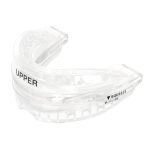
A mandibular advancement device fits over your upper and lower teeth. Also called mandibular advancement splints or mandibular repositioning devices, these mouth guards push your lower jaw forward, which helps keep your tongue away from the back of your throat.
Custom vs. Over-the-Counter Mandibular Advancement Device
You may see anti-snoring mouth guards advertised online or available at your local drugstore. These devices typically instruct you to boil it to soften the material, then bite into it to mold to your teeth. That’s why they’re often referred to as “boil and bite” mouth guards.
Unlike over-the-counter options, custom MADs allow your doctor to slowly increase how much your lower jaw moves forward. This helps you get used to the device, but it also lets your doctor or dentist find the best balance between comfort and better breathing.
These custom-made devices reduce breathing pauses better than ready-made versions. And many say they can tolerate wearing custom mouth guards more than ready-made types.
Mandibular Advancement Device vs. Tongue-Retaining Device
Another type of oral appliance for snoring and OSA, a tongue-retaining device (TRD), pulls your tongue forward with suction. Instead of fitting it to your teeth, you press a bulb that sits outside your mouth, push the tip of your tongue inside, then release the bulb.
This pulls your tongue into the device, which keeps it from falling back while you sleep. Studies haven’t confirmed how well tongue-retaining devices work for sleep apnea, and most doctors recommend a MAD instead.
| Mandibular Advancement Device | Tongue-Retaining Device | |
|---|---|---|
| How It Works | Pushes the lower jaw forward | Holds the tongue forward with suction |
| Best For | Sleepers with mild-to-moderate OSA who can't tolerate CPAP | People who want to stop snoring |
| Who Shouldn't Use | People who don't have enough teeth and those with severe TMJ or jaw pain | Those with severe nasal obstruction or severe gum disease |
| Short-Term Side Effects | Jaw pain, dry mouth, drooling, irritated gums, and teeth grinding | Discomfort, pain, drooling, and dry mouth |
| Long-Term Side Effects | Bite changes, tooth loosening, and TMJ problems | Minor tooth movement |
| Price (Custom) | Thousands (though insurance may cover all or some) | Hundreds or thousands (though insurance may cover all or some) |
| Price (Over the Counter) | Between $30 and $200 | Less than $100 |
How Does a Mandibular Advancement Device Work?
In obstructive sleep apnea, your tongue and other tissues near your throat relax while you sleep, which can block your airway. Mandibular advancement devices keep your lower jaw pulled forward during sleep, which increases the overall size of your airway.
They also keep your tongue pulled forward. This can improve both snoring and mild-to-moderate sleep apnea.
A mandibular advancement splint can come as one connected appliance or two pieces that latch together. They can also differ by how much of your teeth they cover and how much you can breathe through your mouth with it in.
Neither type of oral appliance should be used by people with central sleep apnea; braces; certain dental conditions like loose teeth, untreated gum disease, severe jaw pain, or temporomandibular joint (TMJ) disorders; severe low oxygen levels during sleep; an immediate need for obstructive sleep apnea therapy; or an inability to remove the device from the mouth.
Who Can Use a Mandibular Advancement Device?
Several mandibular advancement devices are FDA-approved for treatment of sleep apnea. They work best for people with certain types of OSA or for those who haven’t had success with other treatments.
Who May Benefit From a Mandibular Advancement Device?
You may benefit from a mandibular advancement device if you:
- Have mild-to-moderate OSA
- Are younger than 60 years old
- Have a BMI under 30
- Cannot tolerate CPAP
- Want to try an alternative to CPAP
- Have OSA caused mostly by your sleep position
- Snore but don’t have OSA
- Have healthy teeth that can hold the appliance
People who like their oral appliance say it’s easy to use, quiet, convenient, and comfortable once you get used to it.
Who Shouldn't Use a Mandibular Advancement Device?
A mandibular advancement device may not work well in these conditions:
- Dental issues like unstable teeth
- Not enough teeth to hold the device in place
- Temporomandibular joint (TMJ) problems including arthritis
- Severe OSA
- Central sleep apnea (CSA)
- Certain unique jaw anatomy and facial shapes, e.g. micrognathia
- Arthritis or other conditions that make it more difficult to place the device


How Effective Are Mandibular Advancement Devices?
Research suggests that mandibular advancement splints improve apnea-hypopnea index (AHI) scores, which measure how many times someone with sleep apnea experiences pauses in breathing per hour of sleep. These devices may also improve sleep apnea symptoms and complications like:
- Excessive daytime sleepiness
- High blood pressure
- Loud snoring
- Trouble with concentration and attention
Your airways have a unique structure and shape, so your doctor will need to fit and manage your mandibular repositioning device to match your individual needs. They’ll also ask you to follow up with them regularly so they can make sure the device is still working well and appropriately treating your sleep apnea.
Mandibular Advancement Device vs. CPAP
When comparing CPAP and oral appliances, it’s first important to note that MADs are only recommended for mild to moderate cases of sleep apnea and aren't appropriate for everyone. Additionally, CPAP lowers AHI scores more than a mandibular advancement device. However, not everyone can tolerate CPAP, and some people prefer the mouth guard.
Although CPAP is the first-choice sleep apnea treatment, if you don’t wear it for at least four hours every night, you won’t get the maximum benefit. If you can wear your mouth guard more, your doctor may recommend that treatment instead.
Side Effects of Mandibular Advancement Devices
Mandibular advancement devices can cause side effects, some of which ease after a few weeks as a person gets used to wearing the device. Early side effects include:
- Tooth soreness
- Jaw pain
- Dry mouth or excessive drooling
- Irritated gums
Over months to years, some people develop a slight underbite. It’s rare, but you can also get loose teeth or your device can break. If your side effects feel unmanageable, or you have questions about your symptoms, talk to your dentist, who can help you troubleshoot the problem and find a solution.
How to Get a Mandibular Advancement Device
Your doctor can guide you through sleep apnea diagnosis and refer you to a dentist, who will fit your device and teach you how to use it.
The process for getting a mandibular advancement device usually includes these steps:
- Sleep apnea diagnosis: Your doctor will ask you about your symptoms and if they suspect sleep apnea, will schedule a sleep study to confirm the diagnosis.
- Dentist referral: If your doctor decides your sleep apnea would benefit from an oral appliance, they’ll arrange a referral to a qualified dentist or oral surgeon.
- Device fitting and adjustment: Your dentist or oral surgeon will take images and impressions of your teeth, evaluate your jaw, and recommend an oral device. They’ll also make sure the device fits and adjust it periodically over the next few months.
- Follow-up: You may need to have other sleep tests done to find out how well your MAD is working. Follow-up visits with your dentist can help you monitor how your teeth and jaw respond to using the device long-term.
How to Use a Mandibular Advancement Device
To use a mandibular advancement device, insert it before you go to sleep, making sure it’s placed correctly over your teeth. Wear it every night for at least four hours per night. In the morning, remove it carefully.
It can take time to get used to a mandibular advancement splint, but many people can tolerate it well after a few weeks. Once you can wear it all night comfortably, you can adjust it per your dentist’s instructions. Each tiny change will increase how much it pushes your lower jaw forward.
How to Clean a Mandibular Advancement Device
Your dentist will tell you how to clean your oral device daily. Always follow their advice as well as the manufacturer’s instructions. In general, you’ll follow these cleaning tips:
- Use a mild, approved cleaner; warm water (not hot); and a soft toothbrush to clean the device.
- Let your mouth guard dry fully before putting it in a case.
- Avoid harsh cleaning solutions, mouthwash, or denture cleaning tablets.
Frequently Asked Questions
Over-the-counter mandibular advancement devices cost between $30 and $200. Custom-made devices can cost thousands of dollars, but your medical or dental insurance may cover some of the cost. Check with your carrier to confirm your plans details.
Medicare may pay for mandibular advancement devices if you qualify for that Medicare benefit and have diagnosed sleep apnea.
Mandibular advancement devices are considered safe but carry the possibility of some side effects like jaw pain, tooth discomfort, teeth shifting, dry mouth, or making too much saliva. Side effects are usually mild, but talk to your doctor about any new or uncomfortable symptoms.
When you wear a mandibular advancement device every night for months or years, your bottom teeth can shift in front of your upper teeth, which may change how your face looks.
Medicare offers mandibular advancement device replacements after five years, but you may be eligible for replacement earlier if it gets damaged, broken, or lost.
Medical Disclaimer: This content is for informational purposes only and isn't a substitute for professional medical advice. Consult your healthcare provider with questions about any symptoms you're experiencing or before changing or stopping an existing treatment.

Written by
Abby McCoy, RN, Contributing WriterAbby McCoy is an experienced RN who has worked with adults and pediatric patients encompassing trauma, orthopedics, home care, transplant, and case management. She holds a Bachelor’s of Science in Nursing from St. Louis Univeristy and has practiced nursing all over the world from San Francisco, CA, to Tharaka, Kenya. She now writes health content for trusted health outlets like Everyday Health and Next Avenue.

Reviewed by
Dustin Cotliar, MD, MPH, Medical ReviewerDr. Dustin Cotliar is a board-certified emergency medicine physician with more than eight years of clinical experience across emergency departments and urgent care settings. He earned his medical degree from the State University of New York (SUNY) Downstate College of Medicine and a Master of Public Health from Columbia University.