At a Glance
Obstructive sleep apnea is sometimes caused by blockages due to enlarged tonsils and can be treated by surgical removal of the tonsils, called tonsillectomy. A tonsillectomy is the most common treatment for obstructive sleep apnea among children, but less common among adults.
If you or your child have obstructive sleep apnea (OSA), you may have heard of a tonsillectomy as a treatment option. Tonsillectomies are the most common sleep apnea treatment for children, but they're rarely performed on adults with sleep apnea.
Below, we’ll cover what a tonsillectomy is, how the surgery may impact sleep apnea symptoms, why the surgery is more common among children than adults, and when to see a doctor.
Considering Treatment? Start With the Right Diagnosis
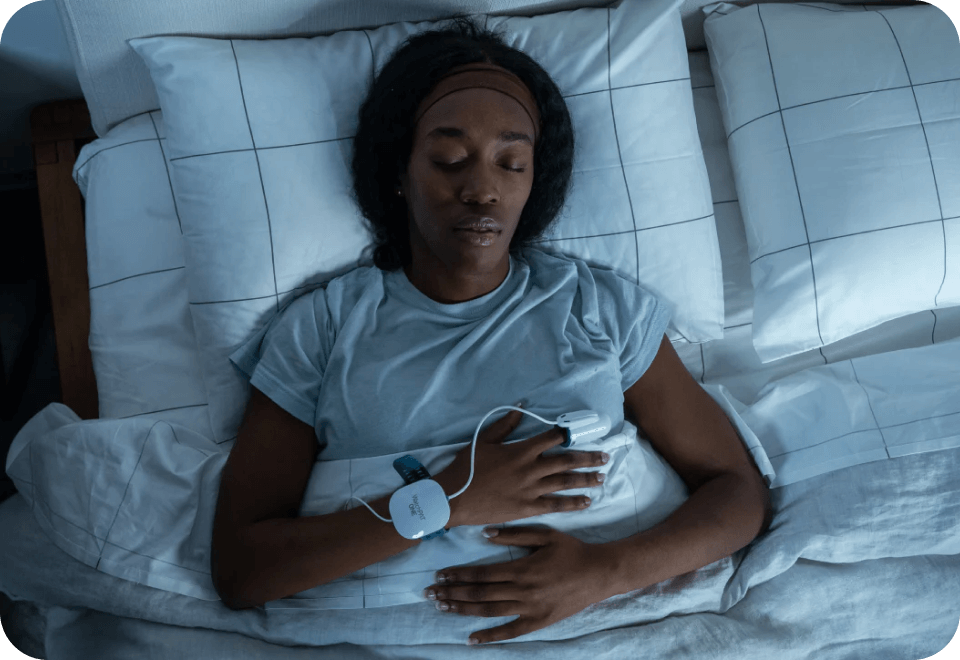
Medications and surgery aren’t right for everyone. Sleep Doctor’s home sleep study helps confirm if you have sleep apnea so you can choose the best treatment.
What Is a Tonsillectomy?
A tonsillectomy is a surgery that involves removing the tonsils, which are glands in the throat. Tonsil removal happens under general anesthesia and can be a type of sleep apnea surgery. The tonsils can be burned (cauterized) or surgically cut out.
Each person is born with four types of tonsils. The visible ones are the palatine tonsils, one on each side of the throat. They support immune system function, helping protect a person from infections, but if a person's tonsils are naturally too big or a person develops swollen tonsils too often, they can interfere with breathing.
What Is an Adenotonsillectomy?
Often, the tonsils and adenoid glands (pharyngeal tonsils) are removed at the same time, and this type of surgery is called an adenotonsillectomy. People are born with two adenoids, which sit in the throat behind the nose. Like tonsils, adenoids exist to help protect from infection. But they too can interfere with breathing when they’re too large. A tonsillectomy or adenotonsillectomy promotes easier breathing by removing these glands, so they can no longer narrow the airway.
Can Enlarged Tonsils Cause Sleep Apnea?
Enlarged tonsils, also called tonsillar hypertrophy, can cause obstructive sleep apnea in both children and adults by narrowing the airway and making breathing difficulties during sleep more likely. Enlarged tonsils, along with enlarged adenoids, cause sleep apnea much more commonly in children than in adults due to their relatively smaller airways.
OSA due to enlarged tonsils may produce multiple signs and symptoms, including loud snoring, lapses in breathing during sleep, gasping or choking during sleep, and daytime tiredness. Children in particular may experience restless sleep; bedwetting; excessive napping during the day; and attention, learning, or behavior problems. It may also affect growth.
Does a Tonsillectomy Cure Sleep Apnea?
Tonsillectomy can cure sleep apnea in some people, but not everyone who gets the surgery is cured. The success rate of tonsillectomy for obstructive sleep apnea varies quite a bit by age and from study to study. Whether or not a tonsillectomy can cure sleep apnea depends on the underlying cause of the disorder in a particular person.
Tonsillectomy for Sleep Apnea in Children
Adenotonsillectomy, or surgery that involves having both the tonsils and adenoids removed, is the first-line treatment for obstructive sleep apnea in children over 2 years old who have enlarged tonsils and adenoids. Each year, about half a million adenotonsillectomies are performed on children and teens in the U.S. alone. About 75% of these surgeries are done with the intention of treating obstructive sleep apnea.
Studies of adenotonsillectomies in children with OSA have found that the surgery cures the sleep disorder in between 27% and 80% of kids. When the surgery doesn't cure sleep apnea in a child, it's often because there are other contributing factors present, like obesity, allergies, an abnormal facial structure, or Down syndrome.
In addition to reducing or eliminating sleep apnea symptoms in children, adenotonsillectomy has been linked to other benefits. The surgery generally improves a child's overall quality of life, as well as sleep quality, above and beyond what would be expected based on the reduction in sleep apnea symptoms. The surgery may also lead to reduced impulsivity, improved attention, better behavior, and improved cognitive function.
Tonsillectomy for Sleep Apnea in Adults
Multiple studies have found that among adults with both enlarged tonsils and mild to moderate obstructive sleep apnea, a tonsillectomy improved the disorder's severity in all participants. Among those with enlarged tonsils and severe sleep apnea, the surgery led to improvement in 72% of people and cured the disorder in 34%. In adults, having enlarged tonsils and a small tongue can increase the chance that a tonsillectomy is successful.
Although experts view these numbers as impressive, it's important to remember that tonsillectomy hasn't been as widely studied as other treatment types. Also, tonsillectomy is only an option when enlarged tonsils are present, which is much less common among adults than children. An adult is more likely to have OSA due to other factors, like obesity or an abnormally shaped face or jaw.
But even when a tonsillectomy doesn't cure OSA, the surgery may be a beneficial part of a broader treatment plan. Because a tonsillectomy can help open the airway, a person who still requires continuous positive airway pressure (CPAP) therapy after the surgery may be able to receive treatment at a lower air pressure. Similarly, treatment with an oral appliance may be more beneficial if a person has also received a tonsillectomy, as there's less tissue crowding the airway.
Risks and Recovery
Recovering from a tonsillectomy or adenotonsillectomy takes about two weeks. During the healing period, a person may have a stuffy nose, nasal drainage, a sore throat, bad breath, minor bleeding, or ear pain. A low-grade fever may occur for the first few days, but if it doesn't go away, contacting a doctor is important. Similarly, nausea and vomiting can occur, but they shouldn't last more than about a day.
Although they’re rare, more serious potential side effects include severe bleeding, vomiting, breathing problems, and trouble swallowing foods or liquids. In these cases, it's important to talk to a doctor. If these symptoms are severe, go directly to the emergency room or call 9-1-1.
To help tonsillectomy recovery go smoothly, people are encouraged to eat soft, cool foods and drink cool, rather than hot, drinks. For example, foods like flavored gelatin, pudding, mashed potatoes, applesauce, smoothies, scrambled eggs, and cool soup are recommended. Acidic drinks like orange juice should be avoided, as should spicy foods and foods that are crunchy or have rough edges. Similarly, high-fat dairy products and aspirin-containing medications are also best avoided until recovery is complete.


Tonsillectomy vs. CPAP: Which Is Better?
Whether CPAP therapy or a tonsillectomy for sleep apnea is the better treatment depends on the individual. Among children, tonsillectomy is the first-line treatment for obstructive sleep apnea. For adults, PAP therapy including CPAP is the first-line treatment and tonsillectomy is uncommon.
Regardless of age, tonsillectomies are only an option if a person has enlarged tonsils or tonsil placement that narrows the airway and potentially interferes with breathing during sleep. When tonsils appear to be contributing to sleep apnea, a tonsillectomy may be an attractive treatment option. If the surgery successfully cures the sleep apnea, as determined by a post-operative sleep study done two to three months after surgery, then the person has resolved the problem with a one-time procedure and won't require ongoing treatment.
However, not everyone feels comfortable undergoing the risks of surgery. CPAP therapy is a non-surgical treatment option that, when used consistently, is highly effective at managing obstructive sleep apnea, especially when the disorder is severe.
Who Is a Good Candidate for Tonsillectomy?
People are often considered good candidates for a tonsillectomy if they've been diagnosed with obstructive sleep apnea and have enlarged tonsils that are visible in an exam. A doctor may do an exam simply by looking directly into the mouth and throat and assigning a score based on tonsil size, or by using a nasal scope to get a closer look at the tonsils and view the adenoids.
Among children, a tonsillectomy or adenotonsillectomy may be performed at times even when the tonsils or adenoids are not particularly large. Research has found that many children have large tonsils, but don’t have OSA. At the same time, a child can have OSA without having enlarged tonsils. For this reason, doctors make the decision to order a tonsillectomy on a case-by-case basis after carefully considering all of the factors involved.
Tonsillectomy is often only considered for adults if CPAP therapy has been tried and either isn't working well or a person discontinues it due to intolerance. When an adult has enlarged tonsils but a small tongue, they may be a particularly good candidate for a successful tonsillectomy.
When to Talk to a Doctor
Talk to a doctor if you or your child are experiencing possible symptoms of obstructive sleep apnea. In both adults and children, these symptoms may include loud, chronic snoring; waking up during the night; snorting, gasping, or choking during sleep; having lapses in breathing during sleep; and being tired during the day. Children may also experience restless sleep at night, bedwetting, napping at inappropriate times during the day, and behavioral or attention issues.
Medical Disclaimer: This content is for informational purposes only and isn't a substitute for professional medical advice. Consult your healthcare provider with questions about any symptoms you're experiencing or before changing or stopping an existing treatment.

Written by
Jay Summer, NBC-HWC, Contributing WriterJay Vera Summer is a writer, editor, and wellness coach. She holds a Bachelor's of Science in psychology and Master's degrees in both writing and public policy. As a wellness coach, she's certified by the Mayo Clinic and the National Board for Health and Wellness Coaching (NBHWC). She's been writing about sleep and other health topics for six years. Previously, she taught undergraduate writing courses for five years at the University of South Florida.

Reviewed by
Brandon R. Peters, MD, FAASM, Medical ReviewerDr. Brandon R. Peters is a board-certified neurologist and sleep medicine physician who specializes in diagnosing and treating sleep disorders, including insomnia, obstructive sleep apnea, circadian rhythm disorders, and narcolepsy. He is a Fellow of the American Academy of Sleep Medicine and currently practices at Virginia Mason Franciscan Health in Seattle.