At a Glance
Moderate sleep apnea causes 15 to 30 breathing disruptions per hour of sleep. Symptoms of moderate OSA include snoring, gasping, choking, morning headaches, dry mouth, and excess daytime sleepiness. Diagnosis involves an exam by a doctor, plus an overnight sleep study. CPAP therapy is used to treat moderate sleep apnea, but oral appliances are an option for those who can’t tolerate CPAP.
Moderate sleep apnea falls between mild and severe sleep apnea, but its effects can still be significant. Frequent breathing pauses — between 15 and 30 per hour for moderate cases — can disrupt your sleep, and untreated sleep apnea can lead to health complications like heart disease and diabetes.
But OSA treatment can help you breathe and sleep better throughout the night. Below, learn the most common symptoms of moderate sleep apnea, how it’s diagnosed, and what you can do to treat it.
Is It Sleep Apnea? Find Out for as Low as $0
Sleep Doctor’s home sleep study gives your results reviewed by a sleep specialist and guidance on what to do next. Most major insurance plans accepted.
What Is Moderate Sleep Apnea?
Sleep apnea is divided into categories based on how many times per hour your breathing gets shallow or pauses while you sleep. This measurement, called the apnea-hypopnea index (AHI), tells your doctor if you have mild, moderate, or severe sleep apnea. Here’s how the categories break down:
- Mild sleep apnea: AHI between 5 and 15
- Moderate sleep apnea: AHI between 15 and 30
- Severe sleep apnea: AHI above 30
About 24% of people with this sleep disorder have moderate sleep apnea, compared to mild or severe types.
Symptoms of Moderate Sleep Apnea
Sleep apnea symptoms depend on which type you have. For example, central sleep apnea (CSA) interrupts breathing or causes shallow breaths while you sleep, but typically doesn’t cause snoring.
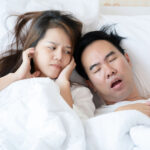
Obstructive sleep apnea (OSA) — by far the more common type — blocks your airway once you relax in sleep, which leads to more noticeable symptoms. Your bed partner or a roommate may be the first to notice moderate OSA symptoms, which include:
- Loud, chronic snoring
- Gasping, choking, or snorting
- Pauses in breathing
- Dry mouth
- Morning headache
- Excessive daytime sleepiness
Without treatment, moderate sleep apnea can lead to medical conditions, like:
- Heart failure
- Coronary artery disease
- Cardiac rhythm problems
- Liver disease
- Stroke
- Type 2 diabetes
Causes of Moderate Sleep Apnea
Moderate sleep apnea causes also differ based on the type. Central sleep apnea is caused by faulty brain signals, which interrupt breathing while you sleep. However, in obstructive sleep apnea, tissues like your tongue or tonsils block your airway.
Risk factors for moderate OSA include:
- Older age
- Obesity
- Large tonsils or tongue
- Excess fat in the neck area
- Family history of OSA
- Cleft lip or palate
- Drinking alcohol
- Smoking
How Moderate Sleep Apnea Is Diagnosed
Doctors diagnose moderate sleep apnea with a combination of questions, examination, and tests. To start, you may have to complete a questionnaire about your symptoms. If your doctor suspects you have sleep apnea based on your answers, they can recommend a sleep study to confirm the diagnosis.
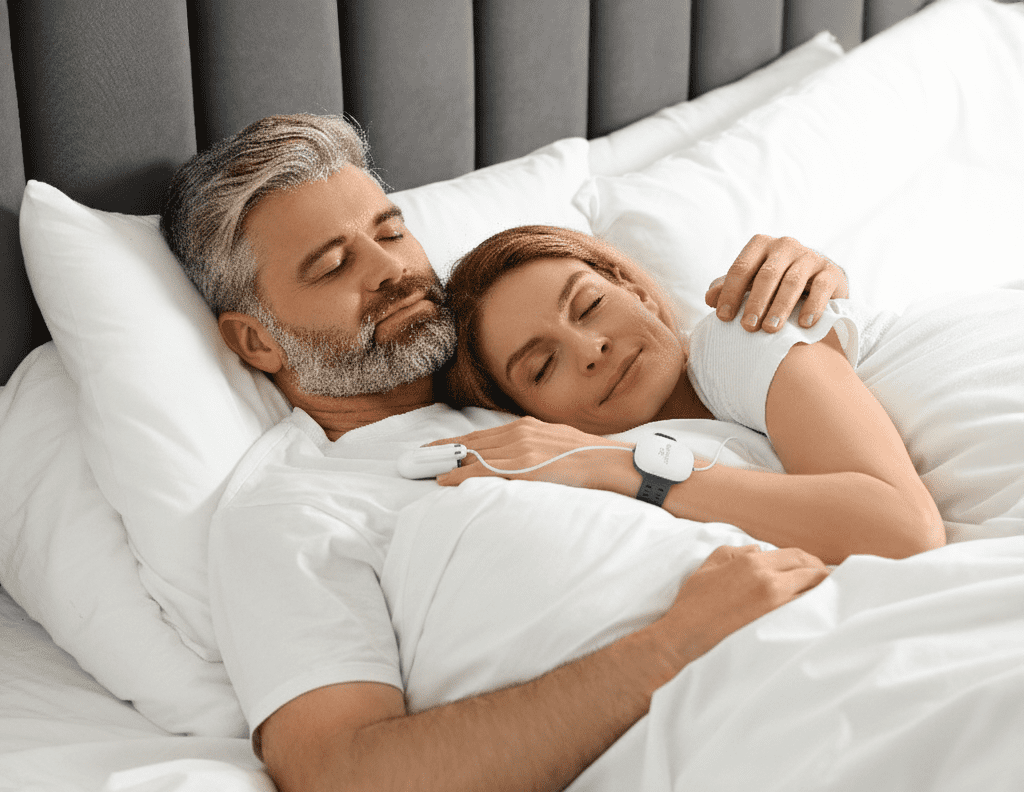
You can have a home sleep study or an in-lab sleep study (polysomnography). During a home sleep study in your own bed, you wear sensors overnight that measure things like oxygen levels and heart rate. An in-lab sleep study can record more types of data in more detail, so if your home sleep study is inconclusive, polysomnography is the next step.
In addition to the data collected during a home sleep study, polysomnography measures your brain waves with electrodes, airflow from your mouth and nostrils, and body movements throughout the night.
Treatment for Moderate Sleep Apnea
Treatment for mild-to-moderate obstructive sleep apnea works by keeping your airway open while you sleep. For example, oral appliances can prevent airway blockage by holding your lower jaw or tongue pulled forward throughout the night.
For moderate-to-severe OSA, treatment usually includes continuous positive airway pressure (CPAP) therapy. This treatment involves wearing a mask over your nostrils, whole nose, or nose and mouth. The mask connects to a machine via tubing, which delivers pressurized air to keep your breathing passages open during sleep.
Central sleep apnea is treated by managing the underlying health condition responsible. For example, if CSA is caused by heart failure, treatment for your heart can improve your sleep apnea symptoms.
When to Talk to Your Doctor
Talk to your doctor if you have symptoms of sleep apnea, such as loud or frequent snoring, gasping or choking during sleep, excessive daytime sleepiness, morning headaches, or difficulty concentrating. A sleep evaluation can help determine whether you have sleep apnea and how severe it is.
If you’ve already been diagnosed with moderate sleep apnea, work with your doctor to determine the most appropriate treatment based on your symptoms, overall health, and preferences. Check in with your care team if your symptoms worsen, you have trouble using your prescribed treatment, or your current treatment no longer seems effective.
Frequently Asked Questions
Moderate sleep apnea can be dangerous if it goes untreated. Over time, sleep apnea can contribute to health conditions like high blood pressure, type 2 diabetes, heart failure, coronary artery disease, heart rhythm problems, heart attack, and stroke. Lack of sleep from OSA can have negative effects on your attention, memory, and thinking ability. People with moderate OSA also have a higher risk of motor vehicle crashes from drowsy driving.
Moderate sleep apnea treatment with CPAP therapy decreases the number of breathing pauses you have during sleep. This helps you sleep better and improves symptoms like snoring and daytime sleepiness, but it doesn’t “cure” sleep apnea.
When you use your CPAP regularly, it can lower your risk of complications like heart problems, erectile dysfunction, gastric reflux, and overall quality of life. Oral appliances also improve sleep and symptoms, but usually don’t work as well as CPAP.
Experts recommend CPAP for anyone with more than 15 respiratory disturbances every hour. You can use oral appliances like a mandibular advancement device (MAD) or a tongue-retaining device (TRD) if you can’t tolerate CPAP.
The U.S. Social Security Administration considers sleep apnea a disability in some cases, especially if you’re at a higher risk of long-term health complications like heart failure and mood disturbances. However, they don’t pay for sleep studies. The U.S. Department of Veterans Affairs also offers disability for sleep apnea at various levels based on severity.
Medical Disclaimer: This content is for informational purposes and does not constitute medical advice. Please consult a health care provider prior to starting a new treatment or making changes to your treatment plan.

Written by
Abby McCoy, RN, Contributing WriterAbby McCoy is an experienced RN who has worked with adults and pediatric patients encompassing trauma, orthopedics, home care, transplant, and case management. She holds a Bachelor’s of Science in Nursing from St. Louis Univeristy and has practiced nursing all over the world from San Francisco, CA, to Tharaka, Kenya. She now writes health content for trusted health outlets like Everyday Health and Next Avenue.