At a Glance
Mild sleep apnea is a type of sleep apnea generally defined in adults as experiencing between 5 and 15 breathing pauses per hour of sleep. Not everyone notices symptoms of mild sleep apnea, but they can include daytime sleepiness and snoring, gasping, and choking during sleep. Mild sleep apnea can often be treated with several approaches, including positive airway pressure (PAP) therapy, oral appliances and lifestyle adjustments.
Mild sleep apnea may sound minor, but it can disrupt your sleep, affect how you feel and function during the day, and lead to chronic health conditions if left untreated. Although symptoms may be less noticeable than with moderate or severe obstructive sleep apnea (OSA), some people with mild OSA can still benefit significantly from treatment.
Below, we’ll discuss the signs of mild sleep apnea to watch out for, what the diagnostic process is like, and which treatment options are available.

What Is Mild Sleep Apnea?
Doctors label sleep apnea as mild, moderate, or severe based on how many times you have breathing pauses and shallow breaths per hour while you sleep. This measurement — the apnea-hypopnea index (AHI) — is calculated during a sleep study and is commonly categorized as:
- Mild sleep apnea: AHI between 5 and 15
- Moderate sleep apnea: AHI between 15 to 30
- Severe sleep apnea: AHI over 30
Sleep apnea has two main types: central sleep apnea (CSA) happens when the brain does not consistently send the appropriate signals to the muscles that control breathing, while obstructive sleep apnea, the most common type, happens when your upper breathing passages (airways) get blocked or repeatedly narrows while you sleep.
Mild Sleep Apnea Symptoms
Symptoms of mild sleep apnea include:
- Loud, frequent snoring
- Pauses in breathing during sleep
- Gasping, choking, or snorting during sleep
- Frequent nighttime awakenings
- Excessive daytime sleepiness or fatigue
- Morning headaches
- Dry mouth or sore throat upon waking
- Difficulty concentrating or remembering things
- Irritability or mood changes
However, many people may not notice mild sleep apnea symptoms, particularly if they sleep alone. Symptoms also don't always correspond neatly to the AHI. Some people with mild OSA experience substantial daytime sleepiness or fatigue, while others with a higher AHI may report relatively few symptoms.
Some people with mild OSA don’t realize how sleepy they feel until they begin treatment and notice an improvement in their daytime functioning.
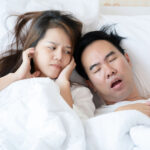
Bed partners or family members may also be the first to notice symptoms such as loud snoring, pauses in breathing, or gasping during sleep.
Is It Sleep Apnea? Find Out for as Low as $0
Sleep Doctor’s home sleep study gives your results reviewed by a sleep specialist and guidance on what to do next. Most major insurance plans accepted.

Causes of Mild Sleep Apnea
Mild sleep apnea shares the same causes as moderate and severe apnea. The upper airway becomes repeatedly narrowed or blocked during sleep, which may be influenced by anatomy, body weight, muscle tone, and other factors. Risk factors and anatomical contributors can include:
- Excess weight or obesity
- Naturally narrow airways
- Enlarged tonsils or adenoids
- A large tongue or other anatomical features that crowd the airway
- A small or recessed lower jaw
- Nasal congestion or obstruction like nasal polyps
- Excess weight or obesity
Your risk for any kind of sleep apnea increases with age, hormone changes, and heart or kidney disease. Risk factors also include drinking alcohol, sedative use, smoking, and a family history of sleep apnea. However, it’s also important to note that OSA can occur in people who aren’t overweight or in people who don’t snore.
Diagnosing Mild Sleep Apnea
To diagnose mild sleep apnea, you’ll need a sleep study, which your doctor can refer you for based on an initial evaluation of your symptoms. In some cases, you may be able to take a home sleep study first. For this study type, you use a kit delivered to your home to measure your oxygen levels, heart rate, and other important data that can tell your doctor how you breathed while you slept.
However, home sleep study results may not provide enough information when you have mild sleep apnea. If your results come back as negative or inconclusive, your doctor may then recommend a sleep study done overnight at a clinic (polysomnography). This type of sleep test can measure more data types, like brain waves and airflow through your nose and mouth.
Mild Sleep Apnea Treatment
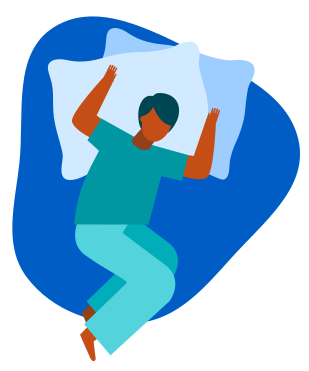
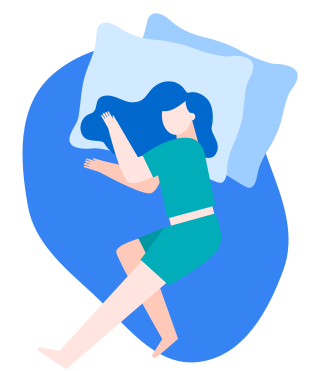
For mild sleep apnea treatment, you may have more options than you would for severe sleep apnea. For example, you can try lifestyle factors first, like losing weight or sleeping on your side rather than your back or stomach.
Your doctor may also recommend an oral appliance that pushes your jaw forward (mandibular advancement device) or holds your tongue forward (tongue-retaining device). Another device (ex. exciteOSA) uses mild electricity to activate your tongue muscle for 20 minutes a day, which can help it stay out of the way when you relax into sleep.
For people with other health conditions, or those who must not get sleepy at their job (like airplane pilots or bus drivers), doctors may suggest using a continuous positive airway pressure (CPAP). This machine delivers pressurized air through a mask that covers your nose or mouth and nose together.
When to Talk to Your Doctor
Talk to your doctor if you have symptoms of sleep apnea, even if they seem mild. Signs such as frequent snoring, gasping or choking during sleep, excessive daytime sleepiness, morning headaches, or difficulty concentrating may warrant an evaluation.
If you’ve already been diagnosed with mild sleep apnea, your doctor can help determine whether treatment is necessary based on your symptoms, overall health, and other risk factors. You should also check in with your doctor if your symptoms worsen, you gain significant weight, or your current treatment is no longer helping.
Frequently Asked Questions
Mild sleep apnea doesn’t always need to be treated. Your doctor will make that determination based on your AHI and how much your symptoms are impacting your daily life. They may recommend lifestyle changes like weight loss or side sleeping or medical treatments like an oral appliance or CPAP.
Some studies suggest that mild obstructive sleep apnea doesn’t increase your risk of death. Other research found that having heart disease can make mild OSA more dangerous. For example, coronary artery disease with mild OSA may raise your risk of stroke.
Additionally, if left untreated, mild sleep apnea may become more severe and lead to chronic health conditions like high blood pressure and diabetes. Symptoms such as excessive daytime sleepiness can affect quality of life and may increase the risk of accidents.
You can improve mild sleep apnea symptoms through treatment and lifestyle changes, including weight loss, changing your sleep position, and avoiding alcohol and medicines with a sedating effect.
About 34% of men and 17% of women in the U.S. between ages 30 and 70 have an AHI over 5. About 61% of people with this sleep disorder have mild sleep apnea.
Mild sleep apnea can make you feel tired during the day, but not everyone notices this symptom. Some people experience problems with concentrations, energy, mood or unrefreshing sleep rather than describing themselves as sleepy. Others may have few or no daytime symptoms.
Some studies show a connection between mild OSA and high blood pressure. These results suggest the risk for high blood pressure goes up as the AHI increases. One study found that people with mild OSA had double the risk of developing high blood pressure compared to people who got an AHI of 0.
Not necessarily. CPAP isn’t the only option, especially for mild cases of sleep apnea.Treatment recommendations depend on your symptoms and work. For example, if you work in a high-risk field, like air-traffic control or healthcare, your doctor may recommend CPAP therapy. But if you don’t have many symptoms, you can use other treatments like oral appliances and avoiding sleep on your back.
Medical Disclaimer: This content is for informational purposes only and isn't a substitute for professional medical advice. Consult your healthcare provider with questions about any symptoms you're experiencing or before changing or stopping an existing treatment.

Written by
Abby McCoy, RN, Contributing WriterAbby McCoy is an experienced RN who has worked with adults and pediatric patients encompassing trauma, orthopedics, home care, transplant, and case management. She holds a Bachelor’s of Science in Nursing from St. Louis Univeristy and has practiced nursing all over the world from San Francisco, CA, to Tharaka, Kenya. She now writes health content for trusted health outlets like Everyday Health and Next Avenue.

Reviewed by
Lulu Guo, MD, Medical ReviewerDr. Lulu Guo is a board-certified sleep medicine and family medicine physician who specializes in diagnosing and treating sleep disorders, including obstructive sleep apnea, insomnia, and other sleep-related breathing conditions. She is known for taking a patient-centered approach to sleep care, helping individuals improve their overall health and quality of life through better sleep.