Doctors often use the Mallampati score to evaluate airway size and determine a person’s risk for obstructive sleep apnea (OSA). OSA is a common sleep-related breathing disorder that occurs when a person's upper airway partially or completely collapses repeatedly during sleep, causing their breathing to briefly slow or stop. The Mallampati score helps doctors estimate how likely this collapse is to occur by examining the structure and visibility of the tissues in the back of the mouth and throat.
Though it’s not a diagnostic tool on its own, it can provide valuable insight when used alongside other sleep apnea screening methods. Below, we’ll explain how the Mallampati score works, how it’s measured, and what your score may reveal about your sleep apnea risk.
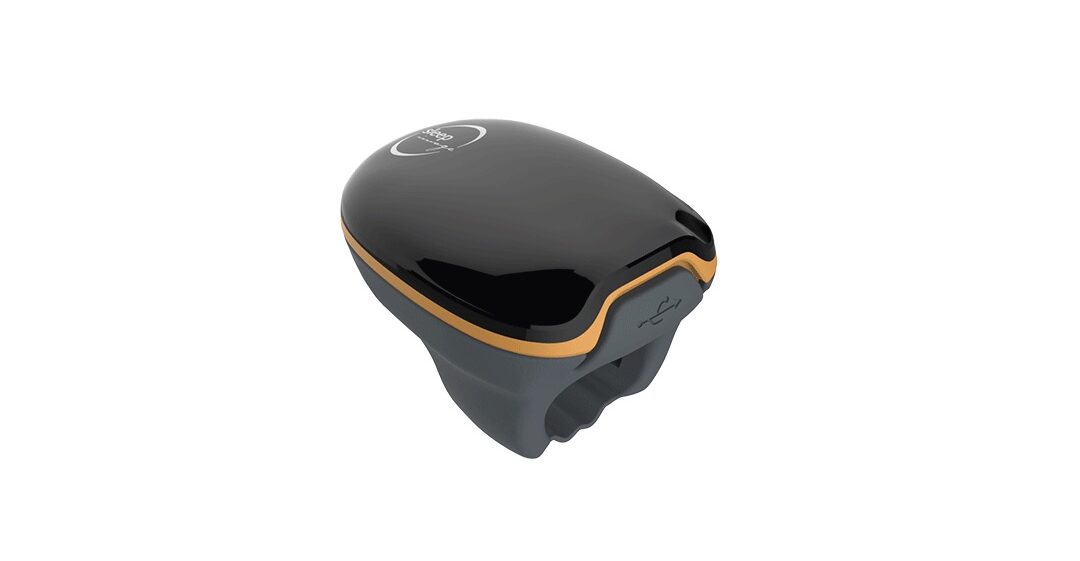
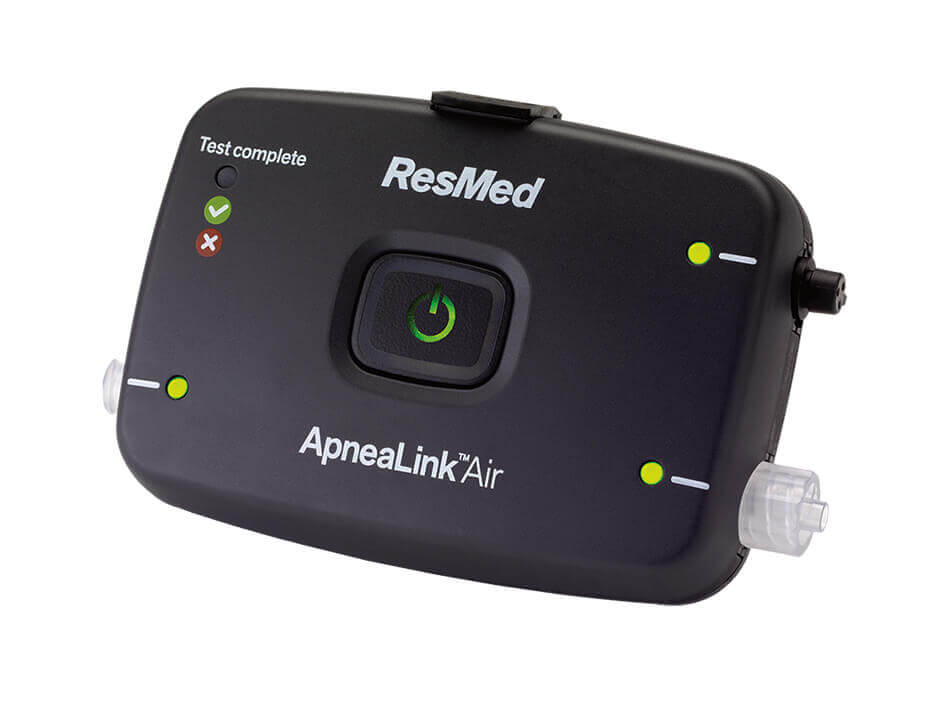
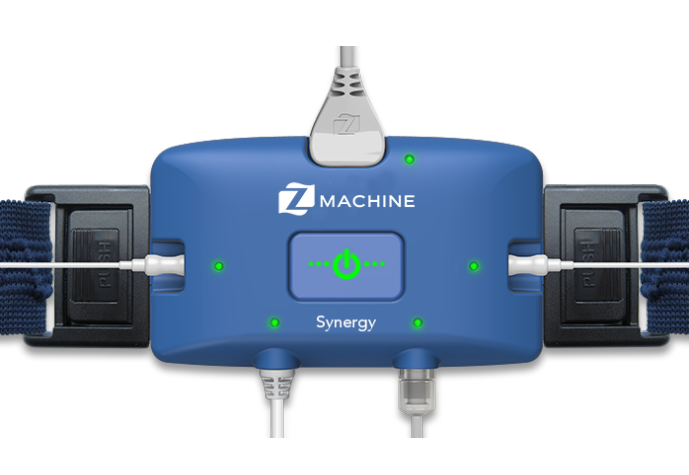
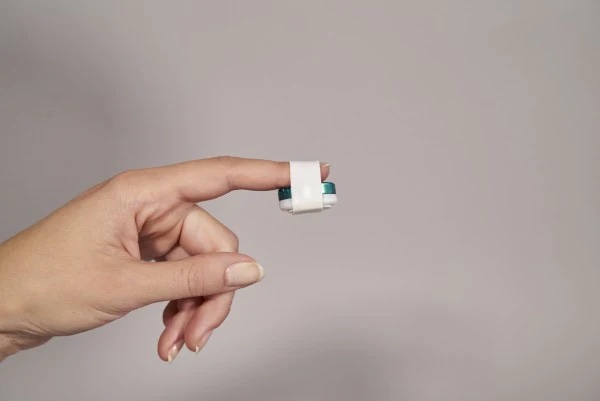
Think You May Have Sleep Apnea? Try an At-Home Test
our partner at sleepdoctor.com
10% off Home Sleep Tests
Buy Now“Truly grateful for this home sleep test. Fair pricing and improved my sleep!”
Dawn G. – Verified Tester

Simple and convenient
- Equipment delivered to your doorstep
- One overnight test in the comfort of your own bed

Uncover sleep apnea
- Quietly collects data while you sleep
- 98% effective in detecting sleep apnea

Affordable & ships fast
- Arrives in 2-4 business days
- In-lab sleep tests cost ~$3,000+ (this one’s $189), HSA/FSA eligible


What Is the Mallampati Score?
First described in 1985, the Mallampati score, named after the Indian anaesthesiologist Seshagiri Mallampati, was designed to quickly estimate how difficult it may be to insert a tube into the throat of a patient before surgery (a process known as intubation). Over time, the Mallampati score has been modified and become a useful tool to predict the risk and severity of obstructive sleep apnea in both children and adults.
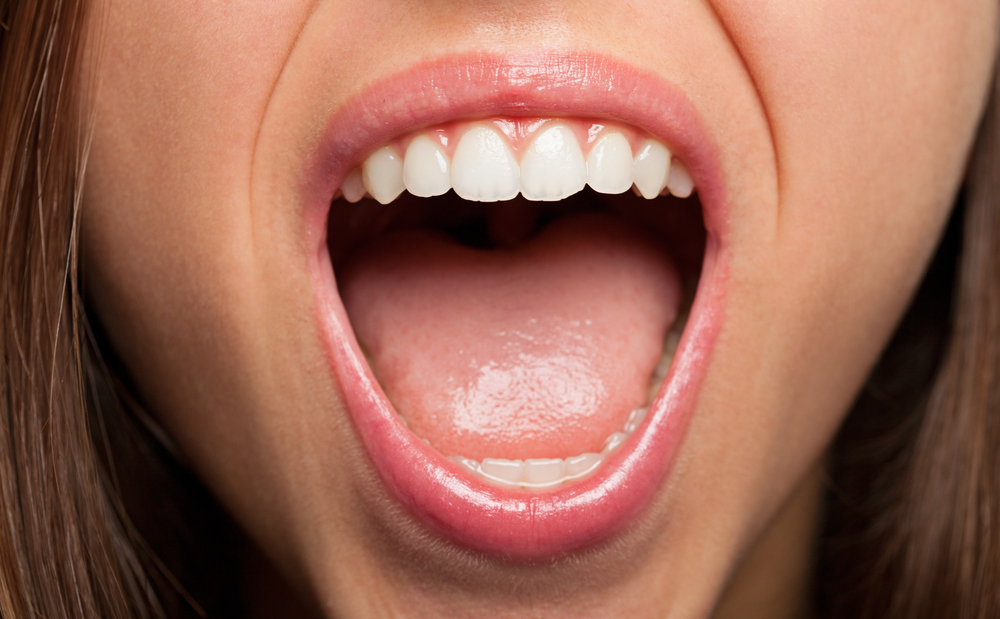
The score corresponds to which parts of the mouth and throat can be seen when looking into a person's open mouth while their tongue is sticking out. While the original Mallampati score used a scoring system ranging from class 1 to class 3, the modified version includes a class 4.
Original Mallampati Scoring
- Class 1: Soft palate (part of the roof of the mouth), uvula (tissue that dangles from the top of the throat), fauces (opening at the back of the mouth), and pillars (two muscular arches of tissue in the back of the mouth) are fully visible.
- Class 2: Soft palate, uvula, and fauces are visible, but the pillars are not.
- Class 3: Only the soft palate and base of the uvula are visible.
Modified Mallampati Scoring
- Class 1: The tonsils, uvula, and soft and hard palates are visible.
- Class 2: The soft palate and at least part of the uvula are visible.
- Class 3: The soft palate is visible.
- Class 4: Nothing beyond the tongue is visible.
Some experts also use a scale with a class 0, where the tonsils, uvula, soft and hard palates, and epiglottis (a piece of cartilage just above the windpipe) are all visible.
What Is a Normal Mallampati Score?
A normal or low Mallampati score (class 1 or class 2) indicates that the airway is wide and unobstructed, with most structures at the back of the throat clearly visible. People with these scores are less likely to experience breathing interruptions during sleep.
By contrast, class 3 and class 4 suggest a narrower airway, meaning less of the soft palate and uvula can be seen when the mouth is open. A higher Mallampati score corresponds to an increased likelihood of having obstructive sleep apnea and may also reflect greater OSA severity.
Research shows that in adults, the likelihood of having OSA doubles with each point increase in Mallampati score. In children, the relationship is even stronger: Each point increase can make a child six times more likely to have sleep apnea.
How to Improve Your Mallampati Score
Because your Mallampati score is based on the anatomy and visibility of your airway, it generally cannot be changed through simple exercises or lifestyle adjustments. The size and position of the tongue, soft palate, and other oral structures are primarily determined by genetics and bone structure.
That said, there are ways to reduce airway obstruction and improve airflow during sleep, even if your Mallampati score is high. These changes won’t alter your score directly, but they can lessen the impact of a crowded airway:
- Maintain a healthy weight: Excess weight, especially around the neck and throat, can narrow the airway and worsen obstruction during sleep.
- Treat nasal congestion: Managing allergies or chronic sinus issues can improve airflow through the nose and reduce mouth breathing.
- Avoid alcohol and sedatives before bed: These substances relax throat muscles and can make airway collapse more likely.
- Consider positional therapy: Sleeping on your side instead of your back may prevent the tongue from falling backward and blocking airflow.
- Use prescribed therapy if diagnosed with OSA: CPAP, oral appliances, or other treatments can effectively prevent airway collapse and improve oxygen levels.
Other Tools for Diagnosing Obstructive Sleep Apnea
Although the Mallampati score may help predict a person's likelihood of having OSA, it's not a tool used to make an official OSA diagnosis. Instead, doctors and sleep specialists diagnose OSA using a sleep study or home sleep apnea testing.
Before ordering one of these tests, doctors generally ask questions to determine whether or not they think a person likely has OSA. They may inquire about symptoms, such as snoring, daytime sleepiness, or morning headaches. They may also take into consideration a person's body weight, age, and biological sex at birth.
In addition to the Mallampati score, there are multiple other tools and measurements sleep experts commonly use with people who are suspected to have OSA.
- Body mass index (BMI): Doctors may determine a person's body mass index, because a higher BMI suggests an increased risk of having OSA. However, people with a normal BMI can still have OSA.
- Neck circumference: Doctors may measure a person's neck when they suspect OSA, since having a larger neck is more closely correlated with having OSA than obesity in general.
- Epworth Sleepiness Scale: This scale is a one-page list of questions that a doctor may ask to better understand how easily a person falls asleep during the day. The questionnaire helps determine if a person is experiencing low energy or excessive daytime sleepiness.
- Berlin Questionnaire: The Berlin Questionnaire includes questions about snoring, daytime tiredness, and high blood pressure. Higher scores on this scale indicate a higher risk of OSA, so doctors may use the measure to help determine who should undergo a sleep study or home sleep apnea testing.
- STOP-Bang Score: A higher STOP-Bang Score indicates a person faces a higher risk of having OSA. Questions relate to known OSA risk factors like snoring, tiredness, high blood pressure, BMI, age, and more.
- Oxygen desaturation index (ODI): Like oxygen saturation, the ODI is collected during some sleep studies and home sleep apnea testing. This measurement represents how many times during each hour of sleep, on average, blood oxygen level drops by a certain amount.
When to See a Doctor
If you’ve been told you have a high Mallampati score or notice symptoms of sleep-disordered breathing, it’s important to talk with a doctor or sleep specialist. While your Mallampati score can indicate a higher risk of airway obstruction, only a sleep study can confirm whether you have obstructive sleep apnea (OSA) or another breathing disorder.
You should see a doctor if you experience any of these symptoms:
- Loud or frequent snoring
- Pauses in breathing during sleep (often noticed by a partner)
- Gasping or choking sensations at night
- Excessive daytime sleepiness or trouble staying awake
- Morning headaches, dry mouth, or sore throat
- Difficulty concentrating or memory problems
A doctor can review your symptoms, perform a physical exam, and recommend a home or in-lab sleep study if needed. If sleep apnea is diagnosed, treatments, such as CPAP therapy, oral appliances, or lifestyle changes can help you breathe more easily and sleep more restfully.

Written by
Tochukwu Ikpeze, MD, Contributing WriterTochukwu grew up in New York and has a passion for creative and scientific writing. Tochukwu holds an undergraduate degree in Biology and Psychology, a Master’s degree in Biomedical Science, and a Medical Degree as well. In his free time, Tochukwu enjoys reading, learning, exploring various topics pertaining to the human condition and conveying that information to the public through writing.

Reviewed by
Gerard Meskill, MD, FAASM, Medical ReviewerGerard J. Meskill, MD, is board certified in both neurology and sleep medicine, and he is the founder and CEO of Tricoastal Narcolepsy and Sleep Disorders Center. The “Tricoastal” moniker references his background: he completed neurology residency on the East Coast at Long Island Jewish Medical Center – where he served as chief resident, sleep fellowship on the West Coast at Stanford University, and he now practices sleep medicine and neurology on the Gulf Coast in the greater Houston, Texas area.